
That sharp ache between your shoulder blades after a long day at your desk. The stiffness that greets you each morning. Upper back pain affects millions, and physical therapy offers proven solutions that actually work. This guide transforms clinical protocols into actionable steps you can start today, with clear instructions that respect your body’s limits while building lasting strength. You’ll learn exactly which exercises target the rhomboids and trapezius muscles causing your discomfort, plus how to integrate them safely into your daily routine for maximum relief.
Physical therapy for upper back pain isn’t just about temporary fixes—it addresses the root causes of your discomfort through targeted strengthening and stretching. Unlike pain medication that merely masks symptoms, these evidence-based techniques rebuild proper movement patterns while reducing strain on your thoracic spine. Whether your pain stems from poor posture, muscle imbalances, or repetitive strain, this guide delivers the precise exercises backed by clinical research to restore your mobility and comfort.
Quick Pain Assessment Checklist
Before starting any exercises, determine if your pain responds well to movement. Stand tall and gently roll your shoulders backward. Does the pain decrease or stay the same? This positive response indicates you’re ready to begin. If pain worsens or radiates down your arms, stop immediately and consult a healthcare provider.
Red flags requiring medical attention:
– Numbness or tingling in arms/hands
– Pain lasting over one week without improvement
– Sharp, shooting pain with any movement
– Recent trauma or injury
Your pain response to gentle movement serves as your first diagnostic tool. Upper back pain that improves with specific exercises typically indicates muscular strain rather than more serious conditions. However, if you experience worsening symptoms or neurological symptoms like numbness, professional evaluation becomes essential before proceeding. Remember that physical therapy for upper back pain should never cause sharp or radiating pain—mild stretching sensations are acceptable, but anything beyond that requires medical consultation.
Essential Stretching Exercises

Rhomboid Stretch for Desk Workers
This targeted stretch releases tension in the muscles between your shoulder blades—the exact spot that knots up during computer work. The rhomboid stretch specifically addresses the muscle imbalances created by prolonged sitting and forward head posture.
Starting position: Sit tall in a firm chair or stand with feet hip-width apart. Clasp your hands at shoulder height, arms extended forward.
Execution:
1. Drop your chin toward your chest
2. Push your hands forward while rounding your upper back
3. Feel shoulder blades spreading apart
4. Hold 15-30 seconds, breathing deeply
5. Repeat 2-4 times
Pro tip: Focus on upper back rounding, not lower back. The stretch should feel like a gentle pull between your shoulder blades, never painful. Many people mistakenly arch their lower back during this stretch, which reduces effectiveness. Keep your core gently engaged to maintain proper thoracic spine positioning.
Modified Child’s Pose Variation
Adapt this yoga favorite specifically for thoracic spine relief, perfect for evening wind-down routines. This modified version targets the entire upper back region while minimizing strain on sensitive knees.
Position: Kneel on carpet or mat, sitting back toward your heels. Place a pillow under your knees if they’re sensitive.
Steps:
1. Lean forward, extending arms on the floor
2. Rest your forehead between your arms (avoid floor contact)
3. Gently press your chest toward the ground
4. Hold 15-30 seconds, feeling the stretch across your upper back
5. Repeat 2-4 times
Modification: Wider knee stance increases the upper back stretch intensity. For those with knee issues, place a rolled towel behind your knees for additional support without compromising the stretch’s effectiveness.
Daily Mobility Routine
Shoulder Roll Sequence
Wake up stiff muscles with this 60-second routine that improves scapular mobility and reduces upper trap tension. Unlike random shoulder circles, this precise sequence creates optimal movement patterns for your shoulder girdle.
Morning protocol:
1. Stand or sit tall with chin slightly tucked
2. Roll shoulders up → back → down → forward (4 circles)
3. Reverse direction: down → back → up → forward (4 circles)
4. Focus on smooth, controlled motion from the shoulder girdle
Common mistake: Using arm momentum instead of shoulder movement. Keep arms relaxed—the motion comes from your shoulder blades. Many people unknowingly create neck strain by allowing their head to move with their shoulders; maintain a neutral cervical spine throughout.
Progressive Strengthening Program
Wall Push-up Progression
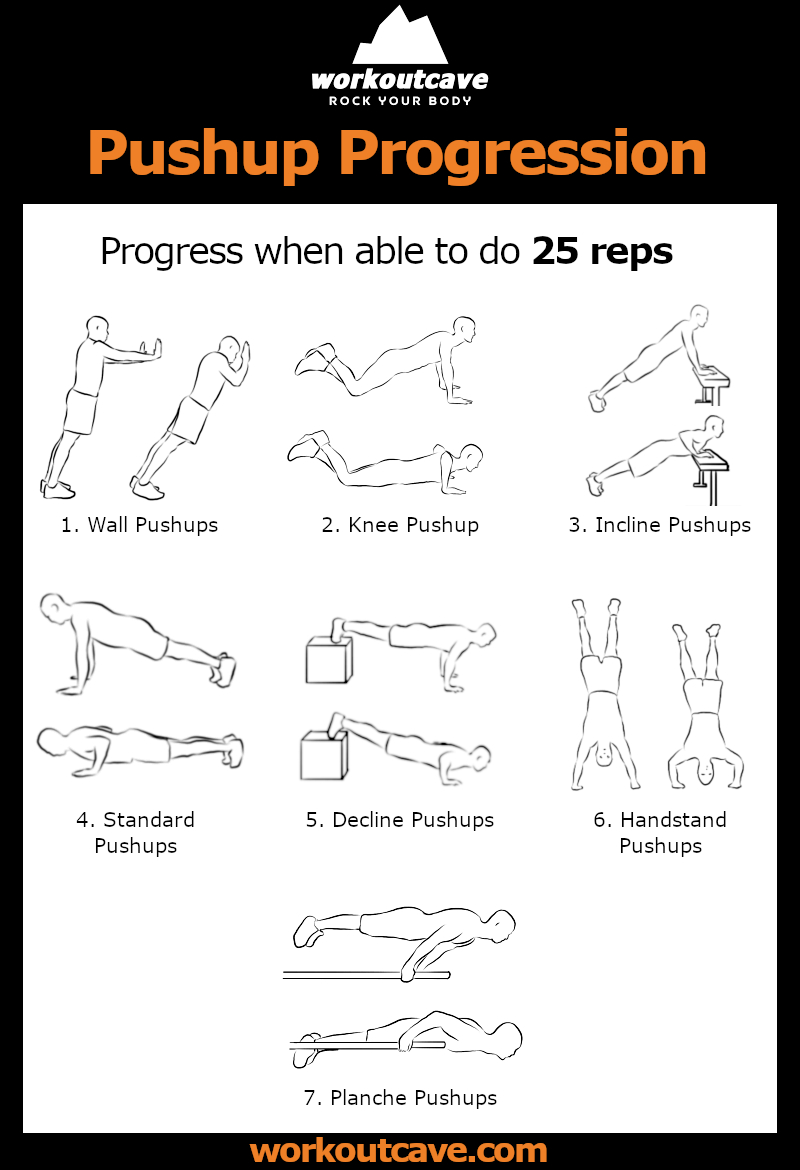
Build scapular strength gradually with this five-phase system that prevents overwhelming already-tight muscles. The wall push-up progression specifically targets the serratus anterior muscle, crucial for proper shoulder blade movement.
Phase 1: Wall Push-ups (Weeks 1-2)
Stand 12-24 inches from a wall. Place hands at shoulder height, slightly wider than shoulders. Perform 8-12 controlled push-ups, keeping your body straight from head to heels.
Phase 2: Counter Push-ups (Weeks 3-4)
Use a kitchen counter for increased incline. Same movement pattern, 8-12 reps.
Phase 3: Couch Push-ups (Weeks 5-6)
Use the sturdy end of a couch for moderate incline.
Phase 4: Chair Push-ups (Weeks 7-8)
Sturdy chair provides higher intensity.
Phase 5: Floor Push-ups (Week 9+)
Full push-ups only when previous phases feel easy.
Progression rule: Never advance if you feel pain or can’t complete reps with good form. Many people rush this progression, creating more strain—listen to your body’s signals.
Resistance Band Row Exercise
Strengthen your entire upper back with this versatile exercise using a simple exercise band. The resistance band row specifically targets the rhomboids and middle trapezius muscles that stabilize your shoulder blades.
Setup options:
– Anchor band around bedpost
– Use door anchor (knot band, close door securely)
– Partner holds band at waist level
Execution:
1. Hold band ends, arms extended forward
2. Pull shoulder blades together first, then bend elbows
3. Keep elbows close to your sides
4. Control the return movement
5. Complete 8-12 reps, 1-2 sets
Form focus: The movement starts by squeezing your shoulder blades, not pulling with your arms. This critical detail ensures you’re strengthening the right muscles rather than compensating with your biceps.
Safe Exercise Guidelines
Pain Scale Navigation
Green light (safe to continue):
– Mild discomfort or stretching sensation
– Pain decreases with movement
– Feels like “good” muscle work
Red light (stop immediately):
– Sharp or shooting pain
– Pain worsens after exercise
– Numbness or tingling appears
Physical therapy for upper back pain requires careful pain monitoring. Discomfort during stretching is normal, but sharp pain indicates tissue stress that could lead to injury. If your pain increases after exercising, take an extra recovery day before continuing.
Weekly Schedule Template
Week 1-2: Foundation
– Daily stretching: 2-4 reps each exercise
– Every other day: Wall push-ups (1 set)
– Focus on form, not intensity
Week 3-4: Building
– Maintain daily stretching
– Increase to 2 sets strengthening
– Advance push-up position if ready
Week 5+: Maintenance
– Stretching: 3-4 days per week
– Strengthening: 3 days per week
– Listen to your body’s recovery needs
Strengthening exercises require recovery time—never perform them on consecutive days. Your muscles need 48 hours to rebuild stronger after resistance training.
Workstation Ergonomics
Transform your desk setup to prevent pain recurrence. Position your monitor so the top third aligns with eye level. Keep elbows at 90 degrees when typing, with shoulders relaxed—not hunched toward your ears. Set phone reminders for posture checks every 30 minutes.
Micro-Break Routine
Every 30-45 minutes, stand up and perform:
– 5 shoulder rolls (forward and backward)
– 3 deep breaths with shoulder blade squeeze
– 30 seconds of gentle neck stretches
These micro-breaks prevent the cumulative strain that leads to chronic upper back pain. The key isn’t just taking breaks, but taking the RIGHT breaks that reset your posture.
When to Seek Professional Help
Contact a physical therapist if:
– No improvement after 2 weeks of consistent exercise
– Pain interferes with sleep or daily activities
– You’re unsure about exercise form or progression
– You have a history of spinal issues or recent injury
What to expect: A physical therapist will assess your specific condition, modify these exercises for your needs, and provide hands-on techniques to accelerate healing. They’ll identify any underlying movement dysfunctions contributing to your pain.
Long-term Success Strategies
Habit Stacking for Consistency
Pair exercises with existing habits: Do shoulder rolls while your coffee brews. Perform the rhomboid stretch during TV commercials. Use resistance bands while waiting for dinner to cook. This technique makes physical therapy for upper back pain sustainable by attaching it to established routines.
Progress Tracking
Simple weekly check-ins:
– Rate pain level 1-10
– Note which exercises feel easier
– Track how long you can work without discomfort
– Celebrate small victories—like completing a full day pain-free
Documenting your progress builds motivation and helps identify which exercises deliver the best results for your specific pain pattern.
Your action plan starts now: Choose one stretching exercise and one strengthening exercise from this guide. Perform them today, following the pain guidelines. Tomorrow, add the second stretch. By week’s end, you’ll have a complete routine that addresses your upper back pain at its source. Consistency beats intensity—just 10 minutes daily delivers better results than hour-long sessions done sporadically. Your path to lasting upper back pain relief begins with today’s first stretch.