

That sharp twinge when you twist to grab your phone. The dull ache that won’t let you sleep on your right side. Right side back muscle pain strikes without warning, turning simple movements into daily challenges. Whether you’re dealing with a sudden spasm or chronic discomfort, this guide walks you through everything you need to know—from identifying the root cause to finding lasting relief. Most cases respond well to targeted interventions, but first you must understand what’s really causing your right side back muscle pain.
Why Your Right Back Suddenly Starts Aching
Muscle Strains From Everyday Activities
Right side back muscle pain frequently stems from seemingly innocent movements that strain your quadratus lumborum—the deep muscle running along your lower spine. Lifting groceries with improper form, reaching for items while twisting, or even sleeping in a bad position can create micro-tears in these vulnerable muscles. You’ll know it’s muscular when the pain intensifies with specific movements but eases when you rest in certain positions.
Key indicators of muscle strain include:
– Localized tenderness when pressing the affected area
– Pain that worsens with twisting or bending rightward
– Muscle spasms that feel like sudden cramps
– Improvement with heat therapy and gentle stretching
Spinal Misalignment Targeting Your Right Side
When vertebrae shift out of proper alignment, they create uneven pressure on surrounding structures—often favoring one side. Facet joint irritation in the lumbar spine commonly manifests as right-sided pain that feels deep and achy. This type of right side back muscle pain typically worsens after prolonged sitting or standing and may improve with specific positional changes you discover through trial and error.
Spotting Kidney Pain Masquerading as Back Pain
:max_bytes(150000):strip_icc()/kidney-pain-vs-back-pain-7093864-notext-6150b1cb826e448ab074c860adcb7699.png)
Critical Differences You Can’t Ignore
Kidney-related pain often fools patients into thinking they have simple back strain. The key distinction? Kidney pain remains constant regardless of movement or position, while muscular pain changes with your body’s orientation. When kidney stones or infections are the culprit, you’ll notice additional warning signs that demand immediate attention.
Kidney pain red flags requiring urgent care:
– Pain persisting through all positions and activities
– Urinary changes like blood, cloudiness, or foul odor
– Fever or chills accompanying your back discomfort
– Pain radiating toward your groin or lower abdomen
– Nausea or vomiting without gastrointestinal symptoms
Don’t assume your right side back muscle pain is muscular—these symptoms indicate you need medical evaluation within hours, not days.
Stop Right Side Back Pain Now: First 24-Hour Protocol

Strategic Heat and Ice Application
For new injuries (within 72 hours): Apply ice packs wrapped in thin towels for 15-20 minutes every 2-3 hours to reduce inflammation. Never place ice directly on skin.
For chronic tension (lasting weeks): Use moist heat via heating pads or warm showers for 20 minutes to relax tight muscles. The warmth increases blood flow to the affected area, promoting healing.
Pro tip: Alternate 10 minutes of heat followed by 10 minutes of ice for stubborn pain that hasn’t responded to single-modality treatment.
Smart Medication Choices for Right-Side Pain
Muscle-related pain: Ibuprofen (400mg every 6 hours, max 1200mg daily) reduces both pain and inflammation. Take with food to protect your stomach.
When kidney involvement is possible: Choose acetaminophen (650mg every 6 hours, max 3000mg daily) instead—NSAIDs like ibuprofen can worsen kidney function during infections.
Never mix medications without consulting your pharmacist, especially if you have pre-existing conditions like high blood pressure or liver disease.
Effective Home Remedies You Can Start Today
Right-Specific Stretching Sequence
Standing side bend for immediate relief:
1. Stand with feet hip-width apart
2. Raise left arm overhead, right hand resting on hip
3. Gently lean left until you feel stretch along right side
4. Hold 30 seconds, repeat 4 times daily
Seated twist for deep tissue release:
1. Sit upright with feet flat on floor
2. Place left hand on right knee
3. Gently twist torso right while looking over right shoulder
4. Hold 20 seconds, repeat 3 times (use chair back for leverage)
Self-Massage Techniques That Work
Tennis ball trigger point release:
– Place tennis ball against wall at right-side pain location
– Lean gently into ball until you feel moderate pressure (not sharp pain)
– Hold position for 30-60 seconds on tender spots
– Move ball slightly to address surrounding areas
Foam rolling progression:
– Start with gentle rolling for 30 seconds
– Pause on tight areas for 20-30 second holds
– Increase pressure gradually over multiple sessions
– Focus on right paraspinal muscles from mid to lower back
Emergency Signs That Demand Immediate Action
Non-Negotiable Red Flags
Call 911 immediately if you experience:
– Inability to control bladder or bowels with back pain
– Numbness spreading down both legs
– Severe pain following trauma like a fall or accident
– High fever (over 101°F) with back discomfort
Schedule urgent appointment if:
– Pain persists beyond 10 days despite home treatment
– You notice unexplained weight loss accompanying pain
– Pain wakes you from sleep consistently
– Symptoms worsen despite proper self-care
Professional Treatments That Deliver Results
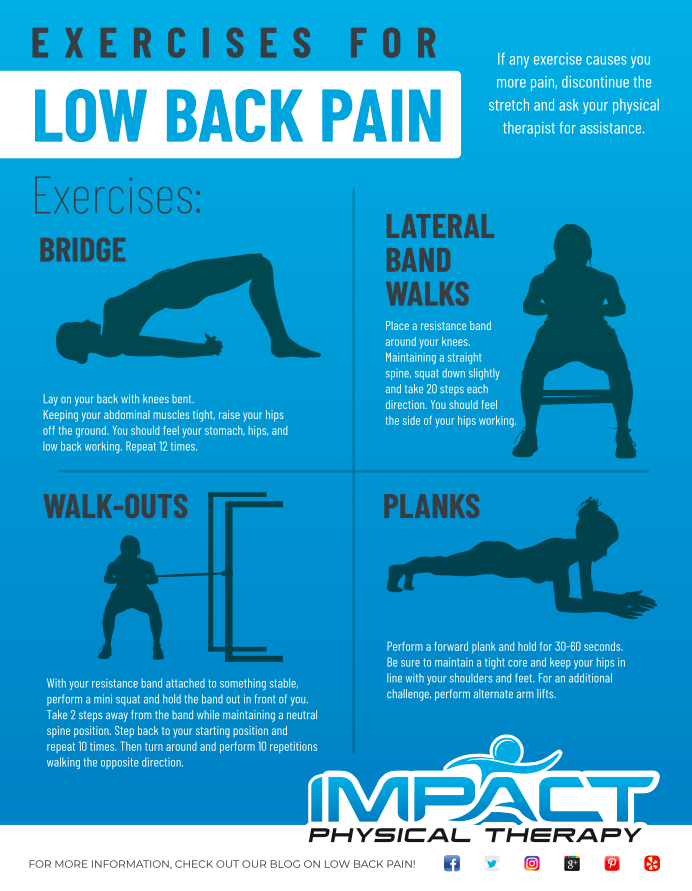
Physical Therapy’s Targeted Approach
A skilled physical therapist creates programs specifically addressing right-side imbalances. Core stabilization exercises form the foundation—weak abdominal muscles force your back muscles to compensate excessively. Your personalized plan will progress through phases:
- Initial pain management and inflammation reduction
- Gentle mobility restoration through guided movements
- Progressive strengthening of right-sided stabilizers
- Functional movement retraining for daily activities
When Basic Care Isn’t Enough
Trigger point injections deliver medication directly into muscle knots causing right side back muscle pain, providing relief within hours for many patients.
Radiofrequency ablation offers longer-term relief (6-12 months) by interrupting pain signals from affected nerves—ideal for chronic cases unresponsive to other treatments.
Prevent Right Side Back Pain From Returning
Daily Movement Upgrades
Revolutionize your lifting technique:
– Always bend knees, not your back when picking up objects
– Keep items close to your body during transport
– Pivot with feet instead of twisting your spine
– Test weight before fully committing to lift
Posture checkpoints throughout your day:
– Set phone reminders to check shoulder position
– Ensure both feet remain flat when seated
– Position computer screen at eye level
– Take 30-second stretch breaks hourly
Optimal Workspace Setup
Chair adjustments for right-side relief:
– Lumbar support maintaining natural spinal curve
– Seat height allowing 90-degree knee bend
– Armrests positioned to keep elbows at 90 degrees
– Footrest if feet don’t rest flat on floor
Monitor placement specifics:
– Top of screen at or slightly below eye level
– 20-26 inches distance from your eyes
– Directly in front to avoid neck twisting
– Document holder at same height as screen
Managing Chronic Right Side Back Pain Long-Term
Smart Activity Modifications
Exercise adaptations:
– Swimming provides buoyancy while strengthening
– Walking maintains fitness without spinal compression
– Yoga focuses on gentle, restorative poses
– Pilates emphasizes core stability without strain
Sleep positioning for recovery:
– Side sleeping with pillow between knees
– Back sleeping with pillow under knees
– Avoid stomach sleeping (increases lumbar stress)
– Medium-firm mattress optimal for most
Realistic Recovery Timelines Explained
Healing Windows Based on Cause
Muscle strains: Most improve within 2-6 weeks with proper care and activity modification.
Chronic tension patterns: May require 6-12 weeks of consistent stretching and strengthening.
Kidney-related pain: Resolves within days to weeks after treating underlying cause.
Structural issues: Often require ongoing management rather than complete resolution.
Warning Signs You’re Pushing Too Hard
- Pain increases during or after activity
- Next-day stiffness lasting >30 minutes
- Radiating pain down right leg
- New numbness or tingling sensations
Sustainable Pain-Free Living Strategies
Daily Habits That Make the Difference
Morning routine integration:
– 5-minute gentle stretching before getting out of bed
– Core activation exercises while coffee brews
– Posture check in bathroom mirror
Evening wind-down:
– Heat therapy during TV time
– Gentle stretching sequence before bed
– Gratitude practice for daily progress
Right side back muscle pain doesn’t have to control your life. By understanding whether your discomfort stems from muscular strain, kidney involvement, or spinal issues, you can take targeted action. Most cases respond well to conservative care within weeks, but persistent symptoms with red flags deserve professional evaluation. Start with these home strategies today, track your progress, and don’t hesitate to seek help when needed. Your path to pain-free movement begins with the first stretch—take that step now.