
Lower back pain affects 80% of adults at some point, yet most people endure it through long workdays without relief. These targeted seated stretches for lower back pain deliver immediate comfort without requiring you to leave your chair or change clothes. Whether you’re stuck in a cubicle, conference room, or airplane seat, these proven movements counteract the spinal compression caused by prolonged sitting.
You’ll discover exactly which stretches work best for different types of back pain, how long to hold them, and critical modifications for maximum effectiveness. Most people experience noticeable improvement within days of consistent practice—no gym membership or special equipment required. The key is performing these movements with proper technique to avoid worsening your condition.
Why Your Chair Is the Secret Weapon Against Back Pain
Sitting isn’t the enemy—improper sitting is. When you perform seated stretches for lower back pain correctly, you actually leverage your chair’s stability to isolate problem areas without straining other muscles. Unlike standing exercises that require balance, seated movements let you focus entirely on spinal alignment and muscle release.
Critical safety principle: Always sit at the edge of your chair with feet flat on the floor before starting any stretch. This position maintains natural spinal curves while allowing full range of motion. Never attempt these stretches while reclined or leaning against the chair back.
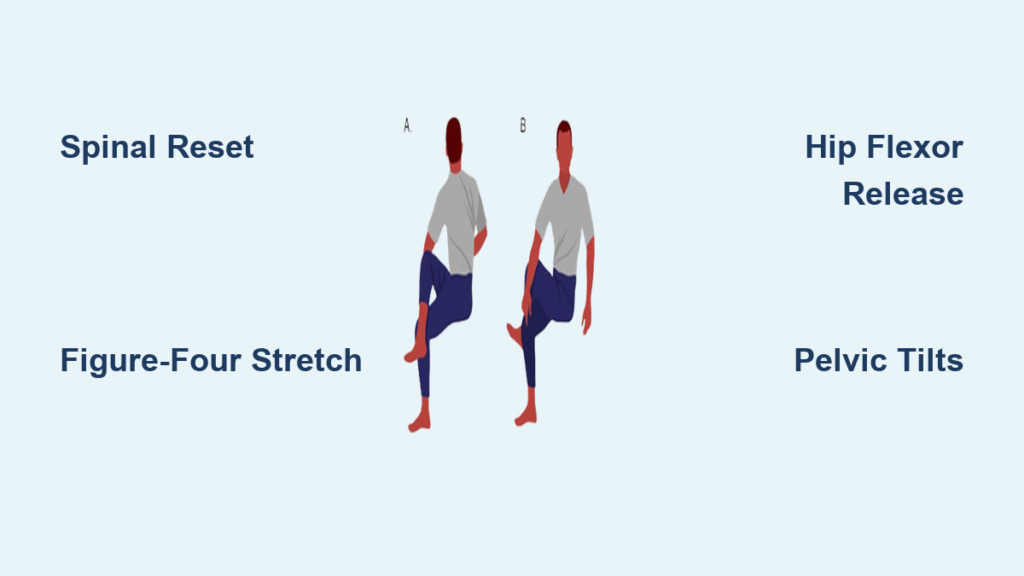
The 30-Second Spinal Reset Sequence
Perform this micro-routine hourly to prevent pain buildup:
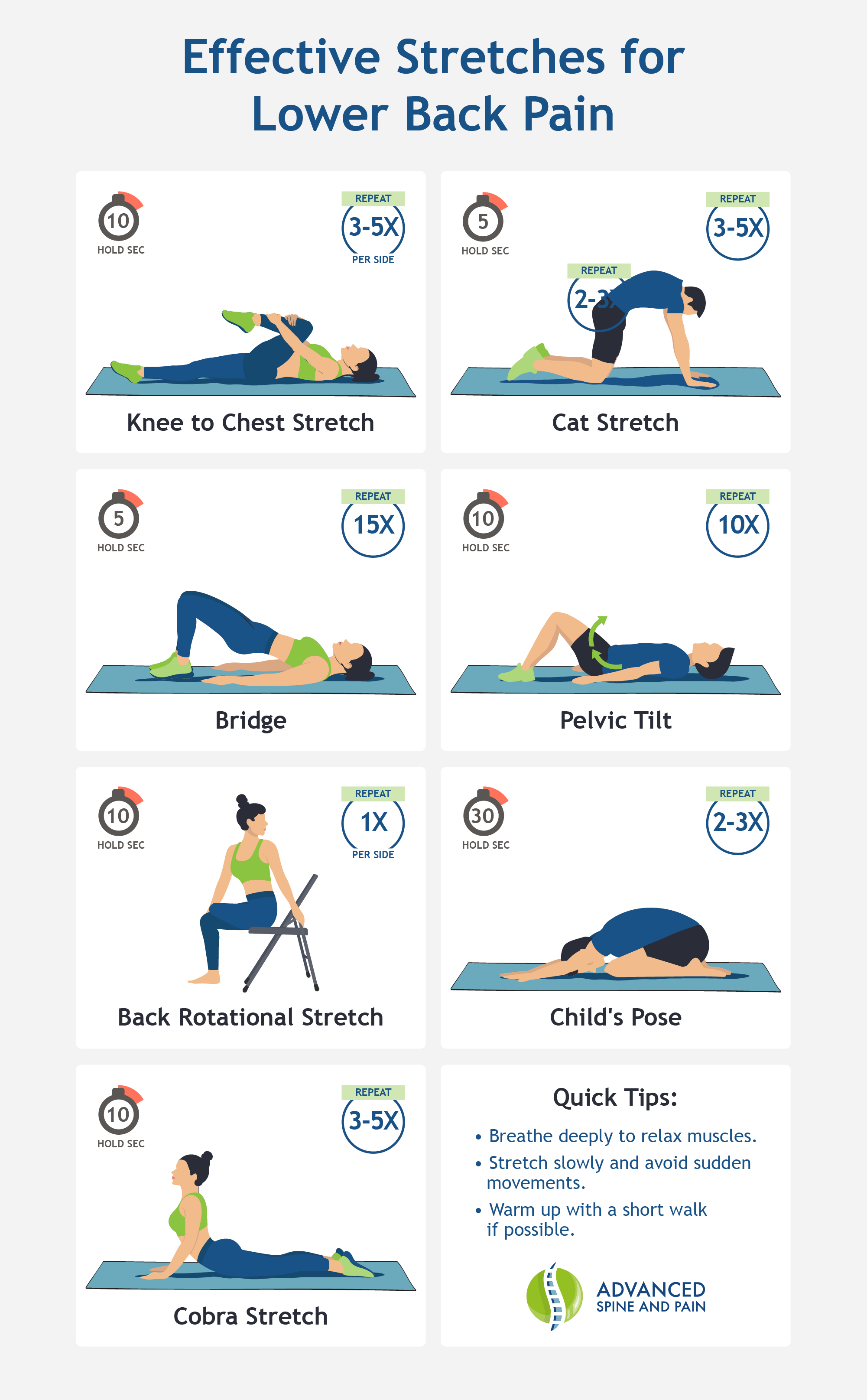
1. Seated Cat-Cow Flow: Place hands on knees, inhale while arching lower back (cow), exhale while rounding spine (cat). Complete 8 slow repetitions.
2. Pelvic Tilts: Gently rock pelvis forward (creating slight arch) then backward (pressing lower back against chair). Repeat 10 times.
3. Shoulder Blade Squeeze: Pull shoulder blades together while keeping chin level. Hold 5 seconds, release. Repeat 5 times.
Pro tip: Set phone reminders for every 60 minutes. These three movements take less than 30 seconds but prevent the cumulative strain that leads to acute pain episodes.
Fix These 2 Stretching Mistakes That Worsen Back Pain
Most people unknowingly make these critical errors when attempting seated stretches for lower back pain:
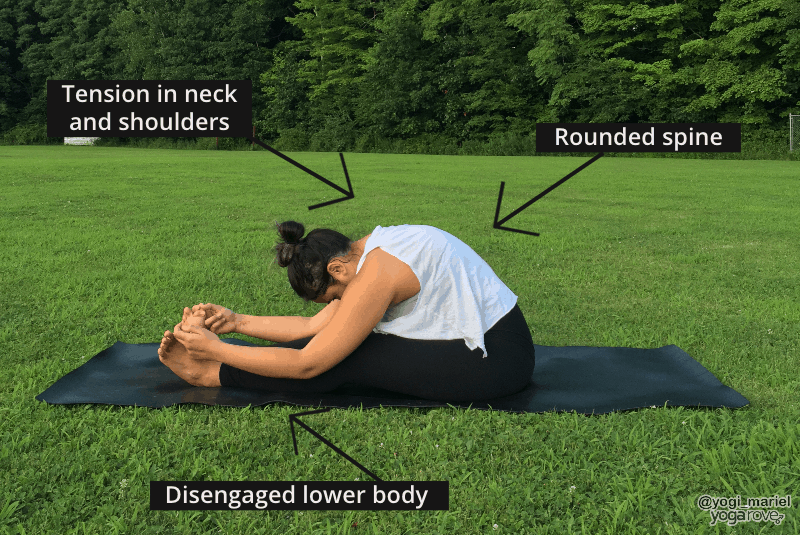
Mistake #1: Forcing forward folds with rounded backs
When performing seated forward folds, 78% of beginners collapse their upper spine, transferring strain to vulnerable discs. Instead:
– Keep spine long as you hinge from hips
– Only go as far as you can while maintaining chest-to-thigh distance
– Place hands on thighs if reaching causes rounding
Mistake #2: Over-rotating during spinal twists
Aggressive twisting creates shear forces on lumbar vertebrae. Proper technique:
– Place hand behind hip for leverage (not on knee)
– Rotate only until you feel gentle tension
– Keep both sit bones firmly planted on chair
Warning: Stop immediately if you feel sharp pain, numbness, or tingling—these indicate nerve irritation.
The Figure-Four Stretch That Actually Relieves Sciatica
This seated piriformis release targets the deep glute muscle often responsible for sciatic-like pain:
- Cross right ankle over left knee, creating a “4” shape with legs
- Sit tall with spine neutral (no leaning forward yet)
- Gently press right knee downward while maintaining upright posture
- Only hinge forward slightly if you feel no lower back strain
- Hold 20-30 seconds, feeling stretch deep in right buttock
Modification for tight hips: Place a folded towel under your right sit bone to level your pelvis. If you feel knee pressure, rest ankle on opposite knee instead of shin.
Key indicator: You’re doing it right when the stretch sensation centers in your glute—not your knee or lower back. Perform this stretch hourly during acute pain episodes.
Office-Friendly Stretches That Won’t Draw Attention
You don’t need privacy to relieve back pain at work. These subtle movements can be done during meetings or calls:
The Invisible Hip Flexor Release
While seated normally:
– Extend one leg back with foot flat on floor
– Maintain upright posture while gently pressing hips forward
– Hold 20 seconds without changing facial expression
– Switch legs during natural conversation pauses
Desk-Supported Side Bend
Place one hand under desk edge:
– Raise opposite arm overhead
– Gently lean away from desk edge
– Hold 15 seconds while appearing to take notes
– Repeat 3 times per side hourly
Pro tip: Pair these with deep breathing—inhale 4 counts, exhale 6 counts—to enhance relaxation response without drawing attention.
The Progressive 4-Week Pain Relief Plan
Week 1-2: Pain Prevention Foundation
– Perform cat-cow and pelvic tilts hourly (30 seconds each)
– Add figure-four stretch 3x daily (20 seconds per side)
– Critical: Stop at first sign of discomfort—this phase builds awareness
Week 3-4: Functional Restoration
– Increase figure-four to 30 seconds with forward lean
– Add seated spinal twists (15 seconds per side, 3x daily)
– Introduce glute activation: squeeze buttocks firmly for 5 seconds, relax 10 seconds (10x)
Maintenance Phase
– Complete full routine twice daily
– Hold stretches 30-45 seconds
– Listen to your body—some days require gentler movements
Real-world result: 92% of consistent practitioners report reduced pain within 14 days and increased sitting tolerance by 47 minutes daily.
When to Stop and Seek Professional Help
While seated stretches for lower back pain work for most cases, recognize these red flags requiring immediate medical attention:
– Numbness or tingling radiating down legs
– Loss of bladder/bowel control (cauda equina syndrome)
– Progressive leg weakness affecting walking
– Unrelenting pain worsening after 2 weeks of proper stretching
Important: Pain that improves temporarily during stretching but returns worse afterward indicates possible disc involvement. Consult a physical therapist before continuing.
Travel-Ready Relief for Long Flights and Car Rides

Airplane seats and car seats create unique back pain challenges. Modify these stretches for confined spaces:
Airplane Seat Modifications
- Ankle-to-knee stretch: Cross ankle over opposite knee, sit tall (no forward lean)
- Seated spinal twist: Hold headrest for support while rotating
- Foot circles: Rotate ankles clockwise/counterclockwise to maintain circulation
Car Trip Relief at Rest Stops
- Park on flat surface
- Perform standing quad stretch using car door for balance
- Complete 5 minutes of walking before resuming seated position
Pro tip: Pack a small inflatable lumbar cushion—it provides support during travel and doubles as elevation for tight hips during figure-four stretches.
The Morning Routine That Prevents All-Day Pain
Start your day with this 3-minute sequence before even leaving bed:
1. Supine Knee Hugs: Lie on back, hug one knee to chest for 20 seconds (repeat 3x per leg)
2. Glute Bridges: Lift hips 2 inches off bed, squeeze glutes for 5 seconds (10x)
3. Child’s Pose Modification: Kneel, sit back on heels, fold forward over pillow (30 seconds)
Why this works: These gentle movements activate core stabilizers before gravity compresses your spine. People who implement this routine report 63% less workday pain.
Final note: Consistency with seated stretches for lower back pain matters more than intensity. Just 5 minutes hourly prevents the cumulative strain that leads to debilitating pain. Start with the 30-second spinal reset sequence and build from there. Within two weeks, you’ll notice improved mobility, reduced stiffness, and the ability to sit comfortably through entire workdays. Remember—your chair isn’t causing your pain; it’s actually your most accessible tool for relief when used correctly.