
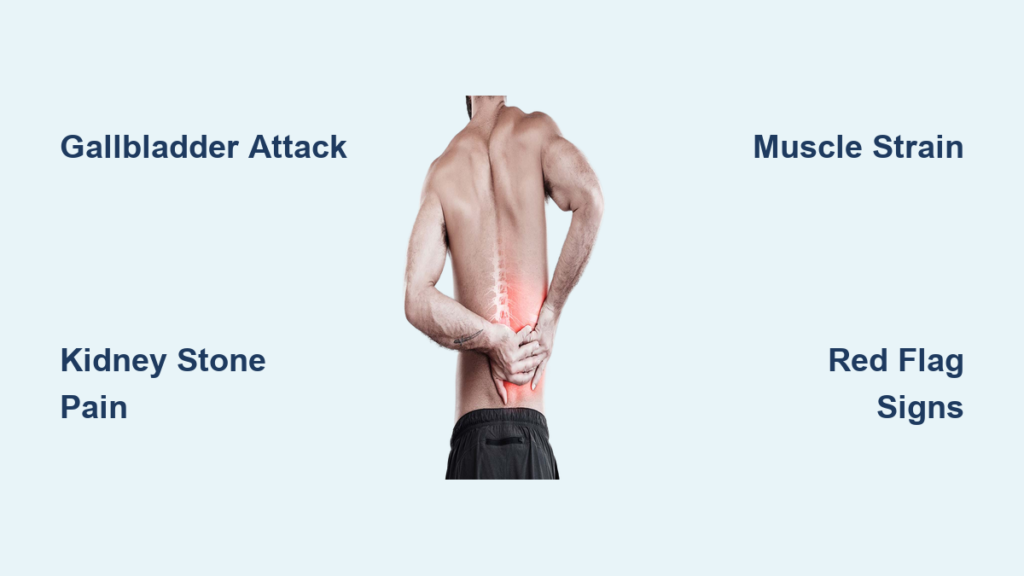
That sudden, stabbing sensation beneath your right ribs can freeze you mid-task—whether you’re bending to pick up a child or simply taking a deep breath. This sharp pain right back under ribs isn’t just annoying; it’s your body’s urgent alert that something needs attention. Ignoring it risks turning a manageable issue into a medical crisis.
Most people experience this specific pain pattern at least once, often mistaking it for muscle strain when organs like your liver, gallbladder, or kidney are actually signaling trouble. In this guide, you’ll discover exactly what structures hide behind those ribs, how to distinguish life-threatening emergencies from treatable conditions, and actionable steps to take before calling your doctor. Stop guessing—let’s decode your pain.
Anatomy Behind Your Right Rib Pain

Critical Organs in the Danger Zone
Your right back ribs shield vital structures that often trigger sharp pain right back under ribs. The liver—your largest internal organ—extends from ribs 5 to 10, with its lower edge housing the gallbladder. A single gallstone here can ignite searing pain that radiates to your shoulder blade. Below them, your right kidney nests between ribs 11–12, vulnerable to infections or stones causing flank-splitting agony.
Don’t overlook the diaphragm: this dome-shaped breathing muscle attaches to your lower ribs. When irritated by conditions like pneumonia, it refers pain upward, mimicking organ issues. Meanwhile, the quadratus lumborum—a deep back muscle—develops trigger points that feel identical to kidney pain but worsen with movement.
Musculoskeletal Pain Triggers
Ribs 8–12 form a bony “cage” protected by intercostal muscles. Strain these during heavy lifting, and you’ll feel sharp pain right back under ribs with every breath or twist. The costovertebral joints—where ribs meet your spine—are equally trouble-prone; inflammation here creates pinpoint tenderness when you press your thumb along the spine.
Unlike organ pain, musculoskeletal issues stay localized. If pain intensifies only when you cough, sneeze, or stretch backward—and eases when resting—muscle strain or rib inflammation is likely the culprit. No fever or nausea? That’s your first clue it’s not an emergency.
Common Causes of Sharp Pain Right Back Under Ribs
Gallbladder Attack Patterns
Gallbladder trouble announces itself unmistakably. Acute cholecystitis (inflamed gallbladder) starts as pressure under your ribs after a fatty meal, escalating to knife-like pain that wraps around to your back. You’ll feel nauseated, possibly vomiting, with pain worsening when lying flat. Gallstones cause different agony: intense cramping in 15–60 minute waves, often striking at night.
Pro tip: Press your fingers under the right ribcage while inhaling deeply. If sharp pain stops your breath (Murphy’s sign), seek same-day medical care—this suggests infection requiring antibiotics.
Kidney Crisis Indicators
Kidney stones create some of medicine’s most excruciating pain. You’ll feel a sharp, colicky stab in your flank that radiates toward your groin, making you pace restlessly. Blood-tinged urine or urgent, painful urination confirms kidney involvement. In contrast, pyelonephritis (kidney infection) delivers a constant, dull ache with fever over 101°F and chills.
Warning: If tapping the area where your 12th rib meets your spine (costovertebral angle) intensifies pain, don’t wait—this signals infection needing IV antibiotics.
Musculoskeletal Misfires
Intercostal muscle strains cause sharp pain right back under ribs that flares with breathing, laughing, or twisting. Press between ribs 8–10; if pinpoint tenderness matches your pain location, it’s likely muscular. Costochondritis—inflamed rib cartilage—creates similar pain but worsens when pressing on the front ribcage near your breastbone.
Time-saver: These issues typically resolve in 1–3 weeks with rest. If pain persists beyond 10 days, see a doctor to rule out hidden fractures or nerve compression.
Pain Clues That Demand Action
:max_bytes(150000):strip_icc()/dodpainscale-41235226060b4ec69471b232f1ffb4e2.jpg)
Timing Tells the True Story
- Sudden, severe pain at 3 AM after pizza? Classic gallstone attack—get evaluated today.
- Gradual ache over 3 days with fever? Kidney infection needs antibiotics within 24 hours.
- Pain only when lifting boxes? Muscle strain; rest for 48 hours before resuming activity.
Colicky pain (waves of intensity) points to stones, while constant pain suggests inflammation. Tearing pain radiating down your back? Call 911—this could indicate aortic dissection.
Red Flags You Can’t Ignore
Seek emergency care immediately for:
– Fever over 101.5°F with flank pain (kidney infection)
– Jaundice (yellow skin/eyes) signaling bile duct blockage
– Inability to keep fluids down for 12+ hours (risk of dehydration)
– Chest tightness with shortness of breath (possible pulmonary embolism)
Critical note: If pain is so severe you’re curled in a fetal position, don’t drive yourself. Call 911—this intensity often means surgical emergencies like ruptured appendix or gallbladder.
Home Management That Actually Works
Targeted Pain Relief
- For gallbladder flares: Sip clear broth or ginger tea. Avoid all fats—even avocado—for 24 hours. Lie on your left side with knees bent to reduce pressure.
- For kidney stones: Drink 8 oz of water hourly. Take acetaminophen (not NSAIDs if kidney issues exist). Walk gently to encourage stone passage.
- For muscle strains: Ice for 20 minutes, then heat. Use ibuprofen 400mg every 8 hours if no kidney/liver disease.
Avoid this mistake: Never apply heat during the first 48 hours of muscle strain—it worsens inflammation. Ice first, then switch to heat after swelling peaks.
Smart Positioning for Comfort
- Gallbladder pain: Left-side lying with pillow under knees
- Kidney stone pain: Rock gently in a warm bath or use a heating pad on “low”
- Rib strain: Sleep flat with a pillow under your knees to reduce spinal tension
Emergency Signs for Sharp Pain Right Back Under Ribs
Call 911 If You Have:
- Tearing pain radiating to your abdomen or legs (aortic dissection)
- Chest pressure with sweating or arm numbness (heart attack)
- Inability to breathe deeply without vomiting
Go Straight to ER For:
- Fever + flank pain + blood in urine (pyelonephritis)
- Jaundice + severe pain (biliary obstruction)
- Pain lasting >6 hours with vomiting (possible acute cholecystitis)
Key insight: ERs prioritize based on pain scores. Describe your pain as “sharp, unrelenting, and 8+/10 severity” to jump the queue—this signals possible surgical emergency.
Medical Evaluation Decoded
What Tests to Expect
Doctors start with targeted exams:
1. Murphy’s sign test: Palpating under ribs during inhalation
2. Costovertebral percussion: Tapping kidney area for tenderness
3. Urine dipstick: Checking for blood/infection
Then, imaging:
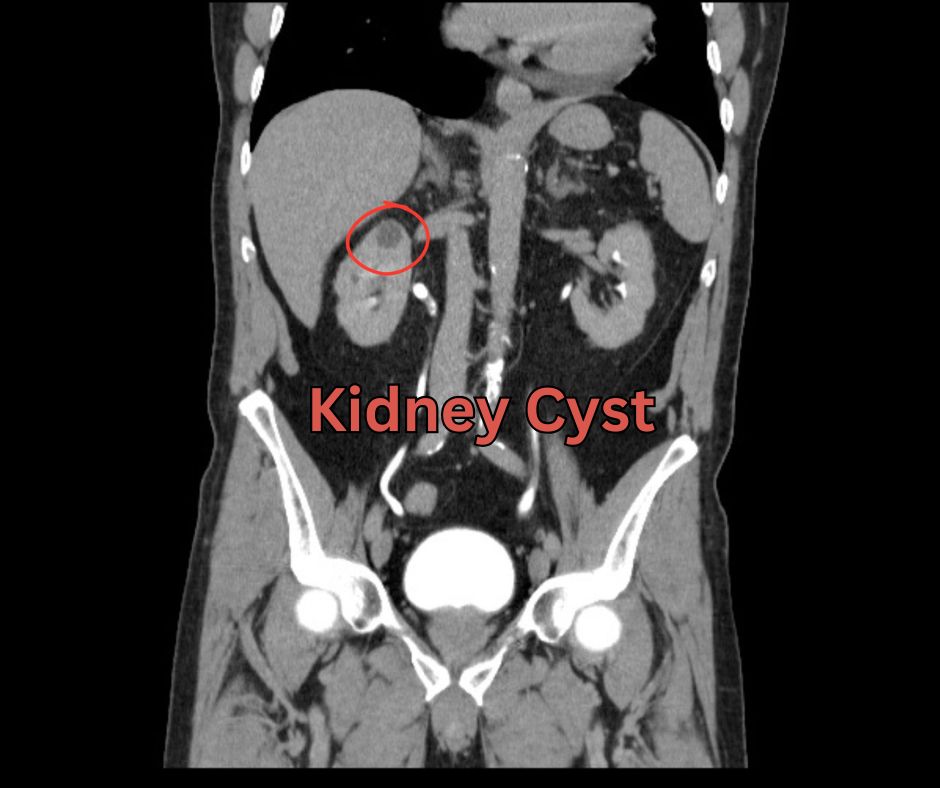
– Ultrasound: First-line for gallbladder/kidney issues (no radiation)
– CT scan: Used if stones or appendicitis are suspected
– Blood tests: Liver/kidney panels and white blood cell counts
Pro tip: Bring a symptom diary noting pain triggers, timing, and what relieves it—this speeds diagnosis by 30%.
Prevention Strategies That Work
Stop Gallbladder Pain Before It Starts
- Eat <30g fat daily (avoid fried foods, creamy sauces)
- Drink 8 glasses of water; dehydration concentrates bile
- Lose weight slowly (1–2 lbs/week)—rapid loss triggers stones
Kidney Stone Defense Plan
- Target pale-yellow urine by drinking 2.5 liters daily
- Limit sodium to 1,500mg (skip processed snacks)
- Get calcium from food (yogurt, broccoli)—not supplements
Back Muscle Protection
- Lift properly: Bend knees, keep objects close, avoid twisting
- Strengthen weekly: Planks (3 sets of 30 seconds) and bird-dogs
- Ergonomic fix: Raise your laptop to eye level to prevent slouching
Long-Term Outlook
Most causes resolve fully with treatment:
– Gallbladder removal: 90% return to normal activity in 2 weeks
– Kidney stones: 80% pass within 2 weeks; prevent recurrence with hydration
– Muscle strains: 95% heal in 6 weeks with physical therapy
Critical follow-up: After kidney stones, get a 24-hour urine test to pinpoint metabolic causes. For recurrent gallbladder pain, schedule elective surgery before emergencies strike.
Final note: That sharp pain right back under ribs is your body’s alarm system—not something to Google at 2 AM. Use this guide to act decisively: try home strategies for muscular pain, but when red flags appear, seek help immediately. Most conditions respond best to early intervention, turning potential crises into manageable fixes. Keep this page bookmarked—it could save your next ER trip.