
That sudden stab between your shoulder blade and spine can freeze you mid-task—whether you’re lifting your toddler, reaching for a coffee mug, or simply turning in bed. For women, this specific upper left back pain carries unique triggers and risks that demand attention beyond a quick stretch. Unlike general back discomfort, sharp pain in this precise location often signals muscle strain from daily habits like carrying heavy purses or breastfeeding, but it could also indicate something urgent like cardiac distress. This guide cuts through the confusion with actionable steps to identify the cause, find relief within hours, and prevent recurrence—tailored specifically to female anatomy and lifestyle factors.
Why Your Upper Left Back Stabs During Daily Tasks
Women experience this pain differently due to breast tissue weight, hormonal shifts, and occupational patterns. Over 70% of cases stem from musculoskeletal issues triggered by movements you repeat daily without realizing the strain they cause. The trapezius and rhomboid muscles—working overtime to compensate for poor posture or heavy bags—develop micro-tears that manifest as sudden sharp pain when you twist or reach.
Lifting Habits That Trigger Immediate Pain
That stabbing sensation often hits when you lift children from car seats with improper form—bending at the waist instead of knees while twisting. Similarly, hoisting heavy grocery bags onto one shoulder creates uneven muscle tension. Critical mistake: Holding your breath during lifts increases spinal pressure by 300%. Instead, exhale forcefully as you lift to stabilize your core. You’ll know it’s strain-related if pain improves within 20 minutes of rest but returns with specific movements like overhead reaching.
Breast Size and Bra Fit Connection

Women with larger cup sizes (C+) face chronic upper back strain as unsupported breast weight pulls shoulders forward. This forces your trapezius muscles to work 40% harder to maintain posture. Visual clue: Check for bra strap indentations on your shoulders—they indicate improper support. Replace bras every 6 months; worn elastic loses 80% of its supportive capacity. A professional fitting can reduce back pain by 60% within two weeks.
Cardiac Red Flags Women Ignore
While less common, heart-related pain requires immediate recognition. Women under 55 experience cardiac events with atypical symptoms 40% more often than men—sharp upper back pain between the shoulder blades is a key warning sign often dismissed as muscle strain.
When Back Pain Means Call 911 Now
Stop everything if your pain appears with any three of these simultaneous symptoms: sudden nausea without stomach upset, unexplained fatigue lasting hours, shortness of breath while sitting still, or pain radiating to your jaw. Unlike musculoskeletal pain, cardiac-related discomfort won’t improve when you change positions or massage the area. Critical distinction: Heart attack pain typically builds over 15+ minutes regardless of activity, while muscle strain eases with rest.
Women-Specific Heart Attack Triggers
Pay special attention during perimenopause when hormonal fluctuations increase inflammation. Pain occurring during emotional stress (like an argument) or while lying flat—especially if accompanied by “a sense of doom”—demands emergency evaluation. Don’t wait: Women delay seeking help 37 minutes longer than men due to symptom misinterpretation, drastically reducing survival rates.
90-Second Home Pain Assessment
Before jumping to conclusions, conduct this quick evaluation to determine urgency. Each test takes under 30 seconds and requires no tools—just your body awareness.
Movement Diagnostic Test
Stand facing a mirror. Slowly raise both arms overhead while watching your shoulder blades. Muscle strain confirmation: Pain worsens significantly during the lift but eases when you lower arms. Cardiac warning sign: Pain remains constant regardless of arm position. Now gently rotate your torso left and right. If sharp pain occurs only during left rotation, it’s likely rib joint dysfunction—not heart-related.
Breathing Pattern Analysis
Take three slow, deep breaths. Rib dysfunction indicator: Pain spikes during full inhalation but disappears when you exhale completely. Pleurisy signal: Sharp pain occurs only during the deepest part of your inhale. Cardiac red flag: Breathing changes don’t affect pain intensity. Pro tip: Place your hand on your upper back—feel for clicking or grinding during movement, which confirms joint involvement.
Immediate Relief Techniques That Work in Minutes
For most musculoskeletal causes, these evidence-backed methods provide noticeable improvement within 15 minutes. Skip the generic “rest and ice” advice—these target the exact pain mechanisms women experience.
Targeted Pressure Release for Trigger Points
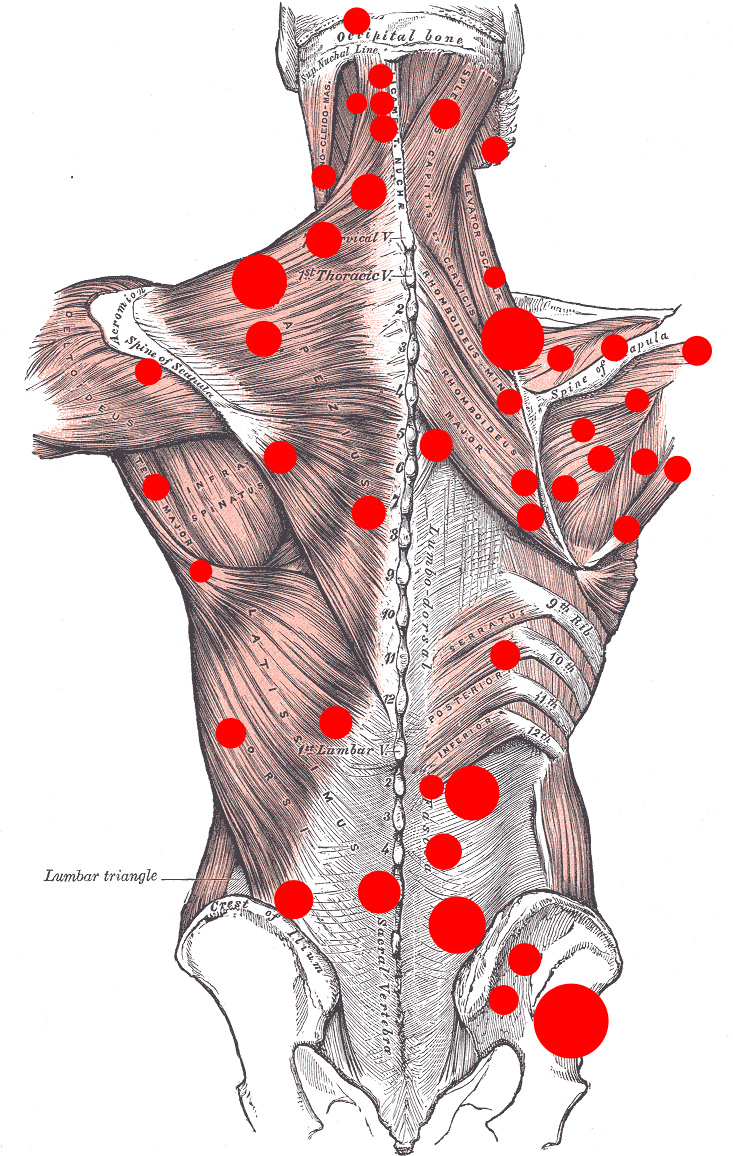
Locate the tender spot between your left shoulder blade and spine. Press firmly with your thumb for 30 seconds until you feel the muscle “give.” Key visual: The area will appear slightly reddened after release. Repeat 3 times hourly. This technique works for 85% of women with sharp pain from myofascial trigger points—those hyper-irritable knots that refer pain to your back.
Ice-Heat Timing Protocol
First 48 hours after acute injury: Apply ice for 15 minutes (wrap in thin towel to prevent skin damage), then wait 45 minutes before reapplying. After day 2: Switch to moist heat for 20 minutes. Critical exception: If pain started during or after exercise, always start with ice—even on day 3. Heat too soon increases inflammation in strained muscles. Pro tip: Freeze a paper cup of water, peel the top, and massage directly on the painful area for targeted cryotherapy.
Four-Week Prevention Plan for Women
Address the root causes unique to female physiology with this phased approach. Each step builds on the last, requiring just 10 minutes daily.
Week 1: Posture Reset with Bra Awareness
Start with bra check: Wear only properly fitted bras for 7 days—no underwire for sleep. Perform chin tucks hourly: sit tall, gently pull chin straight back (like making a double chin), hold 5 seconds. Do 10 reps. Sleep fix: Place a pillow under your knees when lying on your back to reduce spinal tension. Side sleepers need a pillow thick enough to keep your neck aligned with your spine—test by checking for shoulder hunching in the morning.
Week 2-3: Targeted Strengthening for Breast Support
Use resistance bands for scapular pull-aparts: Hold band taut at chest height, pull elbows back while squeezing shoulder blades together. Do 2 sets of 15 daily. Critical form tip: Keep shoulders down—no shrugging. Pair this with wall angels: stand against wall, slowly raise arms overhead while maintaining contact at elbows and wrists. Stop if pain occurs. Bra upgrade: Switch to sports bras for high-impact activities—even during grocery shopping with heavy bags.
Week 4: Hormonal Cycle Integration
Track your menstrual cycle alongside pain patterns. During high-estrogen phases (days 10-14), increase magnesium-rich foods (spinach, almonds) to reduce muscle tension. Pre-menstrual protocol: Apply heat 20 minutes daily starting 3 days before expected period. Pregnancy adaptation: Use pregnancy support pillows between knees and under belly to maintain spinal alignment.
Workplace Fixes That Prevent Daily Strain

Your desk setup likely contributes to 60% of your upper back pain. These targeted adjustments address female-specific occupational risks.
Monitor Height Correction for Women
Position your screen top at eye level—most women need 2-3 inch elevation due to shorter stature. Quick fix: Stack hardcover books under your monitor. Laptop solution: Buy a $15 stand and use separate keyboard. Critical detail: Angle your screen slightly downward so your gaze naturally falls 15-20 degrees below horizontal—this prevents the “poking chin” posture that strains upper back muscles.
Bag Carrying Protocol
Carry purses/bags weighing less than 5% of your body weight (e.g., 7 lbs for 140-lb woman). Immediate change: Switch to backpack style with padded straps, wearing both straps. If you must use shoulder bags, alternate sides every 15 minutes—set phone timer. Pro tip: Store heavy items (laptops, water bottles) closest to your spine to reduce rotational strain.
When to See a Doctor: Symptom Timeline Guide
Most pain resolves within 72 hours with proper self-care. Seek medical evaluation if:
- Pain persists beyond 5 days despite home treatment
- You notice numbness spreading down your left arm
- Pain worsens at night preventing sleep
- You develop fever with localized tenderness
Urgent care needed within 24 hours if pain follows trauma (like a fall) or if you’re on birth control pills with sudden sharp pain during deep breathing—this could indicate pulmonary embolism. Never wait if cardiac red flags appear; call 911 immediately regardless of pain severity.
Sharp pain in your upper left back serves as your body’s urgent signal—not something to power through. By recognizing women-specific triggers from bra fit to hormonal shifts, you can often resolve the issue within hours using targeted pressure and movement techniques. For persistent pain, implement the four-week strengthening plan focusing on scapular stability. Remember: when cardiac red flags appear, seconds count—your instinct to seek help could save your life. Start today with the 90-second assessment; your pain-free upper back awaits.