

That sharp jab between your shoulder blades after dinner. The crampy ache in your lower back that vanishes after a bathroom trip. Gas pain masquerading as back discomfort tricks millions into treating the wrong problem. When trapped intestinal gas builds pressure, it radiates through shared nerve pathways—making your back scream while your gut holds the real culprit. Recognizing these specific patterns stops wasted hours on ice packs and back stretches when digestive relief is what you truly need. You’ll learn to distinguish gas-related back pain from muscle strains or serious conditions within minutes, armed with location-specific clues and immediate self-tests.
Sharp Back Pain That Tracks Your Digestive Timeline
Gas-induced back discomfort never strikes randomly. Its appearance within 2-6 hours after specific meals is your first diagnostic clue. Unlike injury-related pain, this discomfort builds gradually as gas accumulates, peaks with visible abdominal bloating, and vanishes within 15-30 minutes after passing gas. Crucially, it won’t worsen when you twist or bend—a key differentiator from spinal issues.
Upper Back Pressure After Carbonated Drinks
That burning sensation between your shoulder blades after soda or sparkling water? It’s immediate intestinal distension pressing against your diaphragm. You’ll notice:
– Wave-like pain intensifying when lying flat
– Frequent belching that temporarily eases the pressure
– Relief within 5 minutes when sitting upright (gravity helps gas escape)
Lower Back Cramps From Beans or Broccoli
High-fiber foods trigger delayed gas production. When this happens in your descending colon, you’ll feel:
– Crampy left-flank pain mirroring abdominal bloating on that side
– Pain shifting toward your hip as gas bubbles move
– Visible distension worsening when sitting (compression traps gas)
Location-Specific Pain Patterns That Reveal the Source
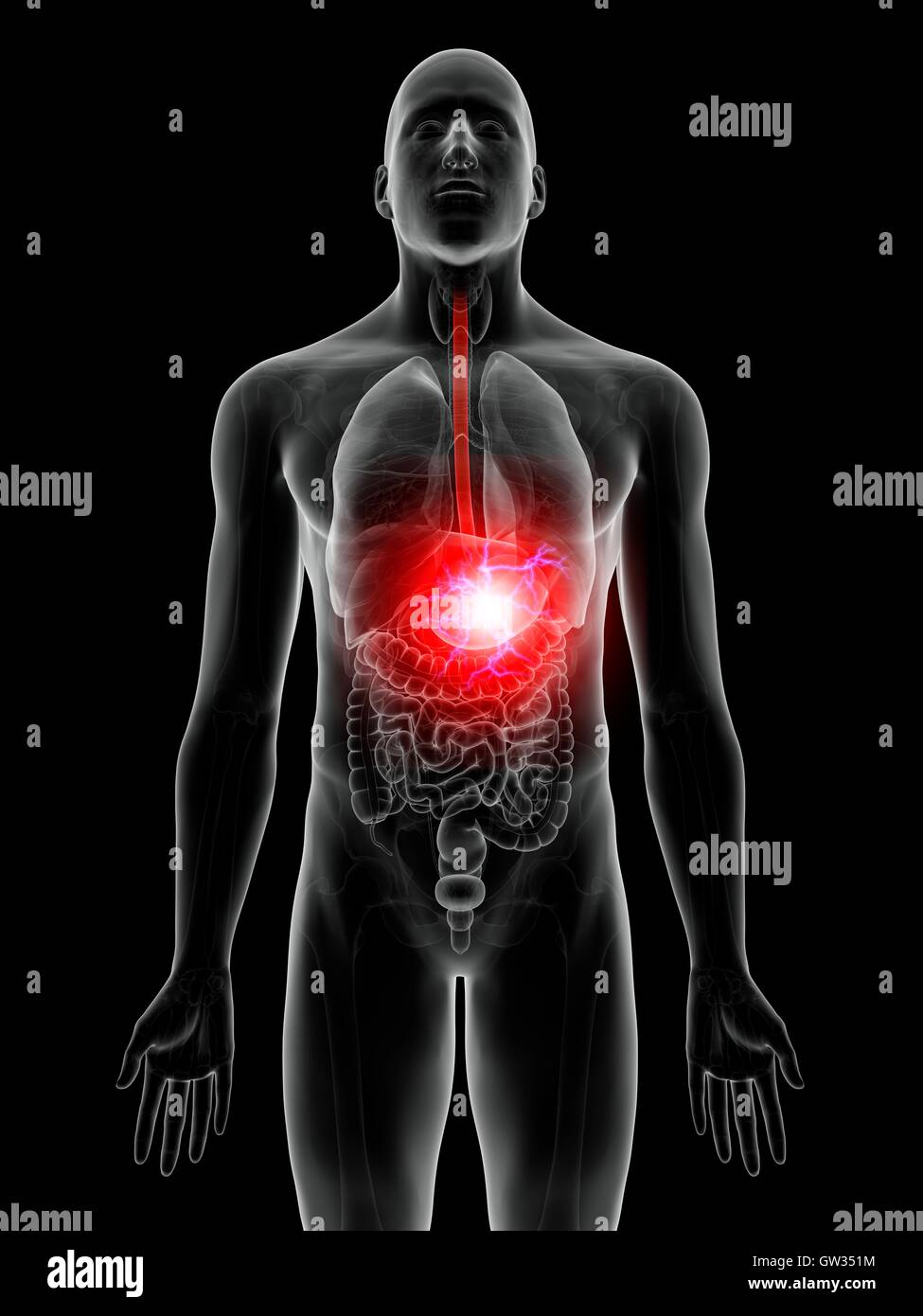
Where you feel the pain exposes exactly which digestive segment is gassy. These anatomical connections don’t lie.
Between Shoulder Blades: Stomach Gas Overload
Upper back pain centered between your shoulder blades signals stomach distension. When gas swells your stomach, it pushes against your diaphragm, radiating pressure backward. This feels like:
– A tight band across your upper back that improves instantly when you burp
– Burning behind your breastbone that deepens when bending forward
– Fullness under your ribs that eases when walking (gravity-assisted relief)
Left Flank Pain: Splenic Flexure Gas Trap
Gas trapped at your colon’s sharp left turn (near the spleen) creates distinctive symptoms. You’ll experience:
– Stabbing pain in your left lower back that worsens after dairy or beans
– Visible bulging on your left side when bloated
– Relief within 10 minutes when lying on your left side (gravity moves gas downward)
Right Flank Discomfort: Hepatic Flexure Mimicry
Gas at your colon’s right bend often masquerades as gallbladder attacks. Telltale signs include:
– Sharp pain under your right ribs radiating straight to your back
– No relief from antacids (unlike true gallbladder pain)
– Intensification after fatty meals, not physical activity
Movement-Independent Pain That Defies Back Pain Logic
Gas-related back pain laughs at standard musculoskeletal treatments. Its refusal to respond to movement changes is a dead giveaway:
Gas pain persists when:
– Stretching provides zero relief (unlike muscle strains)
– Massaging your back muscles does nothing
– Pain stays identical whether standing, sitting, or lying down
– Heat pads on your back offer no comfort (but abdominal heat helps)
Musculoskeletal pain shows these clues:
– Specific movements trigger sharp pain (e.g., twisting)
– Pressing on spinal muscles recreates the ache
– Rest or targeted stretches bring noticeable improvement
– Pain lingers for days without digestive symptoms
Digestive Red Flags Confirming Gas as the Culprit
Gas pain never travels alone. These accompanying signs prove your back pain is digestive:
Audible Gut Sounds That Mirror Your Pain
Listen for gurgling or rumbling coinciding with back pain waves. When you hear loud intestinal noises (borborygmi), your back pain will often:
– Intensify during active digestion sounds
– Subside after loud gas movement through intestines
– Return with the next wave of bowel activity
Visible Bloating That Matches Pain Location
Your abdomen reveals the pain’s origin. Check for:
– Left-sided distension when left-back pain strikes
– “Pregnant belly” appearance 2-3 hours after trigger foods
– Temporary flattening after passing gas (with simultaneous back pain relief)
Immediate Relief After Gas Release
The golden rule: If back pain vanishes within 5 minutes after:
– Passing gas
– Having a bowel movement
– Belching deeply
…you’ve confirmed gas as the source. Track how quickly relief comes—it’s diagnostic.
Female-Specific Gas Pain Triggers You Must Know

Hormones dramatically alter gas-related back pain patterns for women:
Premenstrual Gas Buildup
During the luteal phase (1-2 weeks before your period), progesterone slows digestion. This causes:
– Increased lower back pressure 3-5 days pre-period
– Pain worsening with constipation (common premenstrually)
– Complete relief within 24 hours of period start as progesterone drops
Third-Trimester Pregnancy Patterns
As your uterus expands, it compresses intestines against your spine. You’ll notice:
– Lower back pain intensifying after meals (especially dinner)
– Relief when lying on your left side (reduces uterine pressure)
– Simultaneous heartburn and back pressure as stomach gets squeezed upward
Danger Signs: When Back Pain Isn’t Just Gas
While gas causes most “mystery back pain,” these symptoms demand immediate medical attention:
Seek ER care NOW for:
– Chest pain radiating to back + sweating/nausea (heart attack)
– Back pain with unrelenting severity (not eased by gas release)
– Bloody or black stools with back discomfort
– Jaundice (yellow skin/eyes) + right-back pain
Gas vs. Appendicitis/Kidney Stones:
– Gas pain shifts locations; appendicitis pain fixates in right lower abdomen
– Kidney stone pain shoots to groin; gas pain stays in back/abdomen
– Gas pain improves with movement; kidney stone pain worsens with walking
Positional Relief That Confirms Gas Origin
Try these positions during active pain for instant diagnosis:
Knee-to-Chest Gas Release
Lie flat, pull knees to chest, and hold 5 minutes. Gas confirmation: Back pain eases within 3 minutes as trapped gas moves. Pro Tip: Place a pillow under hips to tilt pelvis upward.
Left-Side Lying for Left-Back Pain
Lie on your left side with knees bent. Why it works: Gravity pulls gas through your descending colon. Relief within 10 minutes confirms splenic flexure gas.
Post-Meal Walking Protocol
Walk 10 minutes immediately after eating. Prevention bonus: Reduces gas-related back pain by 70% when done consistently (per digestive motility studies).
Food Trigger Tracking for Permanent Relief

Stop guessing which foods cause your back pain:
The 3-Day Trigger Test:
1. Eat normally for 3 days while logging all foods + back pain intensity (1-10 scale)
2. Eliminate top suspect foods (beans, broccoli, dairy) for 72 hours
3. Reintroduce one food daily—note back pain return within 6 hours
Top Gas-Producing Culprits:
– Carbonated drinks (immediate upper back pressure)
– Lentils/beans (delayed left-back cramps at 4-6 hours)
– Dairy (in lactose-intolerant: right-back pain + bloating)
– Artificial sweeteners (sorbitol/xylitol cause all-day pressure)
Weather-Related Gas Pain Flare-Ups
Barometric pressure changes directly impact gas expansion. You’ll notice:
– Increased back pain during storms (low pressure = gas expands)
– Worse symptoms at high altitudes (airplane flights = trapped gas)
– Relief when pressure stabilizes (post-storm calm)
Quick fix: Chew ginger gum during pressure changes—it relaxes intestinal muscles to move gas.
Understanding these precise signs transforms confusing back pain into solvable digestive discomfort. When your pain follows meals, shifts with gas movement, and vanishes after relief—not rest or stretching—you’ve pinpointed the true cause. Start tracking food triggers today, use positional relief during attacks, and within weeks, you’ll stop treating phantom back injuries. Most importantly, recognize the rare but critical red flags that demand immediate care. Your back pain isn’t “in your head”—it’s your gut sending signals you’re finally equipped to decode.