
That nagging ache in your lower back ruins everything—bending to tie shoes, sitting through meetings, even tossing and turning at night. Forget expensive gadgets; your solution might be gathering dust in the corner: a stability ball. Used correctly, this versatile tool decompresses spinal discs while activating the deep core muscles that act as your body’s natural back brace. Below are 13 clinically proven stability ball exercises for back pain relief, arranged from pain-safe beginner moves to advanced spinal protectors. No gym required—just 10 minutes daily to reclaim pain-free movement.
Select Your Stability Ball Size Correctly
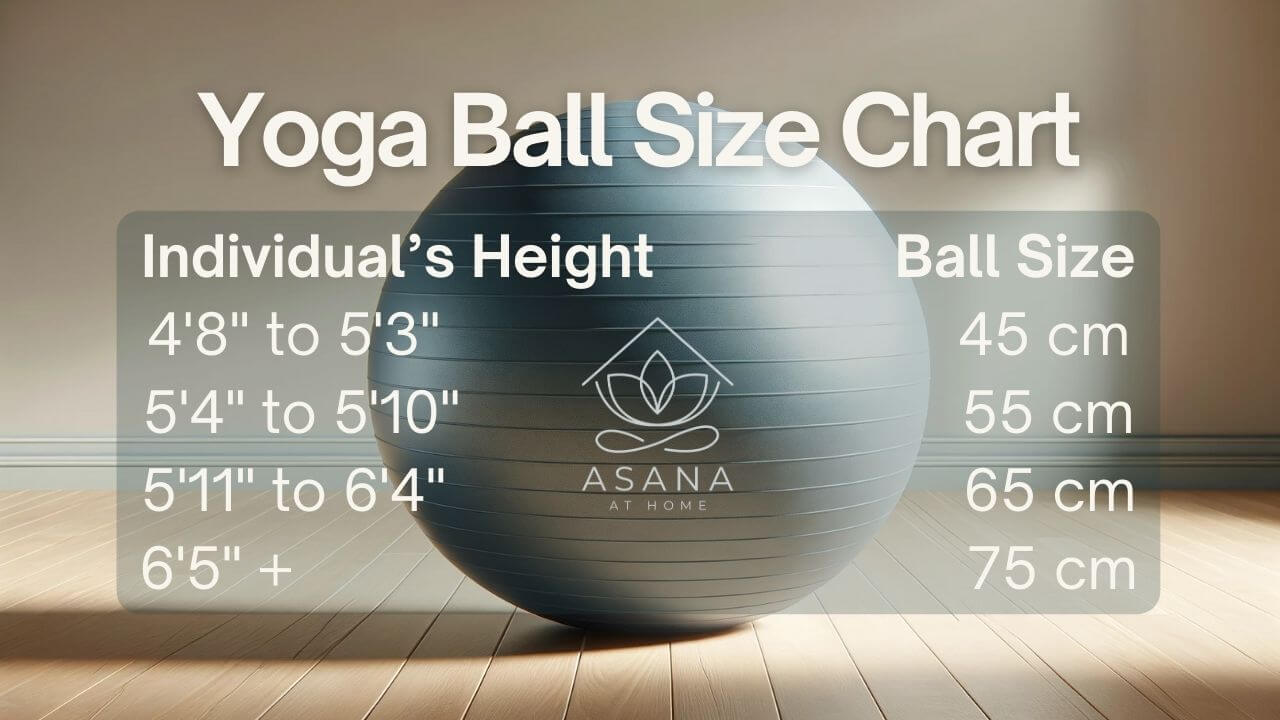
Choosing the wrong size sabotages every exercise. Sit barefoot on your inflated ball with feet flat. Your knees must form a perfect 90-degree angle—like the letter L—with hips level or slightly below knees. Too high? Deflate slightly. Too low? Add air. Never skip this step; improper sizing strains ligaments.
Stability Ball Sizing Chart
– Under 5’4″: 55 cm ball
– 5’4″–5’11”: 65 cm ball
– Over 6′: 75 cm ball
Neutral Spine Foundation for Pain-Free Movement
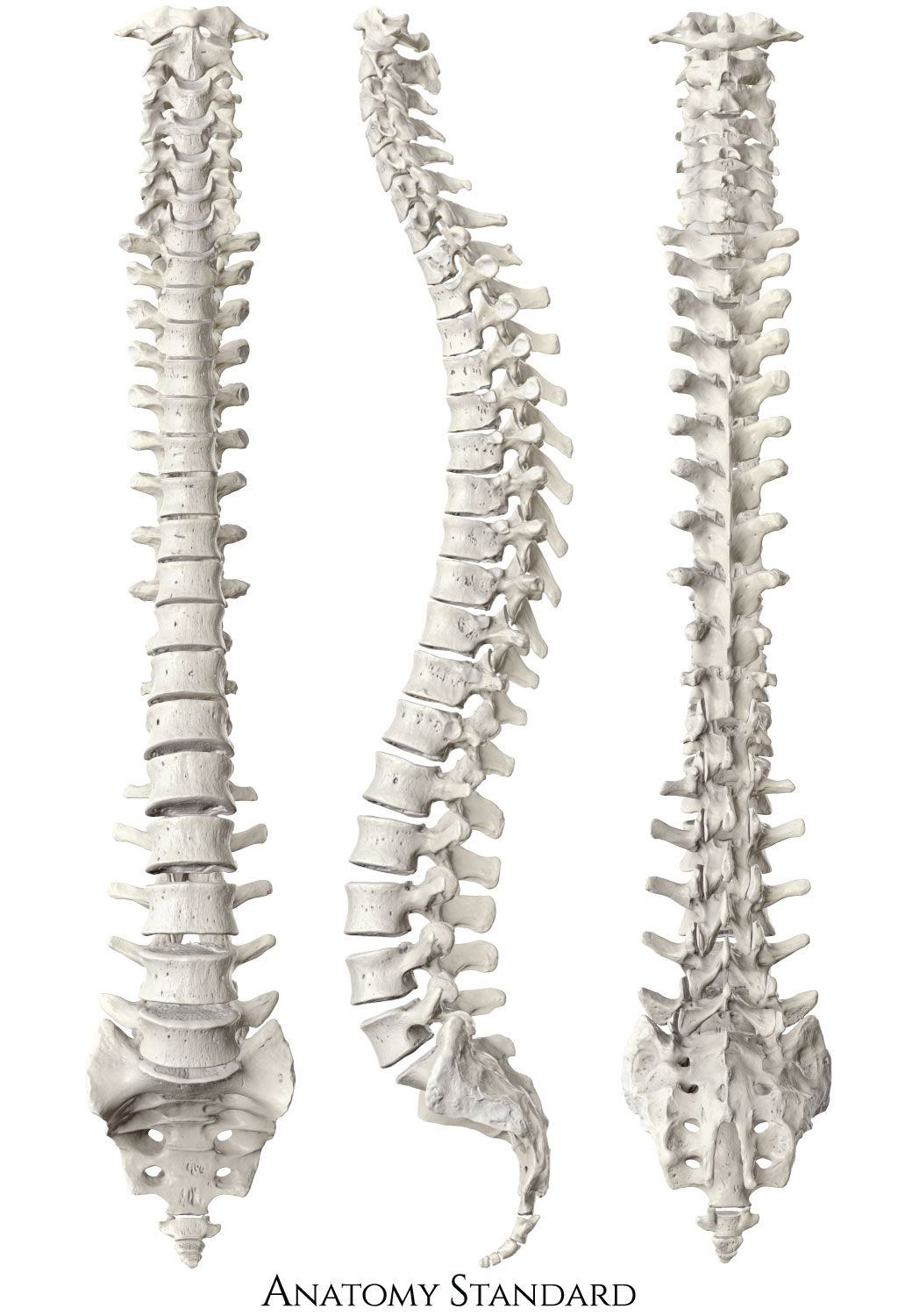
Your spine’s “sweet spot” prevents re-injury during stability ball exercises for back pain. Sit tall on the ball, feet hip-width. Tilt pelvis forward to round your back (imagine tucking tailbone under), then arch backward (pushing belly forward). The pain-free midpoint is neutral spine—your non-negotiable starting position. Memorize this alignment: it’s your spine’s armor.
Critical Neutral Spine Cues
– Crown of head lifted toward ceiling (no chin jut)
– Shoulder blades gently pulled down away from ears
– Core engaged as if zipping a tight pair of jeans
– Weight evenly distributed through both sit bones
Seated Pelvic Circles to Lubricate Stiff Joints
This gentle motion hydrates spinal discs while waking dormant core stabilizers. Sit tall, hands resting lightly on thighs. Initiate movement solely from hips—keep shoulders still. Circle hips slowly clockwise 8 times, as if hula hooping. Reverse direction for 8 counterclockwise circles. Move through full pain-free range; smaller circles if dizziness occurs.
Pro Tip: Fix your gaze on a wall object to prevent disorientation. Stop immediately if sharp pain shoots down legs.
Single-Leg Knee Extensions for Core Endurance
Builds spinal support without compressing discs. Sit upright, hands gripping ball sides. Straighten right knee until foot hovers level with left ankle, keeping toes pointed up. Lower with control. Alternate legs for 10 reps per side. Progress by resting hands on thighs or behind head—but never let hips rock or back arch.
Critical Form Fix: Imagine balancing a book on your head. If it falls forward or backward, you’re losing neutral spine—reset immediately.
Roll-Up with Ball for Safe Abdominal Strengthening
Targets upper abs without neck strain. Lie on back, knees bent, feet flat. Place stability ball on thighs, hands high on ball with elbows wide. Exhale as you peel shoulder blades off the floor, rolling ball toward knees. Inhale to slowly lower. Complete 10 controlled reps.
Neck-Saving Modification: If chin juts forward, place one palm behind your head for light support—never pull on neck.
Ball Curl for Lower Abdominal Activation
Strengthens the “corset” around your spine. Lie flat, ankles resting on ball, legs straight. Press heels into ball, bend knees to roll it toward glutes. Pause, then extend legs back out with deliberate control. Keep ball path straight—no wobbling. Do 12 reps.
Why This Works: Engaging lower abs prevents the “muffin top” pelvic tilt that stresses lumbar discs during daily movements.
Bridge with Ball Under Legs for Spinal Decompression
Elevates hips to relieve disc pressure while strengthening glutes. Lie on back, calves resting on ball (beginner) or heels on ball (advanced). Press arms into floor, engage core, and lift hips until shoulders-knees-ankles form a straight line. Hold 6 seconds while breathing steadily. Lower slowly. Repeat 10 times.
Visual Cue: Picture balancing a full tray of water on your pelvis—any sag or hike spills it.
Praying Mantis Stretch for Thoracic Mobility
Releases tight upper back muscles that pull shoulders forward, worsening lower back strain. Kneel upright with ball in front. Clasp hands, rest forearms on ball. Roll ball forward while lowering chest, keeping hips over knees and back flat. Hold 20 seconds, breathing deeply into ribs. Return slowly.
Wall Modification: Place ball on a sturdy couch edge to reduce forward lean if knees hurt.
Wall Squat with Ball for Functional Strength
Builds glute and quad power to reduce spinal load during daily tasks. Tuck stability ball between mid-back and wall. Step feet 12 inches forward, shoulder-width. Squat slowly as if sitting in a chair, rolling ball down wall. Stop when thighs parallel floor (or sooner if knees ache). Drive through heels to stand. Complete 10 reps.
Knee Protection Rule: If knees extend past toes, widen stance—never sacrifice form for depth.
Child’s Pose Recovery to Reset Spinal Length
Essential for reversing compression after exercises. Kneel, ball in front. Exhale as you roll ball forward, chest sinking toward thighs while hips move toward heels. Keep arms extended, forehead resting on ball. Hold 30 seconds, focusing on back expansion with each breath. Repeat 3 times post-workout.
Progression Blueprint to Prevent Re-Injury
Rushing causes setbacks. Follow this exact sequence:
- Weeks 1–2: Master seated balance + neutral spine (5 mins daily)
- Weeks 3–4: Add pelvic circles + knee extensions (8 reps each)
- Weeks 5–6: Introduce bridges + ball curls (hold bridges 6 sec)
- Week 7+: Incorporate wall squats + praying mantis
Repetition Rule: Stop at rep 6 if form falters—even if target is 12. Quality protects your spine; quantity destroys it.
Red Flags That Demand Immediate Stop
- Shooting pain down leg (possible nerve impingement)
- Numbness/tingling in legs or feet
- Worsening pain the next morning
- Inability to maintain neutral spine for 5 seconds
Critical Next Step: If any red flag appears, cease all stability ball exercises for back pain and consult a physical therapist within 48 hours. Delaying evaluation risks permanent damage.
Consistency Beats Intensity for Lasting Relief
Perform this routine 3–4 times weekly. Ten focused minutes daily outperforms one 45-minute weekly session. Pair exercises with these habits:
– Morning ritual: 5 minutes of seated pelvic circles before standing
– Desk break: Neutral spine checks every 30 minutes
– Night reset: Child’s pose for 2 minutes before bed
Your spine responds to repetition, not resistance. Within 3 weeks, expect less morning stiffness, easier bending, and freedom from that constant ache. Stick with these stability ball exercises for back pain—the portable physical therapist that fits under your desk. Your pain-free life starts today, one controlled roll at a time.