
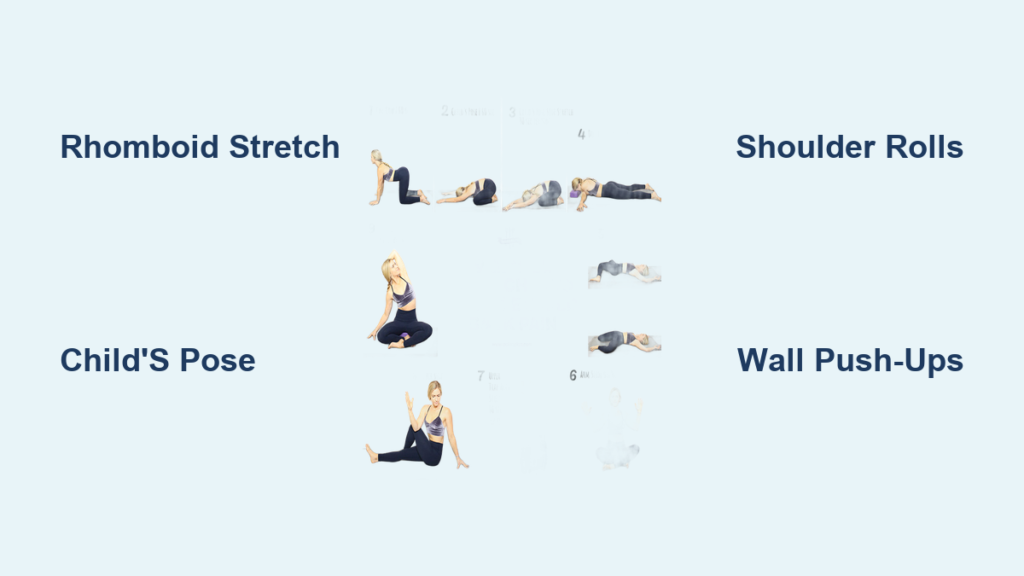
That persistent ache beneath your left shoulder blade won’t let you focus during work meetings or enjoy a restful night’s sleep. Upper left back pain strikes without warning—often after slouching at your desk, sleeping in an awkward position, or lifting something improperly with your left side. The good news? These targeted stretches for upper left back pain deliver rapid relief by addressing the specific muscles causing your discomfort, whether it’s tight rhomboids, strained trapezius fibers, or imbalanced shoulder mechanics.
Unlike generic back pain advice, this guide provides precise stretching techniques designed specifically for left-sided upper back tension. You’ll discover exactly which muscles to target, how long to hold each stretch for maximum benefit, and when to progress to strengthening exercises. Most importantly, you’ll learn how to perform these movements safely without aggravating your condition.
Essential Safety Steps Before Stretching for Upper Left Back Pain
Stop immediately if you experience sharp, shooting pain. Upper left back pain sometimes mimics cardiac issues—never ignore chest discomfort, shortness of breath, or left arm numbness. Consult your physician before starting any stretching routine to rule out serious conditions and get personalized guidance for your specific pain pattern.
Start with minimal intensity. Begin with 10-second holds instead of the recommended 15-30 seconds, performing just one repetition of each stretch during your first session. Gradually increase duration and repetitions as your body adapts over 3-5 days. Your left upper back may be more sensitive than the right side, requiring gentler initial movements.
Warm up first with light activity. Five minutes of brisk walking or arm circles increases blood flow to stiff muscles, making your stretching for upper left back pain significantly more effective and less uncomfortable. Cold muscles resist stretching and increase injury risk.
When to Avoid These Stretches Completely
- After recent injury (within 72 hours): Allow acute inflammation to subside before stretching
- With diagnosed herniated discs: Certain stretches could worsen nerve compression
- During flare-ups of inflammatory conditions: Wait until pain settles below 4/10
- With unexplained radiating pain: Seek professional diagnosis before self-treating
Rhomboid Stretch for Immediate Left-Side Relief

This targeted stretch directly addresses the rhomboid muscles between your shoulder blades—the primary culprits behind that stubborn upper left back pain after long hours at your computer.
Perfect Positioning for Left-Side Focus:
– Sit in a firm chair with back support (or stand against a wall)
– Keep your spine neutral—no excessive arching or rounding
– Place your right hand over your left shoulder for gentle assistance
Step-by-Step Execution:
1. Raise both arms to shoulder height with elbows bent at 90 degrees
2. Clasp your hands together in front of your chest
3. Gently lower your chin toward your chest to release neck tension
4. Extend arms forward while rounding your upper back
5. Focus on pulling your left shoulder blade toward your spine
6. Hold for 15-30 seconds, breathing deeply into the left side
7. Repeat 2-4 times, increasing left-side emphasis with each repetition
Pro Tip: Place a tennis ball against the wall at shoulder-blade height. Lean your left shoulder blade into it while performing this stretch for deeper tissue release. You should feel the stretch specifically between your left shoulder blade and spine—not in your neck or lower back.
Child’s Pose for Upper Left Back Decompression
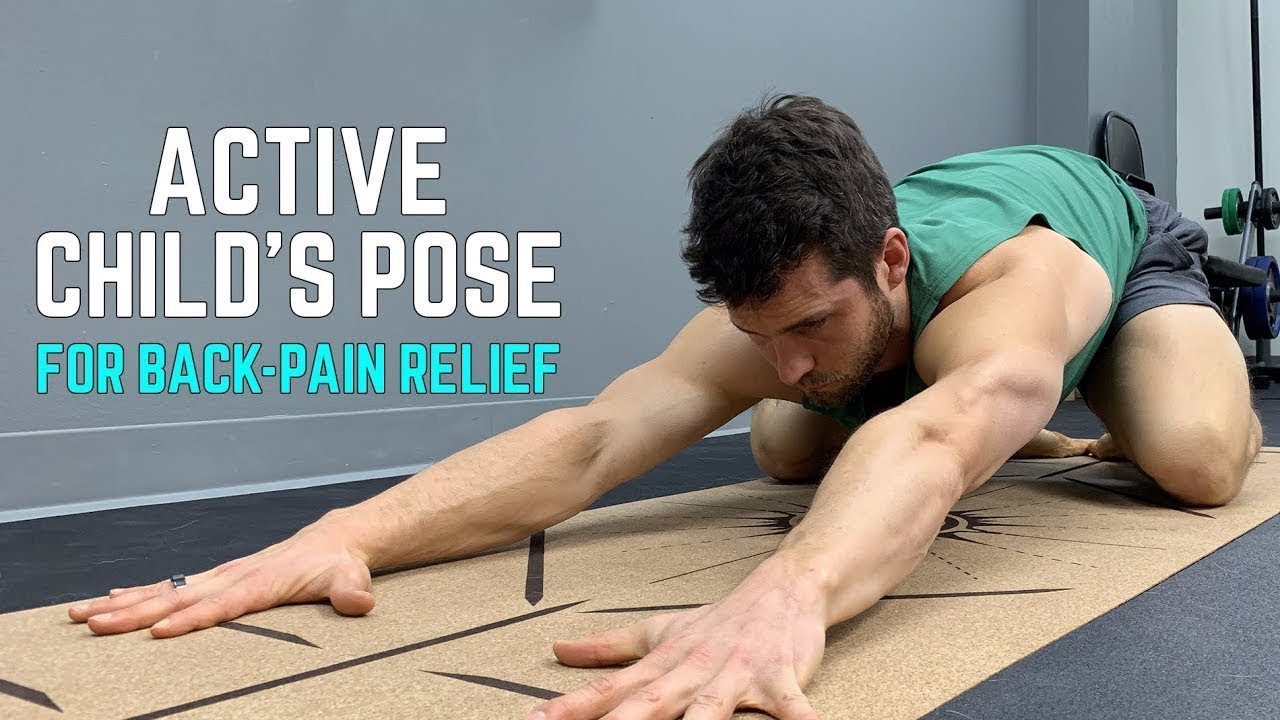
This modified yoga pose provides gentle spinal traction while relaxing the paraspinal muscles contributing to your upper left back pain.
Setup for Maximum Left-Side Relief:
– Kneel on a yoga mat with knees hip-width apart
– Place a pillow between your ankles and buttocks if needed
– Position your left hand slightly forward of your right hand
Execution with Left-Side Emphasis:
1. Lean forward, placing hands on the floor with left hand extended 2-3 inches further
2. Rest your forehead between your arms, turning it slightly left
3. Push your chest toward the floor while reaching left arm forward
4. Feel the gentle stretch along your left upper back and shoulder
5. Hold for 20-30 seconds with deep diaphragmatic breathing
6. Repeat 2-4 times, focusing on releasing left-side tension
Visual Cue: Watch for your left shoulder blade moving away from your spine as you deepen the stretch. You should feel a release of pressure, not increased pain.
Dynamic Shoulder Mobility Sequence to Release Left Back Tension
Shoulder rolls restore circulation and mobility, indirectly relieving upper back tension that contributes to left-side pain.
Proper Form for Left-Side Benefits:
– Stand tall with chin slightly tucked
– Keep arms relaxed at your sides
– Focus movement through left shoulder
Forward Rolls with Left-Side Emphasis:
1. Lift left shoulder higher than right
2. Roll shoulders backward in a smooth circle
3. Drop left shoulder lower than right
4. Complete 3-4 slow rotations
5. Reverse direction immediately
Expert Note: Perform these rolls while seated at your desk every hour to prevent left upper back pain from building up during work. The key is maintaining slow, controlled movement—speed reduces effectiveness and increases injury risk.
Wall Push-Up Progression for Upper Back Strengthening
This exercise builds supporting muscles while maintaining controlled movement to prevent future left upper back pain episodes.
Left-Side Strengthening Focus:
– Stand 12-24 inches from wall
– Position left hand slightly higher if needed for comfort
– Keep core engaged throughout
Execution with Precision:
1. Place hands on wall at shoulder height, fingers angled outward
2. Bend elbows to 90 degrees, keeping upper arms parallel to floor
3. Lower chest toward wall while maintaining left shoulder stability
4. Push back smoothly, focusing on left shoulder blade engagement
5. Complete 8-12 repetitions with perfect form
Progression Timeline:
– Week 1-2: Wall push-ups (3 sets daily)
– Week 3-4: Counter push-ups (increase difficulty)
– Week 5-6: Couch push-ups (further progression)
– Week 7+: Floor push-ups (full strength development)
Resistance Band Shoulder-Blade Squeeze for Left-Side Balance
This strengthening exercise complements your stretches for upper left back pain by improving muscle balance.
Left-Side Correction Technique:
– Sit with spine neutral against a chair
– Hold resistance band with both hands in front
– Keep elbows firmly against ribs
Execution for Symmetry:
1. Pull band apart by squeezing shoulder blades together
2. Hold for 2 seconds at maximum squeeze
3. Focus on engaging left shoulder blade more
4. Return slowly to start position
5. Complete 10-12 repetitions daily
Pro Tip: Perform this exercise while watching TV—small, consistent efforts yield better results than occasional intense sessions for chronic upper left back pain.
13-Minute Daily Routine for Upper Left Back Pain Relief
Morning (5 minutes):
– Shoulder rolls: 2 sets each direction (focus left side)
– Rhomboid stretch: 2 repetitions (20 seconds each)
– Deep breathing: 1 minute with hands overhead
Midday (3 minutes):
– Wall push-ups: 1 set of 10
– Seated spinal twists: 30 seconds each side
Evening (5 minutes):
– Child’s pose: 2 repetitions (30 seconds each)
– Resistance band squeezes: 1 set of 12
– Foam rolling upper back: 1 minute
Warning Signs That Mean Stop Your Upper Left Back Stretching
Immediate red flags requiring medical attention:
– Chest pain or pressure (never ignore left-side chest discomfort)
– Arm numbness or tingling extending into fingers
– Sudden weakness in left arm or hand
– Dizziness or nausea accompanying back pain
Pain patterns needing professional evaluation:
– Pain worsening despite consistent stretching for 7 days
– Night pain that disrupts sleep regularly
– Pain radiating below the waistline
– Inability to find comfortable position when resting
Long-Term Prevention Strategies for Left Upper Back Pain
Ergonomic adjustments to make today:
– Position computer monitor at eye level to prevent forward head posture
– Use a headset instead of cradling your phone between shoulder and ear
– Take standing breaks every 25 minutes during desk work
– Sleep with a pillow between your knees when on your side
Habit changes for lasting relief:
– Carry heavy bags on alternating shoulders
– Avoid sleeping on your stomach (increases left-side strain)
– Strengthen core muscles through planks and bridges
– Practice proper lifting technique—bend at knees, not waist
Persistent upper left back pain often stems from muscle imbalances that develop over months or years. Consistent implementation of these targeted stretches for upper left back pain—combined with strengthening exercises and ergonomic improvements—creates lasting relief. Start with just two stretches daily, focusing on proper form rather than quantity. Within 2-3 weeks, you should notice reduced tension and increased mobility in your left upper back. Remember that occasional discomfort during stretching is normal, but sharp pain means you’ve gone too far—listen to your body and adjust accordingly. Your path to pain-free movement begins with these simple, effective techniques performed consistently.