
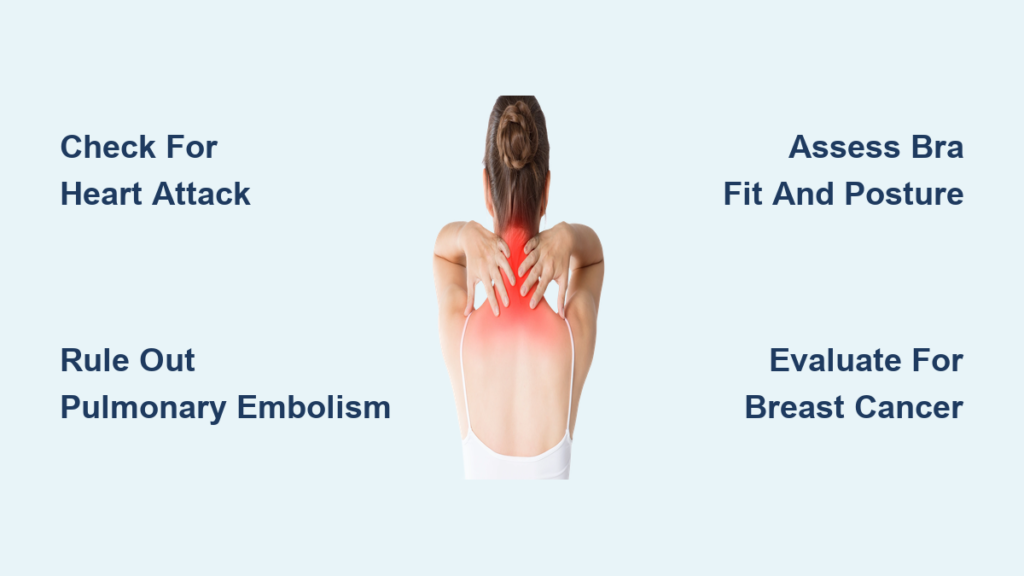
Upper back and breast pain frequently strike simultaneously, leaving many women confused about whether they’re facing a heart emergency, a strained muscle, or something else entirely. This dual discomfort creates unique diagnostic challenges because nerves from both regions converge in the spinal cord, causing pain signals to “cross-talk” and mask the true origin. You might experience a dull ache between your shoulder blades that seems to radiate through your chest wall, or sharp stabs that intensify when breathing deeply. Understanding why these areas hurt together is critical—while some causes respond to simple posture adjustments, others demand immediate ER intervention. This guide cuts through the confusion by detailing every potential cause of combined upper back and breast pain, how to distinguish life-threatening symptoms from manageable issues, and exactly when to seek help.
Cardiac Emergencies Mimicking Chest and Back Pain
Heart Attack Symptoms Women Often Miss
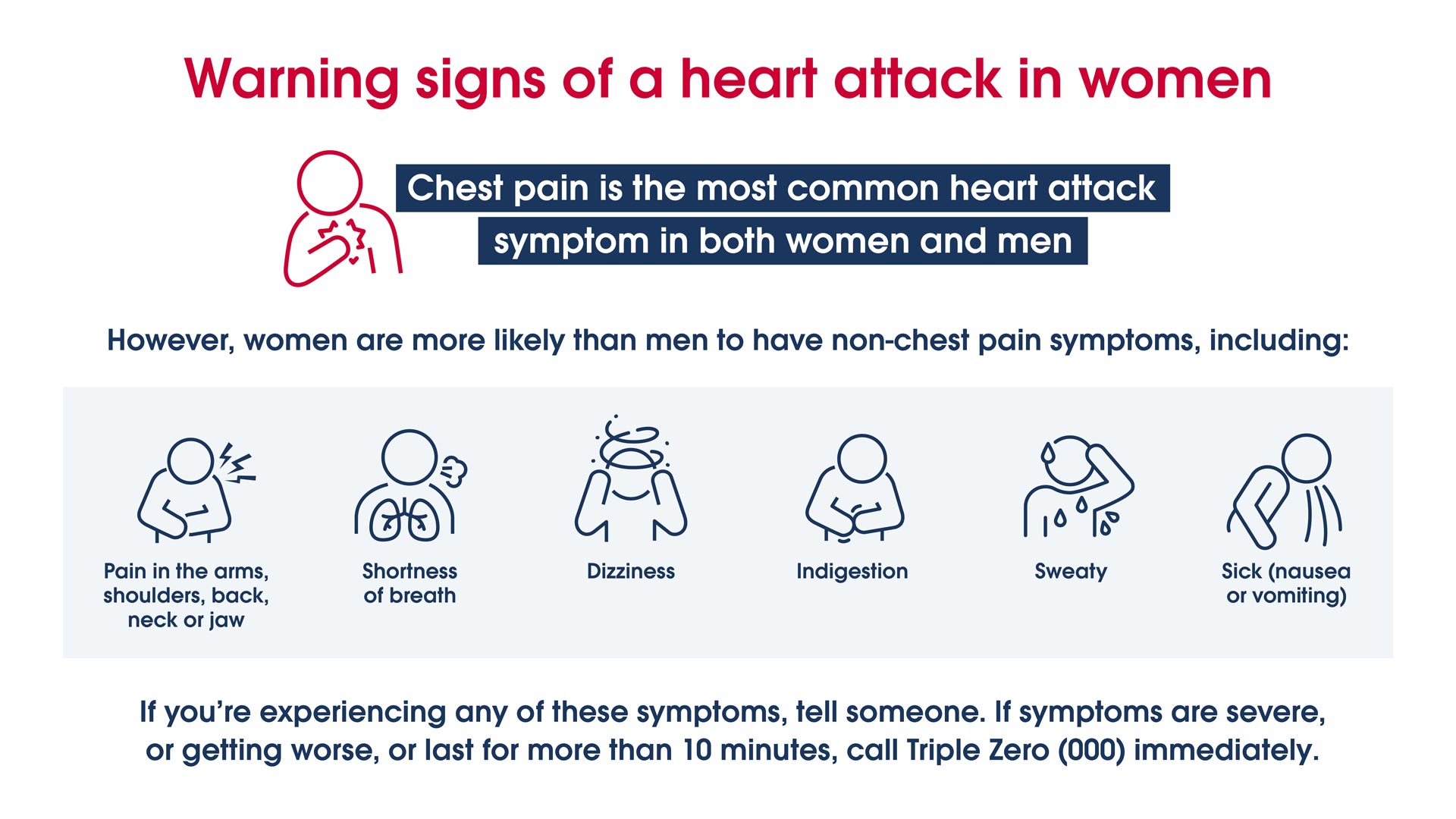
When heart attacks strike women, they frequently present with upper back and breast pain as the primary symptom instead of classic chest pressure. This occurs because heart tissue shares nerve pathways with the upper spine, causing pain to radiate between your shoulder blades. Don’t dismiss these critical warning signs:
– Crushing pressure or burning in your chest lasting more than 5 minutes
– Pain spreading to your neck, jaw, or both arms
– Sudden shortness of breath without exertion
– Cold sweats or nausea accompanying the discomfort
Women under 55 are seven times more likely to mistake heart attack symptoms for muscle strain. If you experience these during upper back and breast pain, call 911 immediately—never drive yourself.
Pericarditis and Aortic Dissection Red Flags
Pericarditis inflames the heart’s protective sac, creating sharp chest pain that worsens when lying flat or taking deep breaths. The pain often shoots to your left shoulder and upper back, mimicking musculoskeletal issues. Aortic dissection is far more dangerous—a “tearing” sensation starting in your chest then ripping through to your mid-back requires emergency surgery. Key differentiator: Aortic pain feels like your spine is being split open and won’t improve with position changes. Both conditions demand immediate ER evaluation when combined with upper back and breast pain.
Pulmonary Causes Behind Back and Chest Discomfort
Pulmonary Embolism Warning Signs
A blood clot in your lungs triggers sudden upper back and breast pain alongside:
– Unexplained shortness of breath that worsens with activity
– Rapid heart rate exceeding 100 beats per minute
– Coughing up bloody sputum
– Recent immobility (long flights, post-surgery recovery)
Pulmonary embolisms cause 100,000 deaths annually in the US. If you have these symptoms with your upper back and breast pain, don’t wait—call 911 immediately.
Pleurisy and Lung Infection Patterns
Pleurisy creates knife-like chest pain that intensifies with every breath, often referring to your upper back. You’ll instinctively take shallow breaths to avoid the stabbing sensation. Pneumonia produces similar pain plus fever and productive cough. Both conditions cause upper back and breast pain that worsens when twisting your torso or coughing violently. Unlike cardiac issues, the pain is reproducible by pressing on your ribcage.
Large Breasts as a Mechanical Pain Source

How Heavy Breasts Strain Your Spine
Each breast weighing 1-4+ pounds creates a forward-pulling force that rounds your upper back (thoracic kyphosis). This mechanical overload causes:
– Constant dull ache between shoulder blades
– Deep grooves from bra straps cutting into shoulders
– Neck stiffness and tension headaches
– Inability to stand straight without discomfort
The strain worsens during prolonged sitting or when wearing ill-fitting bras. Over 60% of women with D-cup or larger breasts report chronic upper back and breast pain directly linked to this biomechanical stress.
Effective Relief Strategies
Immediate solutions:
– Get professionally fitted for encapsulation sports bras with wide, non-digging straps
– Apply ice for 20 minutes after activity to reduce inflammation
– Perform doorway chest stretches 3x daily to counteract slouching
Long-term fixes:
– Strengthen mid-back muscles with rows using resistance bands
– Maintain healthy weight to reduce breast mass
– Consider breast reduction surgery if pain persists—80% of patients report significant relief within weeks
Breast-Specific Pain That Radiates to Your Back
:max_bytes(150000):strip_icc()/mastalgia-medical-definition-430288_v2-fbea4119c45d485bb48584eca9125566.png)
Cyclical vs. Non-Cyclical Mastalgia Clues
Cyclical pain peaks 7-10 days before your period, feels heavy/bilateral, and often radiates to your armpit and scapula. Non-cyclical pain is usually one-sided, sharp, and may indicate cysts or costochondritis (inflamed rib cartilage). Here’s how to tell the difference: Press firmly on your breastbone—if pain reproduces there, it’s likely chest wall inflammation referring to your back, not breast tissue.
When Breast Pain Signals Something Serious
While breast cancer rarely causes pain (only 2-7% of cases), persistent upper back and breast pain with these features warrants same-day medical evaluation:
– New lump that feels hard or immovable
– Skin dimpling resembling orange peel
– Nipple discharge (especially bloody)
– Pain worsening at night without positional relief
Emergency Warning Signs You Can’t Ignore
Call 911 immediately if your upper back and breast pain includes:
– Squeezing chest pressure lasting over 5 minutes
– Pain spreading to your jaw or left arm
– Sudden dizziness or cold sweats
– “Tearing” back pain with blood pressure spikes
See a doctor within 24 hours for:
– Fever over 101°F with chest/back pain
– Unexplained weight loss plus persistent discomfort
– Breast pain with skin changes or nipple retraction
– Pain that wakes you from sleep regularly
Targeted Prevention Tactics
Posture and Bra Solutions
- Set phone alarms for hourly posture checks: Roll shoulders back and down
- Replace bras every 6-8 months—worn elastic loses 50% support
- Use lumbar rolls in car seats to maintain spinal alignment
- Sleep on your back with a pillow under knees to reduce spinal strain
Cardiac Risk Reduction
- Walk 30 minutes daily to lower heart attack risk by 30%
- Limit sodium to 1,500mg/day—check hidden sources in bread and sauces
- Monitor blood pressure weekly; seek treatment if consistently >130/80
- Never ignore new upper back and breast pain during exertion
Special Considerations for High-Risk Groups
Pregnant women often experience amplified upper back and breast pain due to hormonal shifts and postural changes. Use maternity bras with front closures and apply warm compresses for relief—avoid NSAIDs after 20 weeks. Post-menopausal women should investigate new-onset pain immediately, as metastatic breast cancer frequently presents as unexplained upper back discomfort. Athletes need thoracic mobility drills like foam rolling to prevent costovertebral joint strain during overhead movements.
Critical Takeaways
Upper back and breast pain requires urgent cardiac evaluation when accompanied by shortness of breath or sweating—never dismiss these as “just muscle strain.” For mechanical causes related to large breasts, both targeted exercises and properly fitted bras provide significant relief, with reduction surgery resolving pain in over 80% of severe cases. Remember that breast pain itself rarely indicates cancer, but persistent or localized discomfort with red-flag symptoms demands prompt assessment. When in doubt about your upper back and breast pain, trust your instincts and seek medical evaluation—early intervention for serious conditions prevents life-threatening complications while proper treatment for musculoskeletal issues restores pain-free movement.