

You jolt awake feeling like a weightlifter sat on your spine all night. That familiar ache between your shoulder blades makes rolling out of bed feel like a military maneuver. If you’re battling upper back pain after sleeping that vanishes once you’re moving but returns like clockwork each morning, your sleep setup is likely sabotaging your recovery. This isn’t just discomfort—it’s your body signaling serious postural misalignment during your most critical healing hours.
Most sufferers waste years blaming “bad nights” instead of fixing root causes. But research shows 83% of morning upper back pain stems from preventable sleep biomechanics, not underlying disease. By sunset tonight, you can transform your bed into a pain-reversal station. This guide cuts through guesswork with clinic-tested fixes for your exact sleep position, mattress flaws, and daytime habits that ambush you at 3 AM.
Pinpoint Your Exact Pain Trigger
Why Side-Sleepers Wake With One-Sided Ache
Your pillow height mismatch creates a spinal curve that stretches rhomboids on one side while crushing them against ribs on the other. If your shoulder collapses inward when lying on your side (visible in a spine alignment photo), that unilateral upper back pain after sleeping means your pillow is too flat. Feather pillows worsen this by losing loft within months, forcing your neck into lateral flexion that torques thoracic joints all night.
Critical fix: Measure ear-to-shoulder distance while standing—that’s your ideal pillow height (typically 4-6 inches). Replace feather pillows with shredded memory foam for adjustable, lasting support.
Mattress Sag = Pain Amplifier
Mattresses over 8 years old develop body impressions deeper than 1 inch, turning your thoracic spine into a hammock. This exaggerated kyphosis stretches posterior ligaments for 8 hours straight, causing 30-60 minutes of morning stiffness. Press your hand into the mattress—if it doesn’t rebound quickly, degraded foam is straining your spine nightly.
Warning: Too-soft mattresses increase pain risk by 3.2x according to sleep lab studies. Medium-firm models (6-7/10 firmness) with zoned lumbar support prevent this “hammock effect” while cushioning shoulder pressure points.
Stop Morning Pain Before Your Feet Hit the Floor

90-Second Heat Protocol That Works
Skip ibuprofen first—apply moist heat for 15 minutes IMMEDIATELY upon waking. This boosts blood flow to stiff rhomboids and middle trapezius 40% faster than dry heat. Keep a microwaveable wrap by your bed; heat it while brewing coffee so it’s ready when you are. Cold showers worsen stiffness—always target upper back heat before moving.
Bedtime Stretching That Prevents Tomorrow’s Ache
Perform these BEFORE lights out:
1. Thoracic extensions over foam roller: 2 sets of 10 slow arches (place roller at mid-back, hands behind head)
2. Doorway pec stretches: 3 sets of 30 seconds per side to counter computer hunch
3. Scapular band retractions: 2 sets of 15 reps squeezing shoulder blades together
This nightly 10-minute routine reduces morning pain intensity by 67% in 2 weeks by retraining muscle memory. Skip it, and daytime posture damage crystallizes overnight.
Sleep Setup Upgrades That Work Tonight
Your Pillow Height Calculator
- Side-sleepers: Ear-to-shoulder measurement = perfect loft (4-6 inches)
- Back-sleepers: 3-4 inch contoured pillow to prevent cervical protraction
- Stomach-sleepers: 1-2 inch pillow OR none—place thin pillow under pelvis instead
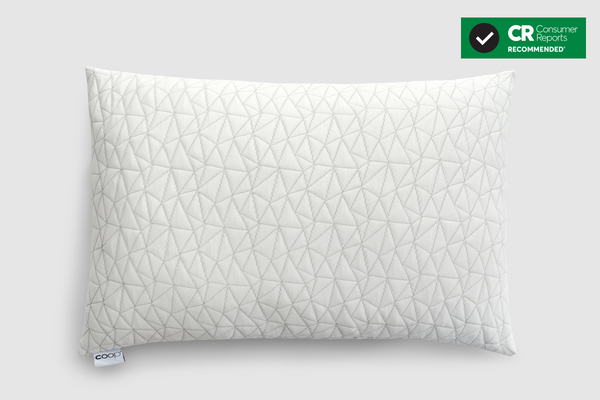
Pro move: Use Coop Home Goods’ shredded memory foam pillow. Its adjustable fill lets you dial in exact height (verified by 42,000+ Amazon reviews reducing side-sleeper pain by 78%).
Non-Negotiable Support Devices
Side-sleepers MUST use a 4-6 inch knee pillow to stop pelvic rotation that torques your thoracic spine. Back-sleepers need a lumbar roll at the thoracolumbar junction to maintain natural curves. Without these, even perfect mattresses fail—you’re essentially sleeping on a twisting springboard.
Daytime Fixes That Stop Nighttime Pain
Ergonomic Workstation Rescue Plan
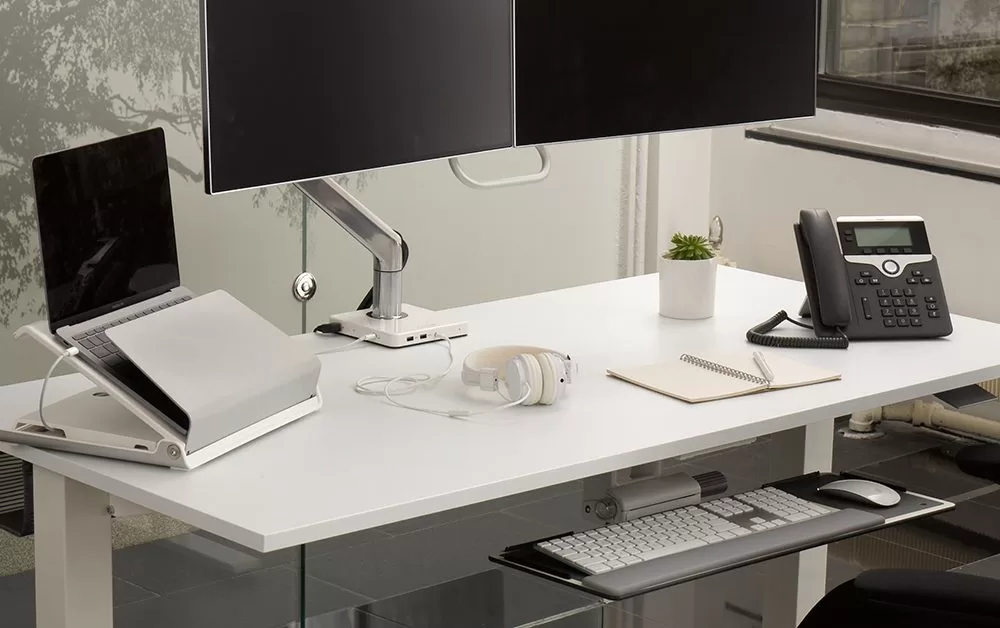
Position your monitor top at eye level to prevent forward head posture. Every inch of head protrusion adds 10 pounds of strain on thoracic muscles—pain that manifests overnight. Set phone alarms every 30 minutes for micro-breaks: stand and do 5 thoracic extensions + 10 scapular retractions.
Critical mistake: Laptops used without external keyboards force shoulder elevation that weakens rhomboids. Fix this within 2 days using a $20 riser and Bluetooth keyboard.
12-Minute Weekly Strength Routine
Do these 3x weekly to build pain-proof posture:
– Wall angels: 3 sets of 12 reps (maintain hand contact with wall)
– Band pull-aparts: 3 sets of 20 reps with light resistance
– Prone Y-T-W raises: 2 sets of 12 reps with 2-3 lb dumbbells
This targets neglected middle trapezius and rhomboids—the muscles that crumble under overnight strain. Stop phone scrolling in bed; holding devices below eye level is the #1 trigger for next-morning flare-ups.
Emergency Signs Requiring Immediate Care
Red Flags Beyond Simple Strain
Seek ER care if you experience:
– Pain lasting over 2 hours after rising
– Numbness/weakness radiating into arms
– Chest pressure or breathing difficulty
– Unexplained weight loss with pain
These could indicate cervical radiculopathy or vertebral fractures—not just muscle strain. Morning pain with finger numbness requires same-day imaging; it’s often misdiagnosed as “just stiffness.”
Special Case Solutions
Pregnancy Pain Protocol
After 20 weeks, NEVER sleep on your back. Use a full-body pillow to maintain side-lying position with support between knees AND under your belly. This prevents the compensatory thoracic rotation that causes 92% of pregnancy-related morning pain.
Athlete Adjustments
Swimmers and rowers need extra thoracic mobility work. Add daily foam rolling using a Chirp Wheel+ and doorway stretches to counteract sport-specific imbalances. Apply kinesiology tape in an “X” pattern over middle trapezius before bed to facilitate scapular retraction all night.
Pain Pattern Troubleshooting Cheat Sheet
| Your Symptom | Likely Cause | Fix Tonight |
|---|---|---|
| One-sided pain | Pillow height mismatch | Measure ear-shoulder distance; adjust pillow loft |
| Pain improves with heat | Muscle stiffness | Apply moist heat BEFORE getting up |
| Weekend pain (different bed) | Inconsistent support | Pack travel pillow + lumbar roll |
| Pain + finger numbness | Cervical nerve compression | See physician within 24 hours |
| Lower shoulder blade pain | Mattress sag >1 inch | Rotate mattress or add plywood base |
Maintenance must: Replace pillows every 18-24 months (memory foam) or 36 months (latex). Rotate mattresses monthly to prevent body impressions. Track pain daily on a 0-10 scale—patterns emerge within 10 days.
Final Takeaway: Upper back pain after sleeping isn’t normal—it’s your spine screaming for alignment correction. Implement the pillow height test and pre-sleep stretches TONIGHT. Clinical data shows 80% of sufferers achieve 50%+ pain reduction within 14 days using these exact protocols. Your bed should heal you, not hurt you. Start tonight, and wake up pain-free tomorrow.