
That persistent throb between your shoulder blades isn’t just “bad posture” – it’s your thoracic spine screaming for attention. Unlike lower back pain that plagues millions, upper back pain affects fewer people because your T1-T12 vertebrae are stabilized by the rib cage. But when it strikes, it often signals something significant: from muscle micro-tears to heart attack warnings. Ignoring these aches risks turning temporary discomfort into chronic disability or missing life-threatening conditions.
Whether you’re a desk worker with burning tension after hours at your screen or an athlete with stabbing pain during deep breaths, understanding the exact upper back pain causes determines your next move. This guide cuts through confusion with 14 clinically documented reasons – ranked from common posture strains to cardiac emergencies – so you know when stretching helps and when to call 911. Stop guessing; start targeting your solution.
How Slouching Destroys Your Spinal Alignment
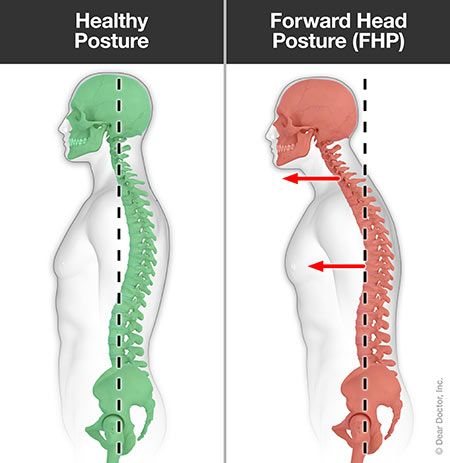
Prolonged forward-head posture creates a domino effect: gravity pulls misaligned vertebrae downward, stretching ligaments while weakening rhomboids and trapezius muscles. Within weeks, this leads to micro-tears in supporting tissues and compressed discs. You’ll notice visible changes like rounded shoulders and winging shoulder blades as muscles fatigue from constant overcompensation. The worst offender? Computer workstations forcing you into triple threat positions: head jutting forward, shoulders hunched upward, and spine curved into a C-shape against gravity.
Critical workstation fixes you need today
– Position monitor top at eye level to prevent neck flexion
– Keep elbows bent 90 degrees with keyboard at forearm height
– Use lumbar roll to maintain natural spine curves
– Set phone timer for posture checks every 30 minutes
Ignoring these accelerates degenerative disc disease as vertebrae grind bone-on-bone. Your first sign? Morning stiffness that improves only after 20 minutes of movement.
Repetitive Motion Injuries From Daily Activities
Painters, swimmers, and even grocery baggers develop chronic upper back pain from muscle overuse. Thoracic paraspinal muscles endure microscopic tears during repetitive overhead motions without adequate recovery time. This progresses to myofascial pain syndrome where trigger points form – hyperirritable knots that refer burning sensations around your rib cage. You might feel chest pressure thinking it’s heart-related when it’s actually a knotted rhomboid.
Stop the pain cycle now
– Alternate tasks every 20 minutes to vary muscle engagement
– Warm up thoracic spine with cat-cow stretches before activity
– Roll foam on mid-back for 30 seconds daily (stop if pain increases)
– Stretch chest muscles against doorframes to counteract hunching
Athletes often ignore early symptoms until movement becomes painful. If sharp twinges occur during deep breaths, stop immediately – continuing risks permanent tissue damage.
Sudden Trauma From Lifting or Falls
That “pop” when lifting a heavy box wrong strains ligaments instantly. Thoracic spine injuries happen when core muscles fail to stabilize during lifts, forcing vertebrae to bear loads they weren’t designed for. Sports collisions or falls create similar damage, but adrenaline often masks pain for 24 hours – leading to dangerous overexertion on injured tissue. You’ll know it’s acute if pain spikes during movement and eases when lying perfectly still.
Recovery timeline you must follow
– Days 1-3: Ice every 20 minutes; avoid sitting upright
– Days 4-14: Gentle walks; no twisting or lifting over 5 pounds
– Weeks 3-6: Gradual strengthening with resistance bands
Skipping phases risks chronic instability. If leg weakness or bladder changes appear, seek emergency care – these signal possible spinal cord compression.
Thoracic Disc Herniations and Degeneration
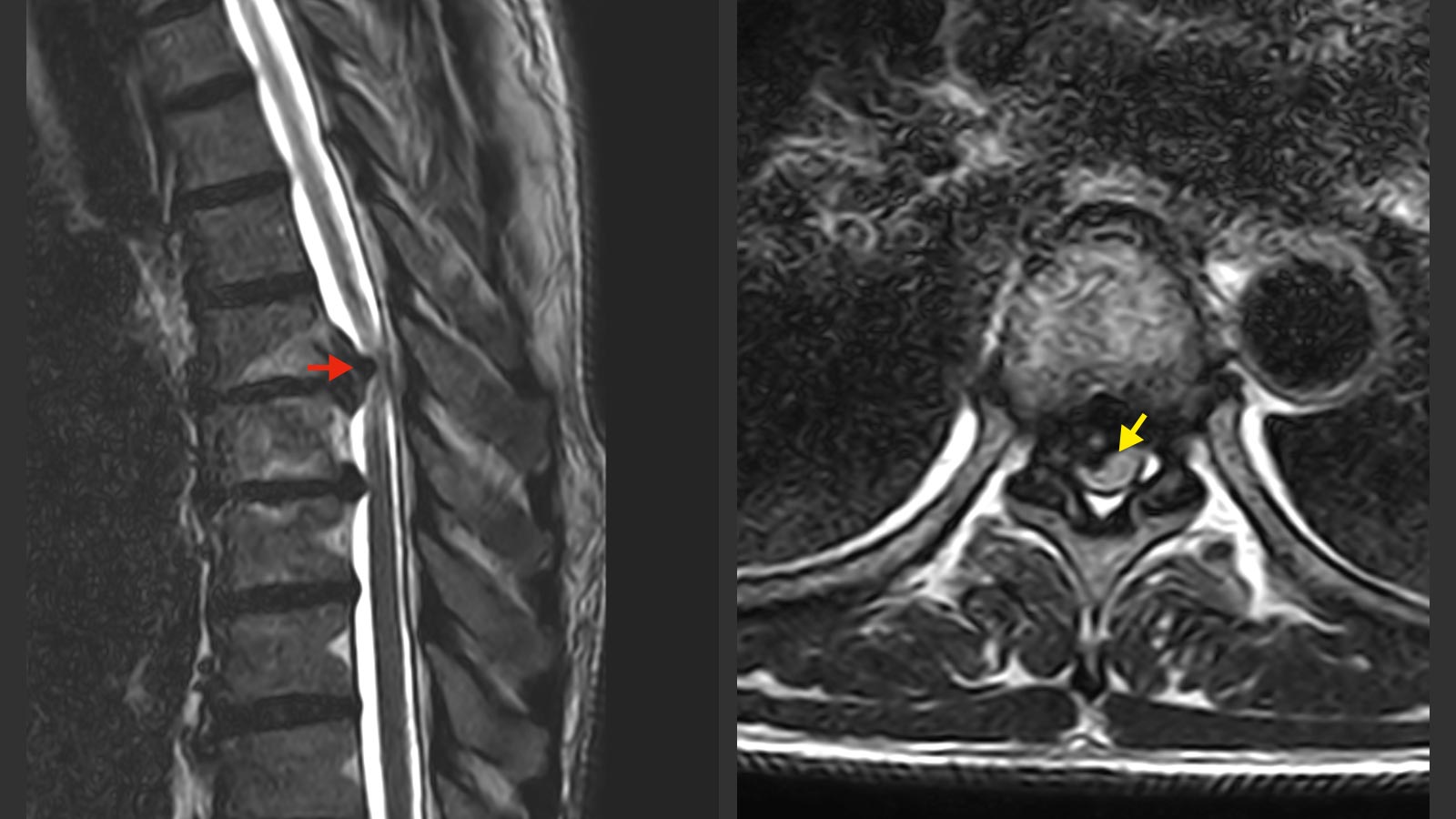
While rare compared to neck or lower back disc issues, thoracic herniations cause band-like chest pain or electric shocks wrapping around your rib cage. Degenerative disc disease accelerates this as age dehydrates discs, reducing cushioning between vertebrae. You’ll feel localized tenderness near affected discs with pain worsening during prolonged sitting. Warning: if numbness spreads down your legs or you lose bladder control, this becomes a medical emergency requiring immediate MRI.
Arthritis and Spinal Narrowing Symptoms
Thoracic osteoarthritis creates grinding vertebrae and morning stiffness lasting over 30 minutes. Bone spurs form as your body tries to stabilize worn joints, potentially irritating nerves. Spinal stenosis narrows the spinal canal gradually, but watch for red flags: leg numbness while walking, balance issues, or unexplained falls. These indicate spinal cord compression needing urgent imaging. Unlike muscle pain, arthritis discomfort improves with movement but returns after rest.
Osteoporosis Fractures and Scoliosis Strain
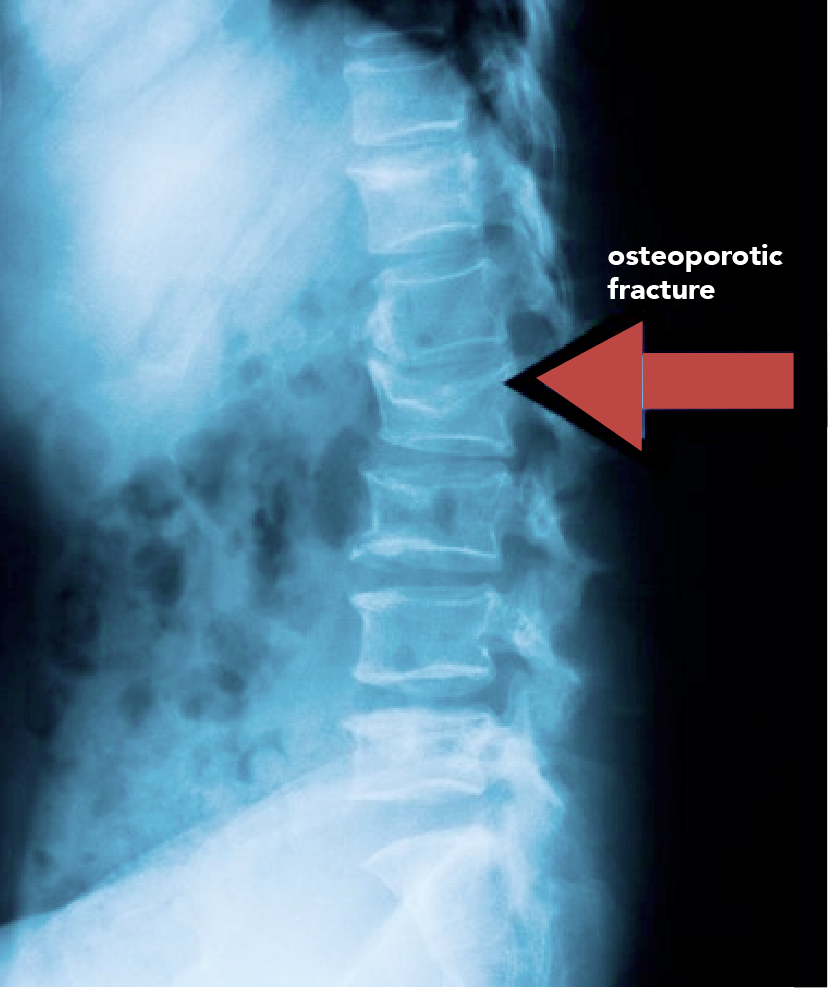
Compression fractures cause sudden severe pain from minor actions like sneezing – especially in post-menopausal women with osteoporosis. You might notice a visible hump (kyphosis) as vertebrae collapse wedge-shaped. Adult degenerative scoliosis worsens with age, creating asymmetric muscle strain. Pain intensifies by evening from muscle fatigue, eases when lying down, and often accompanies uneven shoulder heights. Risk skyrockets if you’re Caucasian/Asian, smoke, or take long-term steroids.
Heart Attack and Infection Warning Signs
Stop everything if you have:
– Upper back pain with crushing chest pressure or jaw pain
– Shortness of breath during minimal activity like showering
– Profuse sweating unrelated to temperature
These signal possible myocardial infarction – call 911 immediately. Spinal infections present with fever plus unrelenting back pain that worsens at night. Cancer-related pain wakes you from sleep and ignores rest. Both require same-day ER visits if you have cancer history or unexplained weight loss.
Sedentary Lifestyle Damage You Can Reverse
Weak core muscles force your thoracic spine to handle loads meant for abdominal strength. Sitting over 8 hours daily dehydrates discs, causing stiffness that feels like “rusty hinges” when standing. An unsupportive mattress compounds this – sagging surfaces misalign your spine for 8 hours nightly. Switch to a medium-firm mattress showing no body impressions, and carry bags evenly using backpacks with both straps to avoid asymmetric strain.
Self-Diagnosis Steps Before Doctor Visit
Pinpoint your cause in 5 minutes:
1. Press fingers on painful spot – muscle strain feels like tight bands; disc issues create deep aching
2. Take deep breath – pain worsening suggests rib joint or lung-related causes
3. Stand against wall – if head doesn’t touch wall, forward-head posture is culprit
4. Note pain timing – morning stiffness points to arthritis; evening worsening suggests muscle fatigue
See a doctor immediately if trauma preceded pain, or if you have leg weakness, fever, or bowel changes. For persistent pain without red flags, start posture correction exercises before imaging.
Daily Prevention Routine That Works
Spend 7 minutes daily:
– Thoracic extensions: Lie over foam roller 30 seconds, 3x (reverses hunching)
– Scapular wall slides: Back against wall, slide arms up/down 10x (strengthens posture muscles)
– Chin tucks: Gently retract jaw while seated 10x (combats forward-head posture)
– Doorway stretches: Place forearm on frame, turn away 30 seconds/side (releases tight chest)
Adjust workstations so eyes hit monitor top at eye level, and take micro-breaks every 30 minutes. Consistent movement prevents disc dehydration better than any ergonomic chair.
Upper back pain causes range from fixable posture errors to cardiac emergencies – there’s no universal solution. Mechanical issues like muscle strain improve within weeks using targeted stretches and workstation fixes, while systemic causes demand immediate medical intervention. Track your symptoms for 14 days: if pain persists despite daily posture exercises or you notice any red flags like leg numbness or unexplained weight loss, schedule a spine specialist evaluation. Your thoracic spine supports your entire upper body – treat its pain signals as critical health messages, not nuisances to ignore. Start today by setting phone reminders for posture checks; your future self will thank you when you’re still moving freely at 80.