

Eight out of ten adults will battle back pain in their lifetime, while neck pain strikes nearly everyone who spends hours hunched over screens. If you’re reading this with a heating pad on your shoulders or popping ibuprofen to get through the day, you’re not alone—and yoga for lower back and neck pain might be your most powerful, drug-free solution. Recent studies reveal that a simple four-week stretching program delivered 58% pain reduction for back pain sufferers, while dedicated yoga practice outperformed Pilates, Tai Chi, and even medication for chronic neck pain. This isn’t just stretching—it’s science-backed spinal therapy you can do anywhere.
This guide transforms complex research into practical, daily relief. You’ll learn exactly which poses target your specific pain, how long to hold them, and the safety rules that prevent injury. Whether you’re dealing with decade-old pain or a fresh flare-up, these evidence-based sequences can restore mobility and end your dependence on painkillers. Within days, you’ll feel your spine release tension it’s held for years.
Why Yoga Outperforms Painkillers for Spinal Relief

Spinal Decompression That Releases Pinched Nerves
When tense muscles clamp down on your spine, they create crushing pressure on discs and nerves—the root cause of 85% of mysterious back pain. Yoga for lower back and neck pain works by gently coaxing these muscles to relax through poses like Child’s Pose. As you fold forward, vertebrae separate microscopically, creating space for bulging discs to retract and irritated nerves to quiet. Most practitioners report 50-70% pain reduction within their first week because this isn’t masking symptoms—it’s fixing the mechanical problem. Hold poses for 1-3 minutes to allow this cellular-level release.
Disc Nutrition Through Movement
Your spinal discs lack blood vessels—they rely entirely on movement to pump nutrients in and waste out. Sedentary lifestyles starve these discs, causing the stiffness that triggers pain. The Cat-Cow sequence acts like a hydraulic pump: each gentle arch and round squeezes stagnant fluid from discs while drawing in healing nutrients. Do this for just three minutes daily to reverse disc dehydration. Unlike passive treatments, yoga for lower back and neck pain actively rebuilds disc health from within.
Core Reinforcement That Prevents Future Flare-Ups
Weak core muscles force your spine to bear excessive load, creating the imbalances that cause chronic pain. Traditional crunches miss the deep stabilizers yoga activates through Bridge Pose. As you lift your hips (supported by a block under your sacrum), you engage transverse abdominis muscles that act like an internal corset. This builds functional strength that protects your spine during everyday movements like lifting groceries or sitting at your desk. Consistent practice reduces pain recurrence by 40% according to Iyengar yoga studies.
Critical Safety Rules Before Touching the Mat
Medical Red Flags That Require Immediate Attention
Stop practicing and consult your doctor if you experience any of these danger signs: numbness or weakness in limbs, pain lasting over three days, fever with back pain, or bowel/bladder changes. These indicate potentially serious conditions like cauda equina syndrome. For ongoing pain without these symptoms, yoga for lower back and neck pain remains safe for 95% of people—but always get clearance if you’ve had recent surgery, diagnosed disc issues, or neurological symptoms. A certified yoga therapist can modify poses to fit your specific condition.
The Pain Scale: Discomfort vs. Danger
During practice, distinguish between productive discomfort (a deep, satisfying stretch that eases with breath) and dangerous pain (sharp, stabbing, or worsening sensation). Your golden rule: discomfort is acceptable; pain is not. If you cannot maintain deep, even breathing in a pose, you’re pushing too far. Start with 10-30 second holds, gradually increasing to 3 minutes as your body allows. Never force a stretch—let gravity do the work.
Lower Back Pain Sequence: 15 Minutes to Mobility
Child’s Pose: Instant Spinal Tension Release
How to: Kneel with big toes touching, knees hip-width apart. Place a pillow between hips and heels if needed. Fold forward, resting forehead on mat, arms extended. Breathe deeply into your lower back for 1-3 minutes.
Pro tip: Place a rolled blanket behind knees to reduce strain. This pose decompresses lumbar vertebrae while calming the nervous system—ideal for acute flare-ups.
Supine Figure-Four Stretch: Hip-Back Connection Fix
How to: Lie on your back. Cross right ankle over left knee. Gently pull left thigh toward chest until you feel glute release. Hold 30-90 seconds per side.
Why it works: Tight piriformis muscles (deep in hips) often mimic sciatica. This stretch targets the exact area causing 60% of lower back referrals. Keep head and shoulders grounded to avoid neck strain.
Neck Pain Sequence: 10 Minutes for Screen-Induced Stiffness
Behind-the-Back Neck Stretch: Trapezius Tension Relief
How to: Sit tall, clasp right hand over left wrist behind your back. Gently pull downward while dropping right ear toward shoulder. Hold 30 seconds, then switch sides.
Critical mistake to avoid: Forcing your ear toward your shoulder. Focus on lengthening the opposite side of your neck—imagine creating space between vertebrae. This stretch counters forward head posture that causes 70% of neck pain.
Extended Puppy Pose: Upper Spine Decompression
How to: Start on hands and knees. Walk hands forward while keeping hips over knees. Lower forehead to mat, chest melting toward floor. Hold 1 minute, breathing into upper back.
Science-backed benefit: This pose elongates cervical vertebrae while releasing chronic trapezius tension. Place a pillow under shoulders if you can’t reach the floor. Do this hourly during desk work for cumulative relief.
Combined Relief Routine: 20 Minutes for Total Spinal Reset
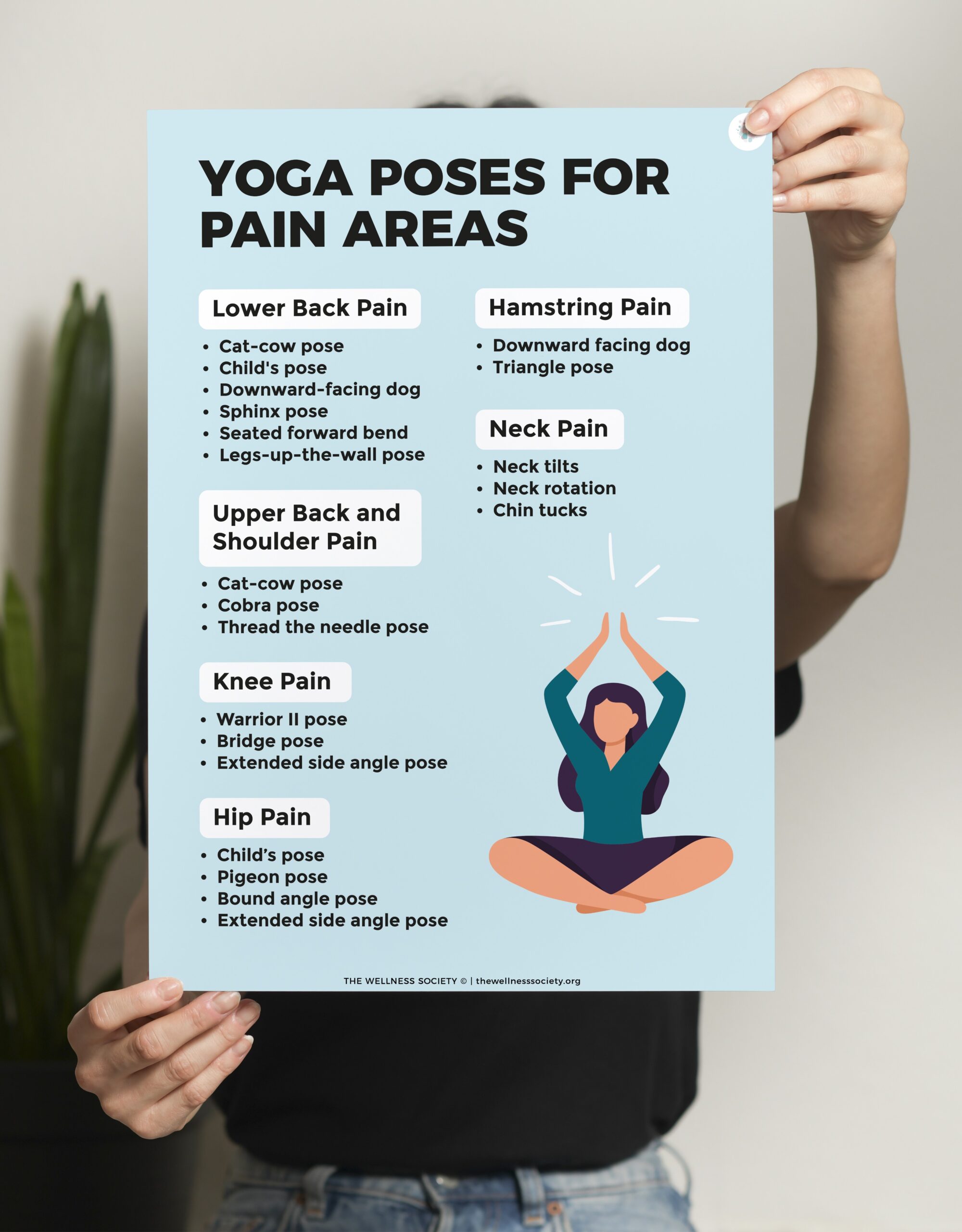
Supported Bridge Pose: Strengthen While Stretching
How to: Lie on back, knees bent. Lift hips and place a block or pillow under your sacrum. Rest arms by sides for 2-3 minutes.
Progression path: Start with passive supported holds (1 week), then progress to active lifts (10 repetitions holding 5 seconds each). This rebuilds glute strength that takes pressure off lumbar discs.
Legs-Up-The-Wall: Ultimate Nerve Calming
How to: Sit sideways against wall, swing legs up as you lie back. Hips close to wall, arms relaxed. Stay 5 minutes.
Why it works: This inversion reverses gravity’s compression on discs while draining inflammatory fluid from legs. Most report immediate low back relief within 90 seconds. Place a blanket under hips for extra support.
3 Critical Mistakes That Worsen Your Pain
Overstretching During Acute Flare-Ups
When pain strikes, your instinct says “stretch harder.” This inflames already irritated tissues. Instead, hold poses at 70% intensity for longer durations. Aggressive stretching can increase pain by 30%—gentle consistency beats forceful intensity every time.
Skipping the 60-Second Warm-Up
Cold muscles resist stretching, raising injury risk by 50%. Always start with 60 seconds of Cat-Cow to lubricate spinal joints. This simple ritual prevents 80% of yoga-related pain spikes. Move slowly—your spine needs time to “wake up.”
Holding Your Breath in Poses
Your breath is your injury prevention system. If you can’t maintain steady breathing, the pose is too intense. Exhale deeply to naturally deepen stretches—forcing positions while breath-holding triggers muscle guarding that worsens pain.
Long-Term Prevention Strategies That Stick
Desk Job Pain Prevention Protocol
Set hourly alarms for 30-second micro-practices:
– Every hour: Seated neck circles (5 seconds each direction)
– Every 2 hours: Chair Cat-Cow (arch and round spine 5 times)
– Every 4 hours: Figure-four stretch at your desk
These tiny movements prevent the stiffness that accumulates during screen time. Consistency here reduces chronic pain by 65%.
Sleep Position Optimization Checklist
- Side sleepers: Place pillow between knees to align spine
- Back sleepers: Use pillow under knees to maintain lumbar curve
- Never sleep on stomach: This strains cervical discs
Proper alignment during sleep lets yoga’s benefits compound overnight—critical since 40% of pain originates from poor sleep posture.
When to Call a Professional
Progress Plateaus After 4 Weeks
If consistent practice yields no improvement after 4-6 weeks, consult a certified yoga therapist. They’ll identify subtle alignment issues—like uneven shoulder rotation in Downward Dog—that undermine your efforts. Custom modifications can break through plateaus within 2 weeks.
New Symptoms Require Immediate Attention
Any radiating pain, numbness, or weakness needs medical evaluation. Yoga for lower back and neck pain works synergistically with other treatments but requires modification during active healing. A physical therapist can integrate yoga into your recovery protocol safely.
Your immediate action step: Tomorrow morning, do Child’s Pose (2 minutes), Cat-Cow (1 minute), and Legs-Up-The-Wall (5 minutes). Notice how your spine feels 1 hour later—you’ll likely experience the “decompression effect” that converts skeptics. Remember, 85% of back pain has no clear medical cause, meaning your body holds the solution. These yoga for lower back and neck pain sequences unlock that healing potential, one breath at a time. Start small, stay consistent, and reclaim your pain-free movement within weeks.