
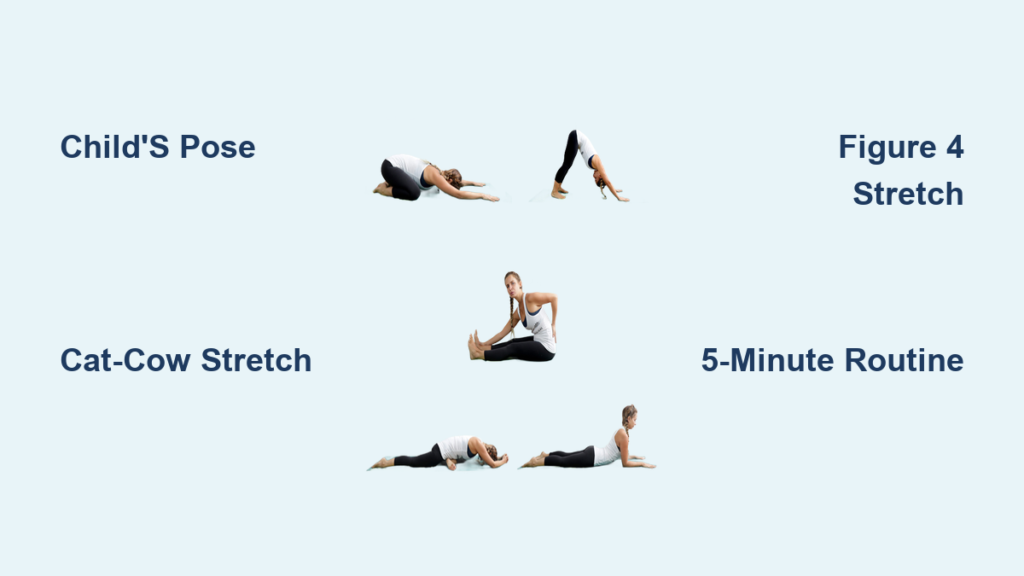
Lower back pain stops 8 out of 10 people in their tracks at some point, turning simple tasks like tying shoes or picking up your phone into painful challenges. If you’re new to yoga and desperate for relief, this guide delivers exactly what works—no advanced flexibility required. You’ll discover beginner-friendly poses that target the real causes of your pain, learn how to practice safely, and build a sustainable routine that fits your busy life. Most importantly, you’ll start feeling better with just 5 minutes a day.
Why Yoga Beats Rest for Back Pain Relief
Your instinct to stay still when back pain strikes actually worsens the problem long-term. Movement—not rest—is your path to healing. Dr. Robert Saper from Cleveland Clinic confirms: “Rest seems natural, but it’s not a good thing for back pain.” Yoga specifically addresses lower back pain through four powerful mechanisms that typical stretching misses.
Yoga works where other methods fail because it:
– Targets hidden tension sources: Tight hips and weak core muscles often create back pain you feel in your spine
– Builds body awareness: You’ll catch poor posture habits before they trigger pain
– Creates functional strength: Core muscles learn to support your spine during everyday movements
– Counters desk damage: Reverses the negative effects of sitting for 8+ hours daily
Research proves yoga’s effectiveness: A 2017 study found it worked equally well as physical therapy for chronic back pain, with both groups using fewer pain medications after just three months. Unlike passive treatments, yoga puts you in control of your recovery.
Essential Safety Rules Before Starting Yoga
Red Flags: When to See a Doctor First
- Sharp pain shooting down your leg (possible sciatica)
- Numbness or tingling in legs/feet
- Pain lasting more than 3 days straight
- Recent injury or fall
- History of disc problems
Pro tip: Even mild pain warrants a doctor’s visit before starting yoga. Better safe than sorry—your safety affects how effectively you can practice yoga for lower back pain beginners.
Safe Practice Guidelines
- Move slowly: No bouncing or jerking movements
- Pain = stop: Discomfort is okay, sharp pain means stop immediately
- Use props: Blocks, blankets, and chairs make poses accessible
- Breathe continuously: If you’re holding your breath, you’re pushing too hard
- Start small: Five minutes daily beats one hour weekly
9 Beginner Yoga Poses That Actually Work
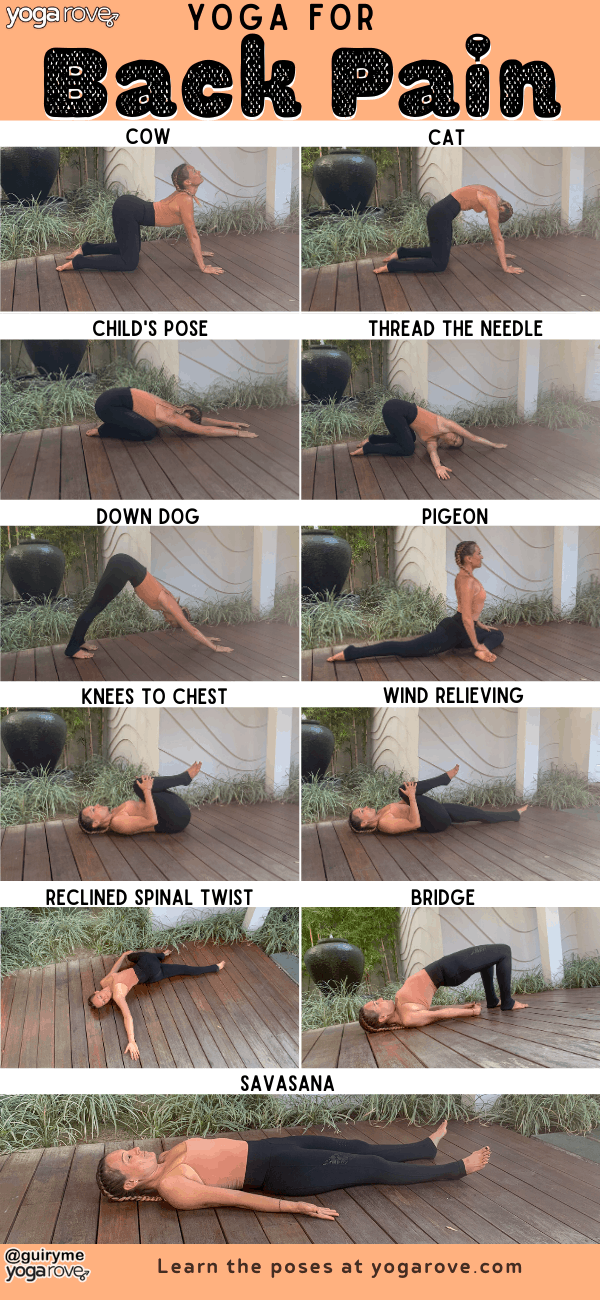
Child’s Pose (Balasana): The Ultimate Back Decompressor
How to do it safely:
1. Kneel on your mat with big toes touching
2. Sit back toward heels (place a pillow under hips if needed)
3. Walk hands forward while lowering chest toward floor
4. Rest forehead on mat or block
Hold: 1-3 minutes
Pro tip: Wider knees create more hip stretch. Focus on lengthening your spine with each exhale—this is why child’s pose ranks as a top yoga for lower back pain beginners recommendation.
Cat-Cow Stretch: Your Spine’s Morning Coffee
Flow through this sequence 5-10 times:
– Cow (inhale): Arch back, lift head and tailbone toward ceiling
– Cat (exhale): Round spine completely, tuck chin to chest and pelvis under
Focus: Let your breath lead the movement. Feel each vertebra wake up individually—this gentle mobilization prevents stiffness that worsens back pain.
Supine Figure 4 Stretch: Hip Release That Stops Back Pain
- Lie on your back with knees bent
- Cross right ankle over left thigh
- Grab left thigh and gently pull toward chest
- Keep lower back pressed firmly to floor
Hold: 30 seconds each side
Secret: Flex your crossed foot to protect your knee joint while maximizing hip release—critical since tight hips often cause lower back pain.
Your 5-Minute Daily Relief Routine
This beginner-friendly sequence targets the most common causes of lower back pain:
- Reclined Figure 4 – 60 seconds each side (releases hip tension)
- Single Knee-to-Chest – 30 seconds each side (gentle spinal traction)
- Supine Twist – 60 seconds each side (releases lower back tension)
- Happy Baby – 60 seconds (opens hips and groin)
- Legs-Up-the-Wall – 2 minutes (decompresses spine)
Total time: Just 5 minutes—perfect for busy mornings or lunch breaks. Consistency with this yoga for lower back pain beginners routine matters more than duration.
Equipment You Actually Need
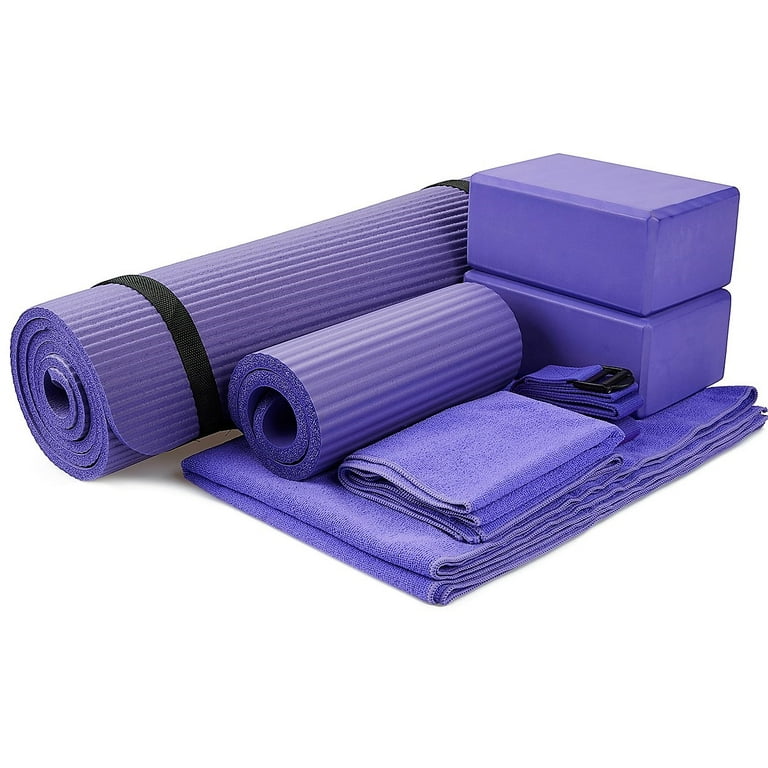
Must-haves (under $20 total):
– 2 yoga blocks or thick books (for proper alignment)
– Bath towel (folded = bolster for support)
– Belt or scarf (yoga strap substitute for reach)
– Wall (free support for modified poses)
Skip expensive gear—these basics make yoga for lower back pain beginners accessible anywhere. A yoga mat provides cushioning but isn’t essential when starting.
Frequency That Works for Real Results
Start here:
– Week 1: 3 sessions per week (5 minutes each)
– Week 2: Build to 5 sessions weekly
– Ongoing: Daily 5-15 minutes beats weekly marathon sessions
Hold times: Begin with 10-15 seconds per pose, gradually building to 1-3 minutes as your body adapts. This progressive approach prevents re-injury while building strength.
Common Beginner Mistakes That Worsen Back Pain

- Forcing deep stretches: Pain never equals progress with lower back pain
- Skipping warm-up: Always start with gentle cat-cow movements
- Holding breath: Oxygen fuels muscle recovery—breathe through discomfort
- Comparing to others: Your body, your practice—no Instagram perfection needed
- All-or-nothing thinking: Five minutes counts! Consistency beats intensity
When to Expect Tangible Results
Immediate: Temporary relief from acute tension after each session
1-2 weeks: Easier daily movements, less morning stiffness
4-6 weeks: Noticeable strength building, improved posture
3+ months: Significant reduction in pain frequency and intensity
Remember: Your lower back pain developed over time, and healing follows the same principle. This yoga for lower back pain beginners approach requires patience but delivers lasting results.
Next Steps After Your First 30 Days
- Assess progress: Track pain levels and mobility improvements
- Add standing poses: Warrior I and Chair pose build functional strength
- Consider classes: Gentle yoga or restorative yoga classes provide guidance
- Combine therapies: Use massage for acute pain bursts, yoga for prevention
Your lower back pain doesn’t have to control your life. These beginner-friendly yoga poses offer a proven path to relief starting with just 5 minutes today. Roll out your mat (or use your living room floor), breathe deeply, and begin healing one pose at a time. Remember—yoga for lower back pain beginners isn’t about perfection, but consistent, mindful movement that builds strength where you need it most.