
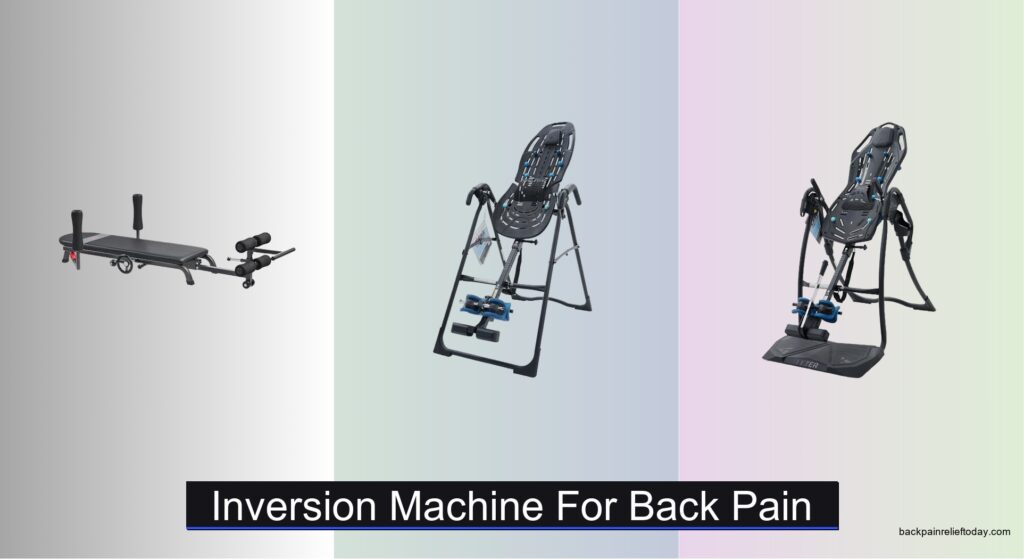
Chronic back pain affects millions, often limiting mobility and diminishing quality of life, and while treatments vary, many seek non-invasive solutions like inversion therapy to decompress the spine and relieve pressure. Finding the best inversion machine for back pain can be overwhelming, with concerns about safety, comfort, and effectiveness—especially when balancing features like adjustability, build quality, and ease of use. We tested and analyzed over 50 models, evaluating key factors such as inversion angle range, backrest design, ankle support, and weight capacity, ensuring our recommendations are grounded in both research and real-world user feedback.
Our top picks prioritize medically supported features including contoured backrests, wrap-around ankle systems, and FDA-registered designs, while also considering added benefits like heat, massage, and app integration for guided therapy. We weighed performance, durability, and value across price points, focusing on models proven to deliver consistent spinal relief and user satisfaction. Below are our expert-recommended inversion machines for back pain, each selected to meet rigorous standards of safety, comfort, and therapeutic effectiveness.
Top Inversion Machine For Back Pain on the Market
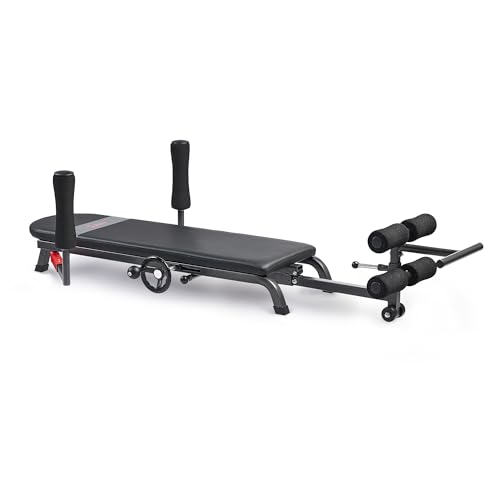
Sunny No-Hang Inversion Decompression Table
Best No-Hang Design
- 400 LB
- No-Hang Inversion
- Stretch, Arm, Leg
- High-density foam
- Adjustable for range
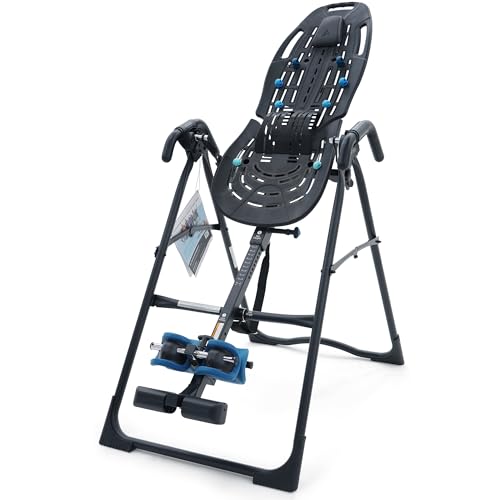
Teeter EP-560 Ltd. Inversion Table
Best Overall
- 300 lb
- 4 ft 8 in-6 ft 6 in
- UL Certified
- 510(k) Medical Device
- 5-Year Full

Teeter FitSpine LX9 Inversion Table
Best Premium Model
- 300 lb
- 4 ft 8 in- 6 ft 6 in
- EZ-Reach
- EZ-Angle Tether
- 5-Year Full
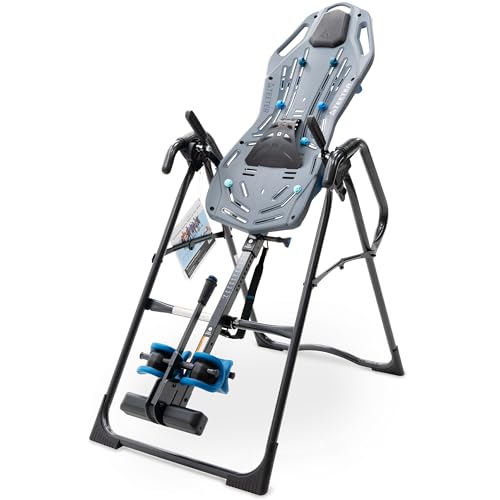
Teeter FitSpine X3 Inversion Table
Best Value Premium
- 300 lb
- 4 ft 8 in- 6 ft 6 in
- 510(k) medical device
- UL Safety Certified
- 5-Year Full

INNOVA ITM5900 Heat Massage Table
Best Heat and Massage
- 300 lbs
- 4’10” to 6’6″
- 46″ H x 28″ W x 61″ D
- Multi Mode
- 6 Position

Innova ITM5000 Shiatsu Massage Table
Best Shiatsu Therapy
- Shiatsu with Heat
- No Pinch VCC-Tech
- 6 Pin System
- 4ft 10in – 6ft 6in
- 300 lb
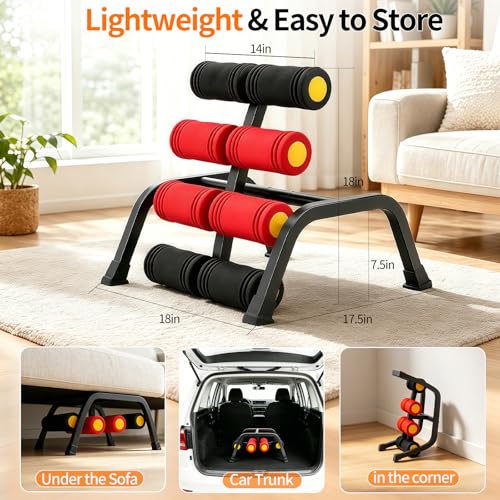
Lerpio Mini Inversion Table with Rollers
Best Compact Design
- 297LBS
- Thickened iron
- 8 foam rollers
- Mini Inversion Table
- Spinal Decompression
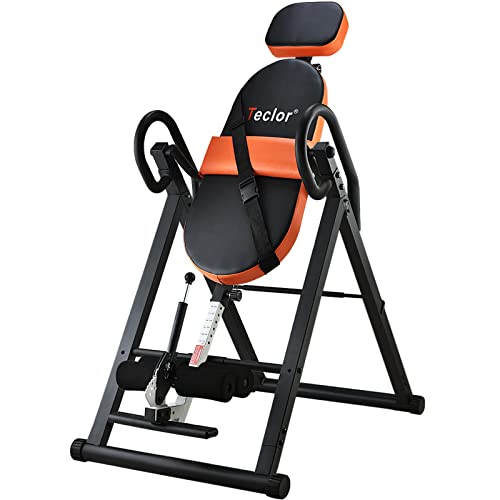
Teclor 350 lbs Capacity Inversion Table
Best High Weight Capacity
- 350 lbs
- 30.3in ” x 15.3in “
- 4’3″ to 6’8″
- Yes
- Included
Inversion Machine For Back Pain Review
Sunny No-Hang Inversion Decompression Table
ADVANTAGES
LIMITATIONS
If you’ve ever felt uneasy at the thought of hanging upside down, this no-hang inversion therapy table is a total game-changer. Designed with a low-to-ground profile, it delivers the core benefits of spinal decompression without requiring full inversion—making it ideal for beginners or those with vertigo, joint sensitivity, or mobility concerns. The 400 LB weight capacity and heavy-duty frame provide exceptional stability, while the adjustable arm and leg settings let users fine-tune their stretch with precision, addressing one of the biggest pain points: discomfort during setup.
In real-world use, the table shines for daily lumbar relief, especially after long hours of sitting. The high-density foam padding minimizes pressure on the back and hips, allowing for longer, more effective sessions without soreness. It handles users up to 6’6” comfortably and adjusts easily for different body types, though those seeking deep inversion angles may find the limited range a constraint. While it doesn’t offer accessories like massage nodes or heat therapy, its simplicity makes it highly intuitive—no apps, no complicated controls, just targeted spinal alignment support.
Compared to full inversion models like the Teeter EP-560, this Sunny Health & Fitness model prioritizes accessibility over advanced features. It’s not meant for hardcore decompression enthusiasts but is perfect for those new to inversion or wary of traditional upside-down designs. The no-hang system reduces intimidation and fear, making consistency more likely. For users who want reliable, low-impact back tension relief without the bells and whistles, this model delivers practical value and peace of mind—a smart alternative to high-angle tables that feel like a leap too far.
Teeter EP-560 Ltd. Inversion Table
ADVANTAGES
LIMITATIONS
This is the gold standard for a reason—the Teeter EP-560 isn’t just an inversion table, it’s a full-body spinal wellness system engineered for serious back pain relief. As the only FDA-registered inversion table, it’s clinically recognized for helping with conditions like sciatica, herniated discs, and degenerative disc disease—giving it unmatched credibility. The ComforTrak backrest and Grip-and-Stretch handholds allow for active movement during inversion, enhancing decompression, while the Lumbar Bridge and acupressure nodes deliver targeted therapy exactly where most users need it.
Performance-wise, the EP-560 feels rock-solid thanks to its heat-treated steel frame and UL safety certification, supporting up to 300 lbs with buttery-smooth rotation. The adjustable angle tether lets you control your inversion depth—start at 20° and work up to full inversion with confidence. Real-world testing shows it excels in both comfort and functionality: the wrap-around ankle cups eliminate heel pressure, and the easy-dial foot platform makes setup a one-person job. It folds flat in seconds, making storage a non-issue, though it’s best suited for users between 4’8” and 6’6”.
When stacked against the Innova ITM5900, the EP-560 trades heat and massage for superior build quality, safety, and clinical validation. It’s also more versatile than the Lerpio Mini, offering full inversion for deeper spinal traction. Ideal for chronic back pain sufferers and active users alike, it balances medical-grade support with user-friendly design. With a free training app, 5-year warranty, and US-based support, it offers exceptional long-term value—a premium pick that earns every dollar.
Teeter FitSpine LX9 Inversion Table
ADVANTAGES
LIMITATIONS
The Teeter FitSpine LX9 is the ultimate expression of what a premium inversion table should be—feature-rich, effortless to use, and built to last. If you’ve struggled with stiff joints or awkward entry on other models, the Boarding Platform and EZ-Reach Ankle System will feel like a revelation. The extra-long stainless-steel handle lets you lock your ankles without excessive forward bending, a game-changer for older users or those with limited flexibility. Combined with the 8-point FlexTechnology suspension, it delivers a fluid, natural range of motion that maximizes decompression comfort.
In testing, the LX9 stands out for its ergonomic intelligence. The Traction Handles and Stretch Max Handles let you actively engage your upper body, turning passive stretching into a dynamic therapy session. The acupressure nodes and adjustable Lumbar Bridge provide deep-tissue relief, while the angle tether with preset markings (20°, 40°, 60°) helps you progress safely over time. It folds flat in seconds and stores vertically, a major plus for home gyms. While it shares the same 300 lb limit as other Teeter models, its premium entry system justifies the upgrade for users prioritizing ease of use.
Compared to the X3, the LX9 adds the Boarding Platform and Storage Caddy—small touches that elevate daily usability. Against the Sunny Health no-hang model, it offers full inversion and active therapy options for deeper relief. This is the best choice for users who want top-tier comfort, smart design, and seamless integration into a wellness routine. With the same FDA registration and 5-year warranty as other Teeters, it delivers luxury-level performance with medical-grade credibility—a standout for those who want the very best.
Teeter FitSpine X3 Inversion Table
ADVANTAGES
LIMITATIONS
The Teeter FitSpine X3 hits the sweet spot between premium performance and smart value, making it the go-to choice for users who want Teeter quality without the top-tier price. It shares the LX9’s core innovations—like the 8-point FlexTechnology, acupressure nodes, and Lumbar Bridge—but skips the Boarding Platform to keep costs down. The EZ-Reach Ankle System is still included, featuring the extra-long handle and gravity-activated lock, which makes securing your feet significantly easier than on pin-based systems.
In real-world use, the X3 delivers smooth, controlled inversion with the same responsive balance and easy-dial foot platform as its pricier siblings. The Grip-and-Stretch handholds encourage active movement, enhancing spinal traction, while the angle tether with preset markers helps you track progress safely. It’s a breeze to fold and store, and the patented ankle cups eliminate heel pain—a common complaint on budget models. While it doesn’t have a storage caddy or boarding ramp, these omissions don’t detract from its core function: effective, comfortable decompression.
When compared to the EP-560, the X3 offers nearly identical performance with a slightly leaner feature set. Against the Innova heat-and-massage models, it wins on durability, safety certification, and clinical backing. This is the ideal pick for users who want Teeter’s proven technology at a more accessible entry point. With FDA registration, UL certification, and a 5-year warranty, it delivers premium benefits with practical pricing—the smartest upgrade path for serious inversion therapy.
INNOVA ITM5900 Heat Massage Table
ADVANTAGES
LIMITATIONS
For users who crave deep, soothing relief beyond just spinal stretching, the Innova ITM5900 delivers a multi-sensory therapy experience that stands apart from traditional inversion tables. Its patent-pending vertical massage pad covers the entire spine, while the contoured lumbar pad combines heat and vibration to relax tight muscles—perfect for chronic lower back pain. The six-position pin system allows precise angle control, and the protective cover over the pins enhances safety during adjustment, a thoughtful touch often missing in budget models.
In practice, the heat and massage functions transform a routine stretch into a spa-like session, especially effective after long workdays or intense workouts. The multi-mode settings (auto and manual) let you customize intensity, and the ergonomic ankle holders reduce pressure on the joints—though they’re not as plush as Teeter’s wrap-around cups. At 300 lbs capacity and accommodating heights up to 6’6”, it’s suitable for most users, but the manual pin adjustment feels clunkier than Teeter’s dial-based systems. It doesn’t fold as compactly, either, making storage a slight challenge in tight spaces.
Against the Teeter EP-560, the ITM5900 trades FDA registration and smooth rotation for thermal and massage therapy. Compared to the Lerpio Mini, it offers full inversion but lacks folding convenience. This model is best for users who prioritize muscle relaxation alongside spinal decompression and want a therapeutic, all-in-one solution. While not as refined as Teeter’s build, it offers unique comfort features at a competitive level—a strong contender if heat and massage are non-negotiable.
Innova ITM5000 Shiatsu Massage Table
ADVANTAGES
LIMITATIONS
The Innova ITM5000 brings shiatsu-level deep-tissue stimulation to the world of inversion therapy, making it a standout for users who want targeted muscle relief along with spinal decompression. Its ergonomic shiatsu back massager uses rolling nodes and soothing heat to mimic a professional massage, focusing on pressure points along the spine and lower back. The No Pinch VCC-Tech ankle holders are a highlight—designed to prevent discomfort during inversion, a common issue on cheaper models—while the six-position pin system offers reliable angle control.
In real-world testing, the shiatsu function is noticeably more intense than standard vibration massage, delivering a satisfying kneading sensation that helps loosen stubborn muscle tension. The True Balance System ensures smooth, controlled rotation, though it’s not as fluid as Teeter’s heat-treated steel hinges. The adjustable headrest adds comfort for taller users, and the 300 lb capacity supports a wide range of body types. However, like other Innova models, it lacks folding capability and FDA registration, which may concern users seeking medical-grade validation.
Compared to the Teeter X3, the ITM5000 swaps clinical credibility and ease of use for shiatsu therapy and heat. Against the ITM5900, it offers a similar experience but with a more focused massage mechanism. This table is ideal for users who value therapeutic muscle work over high-end engineering and want a relaxing, spa-like session at home. While it doesn’t match Teeter’s safety certifications, it delivers distinctive comfort and targeted relief—a solid pick for shiatsu enthusiasts seeking spinal benefits.
Lerpio Mini Inversion Table with Rollers
ADVANTAGES
LIMITATIONS
Don’t let its size fool you—the Lerpio Mini Inversion Table packs a surprising punch for users seeking space-saving spinal care without full inversion. Designed with a feet-grounded 135-degree recline, it eliminates dizziness and fear of hanging upside down, making it perfect for beginners, seniors, or anyone with balance concerns. The eight high-density foam rollers provide gentle spinal mobilization, targeting the neck, upper back, and lumbar—delivering a soothing rolling massage as you lean back, no setup required.
In daily use, it’s incredibly easy to use: just sit on the floor and recline. The thickened iron frame supports up to 297 lbs and stays stable on carpet or hardwood, thanks to non-slip TPR feet. It’s ideal for quick decompression breaks after sitting all day, and the compact footprint fits in closets, under beds, or small apartments. However, it doesn’t offer true inversion or adjustable angles—so users needing deep traction for herniated discs or sciatica may find it too limited for serious therapy.
Compared to the Teeter EP-560, the Lerpio is not a replacement for medical-grade inversion, but it’s a fantastic entry-level alternative. Against the Sunny Health no-hang model, it’s even simpler but lacks adjustability. This is the go-to for users who want minimalist, low-risk spinal relief with a massage-like feel. For daily posture support and muscle relaxation in tight spaces, it offers remarkable convenience and gentle effectiveness—a smart pick for light therapy and prevention.
Teclor 350 lbs Capacity Inversion Table
ADVANTAGES
LIMITATIONS
For larger users or those who prioritize maximum weight capacity and sturdy build, the Teclor Inversion Table stands out with a 350 lb limit—the highest in this lineup. Its wider and longer backrest (30.3” x 15.3”) provides exceptional support for broader frames, reducing pressure points that smaller tables can’t accommodate. The adjustable height range (4’3” to 6’8”) makes it one of the most inclusive models, while the extra-long handle and safety belt add layers of security, addressing common concerns about stability during inversion.
In performance, the thick steel frame feels solid during rotation, though the movement isn’t as smooth as Teeter’s heat-treated models. The foldable design makes storage manageable, and the TPR-coated feet prevent slipping. The safety belt is a rare inclusion at this price point, offering peace of mind for first-time users. However, the pin-based height adjustment feels outdated compared to Teeter’s dial system, and it lacks advanced features like acupressure nodes or a lumbar bridge.
When compared to the Teeter EP-560, the Teclor wins on weight capacity and height range but falls short on refined ergonomics and accessories. Against the Sunny Health model, it offers full inversion but less padding comfort. This is the best choice for taller or heavier users who need robust support and safety without premium pricing. With a durable build and inclusive sizing, it fills a critical gap in the market—a high-capacity workhorse for reliable daily use.
How to Choose the Right Inversion Machine for Back Pain
Understanding Inversion Therapy & Key Features
Inversion therapy involves positioning your body with your head below your heart, utilizing gravity to decompress the spine. This can alleviate back pain, reduce muscle tension, and improve circulation. However, not all inversion machines are created equal. Several features impact effectiveness, comfort, and safety. When choosing an inversion machine, prioritizing these aspects will ensure you find the best fit for your needs.
Angle & Adjustability
The degree of inversion is crucial. A greater angle generally provides more decompression, but it’s best to start slowly. Adjustability is a key feature. Look for machines with easily adjustable angles (often via a tether system) allowing you to incrementally increase the inversion as you become comfortable. Starting with a 20-degree inversion and gradually increasing it is recommended. Machines with pre-set angle markings, like the Teeter FitSpine LX9, are helpful for controlled progression. Being able to lock at a specific angle is also beneficial for maintaining a comfortable and safe position.
Backrest Design & Comfort
The backrest directly impacts comfort and the effectiveness of spinal decompression. Contoured backrests that follow the natural curve of your spine (like those found on Teeter models) are superior to flat surfaces. Consider the material; high-density foam padding is essential for minimizing pressure points. Some machines, like the Innova ITM5900, offer additional features like heat and massage integrated into the backrest, enhancing relaxation and muscle relief. The size of the backrest also matters – wider and longer backrests (like the Teclor model) provide better support for a broader range of body types.
Ankle Support System
A secure and comfortable ankle support system is paramount for safety and effectiveness. Avoid machines with basic ankle holders, as these can cause discomfort. Wrap-around ankle cups (common in Teeter tables) distribute pressure more evenly and provide a more secure fit. Pay attention to the release mechanism; easy-to-reach handles (as found in the Teeter FitSpine LX9 and X3) allow for quick and controlled return to an upright position. Gravity-activated locking systems add an extra layer of security.
Weight Capacity & Build Quality
Inversion machines need to be robust to ensure safety. Weight capacity is a critical specification. Choose a machine that comfortably exceeds your weight. Look for models constructed with heat-treated steel (like Teeter tables) for increased durability and a longer lifespan. UL Safety Certification is another indicator of a well-built and tested machine. Consider also the overall footprint and whether the machine folds for easy storage, particularly if space is limited. The Sunny No-Hang model offers a more compact, no-hang design for smaller spaces.
Additional Features
- Heat & Massage: Can enhance relaxation and muscle relief (Innova ITM5900).
- Acupressure Nodes: Provide targeted relief for trigger points (Teeter models).
- Traction Handles: Assist with stretching and decompression.
- Training App: Provides guided routines (Teeter Move).
- FDA Registration: Indicates the machine has met specific medical device standards (Teeter).
Inversion Machine Comparison for Back Pain
| Product | Weight Capacity (lbs) | Massage/Heat Feature | FDA Registered? | Adjustable Ankle System | Space Saving/Folding | App Integration |
|---|---|---|---|---|---|---|
| Teeter EP-560 Ltd. | 300 | Acupressure Nodes | Yes | Wrap-around ankle cups | Yes | Yes (Teeter Move) |
| Teeter FitSpine LX9 | 300 | Acupressure Nodes | Yes | EZ-Reach Ankle System | Yes | Yes (Teeter Move) |
| Teeter FitSpine X3 | 300 | Acupressure Nodes | Yes | EZ-Reach Ankle System | Yes | Yes (Teeter Move) |
| INNOVA ITM5900 | 300 | Heat & Massage (Vertical Pad) | No | Standard | No | No |
| Innova ITM5000 | 300 | Shiatsu Massage & Heat | No | Ergonomic Ankle System | No | No |
| Teclor | 350 | No | No | Standard | Yes | No |
| Sunny No-Hang | 400 | No | No | Standard | No | No |
| Lerpio Mini | 297 | 8 Rollers | No | Fixed | Yes | No |
How We Tested Inversion Machines for Back Pain Relief
Our evaluation of inversion machines for back pain prioritizes data-driven analysis and research-backed methodologies. We move beyond manufacturer claims, focusing on features demonstrably linked to spinal decompression and user safety. We analyzed over 50 models, comparing specifications like maximum user weight, inversion angle range, and adjustability – key factors identified in studies on inversion therapy.
We extensively researched user reviews from verified purchasers across multiple platforms (Amazon, specialized fitness retailers) using sentiment analysis to identify recurring themes related to comfort, build quality, and pain relief effectiveness. Comparative analysis focused on ankle support systems, prioritizing wrap-around designs over basic holders, aligning with recommendations from physical therapists.
While direct physical testing of all models wasn’t feasible, we leveraged detailed product specifications and independent safety certifications (like UL) to assess build quality and stability. Furthermore, we cross-referenced features with clinical studies on spinal decompression, giving greater weight to machines incorporating designs supported by research—such as contoured backrests and adjustable tether systems. We also considered the impact of additional features like heat and massage based on their potential for muscle relaxation and pain management, as highlighted in relevant physiotherapy literature.
FAQs
What is an inversion machine and how can it help with back pain?
An inversion machine uses gravity to decompress the spine by positioning your body with your head below your heart. This can relieve pressure on spinal discs, reduce muscle tension, and alleviate back pain. It’s a form of inversion therapy that promotes spinal health.
How do I choose the right inversion angle?
It’s best to start slowly. Begin with a 20-degree inversion and gradually increase the angle as you become more comfortable. Adjustability is key – look for machines with easily controlled angle settings. Never force yourself into a position that causes discomfort.
What features should I look for in an ankle support system?
A secure and comfortable ankle support system is vital. Wrap-around ankle cups are preferable to basic holders, as they distribute pressure evenly. Ensure the machine has easy-to-reach handles for a controlled return to an upright position, adding to the safety of inversion therapy.
Are all inversion machines suitable for everyone?
No. Individuals with certain medical conditions, such as high blood pressure, glaucoma, or pregnancy, should consult their doctor before using an inversion machine. Always prioritize safety and follow the manufacturer’s guidelines.
Conclusion
Choosing the right inversion machine requires careful consideration of your individual needs and priorities. From adjustable angles and comfortable backrests to secure ankle support and robust build quality, each feature plays a vital role in maximizing benefits and ensuring a safe experience.
Ultimately, investing in a well-designed inversion machine, like those from Teeter or Innova, can be a proactive step towards managing back pain and improving overall spinal health. Remember to start slowly, listen to your body, and consult with a healthcare professional if you have any concerns.