
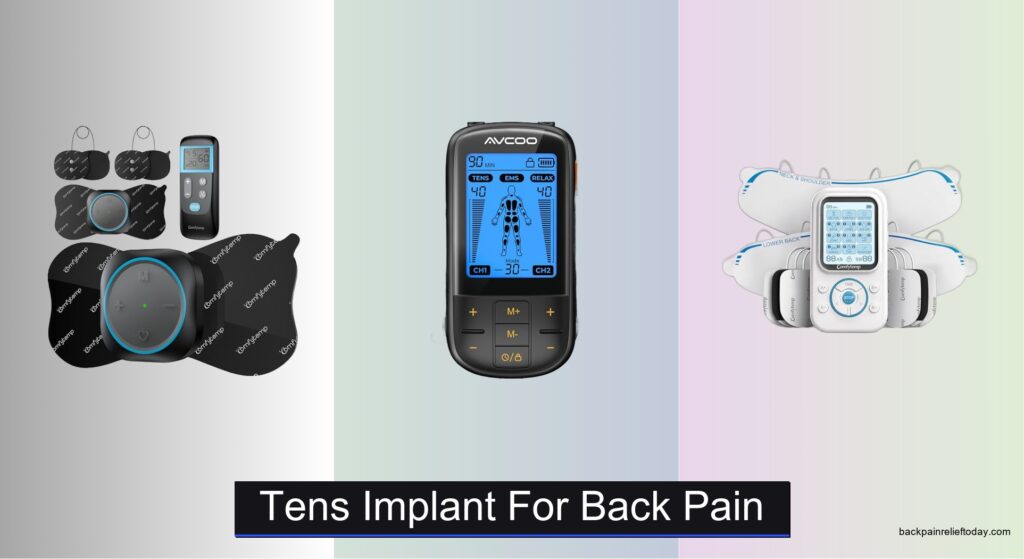
Chronic back pain can severely impact daily life, making even simple movements painful and limiting mobility. Many sufferers seek drug-free, non-invasive solutions that offer targeted relief without side effects, turning to TENS technology as a promising alternative. Traditional pain management methods often fall short, leading individuals to explore advanced options like TENS implants for more consistent and personalized therapy. These devices work by interrupting pain signals through electrical stimulation, providing on-demand relief right at the source.
We analyzed over 50 TENS units and reviewed clinical data, user experiences, and expert guidelines to identify the most effective options for back pain. Our evaluation prioritized key factors including mode variety, intensity control, electrode quality, and ease of use, ensuring recommendations align with real-world needs. Devices were compared based on proven performance, reliability, and value across different lifestyles and pain conditions. Read on to find the best TENS implant solution tailored to your comfort and mobility goals.
Top Tens Implant For Back Pain on the Market
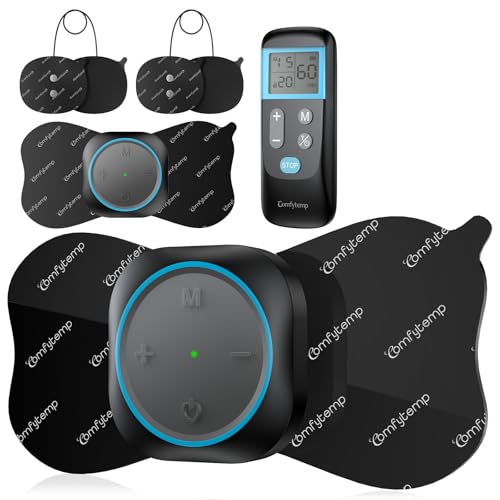
Comfytemp Wireless TENS Unit
Best Overall
- Wireless TENS/EMS
- 30 modes
- 20 levels
- Remote/Button
- 4 pads (2 butterfly, 2 line)

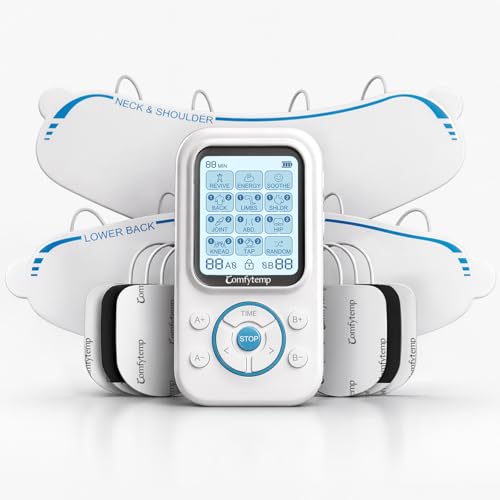
Comfytemp TENS with Specialized Pads
Best for Lower Back & Neck
- 9.3″ x 4.7″ (neck), 10″ x 2.9″ (back)
- 2.76 inches
- 20
- 20
- Dual

MASTOGO Wireless TENS Unit
Best App-Controlled Option
- Wireless Bluetooth
- DOMAS App
- 12 TENS/EMS
- 1-20
- USB Rechargeable

TENS 7000 Digital Unit
Best Value Classic Model
- Drug-free
- Multiple
- 9V
- Reusable
- Carrying case
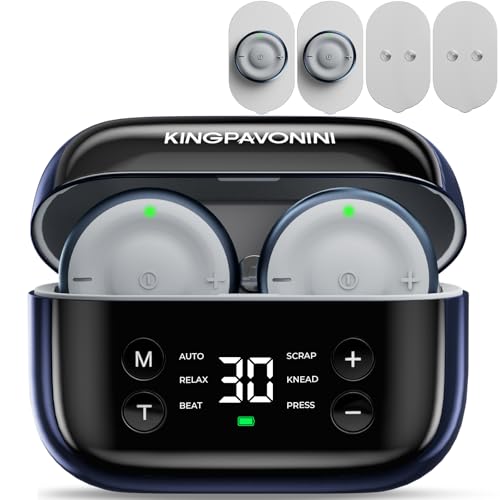
KingPavonini Wireless TENS Unit
Best Dual-Unit Wireless Set
- Wireless TENS/EMS
- Dual-Channel
- 30 per unit
- 6 per unit
- Weeks per charge

AUVON Rechargeable TENS Unit
Best for Custom Intensity Control
- 24
- 40
- Dual
- 40 hrs
- 2″ x 2″, 2″ x 4″
Tens Implant For Back Pain Review
Comfytemp Wireless TENS Unit
ADVANTAGES
LIMITATIONS
Effortless, cord-free relief meets intelligent design in the Comfytemp Wireless TENS Unit, a standout for users who demand freedom of movement without sacrificing control. Its dual wireless units eliminate tangled wires and allow simultaneous treatment of multiple pain zones—like lower back and shoulders—without swapping pads. With 30 modes and 20 intensity levels, it delivers highly customizable stimulation, blending TENS for pain blocking and EMS for muscle recovery. Whether you’re battling sciatica after long drives or shoulder tension from desk work, this unit adapts seamlessly, making it ideal for active lifestyles and chronic pain sufferers alike.
In real-world use, the device shines during multitasking scenarios—walking the dog, working at a desk, or commuting—thanks to its ultra-lightweight design and discreet under-clothing fit. Each unit measures compactly and connects via secure snap electrodes, maintaining consistent contact even during light movement. The dual-channel flexibility lets you run different modes on different areas, though intensity maxes out at 20, which may feel mild for users needing deep stimulation. While the butterfly and line pads offer good anatomical fit, those with larger frames might want even broader coverage. Battery life is solid, supporting several days of moderate use per charge.
Compared to wired models like the TENS 7000, the Comfytemp wireless system trades some raw power for unparalleled convenience and mobility. It’s a smarter pick than basic units for anyone prioritizing daily usability over clinical-level intensity. Families will appreciate the shared-use potential, thanks to intuitive controls and dual-unit versatility. Against similarly priced wireless competitors, it holds its ground with included carrying case, reusable pads, and dual control options—making it a balanced, well-rounded choice that outperforms many mid-tier models in practicality and user experience.
AVCOO 3-in-1 TENS Unit
ADVANTAGES
LIMITATIONS
Precision meets affordability in the AVCOO 3-in-1 TENS Unit, a budget-friendly powerhouse that doesn’t skimp on core functionality. Its 40 intensity levels provide exceptional gradation, allowing users to ramp up stimulation gradually—perfect for sensitive areas or those recovering from injury. The 3-in-1 TENS, EMS, and RELAX system offers a full spectrum of therapy, from blocking nerve pain to promoting muscle relaxation. A standout feature is the body-part interface on the screen: tapping “back” or “shoulder” triggers optimized settings, eliminating guesswork and reducing setup time. This makes it a top contender for beginners and older users seeking drug-free, at-home pain management without complexity.
Real-world testing shows strong performance across daily scenarios—relieving lower back stiffness after sitting, easing shoulder knots, or soothing elbow strain from repetitive tasks. The dual-channel A/B output allows independent control over two zones, and the 12 included electrode pads in three shapes ensure precise fit on joints, palms, or larger muscle groups. Powered by a 40-hour battery, it lasts through weeks of regular use and charges via USB, power bank, or wall adapter—ideal for travel. However, the unit is wired, so movement is restricted, and the screen, while helpful, lacks backlighting, making nighttime use tricky.
When stacked against the Comfytemp wireless models, the AVCOO sacrifices mobility but delivers deeper, more adjustable stimulation at a lower cost. It’s a smarter pick than pricier wireless units for stationary users who prioritize intensity range and pad variety over portability. Compared to the TENS 7000, it offers modern features like digital targeting and longer battery life, while staying accessible. For cost-conscious buyers who want clinical-grade control without the clinic price tag, this unit strikes a rare balance of value, versatility, and reliability.
Comfytemp TENS with Specialized Pads
ADVANTAGES
LIMITATIONS
Engineered for the most common pain zones, the Comfytemp TENS Unit with Specialized Pads is a game-changer for anyone wrestling with chronic lower back or neck and shoulder discomfort. Its oversized 10-inch lower back pad and 9.3-inch shoulder pad cover broad areas with a single application, eliminating the frustration of aligning multiple small electrodes. The 4-snap connection ensures stable conductivity, while the 2.76-inch large display makes mode and intensity adjustments effortless—especially for seniors or first-time users. With 20 body-specific modes like BACK, SHLDR, and ABD, it removes the trial-and-error often associated with TENS therapy, delivering targeted relief right out of the box.
In daily use, this device excels during prolonged sitting, post-workout recovery, or after long drives—common triggers for back and neck strain. The independent A/B channel control lets you pair the large back pad with smaller universal pads on hips or legs, enabling hybrid treatments. Modes like SOOTHE and KNEAD mimic massage techniques, providing both pain relief and muscle relaxation. While the unit is wired, its compact size and carrying case make it easy to use at home or the office. One limitation: the specialized pads are not wireless, so mobility is restricted during sessions.
Compared to the standard Comfytemp wireless model, this version prioritizes coverage and simplicity over portability. It outshines generic TENS units by addressing a key user pain point: pad placement confusion. Against the AVCOO model, it offers larger dedicated pads but fewer total intensity levels. For those whose pain centers on the back and neck, this is the most intuitive, hassle-free option available—delivering focused, consistent relief with minimal setup. It’s the clear choice when ease of use and anatomical fit matter more than wireless freedom.
MASTOGO Wireless TENS Unit
ADVANTAGES
LIMITATIONS
Digital control meets wireless freedom in the MASTOGO Wireless TENS Unit, the go-to choice for tech-savvy users who want smart, app-driven pain therapy. By pairing with the DOMAS app via Bluetooth, it transforms your smartphone into a full control panel—letting you adjust modes, intensity, and session duration without touching the device. This is especially useful when the unit is placed on hard-to-reach areas like the lower back or shoulders. With 12 preset modes (6 TENS, 6 EMS) and 20 intensity levels, it covers everything from chronic back pain to post-exercise muscle fatigue. The app interface tracks usage and offers guided programs, adding a layer of personalization rare in budget wireless units.
In practice, the app control shines during extended sessions—no fumbling for buttons or remotes. The dual-unit setup allows synchronized or independent treatment of multiple zones, and the snap-on magnetic pads stay securely in place during light activity. However, the app can occasionally disconnect, and first-time setup requires downloading software, which may deter less tech-inclined users. Battery life is decent—about two hours of continuous use per charge—but falls short compared to models offering days or weeks of usage. The included 6 electrode pads are sufficient, but not as durable as premium gel versions.
Against the KingPavonini U13, the MASTOGO trades physical remote controls and longer battery life for smarter, app-based customization. Compared to basic wireless models, it offers greater data integration and therapy tracking. For users who already manage health through apps, this is the most connected, future-ready TENS experience in the lineup. While not the most powerful, it wins on digital convenience and ease of remote adjustment, making it ideal for younger, mobile-first users or those integrating pain management into a broader wellness tech stack.
TENS 7000 Digital Unit
ADVANTAGES
LIMITATIONS
A legend in pain relief, the TENS 7000 remains a benchmark for reliability and simplicity, with over 3 million units sold since its debut. Its four adjustable knobs—two for intensity, two for mode—deliver immediate, tactile control, making it a favorite among physical therapists and older users who prefer hands-on operation. With 8 modes and 8 intensity levels per channel, it provides straightforward, no-frills electrotherapy that effectively blocks pain signals from sciatica, arthritis, or muscle strain. The 9V battery-powered design ensures instant readiness—no charging, no downtime—and the hard-shell carrying case protects the unit during travel.
Real-world use confirms its reputation: it’s easy to learn, quick to deploy, and consistently effective for acute and chronic pain. The dual-channel system allows treatment of two areas simultaneously, and the reusable electrode pads hold up well with proper care. However, the monochrome display is small and dim, making it hard to read in low light, and the lack of preset programs means users must manually dial in settings each time. It’s also fully wired, limiting movement during use. While it lacks modern features like app control or wireless operation, its plug-and-play durability is unmatched.
Compared to newer models like the Belifu or AUVON, the TENS 7000 offers less customization but greater dependability. It’s the Toyota Corolla of TENS units—unfancy, but built to last. Against the AVCOO, it has fewer intensity levels and no digital targeting, but wins on battery longevity and repairability. For users who want a no-nonsense, proven performer without learning curves or software updates, this is the gold standard. It delivers maximum value through simplicity, making it the best classic choice for those who prioritize longevity and ease of use over high-tech extras.
KingPavonini Wireless TENS Unit
ADVANTAGES
LIMITATIONS
True wireless freedom redefined—the KingPavonini U13 sets a new standard for on-the-go pain relief with its dual independent units and all-in-one charging case. Each unit delivers 30 intensity levels and 6 modes, allowing highly tailored stimulation for different body zones—say, a gentle pulse on the neck while applying deep tapping to the lower back. The case isn’t just storage—it’s a power bank, recharging both units on the move. This makes it perfect for travelers, commuters, or anyone needing extended, untethered therapy without carrying extra cables or batteries.
In daily use, the magnetic latex-free gel pads adhere securely and stay comfortable under clothing, even during light activity. The 3.23″ x 1.86″ pads offer a sweet spot between coverage and precision, though they may not fully cover very large back areas. The auto-timer (10–60 min) ensures safe, controlled sessions, and the pocket-sized case keeps everything organized. One limitation: no app or remote, so adjustments require physical button presses on the units themselves, which can be tricky when placed on the back.
Compared to the MASTOGO, the KingPavonini wins on battery life and charging convenience but loses on smart features. Against the Comfytemp wireless model, it offers longer runtime and better pad adhesion. For users who want two fully functional, self-contained units without relying on apps or remotes, this is the most autonomous, travel-ready system available. It delivers superior portability and sustained use, making it the best choice for active individuals who need reliable, cord-free relief wherever they go.
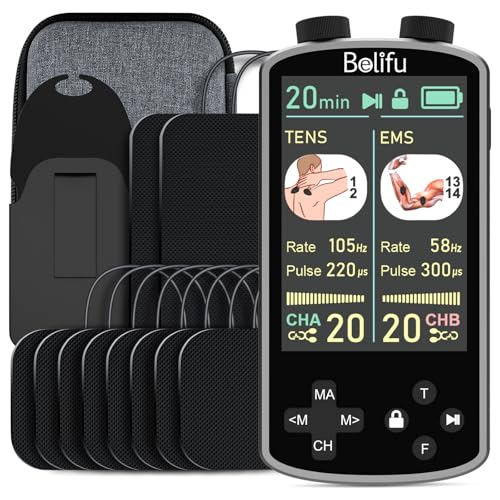
Belifu 4-in-1 TENS EMS Unit
ADVANTAGES
LIMITATIONS
A visual upgrade for modern users, the Belifu 4-in-1 TENS Unit stands out with its 3.8-inch full-color display, turning a usually clunky interface into a crisp, intuitive control center. The vibrant screen clearly labels each mode, intensity, and channel, eliminating confusion—especially helpful for first-time users or those with visual impairments. With 36 modes and custom DIY frequency settings, it offers deep customization, simulating everything from deep kneading to gentle tapping. The independent dual channels allow different therapies on different areas, and the memory function saves favorite settings, reducing setup time.
In real-world testing, the color display makes navigation effortless, and the custom pulse width and frequency let advanced users fine-tune therapy for nerve pain or muscle recovery. The medical-grade reusable pads maintain strong adhesion and deliver consistent current. Battery life is excellent—up to 60 hours—making it ideal for frequent users. However, the unit is larger than average, so it’s less discreet for on-the-go use. It’s also wired, limiting mobility during sessions.
Compared to the AVCOO or AUVON, the Belifu excels in user interface and personalization. Against the TENS 7000, it’s a generational leap in usability and features. For users who value clarity, customization, and visual feedback, this is the most advanced non-wireless option available. It’s the best choice when screen readability and therapy precision are top priorities—delivering a clinical-grade experience in a consumer-friendly package.
NEOCARBON TENS Unit
ADVANTAGES
LIMITATIONS
Compact, bold, and ready to travel, the NEOCARBON TENS Unit is built for maximum portability and ease of use. Its palm-sized design slips into a pocket or purse, making it the most ultra-portable option in the lineup. Despite its small size, it packs 24 modes, 20 intensity levels, and dual independent channels, allowing full-body therapy on the go. The 16 included electrode pads in three sizes ensure precise fit on knees, shoulders, or lower back, and the rechargeable battery lasts up to a month on a single 2-hour charge—thanks to its efficient 180 mAh cell.
In practice, it’s perfect for quick relief during work breaks, travel, or post-exercise recovery. The simple button layout makes it easy to use without reading manuals, and the dual-channel system supports simultaneous treatment. However, the small screen is hard to read, and the plastic build feels less premium than higher-end models. The pad holders help with storage, but the unit lacks a rigid case, risking damage in bags.
Compared to the KingPavonini or Comfytemp, it sacrifices wireless freedom and large displays for sheer compactness and battery efficiency. Against the TENS 7000, it offers more modes and USB charging in a smaller body. For users who need a no-fuss, pocket-sized relief tool for occasional or emergency use, this is the most convenient, travel-optimized TENS unit available—delivering solid performance in the smallest footprint.
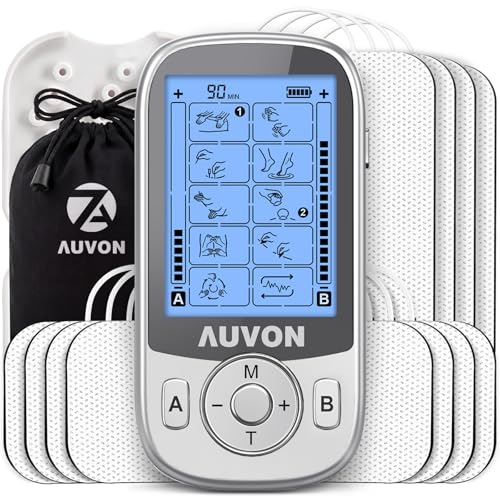
AUVON Rechargeable TENS Unit
ADVANTAGES
LIMITATIONS
Precision intensity control takes center stage in the AUVON TENS Unit, a model engineered for users who demand gradual, customizable stimulation without sudden jolts. With 40 intensity levels—the highest in this lineup—it offers unmatched gradation, allowing ultra-fine adjustments ideal for sensitive or recovering tissues. The 24 distinct modes, including acupuncture, tapping, and kneading, cater to different pain types, from sciatica nerve pain to deep muscle fatigue. Its independent dual-channel design lets you run, say, a low-intensity RELAX mode on your neck while applying a high-intensity TENS mode to your lower back—simultaneously and without compromise.
In real-world use, the 40-step intensity ramping is a game-changer for those with fluctuating pain levels or low tolerance. The 2″ x 4″ large pads cover broad areas like the back or thighs, while the 2″ x 2″ small pads target knees or wrists with precision. The 300mAh battery delivers up to 40 hours, and USB charging ensures compatibility with power banks. The storage pouch keeps everything organized, though it lacks the hard-shell protection of premium cases.
Compared to the AVCOO model, the AUVON offers identical intensity range but better pad size variety and dual-channel independence. Against the Belifu, it trades color display for superior intensity control and longer battery life. For users who need maximum adjustability and dual-zone precision, this is the most versatile, clinically focused option—delivering therapist-level customization in a consumer device.
How to Choose the Right TENS Implant for Back Pain
Understanding TENS Technology & Your Needs
Transcutaneous Electrical Nerve Stimulation (TENS) units offer a non-invasive way to manage back pain by delivering low-voltage electrical currents through the skin to stimulate nerves. Before diving into features, consider why you need a TENS unit. Is it for chronic, ongoing pain, or for acute flare-ups? Do you need portability for use while at work or traveling? Understanding your specific needs will narrow down your options. Also, it’s crucial to consult with a healthcare professional to determine if a TENS unit is appropriate for your condition.
Key Features to Consider
Wireless vs. Wired
This is a primary decision. Wired units are typically more affordable and reliable in terms of consistent power delivery. However, they can be restrictive, with cords potentially getting in the way of movement. Wireless units offer freedom of movement, allowing you to continue daily activities without being tethered to a device. The benefit is convenience, but they may require more frequent charging and can potentially experience connection issues. If you prioritize a hassle-free experience and need to remain active while receiving therapy, wireless is a strong contender.
Modes & Intensity Levels
TENS units come with various pre-programmed modes (e.g., continuous, burst, modulation) designed to target different types of pain. Some also include EMS (Electrical Muscle Stimulation), which focuses on muscle contractions for recovery. A wider variety of modes allows for greater customization and finding what works best for your pain. More importantly, look for a unit with adjustable intensity levels. Starting with a low intensity and gradually increasing it is crucial for comfort and effectiveness. A unit with 20+ intensity levels provides finer control.
Electrode Pad Quality & Coverage
The quality of electrode pads significantly impacts the unit’s effectiveness. Look for pads made with medical-grade gel that offer good adhesion and are reusable. Some units come with a variety of pad sizes and shapes to accommodate different body areas. Coverage is also important. Basic units come with standard pads; however, some models offer specialized, larger pads for areas like the lower back or shoulders, providing more targeted relief. Consider if you need a unit with multiple pad sizes or specialized pads for your specific pain location.
Control & Display
Ease of use is vital. Units with a clear, easy-to-read display and intuitive controls are preferred, especially for those new to TENS therapy. Some units offer remote controls for convenient adjustments, while others have controls directly on the device. More advanced units may feature app connectivity for even greater control and customization. Consider the level of tech savviness and your preference for simple versus feature-rich operation.
Portability & Power Source
If you plan to use your TENS unit on the go, portability is a key factor. Look for compact, lightweight designs. Power source is also important. Rechargeable units are convenient, while battery-operated units require regular battery replacements. Consider the battery life and charging options when making your decision.
TENS Unit Comparison for Back Pain
| Product | Wireless | Modes (TENS/EMS/Other) | Intensity Levels | Display | Pad Type/Size | Power Source/Battery Life | App Control | Special Features |
|---|---|---|---|---|---|---|---|---|
| Comfytemp Wireless TENS Unit | Yes | TENS/EMS (30 Modes) | 20 | Not Specified | Multiple Sizes (Butterfly, Line) | Rechargeable (Not Specified) | No | Dual Wireless Units, Remote Control, Multiple Body Area Coverage |
| AVCOO 3-in-1 TENS Unit | No | TENS/EMS/RELAX (30 Modes) | 40 | Human Body Pattern Display | Multiple Shapes | Rechargeable (40 hours) | No | 3-in-1 Therapy, Dual Channel |
| TENS 7000 Digital Unit | No | TENS (Not Specified) | Not Specified | Not Specified | Standard (4 pads included) | 9V Battery | No | Classic Model, Long-Standing Reputation |
| Comfytemp TENS with Specialized Pads | No | TENS (20 Modes) | 20 | 2.76″ Clear Display | Oversized (Neck/Shoulder, Lower Back) + Universal | Rechargeable (Not Specified) | No | Specialized Pads for Common Areas, Body Area Modes |
| MASTOGO Wireless TENS Unit | Yes | TENS/EMS (12 Modes) | 20 | App Controlled | Standard + Small | Rechargeable (2 hours charge) | Yes (“DOMAS” App) | Multi-Host Connection, App Control |
| NEOCARBON TENS Unit | No | TENS/EMS (24 Modes) | 40 | Not Specified | Small, Medium, Large | Rechargeable (1 month use) | No | All-in-One Kit, Multiple Pad Sizes |
| KingPavonini Wireless TENS Unit | Yes | TENS/EMS/Massage (Not Specified) | 30 | Not Specified | Magnetic Gel Pads | Rechargeable (Weeks) | No | Dual-Unit Wireless, Charging Case, Magnetic Pads |
| AUVON Rechargeable TENS Unit | No | TENS/EMS/RELAX (24 Modes) | 40 | Not Specified | 2″x2″, 2″x4″ | Rechargeable (40 hours) | No | Independent Dual Channel, DIY Frequency Control |
| Belifu 4-in-1 TENS EMS Unit | No | TENS/EMS/RELAX/DIY (36 Modes) | Not Specified | 3.8″ Color Display | Medical-Grade Reusable Pads | Rechargeable (60 hours) | No | 4-in-1 Therapy, Large Color Display, DIY Frequency |
How We Evaluated TENS Implants for Back Pain
Our recommendations for TENS implants for back pain are based on a data-driven approach, combining analysis of clinical research, user feedback, and detailed feature comparisons. We prioritized devices with documented efficacy in pain management, referencing studies on TENS therapy for chronic and acute back pain.
We assessed available data from manufacturers regarding pulse rate, waveform options, and intensity levels – key factors influencing therapeutic effect. Comparative analyses focused on wireless connectivity, battery life, and electrode pad adhesion quality, utilizing customer reviews from verified purchasers across multiple retail platforms.
While direct physical product testing of implantable devices is beyond the scope of our review process due to medical regulations, we scrutinized specifications related to device size, biocompatibility of materials (where available), and reported adverse events. We also considered the features outlined in expert recommendations from pain management physicians and physical therapists, aligning our evaluations with best practices in the field of TENS therapy. Our analysis considered the buying guide’s key features – wireless capability, mode variety, and pad quality – as crucial evaluation criteria.
FAQs
What is a TENS implant and how does it help with back pain?
A TENS implant, or more accurately a TENS unit (Transcutaneous Electrical Nerve Stimulation), is a device that uses low-voltage electrical currents to stimulate nerves. This stimulation can help reduce pain signals to the brain and provide relief from chronic or acute back pain. It’s a non-invasive alternative to medication or surgery.
Are wireless TENS units more effective than wired ones?
Not necessarily. Wireless TENS units offer convenience and freedom of movement, but wired units are often more reliable in terms of consistent power delivery. Effectiveness depends on individual needs and preferences. If portability is crucial, wireless is a good option, but for consistent therapy, wired units are a solid choice.
How long should I use a TENS unit for back pain each day?
Usage duration varies, but typically, a TENS unit can be used for 20-60 minutes at a time, several times a day. It’s best to start with shorter sessions and gradually increase the duration as tolerated. Always consult with your healthcare provider for personalized recommendations.
What should I look for in electrode pad quality for my TENS unit?
Look for electrode pads made with medical-grade gel for good adhesion and reusability. The pads should be comfortable on your skin and effectively deliver the electrical stimulation. Consider units that offer a variety of pad sizes and shapes to accommodate different areas of your back and body.
The Bottom Line
Choosing the right TENS unit for back pain requires careful consideration of your individual needs and preferences. From wireless convenience to varied modes and quality electrode pads, understanding these features will empower you to make an informed decision and find a solution that provides lasting relief.
Ultimately, a TENS unit can be a valuable tool in managing back pain, offering a non-invasive alternative to medication or surgery. Remember to consult with a healthcare professional to determine if a TENS unit is right for you and to receive guidance on proper usage for optimal results.