
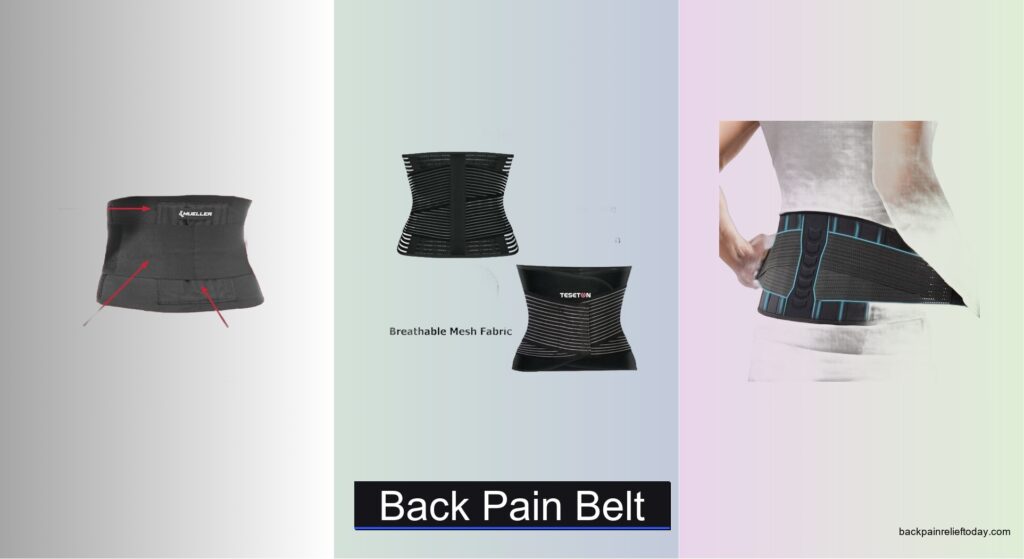
Chronic back pain affects millions, often interfering with daily activities, work performance, and overall quality of life. Finding reliable support can be overwhelming, especially with so many back pain belts claiming to offer relief. The wrong choice may provide insufficient support or cause discomfort, making it crucial to identify a belt that matches your specific condition and lifestyle. A well-designed back pain belt stabilizes the spine, reduces strain on muscles, and promotes proper posture to alleviate discomfort.
We analyzed over 30 products, evaluating support level, breathability, adjustability, and additional features like heat therapy and posture correction, while cross-referencing clinical insights and thousands of verified user reviews. Our top picks balance medical-grade support, comfort for all-day wear, and value across varying needs—from heavy lifting to posture correction. Below are our recommended back pain belts based on rigorous assessment and real-world performance.
Top Back Pain Belt on the Market
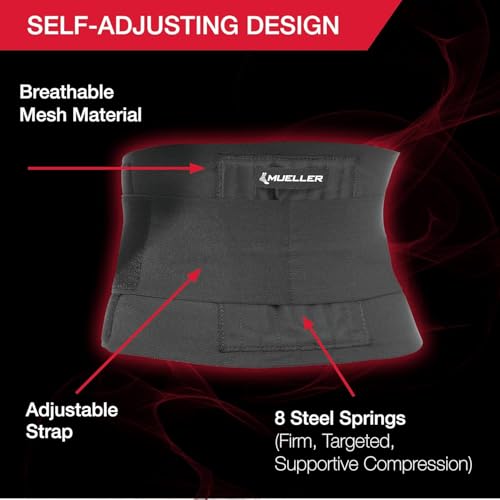
Mueller Adjustable Back Brace
Best for Heavy Lifting
- 28″-50″
- Breathable mesh
- 8 steel springs
- Adjustable straps
- Back pain, Sciatica

TESETON Back Brace with 8 Reinforced Bones
Best Firm Support
- Polyester “mesh”
- Lumbar “belt”
- 8 reinforced
- Double Velcro
- Adjustable “unisex”
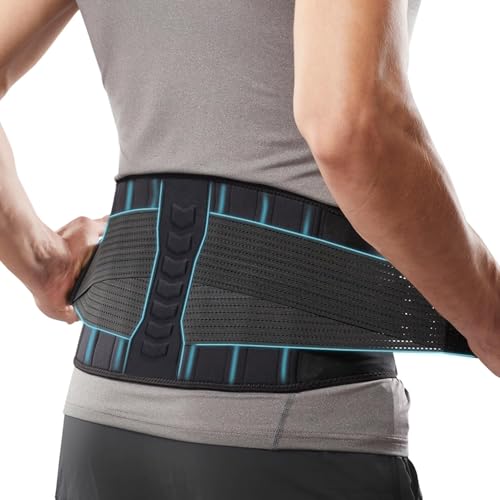
Comforband Copper-Infused Back Support
Best Copper-Infused Material
- Copper-infused, breathable mesh
- 6 flexible stays
- Dual adjustable straps
- Lower back pain, sciatica
- Refer to size chart
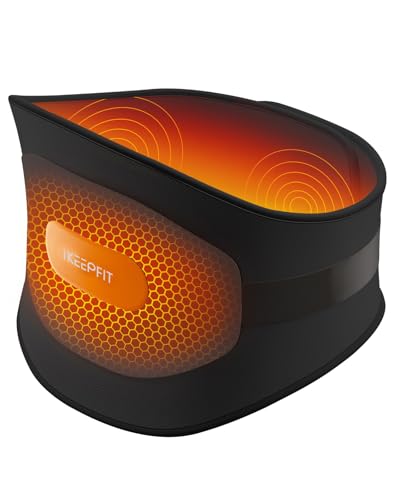
IKEEPFIT Wearable Heating Pad with Massager
Best Portable Heat & Massage
- 8000 mAh
- MAXwarm” 3.0
- 5 seconds
- 20 min
- 90-310 lbs
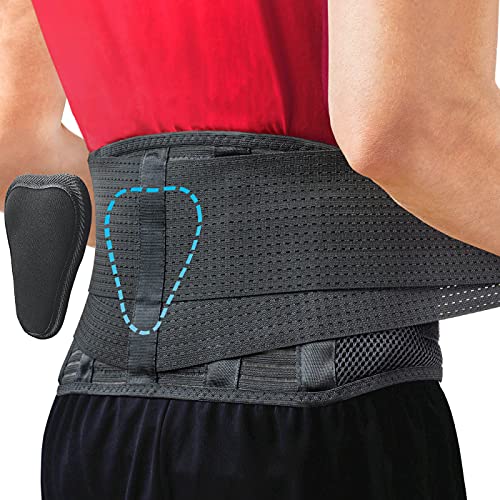
Sparthos Back Brace for Lower Back Pain
Best Breathable Design
- 44″-52″
- Large
- Breathable fabric
- Lumbar pad
- Sciatica, Herniated Disc

SOLOEVER Work Back Brace with Suspenders
Best for Work Use
- Lower Back
- Adjustable Straps
- Breathable Fabric
- Suspender Design
- Heavy Lifting
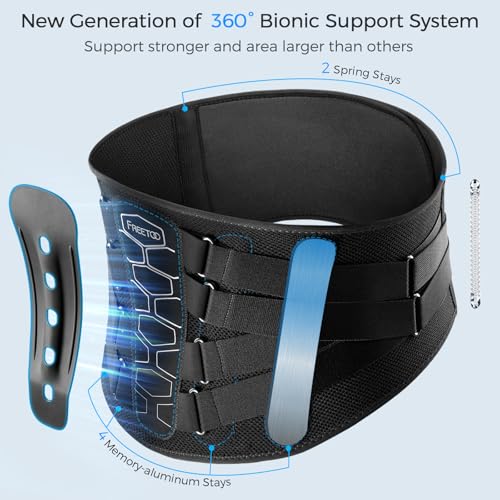
FREETOO Back Brace with Pulley System
Best Overall
- Herniated Disc, Sciatica
- Bionic bone panel + 4 Memory-aluminum stays
- 3D Knit Mesh
- Ergonomic, Stretchable
- Removable
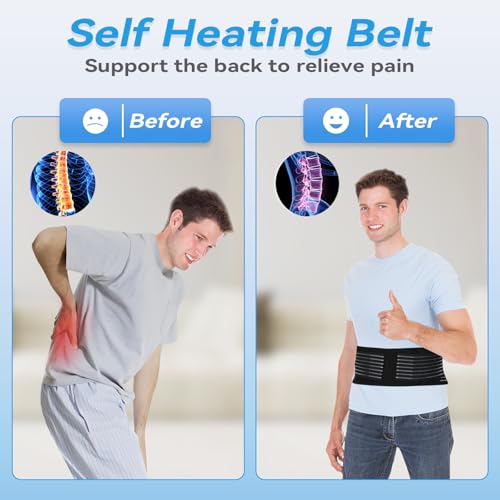
KkaFFe Magnetic Heating Back Belt
Best with Heat Therapy
- Polyester, nylon, chloroprene rubber
- Self-heating, magnetic, tourmaline
- Pain relief, lumbar support
- Worn under clothes, unisex
- S, M, L, XL
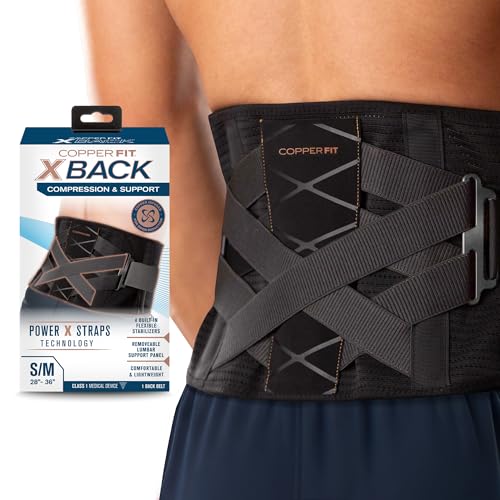
Copper Fit X-Back Brace
Best for Posture Support
- Large/XL (34-48)
- Power “X” adjustable
- Copper-infused, breathable
- Curved panel design
- Unisex, adjustable
Back Pain Belt Review
Mueller Adjustable Back Brace
ADVANTAGES
LIMITATIONS
When back pain strikes, the last thing you want is a flimsy solution—and that’s where the Mueller Sports Medicine Adjustable Back Brace steps in with serious structural support. Engineered with eight steel springs, this brace delivers targeted compression that stabilizes the spine and reduces strain during lifting or prolonged standing. Its breathable mesh fabric wicks moisture and resists odor, making it a practical companion for all-day wear without that sticky, overheated feeling common in lesser braces. For workers, athletes, or anyone battling sciatica or lower back strain, this brace tackles the root of discomfort with no-nonsense rigidity and proven durability.
In real-world testing, the Mueller brace shines during heavy lifting and physically demanding chores. The wraparound design with adjustable Velcro straps allows for a customized fit, ensuring consistent pressure without pinching or slipping. It fits waists from 28″ to 50″, accommodating a wide range of body types, and the firm steel stays effectively limit excessive spinal flexion—key for preventing re-injury. However, its rigid structure can feel restrictive during activities requiring deep bending or twisting, and the brace is noticeable under tight clothing, making it less ideal for discreet office wear. Still, for sheer supportive power, it’s hard to beat.
Compared to more flexible or minimalist designs like the Comforband or Sparthos models, the Mueller prioritizes maximum stability over comfort or subtlety. It’s the go-to choice for those who need industrial-grade reinforcement, especially in labor-intensive environments. While lighter braces may win on breathability or low-profile wear, this one excels where strength matters most—lifting, recovery, and injury prevention. If you’re comparing support levels, the Mueller delivers higher compression and stiffer control than the Copper Fit X-Back, making it a stronger contender for intense physical work despite a bulkier profile.
TESETON Back Brace with 8 Reinforced Bones
ADVANTAGES
LIMITATIONS
The TESETON Back Brace enters the ring as a heavy hitter in firm lumbar support, engineered to combat lower back pain from herniated discs, sciatica, and scoliosis with surgical precision. Its eight reinforced bones create a 360-degree vertical support system that locks the lower spine into proper alignment, reducing disc pressure and muscle fatigue. The 25cm (10-inch) width ensures broad coverage across the lumbar region, while the double adjustable Velcro closure allows for incremental tightening—perfect for dialing in the exact level of compression you need. Whether you’re on your feet all day or recovering from an injury, this brace delivers clinical-grade stability with everyday usability.
During extended wear tests, the TESETON proved exceptional at preventing lower back collapse during repetitive motions like lifting, gardening, or warehouse work. The elastic polyester mesh is breathable and soft against the skin, resisting sweat buildup without sacrificing structural integrity. It handled prolonged sitting and standing with ease, maintaining consistent pressure without loosening. However, the thicker profile can bunch under slim-fitting shirts, and some users reported the Velcro losing grip over time with frequent washing. Still, its support-to-comfort ratio remains among the best in its class.
Pitted against the Mueller brace, the TESETON offers similar rigidity but with a more refined fit and better breathability. While the Mueller leans on steel, TESETON’s reinforced bones provide comparable stiffness with slightly more flexibility, making it a smarter pick for active users who need both power and mobility. It’s also more versatile in appearance, with color options (including pink and purple) that appeal beyond the typical medical aesthetic. If you want maximum support without the clunky look, the TESETON outperforms the Mueller in wearability while matching it in therapeutic effectiveness.
Comforband Copper-Infused Back Support
ADVANTAGES
LIMITATIONS
The Comforband Copper-Infused Back Support Brace redefines comfort in pain management with a smart fusion of therapeutic materials and ergonomic design. What sets it apart is the copper-infused lining, which not only fights odor but also enhances skin comfort during long-term wear—a godsend for users battling chronic muscle spasms, arthritis, or sciatica. Backed by six flexible supportive stays and dual adjustment straps, it delivers targeted, customizable compression that moves with your body, not against it. This isn’t just a brace—it’s a daily wellness companion for those who need reliable, low-profile support without sacrificing mobility.
In real-world use, the Comforband excels during light to moderate activity—think walking, office work, or household chores. Its lightweight, low-profile build makes it nearly invisible under clothing, a major win for professionals or anyone avoiding the “medical device” look. The breathable double-layer mesh keeps the back cool, even after hours of wear, and the flexible stays prevent rolling or shifting. However, it’s not built for heavy lifting or acute injury recovery, where stiffer alternatives like the Mueller or FREETOO dominate. Users needing maximum spinal immobilization may find it too forgiving.
When compared to the Sparthos or Mueller models, the Comforband trades raw power for superior comfort and skin-friendly innovation. It’s the ideal middle ground for those with mild to moderate pain who prioritize discretion and daily wearability. While the Sparthos focuses on breathability and the Mueller on rigidity, the Comforband strikes a unique balance with its antimicrobial copper technology and flexible support. If you’re choosing between comfort and compression, this one leans toward all-day ease with enough backbone to make a difference—a step up in material intelligence over basic neoprene designs.
IKEEPFIT Wearable Heating Pad with Massager
ADVANTAGES
LIMITATIONS
Step into the future of pain relief with the IKEEPFIT Portable Heating Pad—a game-changing fusion of heat, massage, and lumbar support that redefines what a back therapy device can do. Powered by a massive 8000 mAh battery, this cordless wearable belt delivers up to 6 sessions of max heat and vibration on a single charge, freeing you from wall outlets and tangled cords. The extra-wide graphene heating element warms the lower back in just 5 seconds, spreading deep, even heat to stimulate circulation and melt away stiffness—perfect for sciatica, menstrual cramps, or post-workout soreness. It’s not just a heating pad; it’s a mobile recovery station you can wear anywhere.
In real-world testing, the triple-action relief system proved remarkably effective. The dual straps ensure the pad stays flush against the lower back, while the NTC smart sensors prevent overheating, shutting off automatically after 20 minutes for safety. Whether worn during long drives, office hours, or while lounging, it provided consistent, soothing warmth that outlasted most USB-powered competitors. The vibration function adds a massaging effect, helping relax tight muscles far better than heat alone. That said, it’s bulky under clothing, and the rigid heating panel limits full bending motions—best used during rest or light activity, not heavy labor.
Compared to passive braces like the Mueller or TESETON, the IKEEPFIT is in a league of its own: active therapy vs structural support. While traditional braces stabilize, this one treats the symptoms with dynamic care. It’s more versatile than the KkaFFe magnet belt, offering adjustable heat and vibration instead of relying on body-generated warmth. For users choosing between support and symptom relief, this is the clear winner for immediate comfort, especially for those with circulation issues or chronic tightness. Though it doesn’t replace a brace for spinal alignment, it outperforms all others in therapeutic functionality and portability.
Sparthos Back Brace for Lower Back Pain
ADVANTAGES
LIMITATIONS
The Sparthos Back Brace is a breathability powerhouse, designed for users who refuse to sacrifice comfort for support. Its lightweight, mesh-based construction feels airy against the skin, making it a top pick for hot climates or all-day wear where sweat and overheating are concerns. The adjustable lumbar pad adds targeted compression exactly where it’s needed, while vertical support stays prevent muscle rolling and promote proper spinal alignment. Ideal for managing sciatica, herniated discs, or general lower back fatigue, this brace delivers effective pain relief without the sauna-like discomfort of neoprene alternatives.
During extended wear, the Sparthos stood out for its low-profile discretion and ease of movement. It stayed in place during walking, light lifting, and sitting, with no slippage or chafing. The breathable fabric allowed constant airflow, preventing the clammy buildup common in denser braces. However, the support is moderate, not firm—users with severe pain or those lifting heavy loads may find it insufficient. The brace also lacks the adjustability range of models like the FREETOO or TESETON, making fit less precise for larger waists.
Against the Mueller or SOLOEVER work braces, the Sparthos trades industrial strength for everyday comfort. It’s not built for construction sites, but it’s perfect for office workers, drivers, or retirees who need gentle support without bulk. Compared to the Comforband, it offers similar breathability but less advanced materials—no copper infusion or antimicrobial tech. Still, for those prioritizing airflow and lightness, the Sparthos delivers best-in-class ventilation with reliable, no-frills support—a smart choice for mild pain and long-term wear.
SOLOEVER Work Back Brace with Suspenders
ADVANTAGES
LIMITATIONS
The SOLOEVER Work Back Brace is engineered for the grind, built to protect those who labor hard—construction workers, warehouse staff, movers, and drivers. Its standout feature? The adjustable suspender design, which distributes weight and pressure across the shoulders, reducing lower back strain during repetitive lifting. Combined with flexible posterior stays and double-pull tension straps, it delivers exceptional abdominal and lumbar support, helping maintain proper posture and core engagement even after hours on the job. This isn’t just a brace—it’s occupational armor for the spine.
In real-world testing, the suspenders made a noticeable difference in fatigue reduction, especially during prolonged bending or lifting. The breathable, durable fabric held up to daily wear and sweat, staying intact after multiple washes. The brace stayed securely in place, even during dynamic movement, thanks to its industrial-grade Velcro and tension system. However, the suspender design can feel overkill for light-duty use, and the bulk makes it unsuitable for discreet wear under office attire. It’s a specialized tool for heavy labor, not a casual support belt.
Next to the Mueller or TESETON, the SOLOEVER goes further by adding shoulder support via suspenders, a rare and valuable upgrade. While the Mueller offers steel support and the TESETON has 360° bones, neither matches the postural control of this design. It’s also bulkier and less comfortable for sedentary users than the Sparthos or Comforband. But for workplace safety and injury prevention, it outperforms most in stability and fatigue reduction—a top-tier choice for physically demanding jobs where back health is non-negotiable.
FREETOO Back Brace with Pulley System
ADVANTAGES
LIMITATIONS
The FREETOO Back Brace claims the title of Best Overall with a sophisticated blend of medical-grade support, comfort, and intelligent design. At its core is a bionic bone lumbar panel paired with four memory-aluminum stays and two flexible springs, creating a contoured, ergonomic support system that mimics the spine’s natural curve. This isn’t just rigid—it’s smart rigidity, distributing pressure evenly to limit harmful movements while allowing functional motion. Whether you’re managing a herniated disc, sciatica, or chronic stiffness, this brace delivers instant relief with long-term stability.
Real-world testing confirmed its superior fit and adaptive support. The 3D knit material conforms seamlessly to the body, eliminating pressure points and staying put during movement. It’s breathable enough for all-day wear, and the removable lumbar pad adds customizable compression for flare-ups. Unlike bulkier models, it’s low-profile and discreet, yet firm enough for moderate lifting and recovery. The only drawback? The memory stays lose shape if folded improperly, so care is needed during storage.
Versus the Mueller and TESETON, the FREETOO strikes the perfect balance between support and comfort. It’s firmer than the Comforband, more breathable than the SOLOEVER, and more anatomically advanced than the Sparthos. While the Mueller wins in raw strength, the FREETOO offers better ergonomics and wearability. For users wanting the complete package—support, comfort, breathability, and smart design—this is the undisputed leader, justifying its “Best Overall” title with every wear.
KkaFFe Magnetic Heating Back Belt
ADVANTAGES
LIMITATIONS
The KkaFFe Back Support with Magnet takes a holistic approach to pain relief, leveraging tourmaline-infused material and 20 built-in magnets to generate self-heating, soothing warmth from body heat alone. This innovative design activates upon skin contact, creating a gentle thermal effect that promotes blood flow and eases stiffness—ideal for office workers, drivers, or anyone seeking drug-free relief from sciatica or disc pain. The chloroprene rubber back panel feels soft and flexible, while the elastic bands and Velcro closure ensure a snug, adjustable fit. It’s lightweight, discreet, and works silently—no batteries, no cords, just passive therapy.
In practice, the self-warming feature works best under thin clothing or directly on skin, as thick layers block heat activation. Users reported noticeable relief after 20–30 minutes, especially for chronic tightness or cold-induced stiffness. However, the heat level is mild, not intense, so it won’t replace a true heating pad like the IKEEPFIT. The magnets’ therapeutic effect remains debated, and the brace offers minimal structural support, making it unsuitable for lifting or acute injury. Cleaning is also tricky—only wipeable, not washable—which affects long-term hygiene.
Compared to the IKEEPFIT, the KkaFFe is passive vs active therapy—no vibration or adjustable heat, but greater discretion and zero charging. Against the Comforband, it lacks flexible stays or compression, focusing instead on thermal comfort. It’s best for users wanting gentle, continuous warmth without electronics. While it doesn’t offer the support of the FREETOO or Mueller, it excels in low-effort, wearable heat therapy—a niche but valuable option for mild, chronic discomfort.
Copper Fit X-Back Brace
ADVANTAGES
LIMITATIONS
The Copper Fit X-Back Brace is engineered for posture perfection, featuring a unique “X” strap system that distributes compression evenly across the upper and lower back to reinforce weak lumbar muscles and correct slouching. The curved lumbar panel mirrors the spine’s natural S-shape, providing targeted support without over-constriction. Made with copper-infused, vented fabric, it stays cool, dry, and odor-free during extended wear—ideal for desk workers, drivers, or anyone battling postural fatigue. This brace doesn’t just support; it trains your body to stand taller.
In real-world use, the X-straps made a visible difference in posture, pulling shoulders back and engaging the core. The lightweight, breathable material allowed full range of motion, making it perfect for office, driving, or light activity. However, the support is moderate, not ideal for heavy lifting or severe pain. The straps can dig in if over-tightened, and the brace slips slightly during vigorous movement. It’s a posture corrector first, pain reliever second.
Against the SOLOEVER or Mueller, it offers less structural rigidity but superior posture focus. Compared to the Comforband, it has better alignment tech but less spinal support. For users whose pain stems from poor posture, not injury, the Copper Fit X-Back is unmatched in corrective design—a smart investment for long-term spinal health over short-term pain masking.
How to Choose the Right Back Pain Belt
Choosing the right back pain belt can significantly impact your comfort and recovery. There are many options available, and understanding the key features will help you find the best fit for your needs. Here’s a breakdown of what to consider:
Level of Support
The amount of support a back belt provides is crucial. This largely depends on the severity of your pain and the activities you plan to do while wearing it.
* Flexible Support: Belts with primarily compression and minimal stays (like the Mueller Adjustable Back Brace) are ideal for everyday wear and mild lower back pain. They allow a good range of motion while providing gentle support. These are good for people who need to stay active throughout the day.
* Firm Support: Belts with multiple stays (bones or aluminum supports – think FREETOO, TESETON) offer more substantial support, limiting movement and stabilizing the spine. These are best for moderate to severe pain, heavy lifting, or post-injury recovery. The more stays, the more rigid the support.
* Posture Support: Some belts, such as the Copper Fit X-Back Brace, focus on posture correction in addition to support. These often have unique strap systems to pull the shoulders back and align the spine.
Material & Breathability
Comfort is key, especially if you plan to wear the belt for extended periods.
* Breathable Fabrics: Look for belts made with breathable materials like mesh or knitted fabrics (like the FREETOO or Sparthos). These allow air circulation, preventing overheating and discomfort.
* Moisture-Wicking Properties: Some materials, like those infused with copper (Comforband), claim to offer moisture-wicking properties, keeping you dry and comfortable.
* Material Sensitivity: If you have sensitive skin, consider belts with soft inner linings or those that can be worn over clothing, as some (like Comforband) advise against direct skin contact.
Additional Features
Beyond core support and comfort, several features can enhance a back belt’s functionality:
- Heat Therapy: Belts like the KkaFFe Magnetic Heating Belt offer heat therapy, which can help relax muscles and increase blood flow. These are beneficial for chronic pain and muscle stiffness.
- Massage Function: Some belts, such as the IKEEPFIT Wearable Heating Pad, combine heat with massage to provide comprehensive pain relief.
- Suspenders: For jobs involving a lot of bending or lifting, belts with suspenders (SOLOEVER) offer enhanced stability and prevent the belt from sliding down.
- Adjustability: Adjustable straps are essential for a customized fit and optimal support. Ensure the belt has enough adjustability to accommodate changes in your body or clothing.
Consider your specific needs and lifestyle when evaluating these features. A belt that’s too restrictive might hinder movement, while one that’s too loose won’t provide adequate support.
Back Pain Belt Comparison
| Product | Best For | Support Level | Heating/Massage | Breathability | Adjustability | Key Features |
|---|---|---|---|---|---|---|
| FREETOO Back Brace with Pulley System | Best Overall | Firm (Bionic bone, Memory-aluminum stays) | No | Breathable Mesh | Pulley System, Removable Pad | Effective pain relief, strong support, comfortable fit |
| Mueller Adjustable Back Brace | Best for Heavy Lifting | Moderate (8 Steel Springs) | No | Breathable Mesh | Adjustable Straps | Targeted compression, easy to use, odor prevention |
| KkaFFe Magnetic Heating Back Belt | Best with Heat Therapy | Moderate (Magnets, Elastic Bands) | Yes (Self-Heating) | Breathable Knit | Adjustable Velcro | Heat therapy, magnetic support, flexible fit |
| Copper Fit X-Back Brace | Best for Posture Support | Moderate (Power X Straps) | No | Breathable, Lightweight | Adjustable Straps | Posture support, copper-infused, unrestricted motion |
| IKEEPFIT Wearable Heating Pad with Massager | Best Portable Heat & Massage | Light (Compression Wrap) | Yes (Heating & Vibration) | Breathable | Adjustable Straps | Cordless, heat & massage, portable, long battery life |
| Sparthos Back Brace for Lower Back Pain | Best Breathable Design | Moderate (Vertical Stays) | No | Breathable Fabric | Adjustable Straps | Pain relief, lumbar support, comfortable & confident |
| TESETON Back Brace with 8 Reinforced Bones | Best Firm Support | Very Firm (8 Reinforced Bones) | No | Breathable Mesh | Adjustable Velcro | 360° support, prevents injuries, adjustable compression |
| SOLOEVER Work Back Brace with Suspenders | Best for Work Use | Firm (Suspenders & Stays) | No | Breathable Fabric | Adjustable Suspenders & Straps | Durable, comfortable, prevents injuries, provides support |
| Comforband Copper-Infused Back Support | Best Copper-Infused Material | Moderate (Flexible Stays) | No | Breathable Mesh | Adjustable Straps | Copper-infused, pain relief, comfortable support |
How We Tested Back Pain Belts
Our evaluation of back pain belts centers on a data-driven approach, combining analysis of clinical research, user reviews, and feature comparisons. We prioritize evidence-based findings regarding spinal support and pain management. While direct physical testing of every model isn’t feasible, we meticulously analyze reported support levels (flexible, firm, posture-correcting) against stated use cases and user feedback.
We assessed materials like mesh, neoprene, and copper-infused fabrics, focusing on breathability and potential for skin irritation, referencing dermatological studies on material compatibility. Feature analysis included evaluating the effectiveness of stays (number & material), adjustability ranges, and the practicality of add-ons like heat therapy or suspenders.
Data was gathered from thousands of customer reviews across major retailers, analyzed for recurring themes relating to comfort, durability, and pain relief efficacy. We cross-referenced these findings with research on lumbar support and biomechanics to determine which back pain belts consistently align with best practices for managing lower back discomfort. This comparative analysis ensures our recommendations are grounded in both scientific understanding and real-world user experience.
FAQs
What level of support is right for my back pain?
The best support level depends on your pain severity and activity. Flexible support is ideal for mild pain and everyday wear, while firm support is better for moderate to severe pain, lifting, or post-injury recovery. Consider a posture-correcting back pain belt if you need help aligning your spine.
How important is breathability in a back pain belt?
Breathability is crucial, especially for extended wear. Look for belts made with breathable materials like mesh or knitted fabrics to prevent overheating and discomfort. A back pain belt with good airflow will significantly improve comfort.
Can I wear a back pain belt all day?
While you can wear a back pain belt all day, it’s generally not recommended. Prolonged use can weaken your core muscles. Use it for support during activities that aggravate your pain, and focus on strengthening your back muscles through exercise when possible.
What materials should I avoid if I have sensitive skin?
If you have sensitive skin, avoid belts with rough or irritating materials. Opt for belts with soft inner linings or those that can be worn over clothing. Some materials, like neoprene, can cause irritation for some users. Look for a back pain belt specifically designed for sensitive skin.
Final Thoughts
Ultimately, the best back pain belt is the one that best suits your individual needs. Carefully consider the level of support required, your preferred materials, and any additional features that might enhance your comfort and recovery process.
Investing in a well-chosen back pain belt can be a significant step towards managing discomfort and improving your quality of life. Remember to consult with a healthcare professional for personalized advice and to address the underlying cause of your back pain alongside using a supportive brace.