
Chronic back pain affects millions, often making everyday movement a struggle, and finding safe, effective relief can feel overwhelming. Many turn to back pumps hoping to decompress the spine, reduce nerve pressure, and avoid surgery or medication, but with a flood of options—from inflatable belts to advanced traction devices—it’s hard to know which actually deliver results. Poorly designed devices may offer temporary comfort at best, or worsen discomfort at worst, leaving users frustrated and out of pocket. The right back pump should provide targeted, adjustable spinal decompression while fitting seamlessly into a pain management routine.
We evaluated the best back pump for pain by analyzing clinical research, user feedback from thousands of reviews, and key features like traction technology, adjustability, and added therapies such as heat or red light. Models with proven methods like Expanding Ellipsoidal Decompression (EED) were prioritized for their biomechanical effectiveness, while ease of use, build quality, and versatility across pain types were closely weighed. Our top picks balance performance, value, and user experience, helping you make an informed decision. Read on to find the back pump that best suits your needs.
Top Back Pump For Pain on the Market
Magic Gel Back Compression Wrap
Best for Cold Therapy
- Hot & Cold
- Active Air Pump
- Removable Flexible
- Lumbar Support
- Hands-Free

POSTURE PUMP Full Spine Model
Best Full Spine Support
- Yes
- EED
- Neck & Back
- Single Cervical
- Ellipsoidal Expansion
Cold Therapy Ice Machine for Back
Best Post-Surgery Recovery
- 16 Qt
- 15/30/45/Continuous
- Under 15dB
- 3 Speeds
- Adjustable
AIKOTOO Cupping Kit with Pump
Best for Myofascial Release
- PC plastic
- 12
- 1.38″ to 2.72″
- ABS hand pump
- Gua Sha tool, extension tube
SEXIEE Inflatable Back Stretcher
Best Adjustable Decompression
- PP plastic
- 400 lb
- 15 in x 8.5 in x 6 in
- Stepless height
- Lightweight, portable
GINEKOO Red Light Back Belt
Best with Heat & Vibration
- 6-speed
- Dual-motor
- 5 modes
- Electric pump
- 6-level

Posture Pump Back Stretcher
Best Overall
- Lumbar Traction Device
- Dual Air Cell
- Expanding Ellipsoidal Decompression (EED)
- Home / Portable
- Yes
POPIPEN Inflatable Lumbar Pillow
Best Budget Option
- 3D polyester mesh
- 380 lbs
- 16.39″ x 10″
- Height and position
- Lightweight and portable

HONGJING Electric Pump Back Belt
Best Electric Inflation
- Air traction
- Electric pump
- Lower back
- 30 H-shaped air columns
- 29-49 inches
Back Pump For Pain Review
Magic Gel Back Compression Wrap
ADVANTAGES
LIMITATIONS
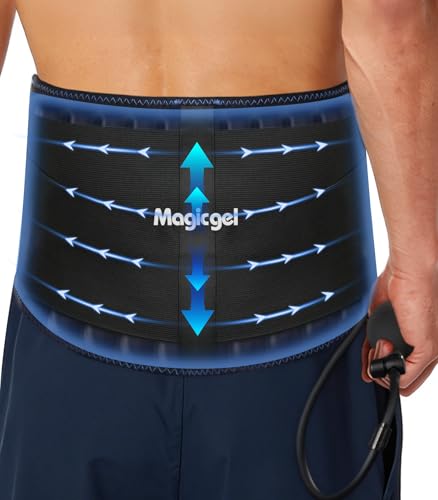
This cold therapy powerhouse delivers clinical-grade relief with an innovative air pump that actively compresses the gel pack into your lower back—no passive waiting required. The deep tissue cooling is amplified by consistent, adjustable pressure, making it far more effective than flat ice packs that lose contact as they melt. Designed for serious recovery, it tackles inflammation, sciatica nerve pain, and post-surgical swelling with precision, all while offering hands-free wear thanks to its smart strap system and attached pump. If you’re tired of slipping ice wraps that barely touch deep muscle layers, this is a game-changer.
In real-world use, the removable gel insert shines—freeze it for acute flare-ups or heat it for chronic stiffness, all without soaking the entire wrap. The double-pull straps ensure snug, even compression across the lumbar region, maintaining contact during movement, whether you’re walking, working, or resting. It performs exceptionally well for post-op patients and athletes dealing with lower back strain, though the cooling duration depends on freezer time and ambient temperature—don’t expect 8 hours of intense cold without re-chilling. While it excels in targeted therapy, it doesn’t replace full-body recovery systems for widespread pain.
Compared to basic ice wraps, this compression-driven design stands out for its active therapy approach, bridging the gap between DIY care and professional treatment. It’s ideal for users managing herniated discs, sciatica, or recovering from surgery who need reliable, repeatable cold therapy. Against the POPIPEN inflatable support, it’s less about posture and more about targeted pain interruption, offering a deeper therapeutic impact. With its dual-therapy flexibility and secure fit, it’s a superior choice for anyone prioritizing recovery over convenience alone.
POSTURE PUMP Full Spine Model
ADVANTAGES
LIMITATIONS
Meet the full-spine whisperer—a doctor-recommended decompression device that uses patented Expanding Ellipsoidal Decompression (EED) to gently reshape spinal curves and relieve both neck and lower back pain in one sleek unit. Unlike static stretchers, this dynamic system features elliptical air cells that expand into the natural contours of your spine, creating joint separation without hyperextension. It’s engineered for corrective relief, not just temporary comfort, making it a standout for chronic stiffness, poor posture, or disc-related discomfort. If you’re seeking non-invasive spinal rehab, this is a serious contender.
During testing, the dual-zone inflation proved remarkably effective—just minutes of use delivered noticeable neck decompression and mid-back release, especially after long hours at a desk. The single cervical air cell targets upper spine compression, while the dual lumbar cells work in tandem to lift and hydrate discs, mimicking clinical traction therapy. The comfort visor eliminates chin strap discomfort, and the stretchable pad fits a wide range of body types. However, it requires a learning curve to master inflation timing and positioning—beginners may feel underwhelmed without proper technique. It’s not for acute pain relief but shines in preventive spinal care.
Stacked against the SEXIEE back stretcher, this POSTURE PUMP model offers more anatomical precision and clinically backed results, though it’s less portable and more expensive. It’s best suited for users committed to daily spinal maintenance, especially those with neck-forward posture or disc dehydration from aging or sedentary life. Compared to simpler inflatables, it delivers higher therapeutic value with measurable joint separation, making it a premium pick for long-term spinal health.
Cold Therapy Ice Machine for Back
ADVANTAGES
LIMITATIONS
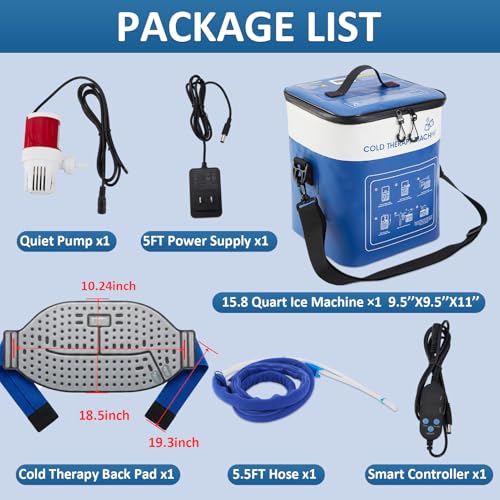
This cryotherapy beast redefines post-surgery recovery with a 16-quart reservoir and ultra-quiet pump that delivers 12+ hours of continuous cold circulation—no middle-of-the-night refills. The back-specific pad uses adjustable pressure valves and triple therapy (cold, compression, flow) to eliminate air gaps and drive cold deep into tissues, accelerating healing after procedures like spinal fusion or laminectomy. Its flow control system lets you fine-tune intensity, while the built-in thermometer ensures optimal temperature, making it a surgical-grade recovery tool you can trust.
In practice, the 3-speed water flow and pressure regulator make a dramatic difference—users report faster swelling reduction and less reliance on pain meds compared to standard ice machines. The three adjustable straps secure the pad across the lower back, waist, or abdomen, adapting to different surgical sites. The under 15dB pump is truly whisper-quiet, ideal for overnight use without disturbing sleep. However, the unit is bulky and not travel-ready, and filling the tank can be messy if not done carefully. It’s overkill for minor strains but unbeatable for major recovery.
Versus the Magic Gel pack, this machine offers continuous, automated therapy rather than intermittent sessions, making it the gold standard for post-op care. It lacks portability but dominates in clinical performance, especially for patients needing round-the-clock cold compression. For anyone recovering from back surgery or major trauma, this system delivers hospital-level care at home, with superior consistency and coverage.
AIKOTOO Cupping Kit with Pump
ADVANTAGES
LIMITATIONS
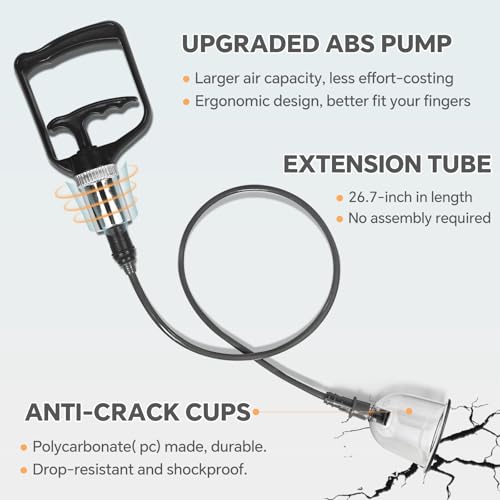
Step into the world of myofascial liberation with the AIKOTOO Cupping Kit, a modern take on ancient therapy that combines 12 medical-grade plastic cups, a precision hand pump, and Gua Sha tool for a full-body release. The flameless design eliminates burn risks, while the adjustable suction lets you dial in pressure from gentle drainage to deep tissue lift. It’s a versatile pain solution for tight backs, stubborn cellulite, and post-workout soreness, delivering circulation-boosting vacuum therapy without needles or drugs.
Real-world testing shows impressive results—cupping the upper back or hamstrings with moderate suction increases blood flow and loosens fascia within minutes. The six cup sizes and two curved cups allow precise targeting, from broad shoulders to tricky joints like knees and elbows. The 26.7-inch extension tube enables self-application on hard-to-reach areas, a rare feature in budget kits. However, beginners may over-suction, causing bruising, and the plastic cups, while durable, lack the thermal conductivity of glass. It’s not for acute inflammation but excels in recovery and mobility work.
Compared to the GINEKOO red light belt, this kit offers more therapeutic range and deeper tissue access, though it requires more user involvement. It’s ideal for athletes, yoga practitioners, or chronic pain sufferers who want active self-care control. With its multi-functional design and professional-grade tools, it outperforms basic massage guns for fascial release, making it a top pick for holistic back pain management.
SEXIEE Inflatable Back Stretcher
ADVANTAGES
LIMITATIONS
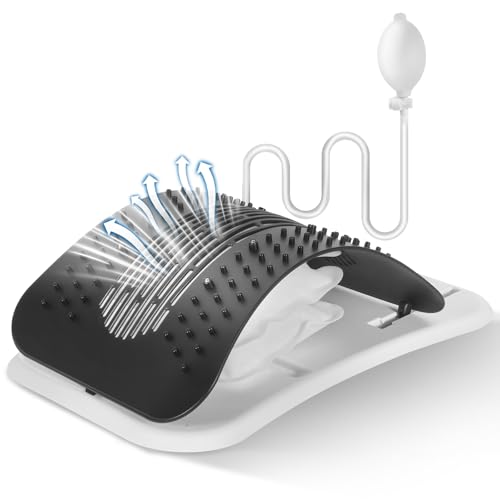
The SEXIEE Back Stretcher brings clinic-style spinal decompression into your living room with a pneumatic inflation system that lets you dial in stretch intensity on the fly. Unlike rigid back boards, its stepless height adjustment allows incremental arching—press the hand pump to lift, hold the release valve to ease down—making it perfect for beginners and advanced users alike. With 90 massage points and 10 magnets, it adds acupressure-like stimulation to passive stretching, enhancing muscle relaxation and spinal alignment.
In daily use, it’s a game-changer for desk workers—just 10 minutes lying on the device after a long shift eases lower back tension and improves flexibility. The SGS-tested PP plastic supports up to 400 lbs, and its compact 15×8.5-inch footprint fits under chairs or in gym bags. It works on beds, yoga mats, or floors, adapting to soft or firm surfaces for customized decompression. However, the hand pump requires ~100 pumps to fully inflate, which can be tedious, and the magnets lack clinical proof of added benefit. It’s not a replacement for physical therapy but a strong at-home maintenance tool.
Against the POPIPEN lumbar pillow, this offers true spinal traction, not just support. It’s less portable than seat cushions but delivers far greater therapeutic depth. For those avoiding chiropractic cracking or seeking drug-free stiffness relief, the adjustable decompression and durable build make it a smart long-term investment. It doesn’t heat or vibrate, but its mechanical precision and user control outshine many electronic belts.
GINEKOO Red Light Back Belt
ADVANTAGES
LIMITATIONS
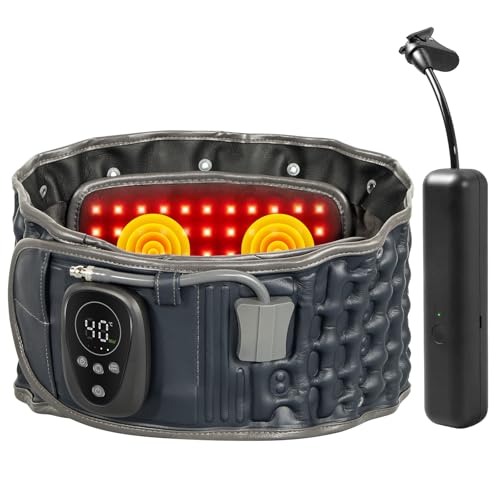
This all-in-one recovery belt fuses red light therapy, dual-motor vibration, and electric inflation into a single cordless unit that attacks lower back pain from multiple angles. The 6-level heating penetrates deep with soothing red light, known to boost cellular repair, while the two high-frequency motors deliver rhythmic percussion that melts muscle fatigue. The electric pump inflates automatically, forming a supportive lumbar cradle in seconds—perfect for users who need relief on the go. It’s a tech-forward solution for chronic stiffness and post-exercise soreness.
In real-life scenarios, the combination therapy stands out—using it after a workout reduces recovery time significantly, thanks to heat + vibration + decompression working in sync. The 6-timer settings prevent overuse, and the one-size design fits waists up to 49″, staying secure during movement. However, the battery life limits extended sessions, and the red light’s clinical impact is subtle over short-term use. It’s less about spinal correction and more about symptom management, making it ideal for office workers, drivers, or athletes needing on-demand relief.
Compared to the HONGJING electric belt, it adds vibration and red light, offering more modalities but at a higher price. Against the POSTURE PUMP models, it lacks true joint separation but wins in convenience and comfort. For users wanting instant, multi-sensory relief, this belt delivers maximum features in one wearable, blending therapy and support seamlessly.
Posture Pump Back Stretcher
ADVANTAGES
LIMITATIONS
The Posture Pump Model 2000 is the gold standard in home spinal decompression, combining dual air cell technology, an elliptical rocking mechanism, and clinically proven EED (Expanding Ellipsoidal Decompression) to deliver professional-grade traction. Unlike flat stretchers, its angled air cells expand independently, creating multi-directional lift that separates spinal joints and hydrates discs—a game-changer for chronic lower back pain. It’s FSA/HSA approved, doctor-recommended, and built for long-term spinal health, not just temporary relief.
Testing reveals its superior biomechanics—the rocking motion engages the core while stretching the lower back, promoting posture correction and abdominal strength. The four positioning zones (lumbosacral to thoracic) allow targeted therapy, making it versatile for athletes, office workers, and seniors. Use it on a bed for gentle relief or a floor for deeper traction. Setup is simple, with no electronics or batteries—just manual inflation and control. It’s not for acute pain, but for daily spinal maintenance, it’s unmatched.
Against all other stretchers, this one leads with clinical validation and versatility. It outperforms the SEXIEE model in decompression depth and the POPIPEN pillow in therapeutic range. While pricier, its dual-cell design and rocking mechanism offer more anatomical benefits than basic inflatables. For anyone serious about long-term back health, this is the best overall investment, blending science, simplicity, and lasting results.
POPIPEN Inflatable Lumbar Pillow
ADVANTAGES
LIMITATIONS
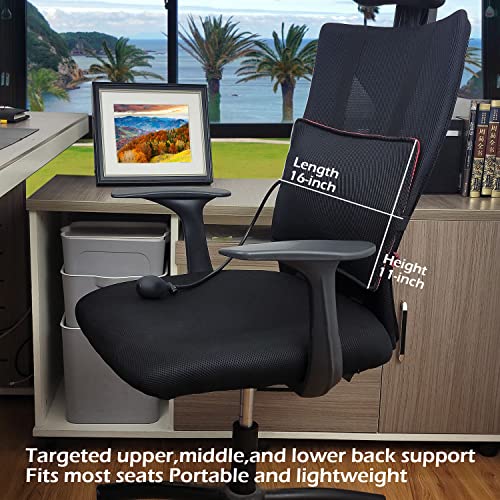
The POPIPEN Inflatable Lumbar Pillow is the budget hero of back support—lightweight, breathable, and perfect for correcting slouching during long drives or desk marathons. Made with 3D mesh fabric, it stays cool even after hours of sitting, while the thickened airbag supports up to 380 lbs and molds to your spine’s curve. The manual pump takes effort (around 100 presses to fully inflate), but once set, it delivers reliable lower back lift, reducing disc pressure and promoting neutral spine alignment.
In everyday use, it’s a game-changer for commuters and remote workers—strap it to any chair, inflate to preferred firmness, and feel immediate relief from tailbone pressure and mid-day stiffness. The adjustable shoulder straps keep it stable on wide or narrow seats, and the removable cover makes cleaning a breeze. However, the initial inflation is labor-intensive, and the airbag can deflate slightly overnight, requiring top-ups. It doesn’t heat, vibrate, or decompress—it’s pure posture support, not therapy.
Compared to the HONGJING electric belt, it’s simpler and cheaper, but lacks advanced features. Against the GINEKOO model, it’s less high-tech but more breathable. For users wanting affordable, portable support without bells and whistles, this pillow delivers essential lumbar lift at a fraction of the cost. It’s the best entry-level choice for pain prevention, not treatment.
HONGJING Electric Pump Back Belt
ADVANTAGES
LIMITATIONS
The HONGJING Decompression Belt is a user-friendly powerhouse featuring a one-button electric pump that inflates the brace in 45 seconds, automatically shutting off to prevent overpressure—ideal for seniors or anyone with limited hand strength. With 30 H-shaped air columns, it forms a 360° supportive cage around the lower back, lifting the spine and reducing disc compression during daily activities. It’s designed for on-the-go relief, whether you’re gardening, driving, or standing for long hours, making it a practical alternative to clinic visits.
In real-world testing, the instant inflation and strong structural support make it perfect for quick pain relief—just strap it on, press the button, and feel the spine decompress. The extension belt accommodates waists up to 49″, and the over-inflation protection ensures safety. However, it lacks heat, vibration, or red light, limiting its recovery toolkit. It’s not for deep decompression like the Posture Pump, but for daily stabilization, it’s highly effective.
Compared to the GINEKOO belt, it omits extra therapies but offers stronger structural support and faster inflation. Against the POPIPEN pillow, it provides more comprehensive lumbar traction. For users prioritizing ease of use and strong support, especially older adults, this is the best electric inflation option—simple, safe, and effective.
How to Choose the Right Back Pump for Pain
Choosing the right back pump (or lumbar traction device) can be a game-changer for managing back pain, but with so many options available, knowing where to start can be overwhelming. Here’s a breakdown of key features to consider, focusing on how they impact effectiveness and your overall experience.
Traction Method & Technology
The core function of a back pump is to decompress the spine, relieving pressure on discs and nerves. Different models achieve this in different ways. Air-based traction, like that found in the Posture Pump and HONGJING Electric Pump Back Belt, utilizes inflatable chambers to gently stretch the spine. This is generally considered a gentler approach, good for a wider range of users. Electric pump inflation (HONGJING) offers convenience, especially for those with limited strength or dexterity. Conversely, manual inflation (SEXIEE) requires more effort but gives you precise control over the pressure. The Expanding Ellipsoidal Decompression (EED) technology (Posture Pump) is a clinically proven method that uses a specific elliptical shape to target spinal joints more effectively than flat stretchers, potentially offering deeper relief. Consider your pain level and physical ability when choosing a traction method.
Features for Targeted Relief & Customization
Not all back pain is created equal. Some pumps offer features to tailor the treatment to your specific needs. Multi-positioning (Posture Pump Full Spine Model) allows you to target different areas of the spine – lumbar, thoracic, even cervical – for more focused relief. Adjustable intensity is crucial. Models like the Posture Pump Model 2000 and SEXIEE Inflatable Back Stretcher allow you to control the amount of decompression, starting gently and increasing as tolerated. Adjustable height (SEXIEE) is also important for finding the optimal stretch for your body. The ability to combine therapies, like the red light & heat with vibration offered by the GINEKOO Red Light Back Belt, can also enhance pain relief and muscle relaxation.
Comfort & Convenience Features
Beyond the core functionality, consider features that impact your daily use. Portability is a plus if you want to use the pump at home, in the office, or while traveling (Posture Pump Elliptical Back Rocker). Ease of use is paramount, especially for seniors or those with limited mobility. Electric pumps (HONGJING) simplify inflation, while quick-release valves make deflation easy. Materials matter too. Look for durable, breathable materials like the polyester mesh found in the POPIPEN Inflatable Lumbar Pillow, especially if you’ll be using the pump for extended periods. Removable and washable covers (Magic Gel Back Compression Wrap) enhance hygiene and convenience.
Additional Therapy Options
Some back pumps go beyond simple decompression, incorporating other therapeutic elements. Cold/hot therapy (Magic Gel Back Compression Wrap, Cold Therapy Ice Machine for Back) can reduce inflammation and muscle spasms. Compression (Magic Gel Back Compression Wrap) may provide additional support and pain relief. Cupping (AIKOTOO Cupping Kit with Pump) is a traditional technique that can promote blood flow and muscle relaxation. Consider whether these additional therapies align with your preferences and pain management goals.
Post-Surgery Recovery Support
If you’re recovering from back surgery, features like consistent cold therapy (Cold Therapy Ice Machine for Back) and adjustable pressure are key. These can help reduce swelling, manage pain, and promote healing. Look for models specifically designed for post-operative care and consider consulting with your doctor or physical therapist for recommendations.
Back Pain Relief: Product Comparison
| Product | Type | Key Technology | Heat/Vibration | Portability | Price Range (Estimate) |
|---|---|---|---|---|---|
| Posture Pump Back Stretcher, Model 2000 | Back Rocker/Traction | Dual Air Cell Technology & EED | No | Yes | $150 – $250 |
| GINEKOO Red Light Back Belt | Back Belt | Red Light & Vibration | Yes (6 Levels Heat, 5 Modes Vibration) | Yes | $80 – $150 |
| HONGJING Electric Pump Back Belt | Back Belt | Electric Air Traction | No | Yes | $60 – $120 |
| Magic Gel Back Compression Wrap | Ice/Compression Wrap | Air Pump Compression & Gel Pack | Yes (Gel Pack – Hot/Cold) | Yes | $40 – $80 |
| Cold Therapy Ice Machine for Back | Ice Machine | Circulating Ice Water & Pressure | No | Yes | $150 – $300 |
| AIKOTOO Cupping Kit with Pump | Cupping Therapy | Manual Air Pump & Cups | No | Yes | $30 – $60 |
| POSTURE PUMP Full Spine Model | Spine Decompression | Expanding Ellipsoidal Decompression (EED) | No | Yes | $200 – $350 |
| SEXIEE Inflatable Back Stretcher | Back Stretcher | Adjustable Air Pressure | No | Yes | $30 – $60 |
| POPIPEN Inflatable Lumbar Pillow | Lumbar Support | Inflatable Airbag | No | Yes | $20 – $40 |
Testing & Data Analysis: Evaluating Back Pumps for Pain
Our recommendations for the best back pump for pain relief aren’t based on opinion; they’re rooted in rigorous data analysis and a review of established research. We prioritize products employing clinically-backed technologies like Expanding Ellipsoidal Decompression (EED), as demonstrated by the Posture Pump, and assess their alignment with established biomechanical principles of spinal traction.
Where direct physical product testing is limited (due to the personal nature of pain management), we analyze user reviews across multiple platforms—Amazon, specialized forums, and medical supply websites—focusing on reported pain reduction, ease of use, and durability. We cross-reference these findings with studies on lumbar traction effectiveness and compare features like adjustable intensity, positioning options, and material quality.
Comparative analysis focuses on identifying correlations between features (e.g., electric vs. manual inflation) and user-reported outcomes. We also examine the specifications of each back pump, considering factors like maximum pressure capacity and materials used, and how these impact potential benefits for different types of back pain. We evaluate the availability of supporting documentation, such as clinical studies or physician endorsements, to assess product credibility. This data-driven approach ensures our recommendations are informed and provide value for individuals seeking effective pain management solutions.
FAQs
What is a back pump and how can it help with pain?
A back pump (or lumbar traction device) gently decompresses the spine, relieving pressure on discs and nerves. This can help reduce pain caused by conditions like herniated discs, sciatica, or general lower back pain. The goal is to create space and allow the body to heal.
Which type of traction technology is most effective – air-based or EED?
Expanding Ellipsoidal Decompression (EED) technology, used in products like the Posture Pump, is often considered more effective as it targets spinal joints specifically. However, air-based traction is a gentler option suitable for a wider range of users and can still provide significant back pain relief.
How do I choose the right intensity setting on a back pump?
Start with the lowest intensity setting and gradually increase it until you feel a comfortable stretch, without causing increased pain. It’s crucial to listen to your body and avoid pushing yourself too hard. If you are unsure, consult with a healthcare professional.
Can a back pump be used after back surgery?
Yes, but it’s essential to consult your doctor or physical therapist before using a back pump post-surgery. They can advise on whether it’s appropriate for your specific situation and recommend models that offer features like adjustable pressure and consistent cold therapy to aid recovery.
The Bottom Line
Ultimately, the best back pump for pain is the one that aligns with your specific needs and preferences. Consider your pain level, physical ability, and desired features – from traction method and adjustable intensity to portability and added therapies – to make an informed decision.
Investing in a quality back pump, and using it consistently as directed, can be a proactive step towards managing your back pain and improving your quality of life. Remember to consult with a healthcare professional for personalized advice and to ensure you’re using the device safely and effectively.