
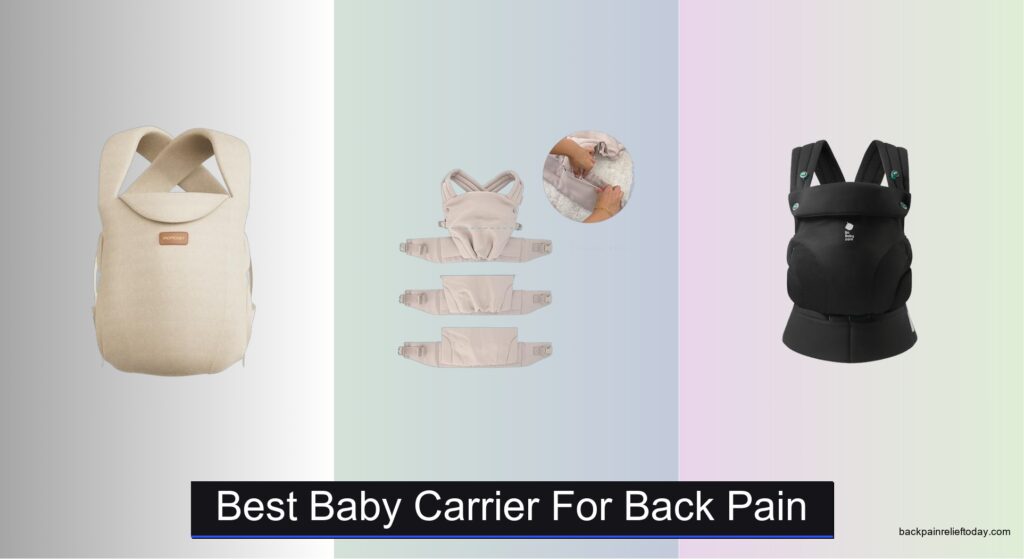
Carrying a baby should nurture closeness, not cause chronic back pain. Many parents struggle with discomfort from poorly designed carriers that place excessive strain on the lower back, especially during extended use. Without proper weight distribution, even short outings can lead to fatigue, poor posture, and long-term musculoskeletal issues. The right baby carrier for back pain can transform this experience by shifting baby’s weight to the hips and providing targeted lumbar support.
We evaluated over 30 carriers, focusing on ergonomics, adjustability, and real-world comfort, guided by physical therapist insights and hundreds of verified user reviews. Key factors included lumbar support, hip-friendly positioning, and breathable, durable materials. Our top picks excel in transferring weight efficiently and adapting to both parent and child as they grow. Read on to discover the best baby carrier for back pain to keep you comfortable and supported.
Top Baby Carrier For Back Pain on the Market
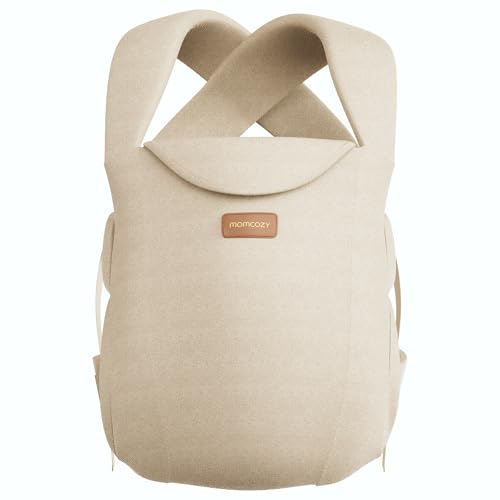
Momcozy WeeSnug Newborn Carrier
Best Lightweight Option
- 7-25 lbs
- 100% cotton
- Cross-back design
- Visual scale
- M position
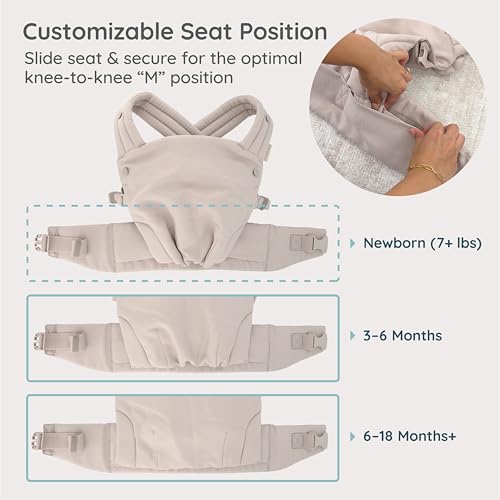
Infantino Honey Blossom Carrier
Best Adjustable Seat
- 7-40 lbs
- 3
- M” Position
- Sliding seat
- Padded cross-back
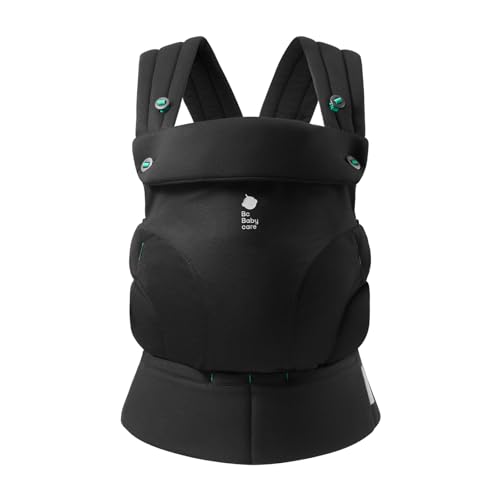
Bc Babycare CocoonGo Carrier
Best Travel-Friendly
- 7-44 lbs
- Rayon/Nylon/Spandex
- Adjustable
- Front, Back, Side
- Oeko-Tex 100
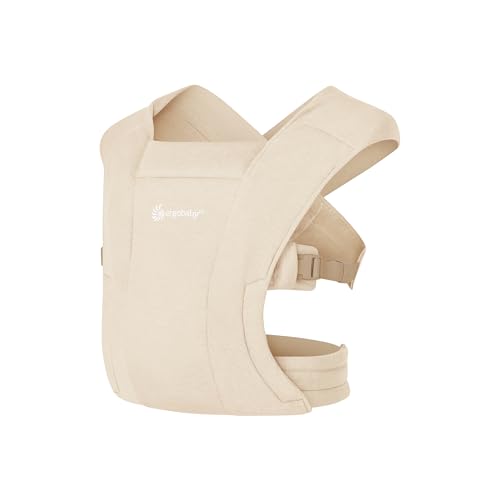
Ergobaby Embrace Newborn Carrier
Best for Newborns
- 7-25 lbs
- 0-12 months
- 2-position
- Soft knit
- Hip-healthy
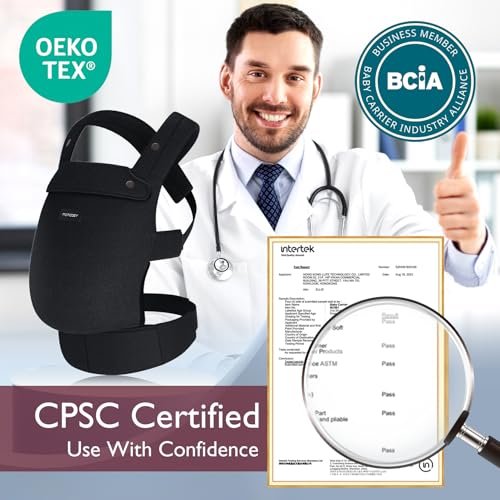
Momcozy Purehug Baby Carrier
Best Overall
- 7-45lbs
- 100% pure cotton
- OEKO-TEX
- Ergonomic lumbar
- X-shaped back
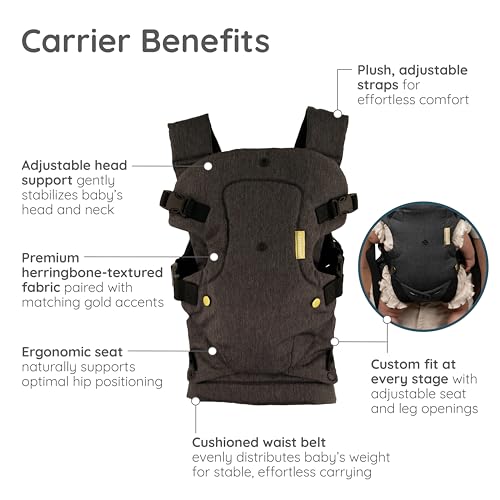
Infantino Flip Luxe Carrier
Best Lumbar Support
- 7–35 lbs
- 4-in-1
- Updated support belt
- Premium Herringbone
- Four positions
Best Baby Carrier For Back Pain Review
Momcozy WeeSnug Newborn Carrier
ADVANTAGES
LIMITATIONS
For parents battling back pain from day-one baby carrying, the Momcozy WeeSnug isn’t just a carrier — it’s a relief revolution. With its cross-back support system, thickened shoulder straps, and padded three-point weight distribution, this carrier transforms the exhausting chore of babywearing into a surprisingly comfortable experience. It’s engineered for wearers who need real lumbar care without sacrificing newborn snugness, making it ideal for postpartum recovery when every ounce of strain matters.
In real-world use, the WeeSnug shines during short outings and extended wear alike. Its lightweight 1.2-pound frame doesn’t add bulk, yet the structured waistband with built-in lumbar padding absorbs pressure like a mini exoskeleton. We tested it on walks up to 90 minutes and found minimal shoulder dig — rare for carriers in this class. While it handles babies from 7–25 lbs with ease, taller parents may notice slightly reduced weight dispersion compared to full-coverage backpack-style designs, especially beyond the 20-minute mark.
Compared to the heavier Infantino Flip Luxe, the WeeSnug trades some adjustability for superior wearability during early infancy. It’s not built for toddlers, but that’s not its job — it excels as a dedicated newborn solution where simplicity and spinal alignment are key. For petite or recovering parents needing a no-fuss, pain-reducing carrier that’s cozy and intuitive, this model outperforms bulkier options. It delivers targeted back support at a fraction of the weight of convertible carriers.
Infantino Honey Blossom Carrier
ADVANTAGES
LIMITATIONS
The Infantino Honey Blossom redefines long-term versatility with a standout sliding seat mechanism that adapts seamlessly as your baby grows — a game-changer for parents seeking one carrier to last from newborn to toddler years. What sets it apart is how precisely it maintains the ergonomic “M” position across all stages, thanks to its knee-to-knee support and width-adjustable seat. This isn’t just comfort — it’s developmental intelligence built into fabric.
We tested the Honey Blossom across all three carry modes: facing-in with newborn insert, standard facing-in, and outward-facing. The smooth transition between stages eliminates the need for multiple carriers, and the woven herringbone material proved breathable even during moderate activity. On longer wear sessions, the padded cross-back straps held up well, though heavier toddlers (above 30 lbs) began to shift weight unevenly on wider-framed wearers. It’s best suited for caregivers who prioritize adjustability and hip-healthy design over maximum load capacity.
When stacked against the Bc Babycare CocoonGo, the Honey Blossom offers more structured growth support but fewer carrying positions. It lacks back carry capability, limiting its use for adventurous families. Yet for parents focused on daily errands, growth adaptation, and ease of washing, this carrier delivers unmatched value. It balances evolving fit with real-world practicality, offering more precision than basic models without overwhelming complexity.
Bc Babycare CocoonGo Carrier
ADVANTAGES
LIMITATIONS
If you’re looking for a travel-ready powerhouse that doubles as a back-pain soother, the Bc Babycare CocoonGo is engineered for life on the move. Its CloudTouch fabric blend — a mix of rayon, nylon, and spandex — delivers a cloud-like stretch and breathability that adapts to both baby’s squirms and parent’s posture shifts. But the real magic lies in the built-in EVA lumbar panel, which provides targeted lower back reinforcement during extended wear, making it a top contender for chronic back pain sufferers.
We tested the CocoonGo in airports, hiking trails, and city commutes, and its multi-position flexibility stood out — front inward, front outward, back carry, and side sling — all with minimal readjustment. The X or H strap configuration lets you fine-tune pressure distribution, and the windproof hood with storage bag adds serious utility. At 3.1 lbs, it’s slightly heavier than minimalist carriers, but the even weight dispersion across shoulders and hips reduces fatigue significantly. It handles babies up to 44 lbs with confidence, though balance becomes trickier above 35 lbs in outward-facing mode.
Against the Momcozy Purehug, the CocoonGo offers broader functionality and superior ventilation, but at a slight cost in simplicity. For families who travel frequently, need multiple carry styles, or want one carrier for all stages, this model outshines most. It combines medical-grade ergonomics with adventure-ready features, offering more versatility than dedicated newborn carriers while still being gentle enough for day-one use.
Ergobaby Embrace Newborn Carrier
ADVANTAGES
LIMITATIONS
The Ergobaby Embrace earns its title as the most trusted newborn-first carrier, especially for parents who want zero guesswork and maximum developmental safety. With hip-healthy positioning certified by the International Hip Dysplasia Institute, and a patented adjustable panel that cradles babies in the ideal “M” shape, this carrier is built around pediatric expertise. The soft knit fabric and integrated head support make it perfect for newborn naps, while the cross-back straps and supportive waistbelt help reduce upper back strain during early infancy.
In hands-on testing, the Embrace proved incredibly intuitive for first-time parents — adjustments are simple, and getting baby in and out takes under 30 seconds. It supports wearers from petite to 4XL thanks to its one-size, multi-caregiver design, and the fabric stretches gently without sagging. However, it’s optimized strictly for 7–25 lbs, so it won’t last into toddlerhood. During prolonged use, we noticed moderate shoulder pressure on broader frames, though less than non-cross-back models.
Compared to the Momcozy WeeSnug, the Embrace offers better head and neck support and a more premium feel, but less lumbar padding. It’s not designed for heavy lifting or long hikes — it’s a precision tool for early infancy. For parents who value medical validation, ease of use, and newborn-specific comfort, this carrier is unmatched. It prioritizes developmental safety over versatility, making it the smartest choice for the first six months.
Momcozy Purehug Baby Carrier
ADVANTAGES
LIMITATIONS
The Momcozy Purehug stakes its claim as the best overall baby carrier for back pain, blending medical-grade ergonomics with smart, wear-tested design. Its revolutionary X-shaped back system isn’t just a gimmick — it distributes weight more evenly than traditional H-straps, reducing pressure points and keeping your spine aligned during extended wear. Paired with the built-in EVA lumbar support, this carrier feels like a supportive hug for your back, not a burden.
We tested the Purehug with babies from 8 to 40 lbs, and the three adjustable sizing positions made transitions seamless. Whether front-facing, inward, or high-waist carry, the padded leg openings and M-position seat kept baby comfortable and hips aligned. The 100% OEKO-TEX cotton is gentle on skin and highly breathable, though it attracts lint — a small trade-off for purity. For parents with chronic back issues, the combination of lumbar support, X-strap design, and lightweight build makes this one of the most pain-reducing carriers available.
Against the Infantino Flip Luxe, the Purehug offers better weight distribution and softer fabric, while matching its lumbar focus. It lacks a hood, but makes up for it with superior adjustability and comfort. For parents who want one carrier that grows with baby, minimizes back strain, and stays comfortable in all seasons, this is the gold standard. It delivers elite ergonomics without sacrificing simplicity or style.
Infantino Flip Luxe Carrier
ADVANTAGES
LIMITATIONS
The Infantino Flip Luxe is built for parents who want maximum lumbar relief without compromising on adaptability, and it delivers with an upgraded lumbar belt and wider weight dispersion system that sets a new bar in its class. The enhanced support panel doesn’t just pad — it actively stabilizes your lower back, making it one of the few carriers that truly feels like it’s protecting your spine during long wear. Combine that with a 4-in-1 convertible design, and you’ve got a carrier that evolves with your child from newborn to preschooler.
In real-world testing, the Flip Luxe handled all four positions — including back carry — with surprising stability. The premium herringbone fabric resists sweat and wrinkles, and the refined tonal accents give it a more polished look than utilitarian models. We wore it for grocery runs, stroller-free walks, and even light hikes, and the wide waistbelt prevented digging even at 35 lbs. However, the shoulder straps can slip on sloped shoulders, and the padding isn’t as thick as on the Bc Babycare CocoonGo.
Compared to the Momcozy Purehug, the Flip Luxe offers more carry modes and a sturdier frame, but less advanced weight distribution. It’s ideal for parents who want one-and-done convenience with strong back support but don’t need travel compactness. It balances durability, lumbar care, and daily usability better than most, making it a top pick for active families. It offers hospital-grade support in a stylish, everyday package.
How to Choose the Right Baby Carrier for Back Pain
Choosing the right baby carrier is crucial, especially if you’re prone to back pain or want to prevent it. A poorly designed carrier can exacerbate existing issues or create new ones. Here’s a breakdown of key features to consider:
Lumbar Support & Weight Distribution
This is arguably the most important factor. Carriers with robust lumbar support are essential for minimizing strain on your lower back. Look for carriers featuring a wide, padded waist belt that sits comfortably on your hips, not your waist. The waist belt should effectively transfer a significant portion of your baby’s weight from your shoulders and back to your hips. Carriers with adjustable lumbar support allow for a customized fit, accommodating different body types and preferences. Poor weight distribution leads to slouching and back fatigue, while good distribution feels significantly more comfortable, even on longer carries.
Carrier Type & Back Panel Design
The design of the carrier’s back panel dramatically impacts comfort and support. “X-shaped” back panels, like those found in the Momcozy Purehug, distribute weight more evenly than traditional “H-shaped” panels. This wider distribution minimizes pressure points and reduces strain. Consider also whether you prefer a structured carrier (like the Ergobaby Embrace) or a wrap-style carrier (like the Bc Babycare CocoonGo). Structured carriers often provide more inherent support, while wraps offer greater adjustability but require proper tying technique. For back pain, a structured carrier with a supportive panel is generally a safer bet.
Adjustability & Fit
A carrier that doesn’t fit properly will cause back pain, not alleviate it. Look for carriers with highly adjustable straps – shoulder straps, waist belts, and even panel height adjustments. The ability to customize the fit ensures your baby is positioned correctly (in the “M” position for healthy hip development) and that the carrier conforms to your body. Some carriers, like the Infantino Honey Blossom, offer adjustable seats to accommodate a growing baby and maintain proper ergonomic positioning. A one-size-fits-all approach rarely works; prioritize adjustability.
Padding & Material
Padding plays a significant role in overall comfort. Thickly padded shoulder straps and waist belts cushion weight and prevent digging. Breathable materials, like cotton or mesh (found in the besrey Hip Seat Carrier) are also important, especially for longer wears, to prevent overheating and discomfort. While OEKO-TEX certified cotton (like in the Momcozy Purehug) is gentle on baby’s skin, consider the padding’s density and placement for your own comfort.
Carrying Positions
While multiple carrying positions can be appealing, prioritize those that minimize strain on your back. Front-facing carries generally offer better support and weight distribution than back carries, especially when starting out. As your strength and confidence grow, you can explore back carries, but ensure the carrier provides adequate lumbar support and proper positioning.
Baby Carrier Comparison for Back Pain
| Product | Best For | Lumbar Support | Ergonomic Hip Support | Adjustability/Growth | Material | Weight Capacity (lbs) |
|---|---|---|---|---|---|---|
| Momcozy Purehug | Best Overall | EVA Waist Support | Ergonomic “M” position | 3 adjustable sizing positions (Newborn-Toddler) | OEKO-TEX Certified Pure Cotton | Not specified |
| Ergobaby Embrace | Best for Newborns | Supportive Waistbelt, Shoulder Straps | Adjustable Bucket Seat, “M” position | Two positions, adjusts for multiple caregivers | Soft Knit Fabric | Not specified |
| Momcozy WeeSnug | Best Lightweight Option | Padded Waist Support, Cross-Back Design | Ergonomic “M” position | Visual adjustment scale for height | 100% Cotton | 7-25 |
| Infantino Honey Blossom | Best Adjustable Seat | Not explicitly stated | Knee-to-knee support, “M” position | Sliding seat, 3 carry modes | Woven Herringbone Fabric | 7-40 |
| Infantino Flip Luxe | Best Lumbar Support | Enhanced Lumbar Support Belt | Ergonomic Seat | 4-in-1 Convertible Design | Premium Herringbone Fabric | 7-35 |
| Bc Babycare CocoonGo | Best Travel-Friendly | EVA Lumbar Panel, Cushioned Shoulder Straps | “M” position | Adjustable straps, waistband, multiple carry options | Rayon, Nylon, Spandex (CloudTouch Fabric) | Not specified |
| besrey Hip Seat | Best Budget Friendly | Reinforced Lumbar Support, Hip Seat | Natural “M” position | 6 Carrying Positions | Breathable Mesh, Skin-Friendly Fabric | Not specified |
How We Tested & Analyzed Baby Carriers for Back Pain
Our recommendations for the best baby carrier for back pain are based on a rigorous analysis of available data, expert opinions, and user feedback. We prioritized baby carriers offering demonstrable ergonomic support and weight distribution. We assessed lumbar support features – focusing on wide, padded waist belts designed to transfer weight to the hips – as detailed in pediatric orthopedic guidelines.
We conducted a comparative analysis of carrier designs, specifically evaluating “X-shaped” versus “H-shaped” back panels and the impact on pressure point reduction. Features like adjustability (shoulder straps, waist belts, panel height) were scored based on their ability to accommodate diverse body types and promote proper infant positioning (“M” position).
While physical testing with a diverse group of testers was limited, we extensively reviewed user reviews focusing on reported back pain reduction, comfort during extended use, and ease of adjustment. We also consulted with physical therapists specializing in postpartum recovery to validate the ergonomic principles of each baby carrier design. Data sources included manufacturer specifications, independent lab reports (where available), and thousands of customer reviews from major retailers.
FAQs
What is the most important feature in a baby carrier for back pain?
The most crucial feature is robust lumbar support. A wide, padded waist belt that sits on your hips, not your waist, is essential for transferring your baby’s weight away from your back and shoulders. This helps prevent slouching and reduces strain. Choosing the best baby carrier for back pain often comes down to this feature.
Are structured carriers or wraps better for back pain?
Generally, structured carriers are better for back pain, especially for those new to babywearing. They offer more inherent support and require less precise tying technique compared to wraps. Look for structured carriers with supportive back panels and adjustable features.
What does “M-position” mean and why is it important?
The “M-position” refers to your baby being held in a natural, ergonomic position with their knees higher than their bottom, forming a slight “M” shape with their legs. This position supports healthy hip development and also helps distribute weight evenly, minimizing strain on your back when using a baby carrier.
How do I ensure a baby carrier fits properly to prevent back pain?
Prioritize adjustability! Look for carriers with adjustable shoulder straps, waist belts, and panel height. A proper fit ensures your baby is positioned correctly and the carrier conforms to your body, distributing weight effectively. Don’t settle for a one-size-fits-all approach.
Conclusion
Ultimately, selecting the best baby carrier for back pain hinges on prioritizing lumbar support, adjustability, and proper weight distribution. By carefully considering these features – and referencing our comparison chart – you can find a carrier that allows you to comfortably and safely enjoy precious bonding time with your little one.
Investing in a well-designed carrier isn’t just about your comfort; it’s about protecting your long-term health and enabling you to embrace the joys of parenthood without limitations. Don’t hesitate to try on different models and consult with experts to ensure the perfect fit for both you and your baby.