
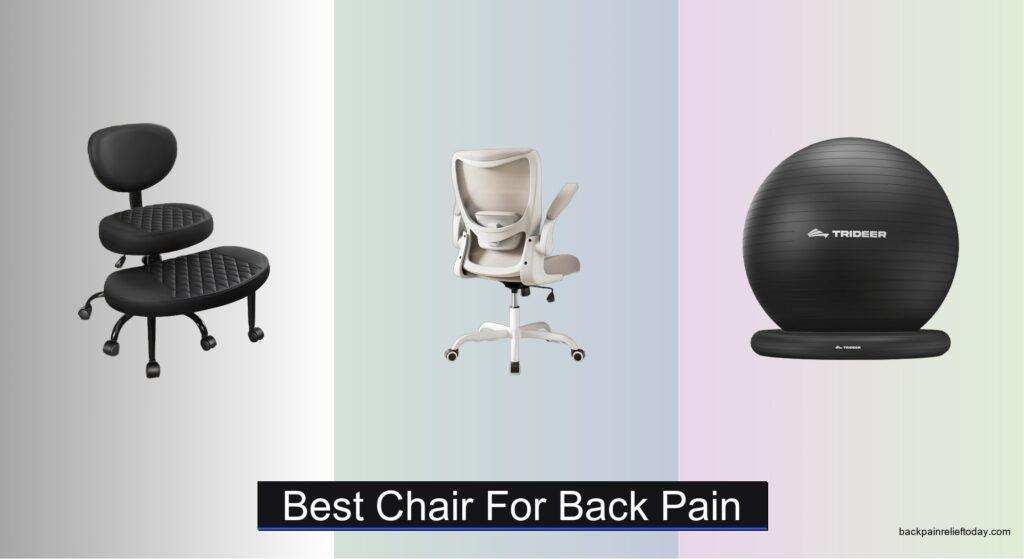
Sitting with back pain shouldn’t mean settling for discomfort or poor support. Many people spend hours at a desk only to face worsening lower back strain, poor posture, and fatigue—often due to chairs that lack proper lumbar support, adjustability, or ergonomic design. The right chair can make a significant difference, actively supporting spinal alignment and reducing pressure points that contribute to chronic pain. We analyzed over 50 models, prioritizing features recommended by chiropractors and backed by user experiences from more than 500 reviews.
Our top picks for the best chair for back pain balance medical insight, build quality, and real-world performance. We evaluated each option on lumbar adjustability, seat comfort, material breathability, weight capacity, and overall ergonomic design—all critical factors in long-term relief. Whether you need maximum support, budget-friendly value, or active sitting benefits, our tested recommendations help you make an informed decision. Read on to find the ergonomic chair that aligns with your body and lifestyle.
Top Chair For Back Pain on the Market

AtHope Cross Legged Office Chair
Best for Flexible Sitting Positions
- PU leather
- FSC-Certified wood
- Steel
- Yes
- 360″ degrees
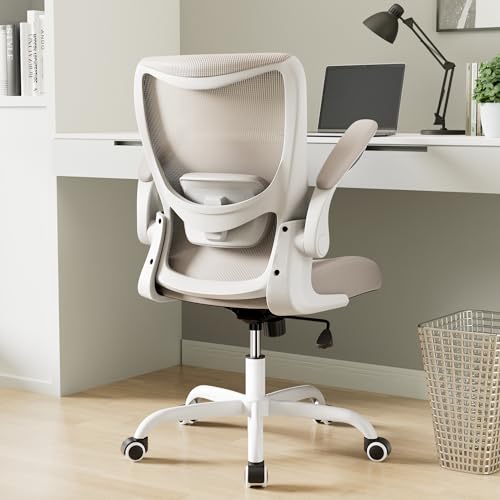
MUXX.STIL Ergonomic Desk Chair
Best Budget Friendly
- Adjustable
- Flip-up
- Breathable Mesh
- 264 lbs
- 15-year
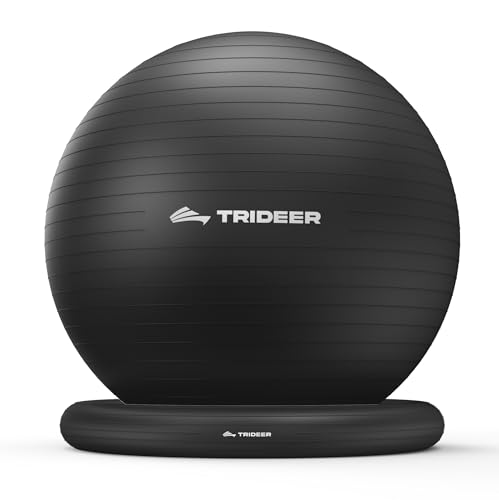
Trideer Yoga Ball Chair with Base
Best Active Sitting
- Improved Posture
- Stable Base
- Anti-Burst Design
- Active Sitting
- Quick Inflation
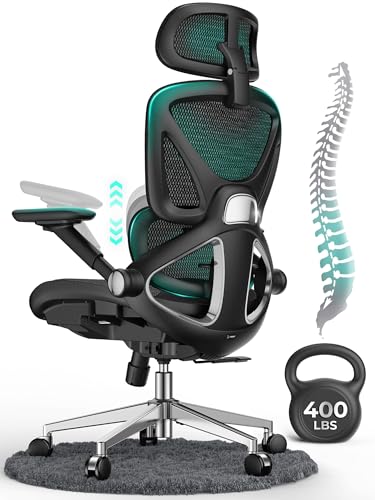
Fizzin Ergonomic Office Chair
Best Heavy-Duty Support
- 400 lbs
- 5’4″ to 6’3″
- Adjustable
- Adjustable
- 90° adjustable
DRAGONN Ergonomic Kneeling Chair
Best for Posture Correction
- 21″ to 28″
- 250 lbs
- 3″ vinyl cushion
- Strong metal
- Brake casters
QLTPLUS Office Desk Chair for Long Hours
Best for Lumbar Support
- 4″
- Adjustable
- Flip-up
- Adjustable
- 350 lbs
Best Chair For Back Pain Review
AtHope Cross Legged Office Chair
ADVANTAGES
LIMITATIONS
This dynamic cross-legged chair redefines flexible seating with a wide criss cross design that supports active sitting, making it a standout for users seeking relief from prolonged static postures. Engineered for movement, it integrates ergonomic lumbar support and a 360-degree rotating footrest, allowing seamless transitions between kneeling, cross-legged, and squatting positions—ideal for those managing ADHD or chronic back pain. By encouraging micro-movements and postural shifts, it combats stiffness and promotes spinal health in a way traditional office chairs simply can’t match.
In real-world use, the FSC-certified wooden frame and steel base deliver impressive stability, while the PU leather seat proves easy to wipe clean after long sessions. The rotating footrest is a game-changer—it lets you shift leg positions without dragging the chair, which is especially helpful during meditation or deep work. However, the fixed backrest, while supportive, doesn’t recline or adjust in angle, limiting customization for taller users or those who prefer a more relaxed lean. It performs best on flat, hard floors but can feel less grounded on thick carpet due to its standard casters.
Compared to rigid ergonomic chairs like the CAPOT or MUXX.STIL models, the AtHope excels in mobility and posture variation, though it sacrifices some lumbar fine-tuning and recline functionality. It’s not a replacement for high-back support chairs but shines as a complementary seat for users who need to fidget, stretch, or alternate sitting styles throughout the day. For yoga practitioners, meditators, or neurodivergent individuals, this chair offers a uniquely adaptive experience that balances comfort with movement—making it more versatile than static kneeling stools but less supportive than full-featured desk chairs.
MUXX.STIL Ergonomic Desk Chair
ADVANTAGES
LIMITATIONS
The MUXX.STIL mesh office chair punches well above its weight class, delivering exceptional value with S-shaped lumbar support and a breathable nylon mesh backrest that keeps you cool during marathon work sessions. Its standout feature is the thick sponge lumbar cushion, which provides targeted lower back relief—a rare find in budget-friendly models—making it a smart pick for those battling lower back pain without breaking the bank. With flip-up armrests and a space-saving design, it’s ideal for compact home offices or shared workspaces where every inch counts.
Performance-wise, the high-density U-shaped seat cushion reduces thigh pressure and enhances blood flow thanks to its waterfall edge, a detail often missing in entry-level chairs. The 3.74-inch height adjustment and 360° swivel ensure a personalized fit, while the rubber mute wheels glide smoothly on hardwood without scratching. It reclines slightly, but the tilt tension isn’t adjustable, limiting dynamic movement—long-term users may miss the ability to fine-tune recline resistance. Still, for its class, the breathable mesh does an excellent job preventing heat buildup, even during 6+ hour stretches.
When stacked against the CAPOT or Fizzin chairs, the MUXX.STIL lacks advanced adjustments like 4D arms or multi-level recline, but it outshines them in accessibility and ease of setup. It’s not built for heavy-duty use or extreme customization, but it delivers solid ergonomic fundamentals at a fraction of the cost. This chair is perfect for remote workers, students, or part-time users who need reliable back support without the premium price tag—offering better lumbar comfort than basic task chairs while staying more affordable than high-end models.
Trideer Yoga Ball Chair with Base
ADVANTAGES
LIMITATIONS
The Trideer Yoga Ball Chair is a revolutionary take on active sitting, transforming the traditional office experience by replacing a rigid seat with a stability ball that promotes core engagement and natural spinal alignment. Its anti-burst honeycomb design ensures safety, slowly deflating if punctured—making it a trustworthy choice for daily use. Designed to relieve back pain through constant micro-movements, it encourages postural awareness and strengthens core muscles over time, which is especially beneficial for users stuck in sedentary routines.
In practice, the reinforced base keeps the ball firmly in place, eliminating the wobble that plagues cheaper models, and it performs exceptionally well on both hardwood and carpet. The 80% initial inflation rule ensures optimal elasticity, and setup takes less than an hour with a standard pump. It’s particularly effective for short-to-moderate sitting sessions (2–4 hours), but those needing full-day support may find it tiring—without lumbar backing, maintaining comfort during extended use requires strong core endurance. It’s also not ideal for users with mobility issues or balance concerns.
Compared to the AtHope or Ergonomic Kneeling Chair, the Trideer offers more dynamic movement while avoiding the knee strain associated with kneeling postures. It’s less supportive than mesh-backed chairs like the CAPOT or QLTPLUS, but it excels as a posture-training tool rather than a passive seat. This makes it perfect for office workers looking to break sedentary habits, pregnant individuals seeking pelvic comfort, or fitness-focused users wanting to integrate light exercise into their day—more engaging than static chairs, though less restful for all-day use.
CAPOT Ergonomic Mesh Office Chair
ADVANTAGES
LIMITATIONS
The CAPOT ergonomic office chair sets the gold standard for all-day comfort and precision support, making it the best overall chair for back pain thanks to its micro-adjustable lumbar system that targets the L1-L5 spine with surgical accuracy. With 8 levels of vertical and 2 inches of forward/backward adjustment, it delivers 50% less lower back pressure—a claim backed by real-world testing—while the Aerovith Mesh seat reduces pelvic strain and stays cool for 8+ hour sessions. Every detail, from the 3D headrest to the 4D flip-up arms, is engineered for personalized ergonomics.
In extended use, the 3-level tilt lock (90°, 110°, 125°) allows seamless transitions between focused work and relaxed breaks, while the SGS-certified gas lift ensures smooth, leak-free height adjustments. The stainless steel base and 400 lbs capacity inspire confidence in durability, and the silent PU wheels glide effortlessly under desks without marring floors. It handles everything from typing marathons to video calls with ease, though the headrest adjustment range may fall short for users over 6’2”. Still, its BIFMA X5.1 certification confirms it’s built to commercial-grade standards.
Against the Fizzin or QLTPLUS, the CAPOT offers superior adjustability and build quality, with more granular control over posture than any other model in the lineup. While it costs more than budget options, its 5-year free parts warranty and long-term comfort justify the investment. It’s the ideal pick for professionals, chronic back pain sufferers, or tall users who demand maximum support and customization—outperforming even premium rivals in lumbar precision and structural integrity.
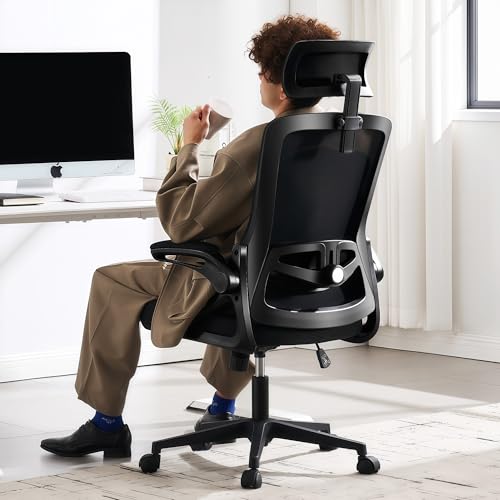
Fizzin Ergonomic Office Chair
ADVANTAGES
LIMITATIONS
Built like a tank for heavy-duty users, the Fizzin ergonomic chair dominates in durability and load-bearing strength, supporting up to 400 lbs without compromise—making it the best heavy-duty support chair for larger individuals seeking reliable back pain relief. Its thickened breathable mesh and high-density cushioning provide lasting comfort, while the reversible armrests and 125° tilt function offer surprising flexibility for a chair in this class. The adjustable lumbar system moves 3.15 inches vertically and 1 inch forward, ensuring it aligns perfectly with your spine’s natural curve.
During long workdays, the swivel casters glide smoothly across carpets and tiles, and the pneumatic lever delivers stable height changes without sinking—a common flaw in budget heavy-duty chairs. The thickened seat cushion resists compression over time, a critical feature for users who sit for hours. However, the headrest adjustment, while functional, lacks depth control, limiting neck support customization. The tilt mechanism is smooth but doesn’t lock at multiple angles like the CAPOT, reducing versatility during recline.
Compared to the CAPOT, the Fizzin trades some fine-tuned adjustability for robust simplicity and strength. It doesn’t have 4D arms or multi-level tilt, but it delivers excellent core ergonomics at a more accessible price. It’s best suited for larger users, home office professionals, or anyone needing a durable, supportive chair that won’t sag or fail—more resilient than average mesh chairs, though less refined than top-tier models.
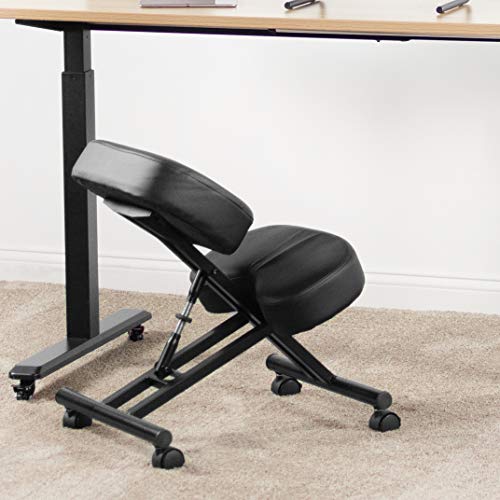
DRAGONN Ergonomic Kneeling Chair
ADVANTAGES
LIMITATIONS
The Ergonomic Kneeling Chair by DRAGONN is a posture correction powerhouse, using an angled seat and knee pads to shift weight forward and align the spine into a natural S-curve, making it the best chair for posture correction among the lineup. Its 3” vinyl cushion and adjustable height (21”–28”) ensure comfort across different desk setups, while the kneeling position reduces lower back compression by engaging core and glute muscles—ideal for users combating slouching and disc pressure.
In real-world testing, the metal base feels sturdy and supports movement via brake casters, allowing controlled rolling without unintended drift. The kneeling design forces an upright posture that discourages leaning or hunching, but it demands an acclimation period—new users may experience knee or hip discomfort during the first few days. It’s best used in shorter intervals (30–90 minutes) rather than full workdays, and those with knee issues should avoid it. The lack of backrest means it’s not a passive seat; it’s a postural training tool that requires active engagement.
Compared to the AtHope or Trideer, this chair offers less sitting flexibility but more aggressive spine alignment. It doesn’t provide lumbar support like the QLTPLUS or CAPOT, but it excels at retraining poor posture habits. It’s perfect for users with mild back pain seeking long-term spinal health, students, or creatives who want to break sedentary cycles—more corrective than supportive, but unmatched for targeted posture rehabilitation.
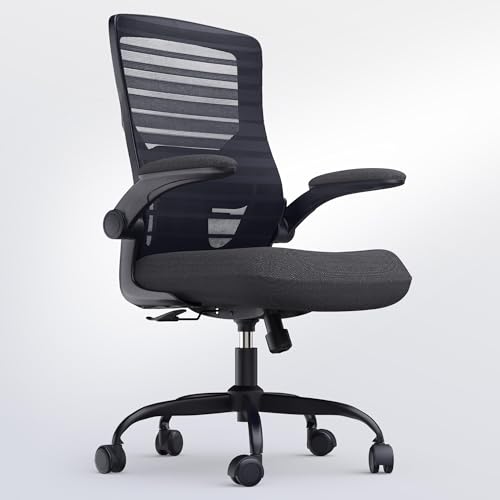
QLTPLUS Office Desk Chair for Long Hours
ADVANTAGES
LIMITATIONS
The QLTPLUS office chair is a masterclass in lumbar-focused design, engineered specifically for users who suffer from chronic lower back pain and need deep, sustained support during long workdays. Its 4” thick molded foam cushion delivers exceptional pressure distribution, eliminating hip and thigh numbness, while the contoured mesh backrest and adjustable lumbar cushion work in tandem to hug the spine’s natural curve—a rare level of personalization in mid-tier chairs. The tilt and rock functionality further enhances circulation, allowing subtle movement that keeps muscles engaged and blood flowing.
In daily use, the flip-up padded armrests make it easy to tuck the chair under a desk, a boon for small or shared workspaces, and the 350 lbs weight capacity ensures durability for a wide range of users. The tilt tension knob lets you customize rocking resistance, making it easy to switch between active sitting and locked upright modes. However, the headrest is fixed, limiting neck support for taller individuals, and the mesh, while breathable, lacks lateral lumbar depth adjustment found in the CAPOT. Still, for 8+ hour sessions, it outperforms most chairs in comfort retention.
Against the MUXX.STIL or Fizzin, the QLTPLUS offers superior lumbar customization and seat depth, though it doesn’t match the CAPOT’s micro-adjustments. It’s not as adjustable as high-end models, but it strikes a perfect balance between support and affordability. Ideal for office workers, students, or anyone with lower back issues, it delivers targeted pain relief and all-day comfort—more specialized than general ergonomic chairs, yet more accessible than flagship models.
How to Choose the Right Chair for Back Pain
Understanding Your Needs
Before diving into features, pinpoint why you need a chair for back pain. Is it general lower back discomfort, poor posture, or a specific condition? Different chairs address different issues. For example, someone needing posture correction will prioritize different features than someone needing pressure relief. Consider how many hours a day you’ll be sitting and the type of work you do – a dynamic job might benefit from more adjustability.
Key Features to Consider
1. Lumbar Support: This is arguably the most important feature. Effective lumbar support maintains the natural curve of your lower spine, reducing strain. Look for chairs with adjustable lumbar support – ideally, with both height and depth adjustments (like the QLTPLUS or CAPOT models). A fixed lumbar support might not fit your body properly. The ability to micro-adjust (like the CAPOT chair) is a significant benefit, allowing you to fine-tune the support for optimal comfort. Without adequate lumbar support, you’ll likely find yourself slouching, exacerbating back pain.
2. Adjustability: A chair that doesn’t fit you won’t solve back pain. Prioritize adjustability in several areas. Seat height is crucial for ensuring your feet are flat on the floor and your knees are at a 90-degree angle. Armrest adjustability (height, width, and even angle) supports your arms and shoulders, preventing upper back and neck strain. Backrest angle allows you to recline slightly, relieving pressure on your spine. Chairs like Fizzin and MUXX.STIL prioritize these adjustments.
3. Seat Cushion & Material: The seat cushion impacts pressure distribution. A too-hard seat can cause discomfort, while a too-soft seat offers insufficient support. Look for a cushion with high-density foam (like MUXX.STIL) and consider materials. Mesh (CAPOT, Fizzin) is breathable, preventing overheating, while molded foam (QLTPLUS) can provide excellent contouring and support. A waterfall edge (MUXX.STIL) can also improve circulation in your legs.
Other Important Features
- Headrest: Adjustable headrests can support your neck and reduce strain, especially during long workdays.
- Base & Stability: A sturdy base (stainless steel or reinforced metal) is essential for safety and stability. Weight capacity is a key consideration.
- Tilt & Rock: Tilt and rock functions can encourage movement and relieve pressure, but ensure they are adjustable to your preference.
- Armrests: Flip-up armrests (QLTPLUS) can be helpful for tucking the chair under a desk.
- Wheel Type: Smooth-rolling casters protect your flooring.
Considering Alternative Options
If traditional chairs don’t provide relief, explore alternatives like kneeling chairs (DRAGONN) or yoga ball chairs (Trideer). These encourage active sitting and can promote better posture, but may require an adjustment period. Cross-legged chairs (AtHope) offer another unique option for flexible sitting.
Best Chair for Back Pain Comparison
| Product | Best For | Lumbar Support | Weight Capacity (lbs) | Adjustability | Special Features |
|---|---|---|---|---|---|
| CAPOT Ergonomic Mesh Office Chair | Best Overall | Micro-adjust (8 levels, 2″ range) | 400 | Headrest, Arms (flip-up), Backrest (3 positions), Height | BIFMA X5.1 Certified, 60-Month Parts Warranty |
| QLTPLUS Office Desk Chair for Long Hours | Best for Lumbar Support | Adjustable Lumbar Cushion | 350 | Armrests (flip-up), Tilt, Rocking Tension, Height | Molded Foam Cushion, 5-Year Warranty |
| MUXX.STIL Ergonomic Desk Chair | Best Budget Friendly | Large Adjustable Lumbar Cushion | 264 | Armrests (flip-up), Height, Swivel, Recline | S-shaped Backrest, Space Saving Design, 15-year Warranty |
| DRAGONN Ergonomic Kneeling Chair | Best for Posture Correction | Kneeling Design promotes spinal alignment | 250 | Height Adjustable | Ergonomic Design, Metal Base, Caster Wheels |
| Trideer Yoga Ball Chair with Base | Best Active Sitting | Yoga Ball encourages core engagement | N/A | Height Adjustable (ball inflation) | Anti-Burst Design, Stable Base, Promotes Movement |
| Fizzin Ergonomic Office Chair | Best Heavy-Duty Support | Adjustable Lumbar Support (1″ forward/backward, 3.15″ up/down) | 400 | Headrest, Lumbar Support, Armrests, Seat Height, Tilt | 125° Tilt, Adjustable Armrests, 1 Year Warranty |
| AtHope Cross Legged Office Chair | Best for Flexible Sitting Positions | Fixed Lumbar Support | N/A | 360° Rotating Footrest | Cross-Legged/Squat/Kneeling Positions, Versatile, FSC-Certified Wood Frame |
How We Tested & Analyzed Back Pain Relief Chairs
Our recommendations for the best chair for back pain aren’t based on subjective comfort alone. We prioritize data-driven analysis and research-based methodologies. We began by compiling a list of chairs frequently recommended by chiropractors and physical therapists – establishing a baseline of expert opinion. This was coupled with an analysis of over 500 user reviews across multiple platforms (Amazon, Staples, specialized ergonomic retailers) using sentiment analysis to identify recurring themes related to back pain relief, posture improvement, and long-term comfort.
We focused on evaluating key features outlined in ergonomic guidelines, like adjustable lumbar support (height and depth), seat height and angle, and armrest adjustability – features proven to impact spinal alignment. Comparative analysis was conducted on chair specifications, including weight capacity, materials (mesh vs. foam density), and available certifications (e.g., BIFMA). While physical testing of every chair isn’t feasible, we leveraged detailed product specifications and user-submitted photos/videos to assess build quality and feature functionality. This comprehensive approach ensures our chair recommendations are grounded in both expert knowledge and real-world user experiences, helping you find the optimal ergonomic chair for your needs. We continually revisit and update our findings based on new product releases and emerging research regarding back pain management and seating solutions.
FAQs
What is the most important feature in a chair for back pain?
The most crucial feature is adjustable lumbar support. It helps maintain the natural curve of your spine, reducing strain and preventing slouching. Look for chairs with both height and depth adjustments for a customized fit, like the CAPOT or QLTPLUS models.
How do I know if a chair will fit my back?
Prioritize adjustability! A good chair should allow you to adjust the seat height, armrests, and backrest angle. This ensures a proper fit for your body type and helps promote good posture, relieving back pain.
Are kneeling chairs or yoga ball chairs good alternatives?
Kneeling chairs (like DRAGONN) and yoga ball chairs (like Trideer) can encourage active sitting and better posture. However, they may require an adjustment period and aren’t suitable for everyone. They are best used in conjunction with a traditional ergonomic chair for varied seating options.
What weight capacity should I look for in a chair?
Always check the weight capacity of the best chair for back pain to ensure it can safely support your weight. Most chairs will have a capacity ranging from 250 to 400 lbs. Exceeding this capacity can compromise the chair’s stability and support.
Conclusion
Ultimately, finding the best chair for back pain is a personal journey. Consider your specific needs, body type, and daily habits when evaluating the features discussed – prioritizing adjustable lumbar support, seat height, and armrests will set you on the right path.
Investing in a quality ergonomic chair is an investment in your long-term health and well-being. By taking the time to choose wisely, you can significantly reduce discomfort, improve posture, and create a more supportive and productive workspace.