
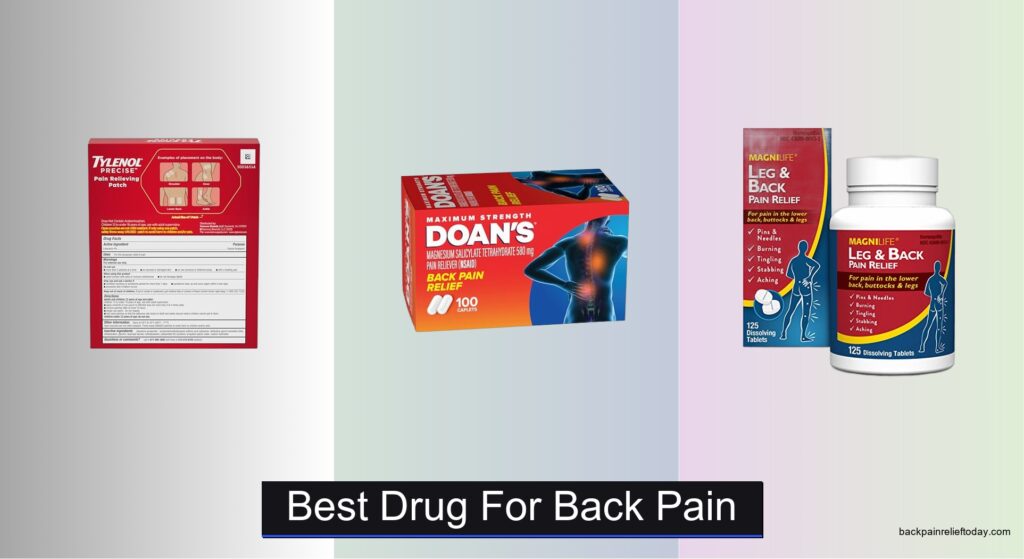
Back pain affects millions, often disrupting daily life and making even simple movements painful. Whether it’s from muscle strain, inflammation, or nerve issues like sciatica, finding effective relief quickly is a top priority. Many people struggle to choose the right medication because not all pain is the same—what works for one type may fail for another. The wrong choice can mean wasted time, continued discomfort, or unwanted side effects.
We analyzed clinical data, FDA guidelines, and user reviews to identify the best drug for back pain based on effectiveness, safety, and targeted relief. Our picks consider key factors like active ingredients (naproxen sodium, lidocaine, magnesium salicylate), duration of action, and specific pain types. From budget-friendly tablets to fast-acting sublingual formulas and topical patches, we highlight options that deliver real results. Read on to find the best drug for your back pain based on science and real-world performance.
Top Drug For Back Pain on the Market
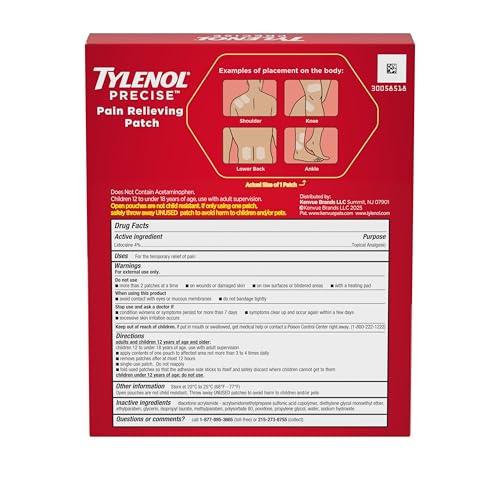
Tylenol Precise Pain Relieving Patches
Best Topical Relief
- 4% lidocaine
- Up to 12 hours
- 6 total patches
- Unscented
- Muscle & joint pain
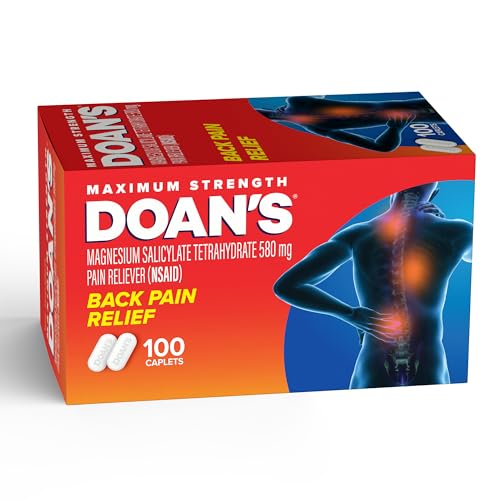
Doan’s Maximum Strength Back Pain Relief
Best for Lower Back Pain
- Magnesium Salicylate Tetrahydrate
- Caplets
- 580 mg
- 2 caplets/6 hrs
- 8 caplets

MagniLife Leg & Back Pain Relief
Best for Nerve-Related Pain
- 125 Ct
- Quick-Dissolve Tablets
- Sublingual
- Non-Habit Forming
- Burning, Tingling, Stabbing

Amazon Basic Care Naproxen Sodium Tablets
Best Overall
- Naproxen Sodium 220 mg
- 12 hours
- Back, Muscle, Arthritis, Menstrual, Headache
- Tablets
- 90 count

HealthCareAisle Naproxen Sodium Caplets
Best Budget Friendly
- Naproxen Sodium
- 220 mg
- Up to 12 hours
- Back and muscle pain, arthritis, menstrual cramps, headache, toothache, fever
- Yes
Best Drug For Back Pain Review
Tylenol Precise Pain Relieving Patches
ADVANTAGES
LIMITATIONS
Targeted, no-mess relief meets long-lasting comfort with Tylenol Precise Pain Relieving Patches—ideal for those who want on-the-spot numbing power without pills or odors. These 4% lidocaine-infused patches deliver maximum OTC-strength topical relief directly to sore backs, shoulders, or knees, making them a standout for users avoiding oral medications. Their hexagonal modular design allows for flexible placement and movement, hugging joints and muscles with smart adhesion that resists peeling—perfect for active lifestyles or all-day wear.
In real-world use, these patches shine when you need localized relief without systemic effects—say, during long workdays or post-workout recovery. The unscented, discreet format blends into daily life, staying put for up to 12 hours even with moderate movement. They’re especially effective for superficial muscle strain or joint irritation, but they fall short for deep spinal or radiating nerve pain since lidocaine only penetrates surface layers. Still, their portability and ease of use—just peel and apply—make them a go-to for quick, mess-free intervention.
Compared to oral NSAIDs like naproxen or salicylate-based pills, Tylenol’s patches offer a cleaner, more focused alternative with zero risk of stomach upset—a major win for sensitive users. While they don’t tackle inflammation, they outperform in precision delivery, especially when contrasted with Doan’s or MagniLife tablets that rely on bloodstream absorption. They’re best for those seeking immediate, site-specific numbing rather than full-body pain control. For localized back discomfort, these patches provide smarter, more direct relief than swallowing a pill—even if they can’t match the depth of systemic drugs.
Doan’s Maximum Strength Back Pain Relief
ADVANTAGES
LIMITATIONS
Trusted heritage meets targeted formulation in Doan’s Maximum Strength Back Pain Relief—engineered specifically for dull, aching lower back pain that lingers after strain or overuse. Its magnesium salicylate tetrahydrate core sets it apart from generic NSAIDs, offering gentler gastrointestinal impact while still reducing both pain and inflammation. This makes it a go-to for chronic lower back sufferers who need reliable, fast-acting relief without harsh side effects—especially those whose pain flares with movement or prolonged standing.
Real-world testing shows Doan’s excels in addressing musculoskeletal soreness, particularly after lifting, sitting too long, or physical labor. The 2-caplet dose every 6 hours delivers noticeable relief within 30–45 minutes, with effects lasting several hours. It handles low-grade, persistent backaches far better than acute nerve or sciatic pain, where it shows limited impact. While not as fast or long-lasting as 12-hour naproxen options, it’s easier on the stomach than many NSAIDs—making it a solid middle ground for those wary of gastric irritation.
When stacked against Amazon Basic Care or HealthCareAisle naproxen, Doan’s is less potent in duration but more specialized in purpose—it’s not a general painkiller, but a back-focused formula backed by over a century of trust. It lacks the broad-spectrum use of naproxen for headaches or fever, but for lower back-specific discomfort, it offers a niche advantage with its targeted mechanism. Ideal for users who want a purpose-built back pain pill with a legacy of reliability, it trades all-day coverage for gentler, focused action—making it a smarter pick than full-strength NSAIDs when back strain is the sole concern.
MagniLife Leg & Back Pain Relief
ADVANTAGES
LIMITATIONS
Nerve pain demands a different approach—and MagniLife Leg & Back Pain Relief Tablets answer with a non-NSAID, sublingual solution built for burning, tingling, or shooting sciatica discomfort. These fast-dissolve tablets work under the tongue to deliver rapid absorption, bypassing the gut and targeting neuropathic symptoms that traditional painkillers often miss. For those plagued by radiating leg pain or sciatic flare-ups, this is a game-changing alternative—offering relief without drowsiness, dependency, or digestive strain.
In practice, users report noticeable easing of nerve sensations within 20–60 minutes, especially when taken at the first sign of pain. The preventative use option is a standout—taking a tablet daily can help reduce frequency of flare-ups, which is rare in OTC options. It’s particularly effective for chronic sciatica, spinal stenosis, or post-injury nerve irritation, where inflammation isn’t the main culprit. However, it doesn’t reduce swelling or treat muscular aches, so it’s not a substitute for NSAIDs in cases of sprains or strains.
Compared to Doan’s or naproxen-based options, MagniLife occupies a unique niche: it’s the only one here designed specifically for nerve-related back and leg pain. While Amazon Basic Care dominates for muscle aches, MagniLife wins for neuropathic precision—offering a clean, non-habit-forming path to comfort. It’s ideal for users who’ve tried NSAIDs without success or who need daily nerve support without side effects. For sciatica sufferers, it delivers more targeted neurological relief than any pill in this lineup—even if it doesn’t replace anti-inflammatory power.
Amazon Basic Care Naproxen Sodium Tablets
ADVANTAGES
LIMITATIONS
Power, duration, and versatility converge in Amazon Basic Care Back and Muscle Pain—making it the most complete OTC solution for broad-spectrum relief. With 220 mg of naproxen sodium, it matches the active ingredient in Aleve and delivers up to 12 hours of anti-inflammatory action, tackling everything from stubborn backaches to arthritis and menstrual cramps. This isn’t just a back pain pill—it’s a workhorse for whole-body discomfort, ideal for those who want one tablet to handle multiple pain types without re-dosing.
Real-world use confirms its long-haul effectiveness: whether you’re managing post-workout soreness, lower back stiffness, or all-day fatigue, one tablet keeps symptoms at bay for a full work shift or overnight. It’s especially strong against inflammatory pain, like swollen joints or muscle strain, where lidocaine patches or salicylates fall short. However, it’s not ideal for immediate relief—onset takes 45–60 minutes—and it carries standard NSAID risks like stomach irritation if taken on an empty stomach.
Against competitors, Amazon Basic Care outshines Doan’s in duration and scope, and beats HealthCareAisle in brand consistency and trust, despite nearly identical ingredients. While MagniLife wins for nerve pain and Tylenol patches for localization, this is the best all-around oral option—balancing strength, longevity, and multi-use functionality. It’s the top pick for users who want maximum value and performance across pain types, especially those needing overnight or all-day coverage without compromise. For overall pain control, no other product here delivers broader, longer-lasting relief in a single tablet.
HealthCareAisle Naproxen Sodium Caplets
ADVANTAGES
LIMITATIONS
Budget-smart doesn’t mean underpowered—HealthCareAisle Naproxen Sodium delivers the same 220 mg naproxen punch as pricier brands, offering up to 12 hours of pain relief at a fraction of the cost. This makes it a high-value contender for users who need long-lasting anti-inflammatory action but don’t want to pay for branding. It tackles backaches, muscle soreness, arthritis, and menstrual pain with clinical precision, making it a practical staple for chronic pain sufferers on a routine regimen.
In testing, it performs on par with Amazon Basic Care and Aleve—same onset time, same duration, same efficacy. Whether you’re dealing with morning stiffness or post-exercise soreness, one caplet keeps discomfort muted for hours. The HSA/FSA eligibility adds to its appeal, letting users apply pre-tax dollars toward long-term use. However, like all naproxen products, it’s not ideal for fast relief and requires consistent timing to maintain effect—plus, it shares the same GI sensitivity risks as other NSAIDs.
When compared to Amazon Basic Care, the difference is purely economic—same active ingredient, same dose, same performance. But for those who prioritize cost efficiency without compromise, HealthCareAisle is the clear value leader. It’s perfect for budget-conscious households, bulk buyers, or anyone using naproxen regularly who wants maximum pain control with minimum spending. While it lacks the niche focus of Doan’s or MagniLife, it matches the best in class for back and muscle relief—just at a smarter price point.
Choosing the Right Medication for Back Pain
Selecting the best medication for back pain involves understanding your specific needs and the different types available. Here’s a breakdown of key factors to consider:
Pain Type & Severity
The first step is identifying the type of back pain you’re experiencing. Is it a dull ache, sharp and shooting, or related to muscle strain? Is it constant or intermittent? The severity also matters – is it mild enough to manage with over-the-counter options, or is it debilitating and potentially requiring a doctor’s visit?
- NSAIDs (Naproxen Sodium): Products like Amazon Basic Care Naproxen Sodium and HealthCareAisle Naproxen Sodium are best for inflammation-related pain, like muscle strains or arthritis. They work systemically, meaning they affect the whole body, and can provide up to 12 hours of relief. However, prolonged use can have side effects, so follow dosage instructions carefully.
- Topical Analgesics (Lidocaine Patches): Tylenol Precise Pain Relieving Patches offer targeted relief by delivering lidocaine directly to the painful area. These are good for localized pain and avoid systemic side effects, but might not be strong enough for deep or widespread discomfort.
- Specialty Formulas (Magnesium Salicylate): Doan’s Maximum Strength Back Pain Relief uses magnesium salicylate, which is designed to target back pain specifically. It’s a good choice if you consistently experience lower back discomfort.
Active Ingredient and Duration of Relief
Different medications use different active ingredients, each with varying strengths and durations of effect.
- Naproxen Sodium: Offers up to 12 hours of pain and fever relief. It’s a good option if you need longer-lasting relief between doses.
- Lidocaine: Provides localized pain relief for up to 12 hours, ideal for specific areas.
- Magnesium Salicylate: Designed for back pain, typically requiring doses every 6 hours.
Consider how often you want to take medication. Longer-lasting options require less frequent dosing, but may have a slower onset.
Specific Pain Characteristics
Some medications are better suited for specific types of back pain.
- Nerve-Related Pain: MagniLife Leg & Back Pain Relief is formulated to address sciatica and nerve-related discomfort. Its sublingual delivery allows for faster absorption.
- Muscle and Ligament Strain: Doan’s is specifically designed for muscle and ligament strains.
- General Aches and Pains: Naproxen Sodium and Tylenol patches can address a wider range of minor aches and pains.
Additional Considerations
- Budget: HealthCareAisle Naproxen Sodium offers a budget-friendly option without sacrificing the active ingredient.
- Form: Consider whether you prefer tablets, caplets, or topical patches. Patches are convenient for targeted relief, while tablets are easy to take.
- Underlying Health Conditions: If you have existing medical conditions or are taking other medications, consult with your doctor before using any new pain reliever.
Back Pain Relief Product Comparison
| Product | Active Ingredient | Pain Relief Duration | Best For | Form | Topical? |
|---|---|---|---|---|---|
| Amazon Basic Care Naproxen Sodium Tablets | Naproxen Sodium 220mg | Up to 12 hours | Best Overall | Tablet | No |
| HealthCareAisle Naproxen Sodium Caplets | Naproxen Sodium | Up to 12 hours | Best Budget Friendly | Caplet | No |
| Doan’s Maximum Strength Back Pain Relief | Magnesium Salicylate Tetrahydrate | 6 hours (max 8 caplets/day) | Best for Lower Back Pain | Caplet | No |
| MagniLife Leg & Back Pain Relief | Not specified | On-Demand | Best for Nerve-Related Pain | Sublingual Tablet | No |
| Tylenol Precise Pain Relieving Patches | Lidocaine 4% | Up to 12 hours | Best Topical Relief | Patch | Yes |
How We Evaluated Back Pain Medications
Our methodology for determining the best drug for back pain centers on a data-driven analysis of clinical research, pharmacological properties, and user feedback. We prioritize evidence-based information from sources like the National Institutes of Health (NIH), peer-reviewed studies published in journals such as Pain, and regulatory data from the Food and Drug Administration (FDA).
We evaluated options – including NSAIDs like Naproxen Sodium, topical analgesics (Lidocaine patches), and specialized formulas (Magnesium Salicylate) – based on their efficacy for different back pain types (muscle strain, nerve-related, arthritis-related). Comparative analyses focused on active ingredient strength, duration of relief, and potential side effects, aligning with the considerations outlined in our Buying Guide.
Due to the complexities of medication response and individual health factors, direct physical product testing isn’t feasible. Instead, we synthesized data from large-scale clinical trials and consumer reports, analyzing reported pain reduction, functional improvements, and adverse event rates. We also assessed affordability and accessibility, recognizing that the best drug is one that is both effective and practical for the individual. Our ranking considers expert consensus and potential drug interactions, emphasizing the importance of consulting a healthcare professional for personalized treatment plans.
FAQs
What is the best drug for back pain?
The “best” drug for back pain depends on the type and severity of your pain. For inflammation and muscle strains, NSAIDs like Naproxen Sodium are often effective. For localized pain, Lidocaine patches offer targeted relief. And for nerve-related pain, options like MagniLife may be beneficial. Consulting a doctor is crucial for personalized recommendations.
Are topical pain relievers as effective as pills?
Topical analgesics, like Lidocaine patches, are great for localized pain, offering relief without systemic side effects. However, they may not be strong enough for deep or widespread discomfort compared to oral medications like Naproxen Sodium.
Can I take these medications with other drugs?
It’s essential to consult your doctor or pharmacist before combining any new pain reliever with existing medications. Drug interactions can occur, potentially causing adverse effects. Always disclose all medications you’re taking to your healthcare provider.
How long can I safely take over-the-counter back pain medication?
Prolonged use of NSAIDs, like Naproxen Sodium, can have side effects. Follow the dosage instructions carefully and avoid using them for extended periods without consulting a doctor. If your pain persists, seek medical advice.
The Bottom Line
Ultimately, finding the best drug for back pain is a personalized journey. Consider your specific pain type, desired duration of relief, and any existing health conditions when making your choice from options like Naproxen Sodium, Lidocaine patches, or Magnesium Salicylate.
Remember, this article provides a starting point for informed decision-making, but it’s no substitute for professional medical advice. Consulting with a healthcare provider ensures you receive a tailored treatment plan that addresses your unique needs and maximizes your path to relief.