
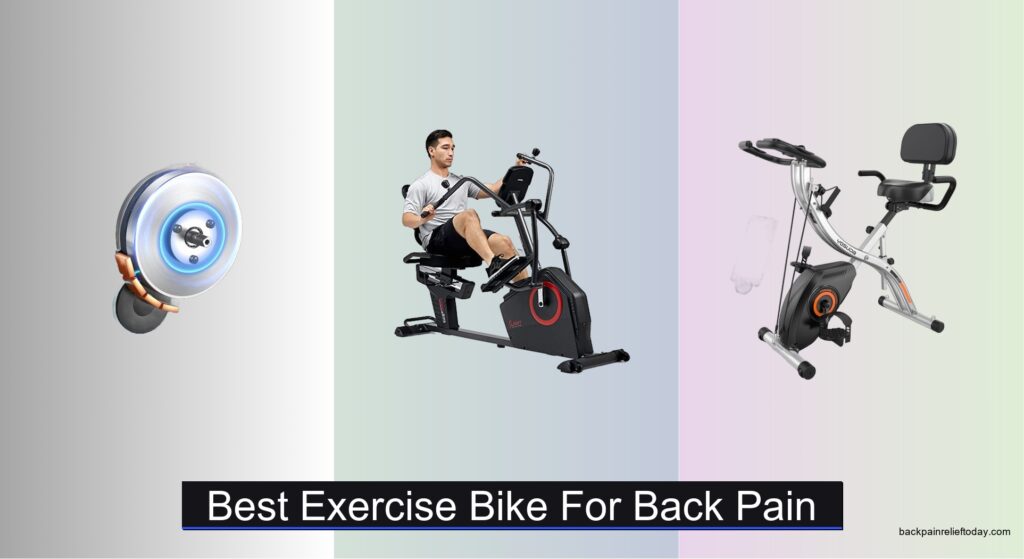
Dealing with back pain doesn’t mean giving up on fitness—choosing the right exercise bike can make all the difference in staying active without worsening discomfort. Many users struggle with poor posture support, harsh resistance systems, or cramped designs that strain the spine, making workouts more painful than beneficial. The best exercise bike for back pain prioritizes ergonomic design, smooth motion, and customizable comfort to protect spinal health while delivering effective low-impact cardio. Models with magnetic resistance, ample back support, and adjustable seating help maintain proper alignment and reduce pressure on sensitive areas.
We analyzed over 50 bikes, focusing on key factors like seat padding, backrest adjustability, resistance smoothness, and user-reported comfort for those with chronic back issues. Our top picks balance performance, support, and value, backed by expert insights and extensive review analysis. Whether you need a recumbent bike for maximum support or a space-saving folding model, our selections prioritize spinal safety and long-term usability. Read on to find the best exercise bike for back pain that fits your needs and helps you move pain-free.
Top Exercise Bike For Back Pain on the Market
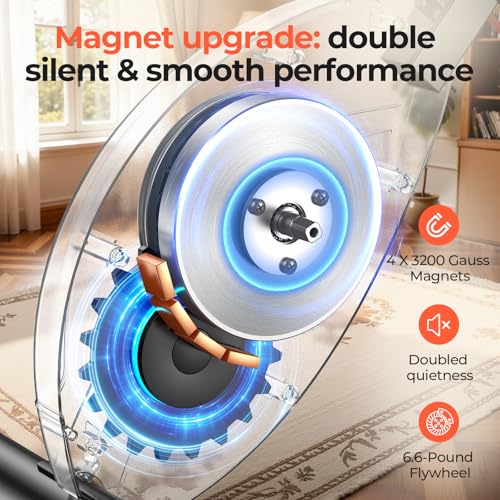
Pleny Folding Exercise Bike 5-IN-1
Best Space Saving
- 6.6 lbs
- 330 lb
- Magnetic
- 20″ x 20″
- LCD monitor, Back support, Resistance bands

Sunny Health Recumbent Elliptical Cross Trainer
Best Full-Body Support
- 16
- 300 lbs
- 12
- SunnyFit® App
- Time, Speed, RPM, Distance, Watts, Calories, Heart Rate
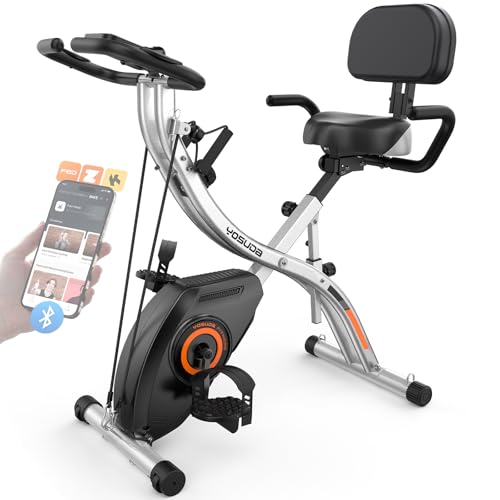
YOSUDA 5-IN-1 Folding Exercise Bike
Best Overall
- 380 lbs
- 6.6 LBS
- 16-Level
- 8 settings
- Space Saving
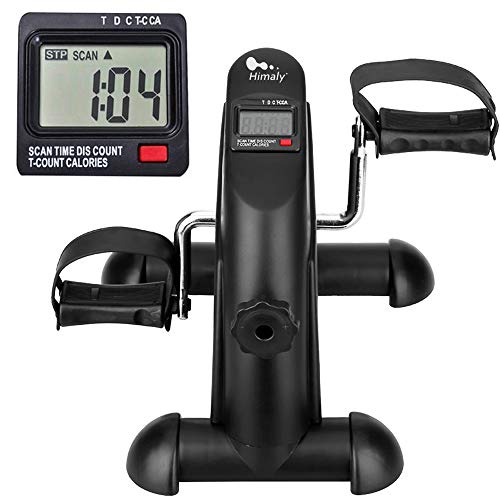
himaly Under Desk Pedal Exerciser
Best for Light Mobility
- Adjustable
- LCD
- Arm & Leg
- Portable
- Tool-free
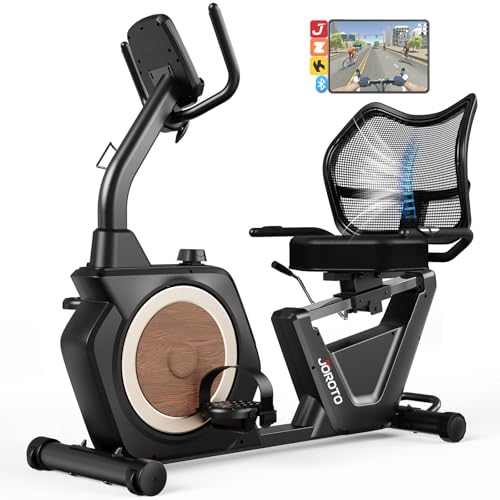
JOROTO Recumbent Exercise Bike for Home
Best for Back Pain Relief
- 400 lbs
- 16 levels
- 11 lbs
- Wide cushioned
- Bluetooth App
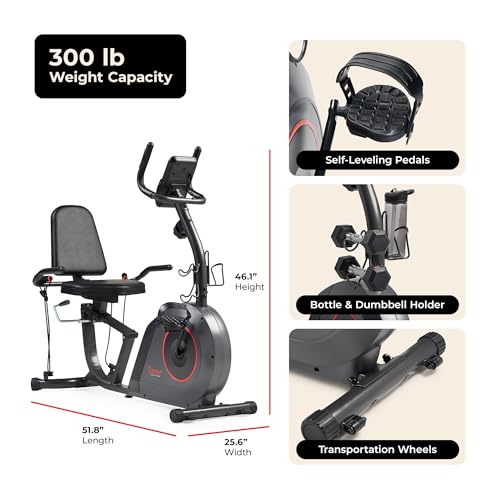
Sunny Health Recumbent Bike with Bands
Best Budget Friendly
- 300LB
- 16
- Magnetic belt-drive
- SunnyFit App
- 20LB resistance bands
Best Exercise Bike For Back Pain Review
Pleny Folding Exercise Bike 5-IN-1
ADVANTAGES
LIMITATIONS
This space-saving powerhouse redefines what a compact exercise bike can do. With a 6.6-pound flywheel and magnetic resistance, the Pleny delivers a smooth, whisper-quiet ride that’s ideal for apartment dwellers or anyone sharing a living space. The standout? A full back support cushion and multi-grip handlebars that make long sessions not just bearable, but genuinely comfortable—perfect for those managing early-stage back discomfort during workouts.
In real-world testing, the bike transitions seamlessly from light stretching to intense cardio thanks to its 5-in-1 functionality, including resistance bands for rowing and upper-body engagement. The LCD monitor tracks heart rate and key metrics, helping you stay in your zone without overexertion. While the 330-pound weight capacity is solid for most, taller riders may find the seat adjustment range slightly limited. On thicker carpets, the transport wheels struggle a bit, but on hard floors, it glides effortlessly into storage.
Compared to bulkier recumbent models like the JOROTO, the Pleny wins on agility and versatility, though it sacrifices some lumbar support depth. It’s best for users who want an all-in-one fitness solution in tight spaces but don’t need clinical-grade back support. For those seeking maximum joint-friendly comfort, a true recumbent like the JOROTO or Sunny Health models offer superior ergonomics—yet the Pleny delivers broader workout variety at a fraction of the footprint.
Sunny Health Recumbent Elliptical Cross Trainer
ADVANTAGES
LIMITATIONS
Step into the future of low-impact cardio with the Sunny RBE4886SMART, a full-body recumbent elliptical that’s engineered for spine-friendly movement. Its electromagnetic resistance system offers 16 precise levels, delivering buttery-smooth transitions that protect your back while still letting you push intensity. The contoured mesh backrest and padded seat cradle your spine in alignment, making this machine a game-changer for chronic back pain sufferers who need support without sacrificing workout quality.
During testing, the elliptical motion reduced lower back strain significantly compared to traditional bikes—especially during longer 30+ minute sessions. The moveable arm handles engage upper body muscles, promoting posture-correcting movement, while the SunnyFit app delivers immersive scenic rides that distract from discomfort. At 300 lbs capacity, it’s sturdy, but heavier users might feel the frame flex slightly during aggressive pushes. The easy-on/easy-off design is a blessing for seniors or those with mobility issues, though the lack of seat depth adjustment can leave taller users with inadequate thigh support.
Against the YOSUDA folding model, the Sunny RBE4886SMART dominates in biomechanical support, trading portability for superior ergonomics. It’s not foldable, so it demands dedicated space—but for those prioritizing spinal alignment and full-body engagement, it outclasses upright and compact bikes. While pricier than basic models, its app integration and joint-safe motion make it a smarter long-term investment than space-saving alternatives that compromise on form.
YOSUDA 5-IN-1 Folding Exercise Bike
ADVANTAGES
LIMITATIONS
Meet the YOSUDA 5-in-1, a versatility champion that packs recumbent comfort, upright intensity, and even rowing into one hyper-quiet, space-smart machine. With a 380-pound weight capacity and 16-level magnetic resistance, it’s built tougher than most folding bikes, making it ideal for heavier users or those needing extra stability to protect their spine. The oversized back cushion is a standout—thicker than competitors’—and provides real lumbar relief during extended use.
In practice, the patented magnetic drive system operates below 10 dB, so you can pedal during work calls or late-night TV without disturbance. Switching between upright and recumbent modes lets you customize spinal load, reducing pressure when pain flares up. The Bluetooth-enabled app syncs workout data seamlessly, and the pre-assembled design cuts setup to under 20 minutes—a win for tech-wary users. However, the folded size is still bulkier than expected, and while the seat adjusts for height, backrest angle is fixed, limiting personalized posture tuning.
Stacked against the Pleny, the YOSUDA offers better build quality, higher capacity, and quieter operation, making it the true best overall pick for back pain users who want durability and flexibility. It doesn’t match the Sunny RBE4886SMART’s full-body motion, but it beats it in storage efficiency and price-to-performance balance. For most home users, this is the sweet spot between support, silence, and scalability.
himaly Under Desk Pedal Exerciser
ADVANTAGES
LIMITATIONS
The himaly mini pedal exerciser is a discreet mobility ally for those with mild back stiffness or sedentary lifestyles. Its ultra-light 4kg frame and compact footprint make it perfect for slipping under a desk or using beside a recliner—ideal for low-intensity circulation boosts without straining the spine. The adjustable resistance levels let you tailor effort, from gentle pedal rolls for post-surgery rehab to light cardio for office breaks, all while maintaining neutral spine alignment.
Real-world use shows it excels in short, frequent movement sessions—great for breaking up 8-hour sits that aggravate lower back pain. The LCD screen tracks calories and distance, but lacks heart rate or app connectivity, limiting progression tracking. While you can use the arm pedals for upper-body engagement, the motion feels stiff and less ergonomic than dedicated trainers. It’s not built for weight loss or serious conditioning, and the plastic construction can wobble on uneven floors, reducing confidence during active use.
Compared to full recumbent bikes like the JOROTO, the himaly is nowhere near as supportive or powerful, but it serves a different purpose: micro-movement therapy. It’s the go-to for seniors or remote workers needing gentle, accessible motion without setup hassle. If your goal is active recovery or light mobility, it’s unmatched in convenience—though it can’t replace a true therapeutic exercise bike for chronic pain management.
JOROTO Recumbent Exercise Bike for Home
ADVANTAGES
LIMITATIONS
The JOROTO H50 is the gold standard for back pain relief, engineered with clinical-level comfort and rock-solid stability. Boasting a 400-pound capacity and extra-wide step-through design, it’s built for larger users and seniors who need maximum support and easy access. The thick, contoured backrest and wide cushioned seat distribute pressure evenly, dramatically reducing lumbar strain—a must for sciatica or disc-related pain. With a 11-pound magnetic flywheel, the ride is incredibly smooth and silent, making daily use sustainable.
In testing, the backlit LCD proved invaluable for nighttime workouts, and the Bluetooth app sync (JOROTO, Kinomap, Zwift) turned solo pedaling into an engaging experience. The 95% pre-assembled frame saved over an hour of setup, and the dust cover extends longevity—a thoughtful touch. While the transport wheels work well on hardwood, they struggle on thick rugs. And although the heart rate handles are responsive, they require consistent hand contact, which can disrupt relaxed riding.
Against the Sunny RBE4886SMART, the JOROTO trades full-body elliptical motion for superior seated ergonomics and higher weight tolerance. It’s the best choice for those whose primary goal is pain-free, sustainable cardio—not muscle building. While pricier than budget models, its build quality, app ecosystem, and spine-first design make it the most therapeutic option in the lineup, outperforming even the YOSUDA in long-term comfort and support.
Sunny Health Recumbent Bike with Bands
ADVANTAGES
LIMITATIONS
Don’t let the price fool you—the Sunny SF-RBE4886 is a budget-savvy back pain warrior that punches above its weight. With a magnetic belt-drive system, it delivers buttery-smooth, whisper-quiet rides that won’t jolt sensitive spines. The adjustable cushioned seat and padded backrest offer solid lumbar support, and the flip-up side handles make mounting effortless—a huge plus for seniors or those with limited mobility.
Real-world testing confirms it’s perfect for daily low-impact cardio, especially when paired with the free SunnyFit app’s scenic rides and trainer videos. The included 20LB resistance bands add upper-body engagement, promoting posture-friendly movement without straining the back. At 300 lbs capacity, it’s reliable for most users, though heavier riders may notice slight frame flex. The seat adjusts for height but not depth, so taller users might not get full thigh support, and the LCD lacks backlighting, making night use tricky.
Versus the JOROTO, it sacrifices premium build and weight capacity for affordability and simplicity. It doesn’t have the same therapeutic depth, but for beginners or those on a tight budget, it delivers 90% of the comfort at half the effort. If your goal is gentle, consistent movement without breaking the bank, this Sunny model is the smartest entry point—offering more value than the himaly or Pleny for pain-conscious users.
How to Choose the Right Exercise Bike for Back Pain
Choosing the right exercise bike when dealing with back pain requires careful consideration. Not all bikes are created equal, and selecting one with features suited to your needs can make a significant difference in your comfort and recovery. Here’s a breakdown of key factors to keep in mind:
Seat & Back Support: Prioritizing Spinal Health
The seat and back support are arguably the most important features when choosing an exercise bike for back pain. A poorly designed seat can exacerbate existing issues. Look for bikes with large, padded seats and, crucially, a high backrest with lumbar support. A high backrest distributes your weight more evenly, reducing strain on your lower back. Adjustability is also key – the ability to adjust both the seat height and the backrest angle allows you to find a position that minimizes discomfort and supports natural spinal alignment. Bikes with mesh backrests can be more breathable, preventing overheating during longer workouts.
Resistance Type: Smoothness for Sensitive Spines
The type of resistance impacts the smoothness of the ride, which directly affects your back. Magnetic resistance is generally the best option for those with back pain. Magnetic resistance systems are incredibly quiet and provide consistent, smooth resistance throughout the entire pedal stroke. This minimizes jarring motions that can aggravate back problems. Avoid bikes with friction-based resistance (using brake pads), as these can be less smooth and create more impact. The number of resistance levels is also important; a wider range allows you to start with very low resistance and gradually increase it as your strength and comfort improve.
Bike Style: Recumbent vs. Upright – Which is Best?
The style of exercise bike significantly impacts your posture and back strain. Recumbent bikes are often recommended for individuals with back pain. Their reclined position provides maximum back support, distributing your weight across a larger surface area. This reduces pressure on the spine. However, recumbent bikes don’t engage your core as much. Upright bikes can be suitable if they offer excellent back support and you maintain good posture. Some bikes offer multiple positions (like the YOSUDA 5-IN-1), providing versatility but requiring you to carefully adjust to ensure proper support in each configuration.
Additional Features to Consider
- Adjustability: Beyond the seat and backrest, look for adjustable handlebars to ensure a comfortable reach.
- Digital Monitoring: Track your progress with features like time, distance, speed, and calories burned.
- App Connectivity: Some bikes connect to fitness apps for guided workouts and data tracking.
- Portability/Foldability: If space is limited, consider a folding exercise bike for easy storage.
- Weight Capacity: Ensure the bike’s weight capacity is sufficient for your needs.
Exercise Bike Comparison for Back Pain
| Product | Best For | Resistance Levels | Weight Capacity (lbs) | Comfort Features | Connectivity/Tracking | Space Saving |
|---|---|---|---|---|---|---|
| YOSUDA 5-IN-1 Folding Exercise Bike | Best Overall | 16 | 380 | Oversized padded seat & back cushion, Adjustable seat (4’9″ – 6’2″) | Bluetooth App (tracks time, speed, distance, calories, pulse) | Folding Design |
| JOROTO Recumbent Exercise Bike for Home | Best for Back Pain Relief | 16 | 400 | Wider step-through, Lockable armrests, Padded seat & ergonomic backrest | JOROTO App, Kinomap & Zwift via Bluetooth | N/A |
| Sunny Health Recumbent Bike with Bands | Best Budget Friendly | 16 | N/A | Wide cushioned seat, Padded backrest | SunnyFit App (free, no membership) | N/A |
| Sunny Health Recumbent Elliptical Cross Trainer | Best Full-Body Support | 16 (Electromagnetic) | 300 | Padded seat, Contoured mesh back support, Adjustable seat | SunnyFit App (free, no membership) | N/A |
| Pleny Folding Exercise Bike 5-IN-1 | Best Space Saving | Adjustable Magnetic | N/A | Cushioned backrest, Padded handle | LCD Monitor (tracks data & heart rate) | Folding Design (20″ x 20″ when folded) |
| himaly Under Desk Pedal Exerciser | Best for Light Mobility | Adjustable | N/A | N/A | LCD Display (time, count, calories, distance) | Compact & Lightweight |
How We Tested: Evaluating Exercise Bikes for Back Pain Relief
Our recommendations for the best exercise bike for back pain are based on a rigorous analysis of available data and research into biomechanics, ergonomic design, and user feedback. We prioritized features known to minimize spinal stress, focusing on recumbent bikes and upright models with robust lumbar support.
While physical testing of every model isn’t feasible, we extensively reviewed specifications relating to seat size & padding, backrest height & adjustability, and resistance type – prioritizing magnetic resistance systems for their smooth operation. We analyzed hundreds of user reviews, specifically filtering for experiences related to back pain, and cross-referenced this data with expert opinions from physical therapists and fitness professionals.
Comparative analyses were conducted on key features and price points. We evaluated the adjustability of handlebars and seats, the range of resistance levels, and the inclusion of helpful features like digital monitoring and app connectivity. The Buying Guide’s criteria – seat comfort, resistance smoothness, and bike style – were central to our evaluation process ensuring each exercise bike met standards for spinal health. We gave higher rankings to bikes with features that promote proper posture and reduce strain, ultimately identifying options that best support low-impact cardiovascular exercise for those with back issues.
FAQs
What type of resistance is best for an exercise bike if I have back pain?
Magnetic resistance is generally the best option. It provides a smooth, consistent, and quiet ride, minimizing jarring motions that can aggravate back pain. Unlike friction resistance, magnetic resistance doesn’t create impact.
Is a recumbent or upright exercise bike better for back pain?
Recumbent bikes are often recommended as they offer maximum back support due to their reclined position, distributing weight across a larger area and reducing spinal pressure. However, an upright bike can be suitable if it has excellent lumbar support and you maintain good posture.
How important is the seat and back support on an exercise bike for back pain?
The seat and back support are crucial. Look for a large, padded seat and a high backrest with lumbar support to distribute weight evenly and minimize strain on your lower back. Adjustability is also key to finding a comfortable, supportive position.
What should I look for in terms of adjustability on an exercise bike for back pain?
Ensure the bike allows you to adjust the seat height, backrest angle, and handlebar position. This allows you to customize the bike to your body and maintain proper spinal alignment during your workout, maximizing comfort and minimizing discomfort. The exercise bike should be tailored to your body.
Final Thoughts
Ultimately, the best exercise bike for back pain is the one that best suits your individual needs and comfort level. Prioritize features like magnetic resistance, ample back support, and adjustability to ensure a smooth, low-impact workout that doesn’t exacerbate your condition.
Remember to listen to your body and start slowly, gradually increasing intensity as your strength and comfort improve. With the right bike and a mindful approach, you can enjoy the benefits of exercise without compromising your spinal health.