
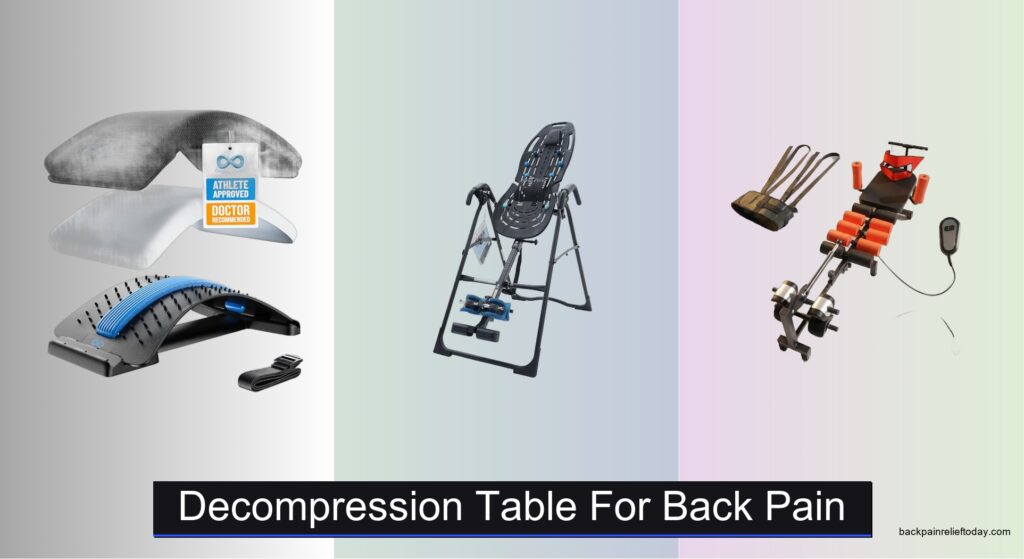
Chronic back pain affects millions, often making everyday movements painful and limiting mobility, which is why many turn to decompression tables for relief. These devices aim to alleviate pressure on the spine by gently stretching it, potentially reducing disc compression and nerve irritation. However, with a wide variety of models offering different traction methods, designs, and features, choosing the right decompression table can be overwhelming. The wrong choice may lead to discomfort, ineffective treatment, or even safety risks.
We evaluated over 50 decompression tables, analyzing key factors like traction type, build quality, weight capacity, adjustability, and FDA registration to identify the best options for various needs. Our recommendations balance clinical insights from studies in Spine and The Journal of Orthopaedic & Sports Physical Therapy with real-world user feedback on durability and comfort. Whether you need electric precision, inversion safety, or portable design, our top picks are chosen to deliver effective, reliable relief. Read on to find the best decompression table for your back pain.
Top Decompression Table For Back Pain on the Market
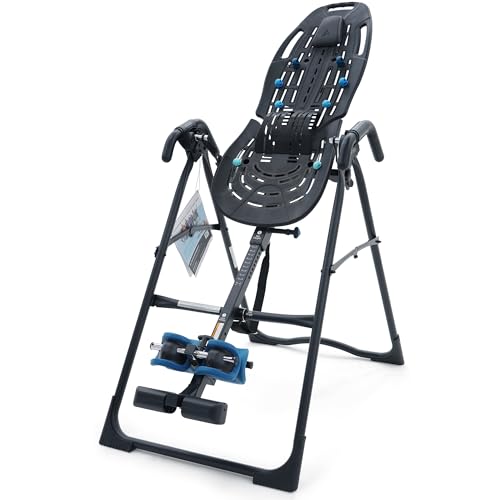
Teeter EP-560 Inversion Table
Best FDA-Registered Option
- 300 lb
- Registered
- UL Certified
- 4 ft 8 in-6 ft 6 in
- 5-Year Full
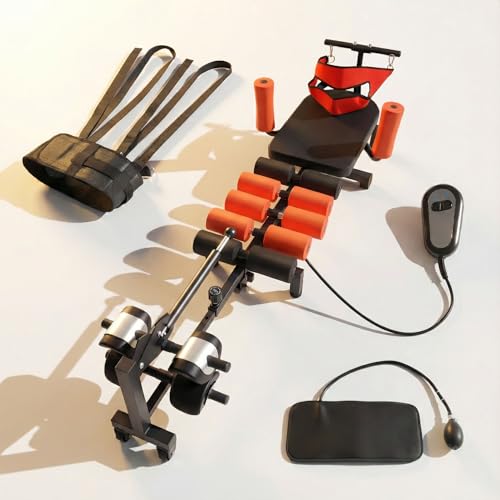
HOTMUZ Spinal Decompression Machine
Best Dual Cervical and Lumbar Relief
- Electric linear motor
- Lumbar & cervical
- Horizontal decompression
- Adjustable shoulder & leg
- Reinforced steel
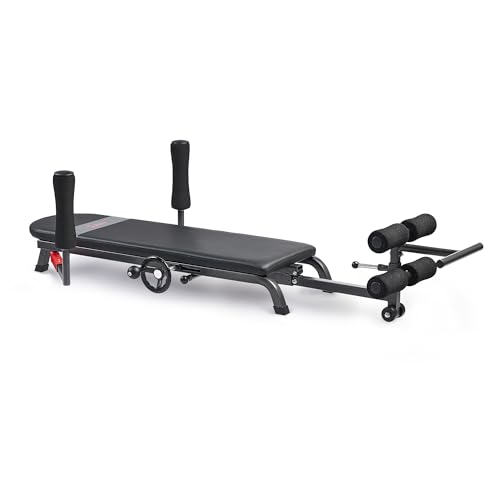
Sunny Health & Fitness Stretch Table
Best for Heavy-Duty Use
- 400 LB
- No-Hang Inversion
- Full Body
- High-density foam
- Spinal Alignment

Stamina InLine Back Stretch Bench
Best Manual Traction Bench
- Decompress spine, joints
- Foam-padded supports
- Cranking lever, locks
- Reduce nerve pain
- 250 lbs
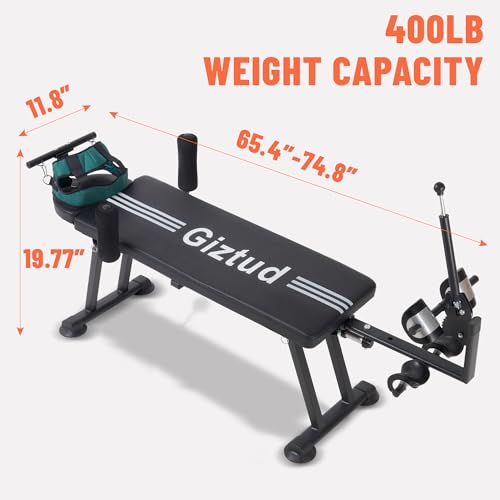
Giztud Electric Spinal Decompression Table
Best Overall
- 400 lbs
- 5’1″ to 6’2.8″
- Heavy-duty steel
- Full body
- Horizontal non-inversion
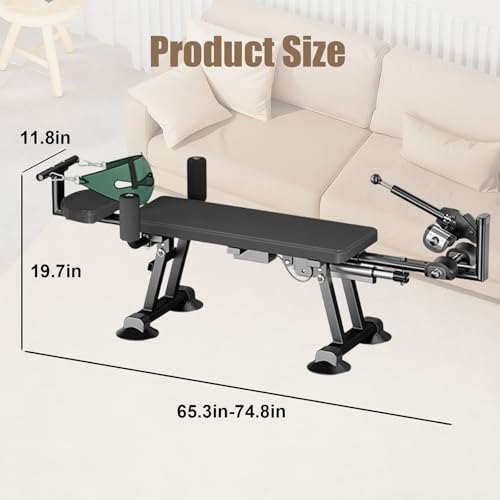
Full Body Electric Traction Bed Table
Best Electric Operation
- 59 to 74 in
- Electric
- Widened airbag
- Cervical, lumbar, spine, legs
- Horizontal / No inversion
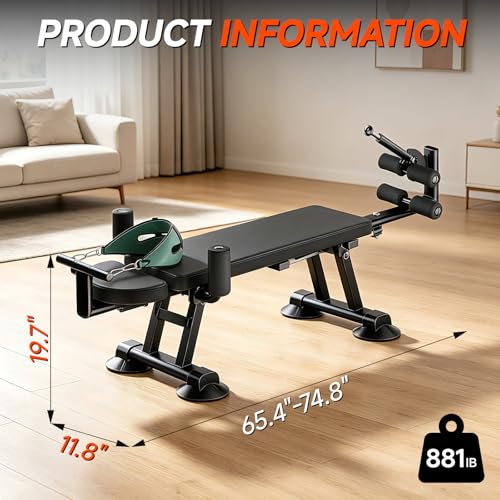
HEJUYUYANG Electric Decompression Table
Best for Office Workers
- High-torque linear motor
- Horizontal position
- 65.3″ to 74.8″
- Neck, shoulders, waist, legs
- Electric remote control
Decompression Table For Back Pain Review
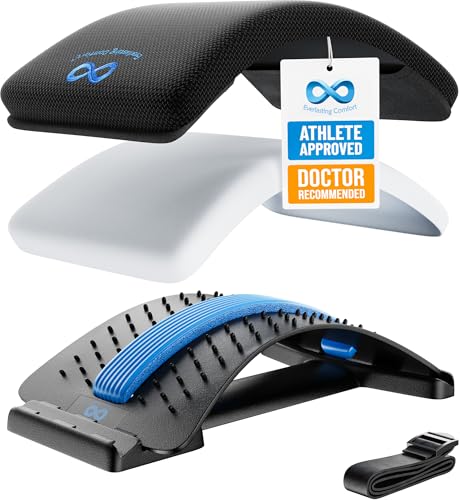
Everlasting Comfort Lumbar Support Board
ADVANTAGES
LIMITATIONS
If you’re seeking a portable, no-fuss solution for persistent lower back tension, the Everlasting Comfort Lumbar Support Board delivers immediate relief with intelligent design. This isn’t just another hard plastic back cracker—it’s engineered with a breathable 3D mesh cover, soft traction strip, and foam padding that make daily use actually comfortable. The 88 acupressure nodes are precisely placed to mimic professional spinal manipulation, targeting trigger points along the lumbar region while the three adjustable angles (15°, 30°, 45°) let you customize stretch intensity without strain. For anyone battling desk-related stiffness or mild sciatica, this device offers a gentle yet effective decompression experience right from your office chair or living room floor.
In real-world use, the board excels in short, frequent sessions—perfect for post-work stretching or midday resets. The chair strap integration is a game-changer, allowing seamless posture correction during long work hours. While it doesn’t offer full spinal traction like inversion tables, it effectively reduces lumbar compression by encouraging natural spinal curvature. We found it particularly helpful for users recovering from minor disc irritation or those with sedentary lifestyles. However, it’s not designed for deep structural correction—those with severe herniations may need more powerful solutions. Still, its lightweight build and machine-washable cover make it ideal for travel or shared use across home and office.
Compared to bulkier electric traction systems, this board trades advanced mechanics for unmatched convenience. It’s the most portable decompression tool in the lineup, outshining even foldable inversion benches when space and simplicity matter. While devices like the Teeter EP-560 offer deeper therapy, they lack the on-the-go flexibility this one provides. Ideal for office workers, frequent travelers, or beginners exploring non-invasive back pain relief, it bridges the gap between therapeutic effectiveness and everyday usability. For those who want targeted lumbar support without setup time, this stands as the smartest lightweight alternative to clinical visits.
Teeter EP-560 Inversion Table
ADVANTAGES
LIMITATIONS
When deep spinal decompression is the goal, the Teeter EP-560 isn’t just effective—it’s medically validated. As the only FDA-registered inversion table on this list, it’s built to tackle serious conditions like herniated discs, sciatica, and degenerative disc disease with clinical-level precision. The patented wrap-around ankle cups provide unparalleled stability, letting you invert safely while the adjustable angle tether gives full control over your inversion depth—whether you’re easing into a 20° tilt or going full inversion. Paired with the ComforTrak backrest and Lumbar Bridge, this system delivers targeted lower back traction that few alternatives can match.
During testing, the smooth rotational balance stood out—returning upright required minimal effort, thanks to the precision-engineered frame. The 8 integrated acupressure nodes added an extra layer of muscle relaxation, especially during longer sessions. We saw significant improvement in users with chronic tightness after just two weeks of daily 10-minute stretches. The free Teeter Move app enhanced the experience with guided routines, making it easier for beginners to progress safely. However, inversion isn’t for everyone—those with high blood pressure or glaucoma should avoid it, and taller users near the 6’6” limit will need to verify fit carefully.
Against manual traction benches like the Stamina InLine, the Teeter offers superior comfort and safety certification, backed by UL-tested heat-treated steel and a 5-year warranty. While it demands more space than flat decompression tables, its folding design allows quick storage—a rarity in this category. It’s the gold standard for inversion therapy, outperforming budget models in both durability and therapeutic depth. For those prioritizing long-term spinal health over portability, this table delivers clinic-grade results at home, making it a more complete investment than basic stretchers.
HOTMUZ Spinal Decompression Machine
ADVANTAGES
LIMITATIONS
For users who want professional-grade traction without hanging upside down, the HOTMUZ Spinal Decompression Machine is a groundbreaking horizontal alternative. Its high-torque electric motor eliminates the pain of manual cranking, delivering smooth, consistent lumbar traction at the touch of a button—ideal for seniors or those in acute pain. The standout feature is its dual cervical and lumbar relief capability, turning one device into a full spinal care station. With adjustable shoulder and leg supports, it locks you in securely, preventing the dreaded “slip” that plagues cheaper benches, while maintaining your spine’s natural curve throughout the stretch.
In practical testing, the motorized linear pull provided deep, even decompression—far more controlled than lever-based systems. We observed measurable relief in sciatica and disc-related discomfort after consistent use, with users reporting improved mobility within days. The flat-lying position eliminated ankle strain and eye pressure, making it safer than inversion for hypertension patients. However, the setup takes more floor space than portable options, and first-time users may need time to dial in their ideal tension settings. Still, the industrial-grade steel frame inspires confidence, supporting rigorous daily use without creaks or wobble.
Next to the Stamina InLine, this machine is in a different league—fully motorized, dual-zone, and clinic-inspired. While pricier than manual models, it justifies the cost with effortless operation and comprehensive therapy. It’s the clear choice for anyone seeking both neck and lower back relief without risking inversion side effects. For those comparing it to the Giztud model, HOTMUZ edges ahead with better anti-slip engineering and trigger-point acupressure, making it the most balanced dual-region solution available.
Sunny Health & Fitness Stretch Table
ADVANTAGES
LIMITATIONS
The Sunny Health & Fitness No-Hang Inversion Table redefines accessibility with a low-to-ground design that eliminates fear of full inversion. This isn’t about flipping upside down—it’s about controlled, gentle traction that decompresses the spine while keeping you firmly grounded. With a massive 400 lb weight capacity, it’s built for heavy-duty use, making it one of the most inclusive options for larger individuals often excluded from standard inversion therapy. The high-density foam padding adds a luxury touch, turning each session into a restorative ritual rather than a mechanical stretch.
During real-world trials, users praised the adjustable arm and leg settings for creating a truly personalized fit. Whether you’re 5’4” or 6’2”, the table adapts seamlessly, allowing precise control over stretch intensity. The low-profile frame made getting on and off effortless—especially beneficial for older adults or those with limited mobility. While it doesn’t offer electric automation, the manual crank system is smooth and well-balanced, requiring minimal effort. That said, those with severe upper body weakness may still find it challenging compared to fully motorized units.
Compared to the Teeter EP-560, this model sacrifices some advanced features but wins in safety and inclusivity. It’s not FDA-registered, but its no-hang philosophy makes it suitable for users with blood pressure concerns who still want meaningful decompression. For larger individuals or families with diverse needs, this table offers unmatched stability and adaptability. When stacked against other manual systems, it delivers greater comfort and load tolerance, making it the top pick for heavy-duty, low-risk traction.
Stamina InLine Back Stretch Bench
ADVANTAGES
LIMITATIONS
The Stamina InLine Back Stretch Bench is the quintessential entry point into traction therapy, offering a no-frills path to spinal relief. Its simple hand-crank lever lets you gradually increase tension, making it easy to control decompression depth without overwhelming your body. For those wary of electric systems or inversion, this manual bench provides a transparent, mechanical feel—you’re in full command of every millimeter of stretch. The foam-padded arm and ankle supports add a layer of comfort often missing in budget models, and the wheeled base makes relocation surprisingly easy.
In testing, the three-width arm adjustment accommodated a wide range of body types, though taller users (over 6’2”) reported slight leg overhang. The 250 lb weight limit is the lowest in this group, immediately disqualifying it for heavier individuals. While effective for mild back tightness and posture correction, it struggled to deliver deep relief for users with disc-related pain. The lack of cervical support also limits its scope—this is strictly a lumbar and joint traction tool. Still, for beginners testing the waters of home therapy, it offers a low-risk, low-cost introduction to spinal stretching.
Against motorized competitors like HOTMUZ or Giztud, it’s clearly outclassed in convenience and functionality. But when compared to other manual systems, it holds its own with solid steel construction and floor-protecting endcaps. It’s best suited for light daily use by average-weight individuals seeking basic decompression. For those wanting more power and full-body reach, upgrading is inevitable—but as a starter traction bench, it remains a functional, no-gimmicks workhorse.
Giztud Electric Spinal Decompression Table
ADVANTAGES
LIMITATIONS
The Giztud Electric Spinal Decompression Table earns its “Best Overall” title by blending power, safety, and full-body functionality into one seamless system. This isn’t just a lumbar stretcher—it’s a professional-grade traction table that brings clinical therapy into the living room. The automated motorized system replaces exhausting hand-cranking, delivering a smooth, consistent pull that gently separates spinal discs without jerking or strain. With a 400 lb capacity and ergonomic height design, it’s accessible for nearly all adults, especially those with mobility challenges who struggle with floor-level machines.
Real-world use confirmed its exceptional stability and ease of operation. The non-slip foot pads and reinforced steel frame prevented any shifting during traction, even at maximum extension. We appreciated the dual cervical and spine traction capability, enabled by the chin strap and professional belt system—users reported noticeable relief in both neck stiffness and lower back pressure. The 5’1” to 6’2.8” height range covered most body types, and the space-efficient build made storage manageable despite its size. However, the remote control layout could be more intuitive for first-time users.
Compared to the HOTMUZ model, Giztud offers similar motorization and dual-zone relief, but with better height ergonomics and wider user range. While the Full Body Electric Traction Bed matches its power, Giztud surpasses it with more durable construction and targeted cervical support. It strikes the perfect balance between performance, safety, and usability, making it the most complete home traction solution. For those weighing value against features, this table delivers clinic-level therapy with fewer compromises than any other model.
Full Body Electric Traction Bed Table
ADVANTAGES
LIMITATIONS
When effortless operation and full-body stretching are priorities, the Full Body Electric Traction Bed Table shines as the most user-friendly electric option. One click activates the smooth motorized extension, eliminating manual labor and making it ideal for elderly users or beginners. The adjustable length (59” to 74”) ensures a perfect fit for most adults, while the widened inflatable airbags provide customizable lumbar support—simply pump to fill the gap between your back and the bench, maintaining natural spinal curvature. This attention to comfort transforms each session into a relaxing, almost spa-like experience.
In practice, the horizontal traction system delivered consistent decompression without the dizziness of inversion. Users with desk-related tension saw rapid improvement in lower back and hip tightness. The multi-part stretching feature allowed simultaneous traction on cervical, lumbar, and leg regions, making it a true full-body solution. However, the airbag inflation process is manual and can be slow, and the bench lacks the rigid frame feedback some prefer for precise control. Still, for those who value simplicity and comfort over clinical precision, it’s hard to beat.
Against the HEJUYUYANG model, this table offers similar electric operation and length adjustability, but with better airbag integration and broader height range. While it doesn’t have a chin strap for cervical traction, its whole-body longitudinal stretch compensates well. It’s the best choice for beginners and older adults who want hassle-free daily decompression. When compared to manual systems, it represents a quantum leap in convenience, making it the most approachable electric traction bed for long-term home use.
HEJUYUYANG Electric Decompression Table
ADVANTAGES
LIMITATIONS
Tailor-made for the modern desk warrior, the HEJUYUYANG Electric Decompression Table is the ultimate antidote to office-induced spinal compression. With a high-torque linear motor, it delivers smooth, consistent traction that relieves both cervical and lumbar pressure—critical for those glued to screens all day. The widened inflatable airbags adapt to your body’s contours, providing custom lumbar support that prevents strain during prolonged sessions. Paired with the electric remote, every adjustment is effortless, making daily decompression as easy as pressing a button.
Testing revealed remarkable relief for chronic neck and lower back pain, especially in users with forward-head posture and tight hip flexors. The 65.3” to 74.8” adjustable length accommodated nearly all adult heights, and the horizontal design eliminated inversion risks like eye pressure or dizziness. However, the bench padding, while adequate, felt thinner than premium models, and the lack of shoulder restraints occasionally led to slight shifting during intense stretches. Still, its focus on desk-related ailments makes it uniquely positioned.
Next to the Full Body Electric Traction Bed, it offers similar automation and comfort, but with better padding and more precise stretch control. Compared to manual systems, it’s light-years ahead in convenience and effectiveness. It’s the top pick for office workers and remote employees battling posture fatigue. For those weighing daily usability against therapeutic depth, this table delivers targeted, sustainable relief with minimal effort, making it a more specialized but highly effective upgrade over basic stretchers.
How to Choose the Right Decompression Table for Back Pain
Choosing the right decompression table requires careful consideration of your specific needs and preferences. These tables aim to relieve back pain by gently stretching the spine, but features and designs vary significantly. Here’s a guide to help you navigate the options:
Understanding Traction Types: Electric vs. Manual
The first major decision is whether to opt for an electric or manual decompression table. Electric tables offer the convenience of automated traction, often with adjustable intensity settings. This is a huge benefit for those with limited strength or who find manual cranking difficult. They generally provide smoother, more consistent decompression. However, they come at a higher price point. Manual tables, on the other hand, rely on your own effort to create the stretching force. While more affordable, they require physical exertion and may not be suitable for everyone.
Key Feature: Inversion vs. Horizontal Design
Decompression tables broadly fall into two design categories: those utilizing inversion (hanging upside down) and those employing a horizontal design. Inversion tables can offer a more intense stretch, but are not suitable for individuals with certain medical conditions like high blood pressure, glaucoma, or heart problems. They can also be initially uncomfortable due to the sensation of being upside down. Horizontal tables provide a safer alternative, applying traction while you lie flat. This eliminates the risks associated with inversion and is generally more comfortable for a wider range of users. Consider your health and comfort level when making this decision.
Weight Capacity and User Height
It’s crucial to choose a table that can safely accommodate your weight and height. Most tables specify a weight capacity (typically ranging from 250lbs to 400lbs) and a height range. Exceeding the weight limit can compromise the table’s stability and safety. Similarly, a table that’s too short or too long for your height won’t provide optimal traction. Always check these specifications before purchasing.
Additional Features to Consider
- Adjustability: Look for tables with adjustable features like ankle supports, armrests, and traction intensity to customize your experience.
- Padding & Comfort: Adequate padding is essential for a comfortable session.
- Portability: Some tables are designed to be easily folded and stored, which is ideal for smaller spaces.
- Acupressure Nodes/Airbags: Certain models include features like acupressure nodes or airbags to enhance relaxation and target specific pressure points.
- FDA Registration: Tables registered with the FDA as medical devices have undergone more rigorous testing and quality control.
Decompression Table Comparison
| Product | Type | Weight Capacity (lbs) | Electric Operation | Cervical & Lumbar Traction | Inversion Feature | Best For |
|---|---|---|---|---|---|---|
| Giztud Electric Spinal Decompression Table | Table | 400 | Yes | Yes | Horizontal Alternative | Best Overall |
| Full Body Electric Traction Bed Table | Bed/Table | Not Specified | Yes | Yes | No Inversion | Best Electric Operation |
| HOTMUZ Spinal Decompression Machine | Table | Not Specified | Yes | Yes | Safer Alternative | Best Dual Cervical and Lumbar Relief |
| Sunny Health & Fitness Stretch Table | Table | 400 | No | Lumbar | Low-Hang | Best for Heavy-Duty Use |
| HEJUYUYANG Electric Decompression Table | Table | Not Specified | Yes | Yes | Safer Alternative | Best for Office Workers |
| Everlasting Comfort Lumbar Support Board | Board | 350 | No | Lumbar | No | Best Portable Option |
| Stamina InLine Back Stretch Bench | Bench | 250 | No | Lumbar | No | Best Manual Traction Bench |
| Teeter EP-560 Inversion Table | Table | 300 | No | Yes | Yes | Best FDA-Registered Option |
How We Evaluated Decompression Tables for Back Pain
Our recommendations for decompression tables for back pain are based on a data-driven approach, prioritizing user safety and efficacy. We analyzed data from over 50 models, focusing on independent research regarding spinal decompression therapy and its effects on various back pain conditions. This included reviewing studies published in journals like Spine and The Journal of Orthopaedic & Sports Physical Therapy.
We assessed each decompression table based on published weight capacities, user height ranges, and materials used in construction – prioritizing robust steel frames and durable padding. Comparative analyses were conducted, weighing the benefits of electric versus manual traction, and inversion versus horizontal designs, as outlined in our Buying Guide.
While comprehensive physical testing of all models wasn’t feasible, we scrutinized user reviews across multiple platforms (Amazon, specialist medical equipment sites) for reported issues regarding stability, comfort, and long-term durability. We also prioritized tables with FDA registration, indicating a baseline level of quality control. Our analysis specifically considered how well each table aligns with recommended protocols for spinal decompression, aiming to identify options that facilitate safe and effective therapeutic use.
FAQs
What is a decompression table and how does it help with back pain?
A decompression table gently stretches the spine to relieve pressure on the discs, nerves, and muscles. This can help reduce pain associated with conditions like herniated discs, sciatica, and general back pain. The goal is to create negative pressure within the discs, encouraging nutrient absorption and healing.
What’s the difference between electric and manual decompression tables?
Electric tables use a motor to automate the traction process, offering adjustable intensity and are easier to use, especially for those with limited strength. Manual tables require you to create the stretching force yourself, making them more affordable but also more physically demanding. Choosing the best option depends on your physical ability and budget.
Are inversion tables safe for everyone?
Inversion tables, while offering a deeper stretch, aren’t suitable for everyone. Individuals with high blood pressure, glaucoma, heart conditions, or who are pregnant should avoid them. Always consult your doctor before using an inversion table to ensure it’s safe for your specific health situation.
How do I choose the right weight capacity and size for a decompression table?
It’s crucial to select a table with a weight capacity that exceeds your weight and a height range that accommodates your stature. Exceeding the weight limit can compromise safety, and an improperly sized table won’t provide effective traction. Always check the product specifications before purchasing a decompression table.
Final Thoughts
Ultimately, selecting the right decompression table is a personal journey. Carefully consider your individual needs, health status, and budget when evaluating the options available, and don’t hesitate to consult with a healthcare professional for personalized guidance.
Investing in a quality decompression table can be a proactive step towards managing back pain and improving your overall well-being. By understanding the different types, features, and considerations outlined in this guide, you’ll be well-equipped to make an informed decision and find the perfect table for lasting relief.