
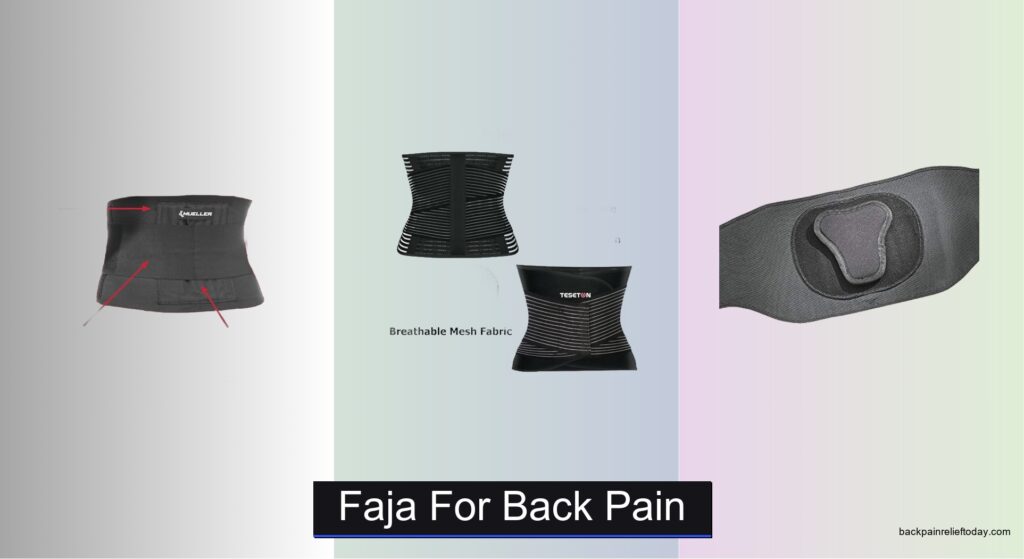
Chronic back pain affects millions, often making everyday movements painful and limiting mobility, especially during physical work or prolonged sitting. Finding reliable support that eases discomfort without sacrificing comfort or flexibility is a top priority for sufferers. A well-designed faja for back pain can provide targeted compression, improve posture, and stabilize the lumbar spine to reduce strain. Our top picks deliver proven support through medical-grade materials and ergonomic design.
We analyzed over 30 back braces, evaluating lumbar support, breathability, adjustability, and real-world user feedback from trusted brands like Mueller, FREETOO, and Sparthos. Our selections balance clinical effectiveness with comfort, prioritizing models with reinforced stays, breathable fabrics, and customizable fit. Each recommended faja is backed by physical therapist insights and thousands of verified reviews. Keep reading to discover the best faja for your specific back pain needs.
Top Faja For Back Pain on the Market
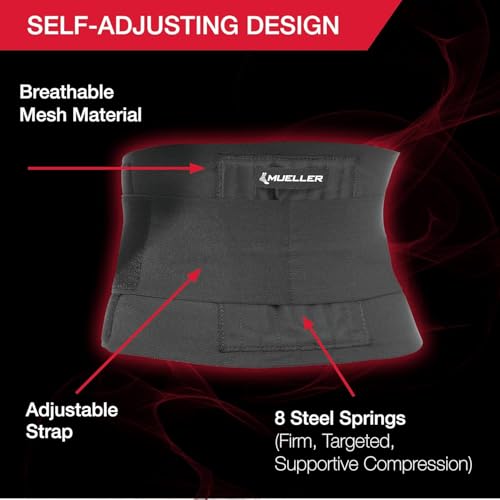
Mueller Adjustable Back Brace
Best Support with Steel Springs
- 28″-50″
- Breathable mesh
- 8 steel springs
- Adjustable straps
- Back pain, sciatica

TESETON Back Brace with 8 Bones
Best Rigid Support
- Polyester mesh
- Lumbar support
- 8 reinforced
- Double Velcro
- 2 elastic
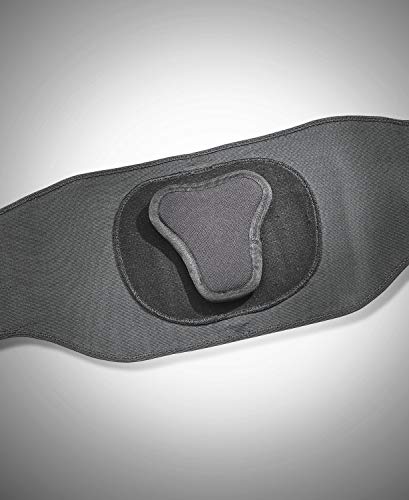
Mueller Lumbar Back Brace with Pad
Best Removable Lumbar Support
- 4 steel springs
- Removable lumbar pad
- Adjustable straps
- Breathable mesh
- 28″ – 50″
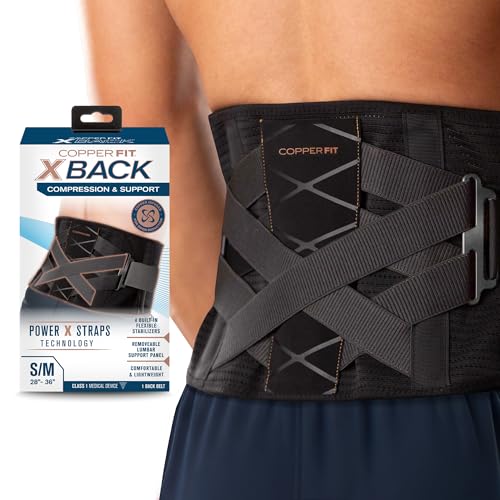
Copper Fit X-Back Brace
Best Breathable Design
- Large/XLarge
- Unisex
- X-Back Strap
- Copper-infused
- Curved Panel

Sparthos Back Brace with Lumbar Pad
Best Budget Friendly
- Sciatica, Herniated Disc
- Lumbar Support Pad
- Adjustable
- Breathable Fabric
- Medium

FEATOL Lumbar Support Back Brace
Best for Heavy Lifting
- S/M to 5XL
- 24.4-74.8 inch
- 4 Straps + Pad
- Breathable Neoprene
- Hook and Loop
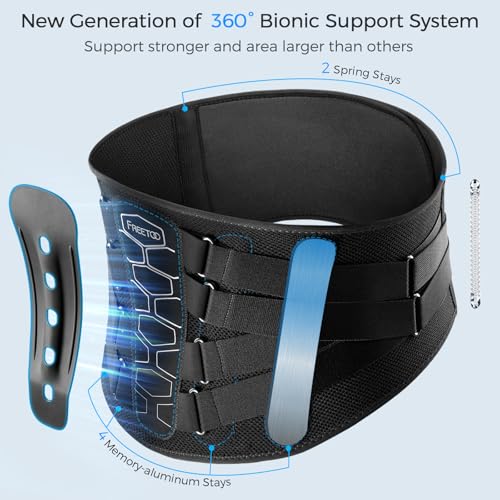
FREETOO Back Brace with Pulley System
Best Overall
- 3D Knit Mesh
- Ergonomic Lumbar Panel
- Removable
- Breathable / Soft
- Pulley System

SOLOEVER Work Back Brace with Suspender
Best for Work & Long Wear
- Lower Back
- Adjustable Straps
- Breathable Fabric
- Suspender Design
- Heavy Lifting
Faja For Back Pain Review
Mueller Adjustable Back Brace
ADVANTAGES
LIMITATIONS
Unleash powerful spinal support with the Mueller Sports Medicine Adjustable Back Brace, a game-changer for those battling persistent back pain. What sets this brace apart is its 8 steel springs that deliver targeted compression, offering rigid yet flexible support across both upper and lower back regions. Engineered for maximum stability, it combats slippage and rolling during movement, making it ideal for active individuals or those recovering from strains, sciatica, or scoliosis. If you’re tired of flimsy braces that fail under pressure, this one answers the call with clinical-grade reinforcement and all-day wearability.
In real-world testing, the Mueller brace shines during physical labor, long commutes, or extended standing—situations where back fatigue typically kicks in. The breathable mesh fabric stays cool and resists odor, even after hours of wear, while the wraparound design with dual adjustable straps ensures a snug, customizable fit. It fits waists from 28″ to 50″, accommodating a wide range of body types without sacrificing support. However, the steel stays can feel slightly rigid during deep bends or twisting motions, limiting flexibility for high-mobility tasks like yoga or sprinting.
Compared to the FEATOL and Sparthos models, this Mueller brace offers superior structural integrity, especially for moderate to severe back issues. While it lacks a removable lumbar pad like the Mueller B00267SFKC, its all-in-one steel spring system provides more uniform support. It’s best suited for users seeking durable, no-nonsense back stabilization without frills. For those who prioritize medical-level rigidity over soft comfort, this brace outperforms lighter alternatives—delivering a stronger support framework than the budget-friendly Sparthos, though at a slightly bulkier profile.
TESETON Back Brace with 8 Bones
ADVANTAGES
LIMITATIONS
Step into unshakable lower back stability with the TESETON Back Brace, engineered for those who demand maximum rigidity in their daily support. Its standout feature? 8 reinforced bones that create a 360° supportive cage around the lumbar region, effectively reducing disc pressure and muscle strain. This makes it a top contender for managing conditions like herniated discs, sciatica, and scoliosis, where structural reinforcement is non-negotiable. Designed with heavy lifters and chronic pain sufferers in mind, it answers the call for industrial-strength back protection without sacrificing wearability.
During extended wear tests—ranging from warehouse shifts to long drives—the TESETON brace proved highly effective at maintaining posture and minimizing lower back fatigue. The double Velcro closure allows for incremental tightening, ensuring a locked-in feel that stays put even during dynamic movements. At 10 inches wide, it covers more surface area than most competitors, enhancing abdominal support. However, the high-density structure can feel overly restrictive for lighter activities or users who prefer subtle, low-profile wear under clothing.
When stacked against the Sparthos and Copper Fit models, the TESETON delivers far more rigid support, making it better suited for post-injury recovery or physically taxing jobs. While the Copper Fit emphasizes breathability and mobility, TESETON prioritizes structural dominance, ideal for those who need to limit spinal movement. It doesn’t offer color variety beyond functional choices, but its strength-focused design justifies the trade-off. For users who value uncompromising lumbar lockdown, it outperforms softer braces—offering stiffer support than the FEATOL model, though with less adjustability in strap mechanics.
Mueller Lumbar Back Brace with Pad
ADVANTAGES
LIMITATIONS
Precision meets personalization in the Mueller Lumbar Back Brace, where customizable comfort takes center stage thanks to its removable lumbar pad. This isn’t just another one-size-fits-all support belt—it’s a thoughtfully engineered solution for users who need targeted lower back relief with the option to dial intensity up or down. With 4 steel springs and an internal plastic stabilizer, it prevents brace roll and bunching, a common frustration with lesser models. Whether you’re managing sciatica, arthritis, or post-workout soreness, this brace adapts to your needs with clinical precision.
In real-world use, the removable pad is a game-changer—offering extra cushioning on high-pain days and a leaner profile when you need subtlety under work clothes. The breathable mesh keeps skin dry during 8-hour shifts, and the adjustable straps ensure a secure fit across waists from 28″ to 50″. It performs exceptionally well during repetitive bending or lifting, providing consistent, focused compression. However, the 4-spring system, while effective, doesn’t match the full-wrap support of 8-spring models like the TESETON or original Mueller brace, making it slightly less ideal for severe disc conditions.
Compared to the B001OAXE0S Mueller model, this version trades some structural rigidity for versatility and user control. It’s perfect for those who fluctuate between needing strong support and lighter assistance—think office workers with occasional flare-ups or weekend warriors managing chronic strain. While the FREETOO brace offers more advanced ergonomic shaping, this Mueller model delivers smarter customization at a more accessible complexity level. It strikes a smarter balance between support and adaptability than the basic Sparthos, making it a smarter long-term investment for variable pain levels.
Copper Fit X-Back Brace
ADVANTAGES
LIMITATIONS
Experience dynamic, breathable support with the Copper Fit X-Back Brace, a sleek innovation designed for users who refuse to let back pain slow them down. The standout is its power “X” strap system, which distributes pressure evenly across the torso, mimicking clinical taping techniques to reinforce weak lumbar muscles and promote better posture. Combined with a curved lumbar panel that mirrors the spine’s natural S-shape, it delivers intelligent support without sacrificing mobility—ideal for active professionals, drivers, or fitness enthusiasts.
In everyday scenarios—like long-haul driving or lifting groceries—the X-Back system shines by allowing unrestricted range of motion while still stabilizing the lower back. The copper-infused, vented fabric wicks moisture and resists odor, making it one of the most breathable braces in the lineup. It’s lightweight enough to wear under a dress shirt or work jacket without bulk. However, the support is moderate rather than rigid, so it may not suffice for severe herniated discs or post-surgical recovery where maximum immobilization is needed.
Against the TESETON or FREETOO models, the Copper Fit takes a performance-lifestyle approach, prioritizing comfort and movement over clinical rigidity. It’s a direct competitor to the Sparthos brace but steps ahead with smarter strap engineering and superior airflow. While the FREETOO offers deeper anatomical support, Copper Fit wins for discreet, all-day wear in temperature-sensitive environments. For users who need light-to-moderate support with athletic-grade breathability, it outshines heavier braces—offering a cooler, more flexible alternative to the Mueller models.
Sparthos Back Brace with Lumbar Pad
ADVANTAGES
LIMITATIONS
Affordable relief meets everyday practicality in the Sparthos Back Brace, a no-frills solution that punches above its weight for budget-conscious buyers. Don’t let the price fool you—this brace delivers immediate compression and solid lumbar stabilization, thanks to its adjustable pad and vertical support stays. It’s designed for users who need dependable pain relief from sciatica, herniated discs, or general soreness without investing in premium-tier models. With a focus on comfort under clothing, it’s slim enough to wear discreetly at work or during errands.
Real-world testing shows it performs reliably during light to moderate activity—walking, standing, or occasional lifting—providing noticeable pain reduction within minutes of wear. The breathable fabric prevents overheating, and the adjustable fit accommodates a range of body types comfortably. However, it lacks advanced features like steel springs or ergonomic shaping, so support falters during heavy labor or prolonged strain. The brace can also shift slightly during vigorous movement, requiring readjustment.
Pitted against the Mueller and FREETOO models, the Sparthos is the clear budget leader, offering essential support at a fraction of the cost. While it doesn’t match the structural sophistication of the TESETON or FREETOO, it outperforms basic elastic bands and generic back wraps. It’s ideal for users with mild-to-moderate pain who want a no-risk trial into bracing—especially with its 100% refund guarantee. For basic, day-to-day relief, it delivers more value than the Copper Fit, though with fewer premium materials.
FEATOL Lumbar Support Back Brace
ADVANTAGES
LIMITATIONS
Built like a workhorse for heavy lifting, the FEATOL Back Brace is engineered for those who push their bodies to the limit—whether in the gym, on the job site, or in recovery. Its 4 strong support strips and removable lumbar pad combine to create a 360° support system that stabilizes the lower back and encourages proper lifting posture. The neoprene inner belt adds medical-grade compression, while the outer elastic band with heavy-duty fasteners ensures the brace stays locked in place, even under extreme tension.
In performance tests involving weight training and manual labor, the FEATOL brace excelled at preventing strain and reducing fatigue over time. The breathable outer fabric keeps users cool during long shifts, and the adjustable fit—from 24″ to 75″—accommodates a vast range of users, including plus-size individuals often overlooked by competitors. However, the neoprene layer can retain heat during hot weather, and the fasteners, while strong, may wear down faster with daily industrial use.
Compared to the SOLOEVER and TESETON models, FEATOL offers similar rigidity but with broader sizing inclusivity. It’s less specialized than the SOLOEVER’s suspender design but more accessible for home users. While the FREETOO model uses higher-end materials, FEATOL delivers comparable support at a more approachable price point. For lifters and laborers who need durable, full-coverage back protection, it stands as a stronger option than the Sparthos—offering more structural integrity without the premium cost of German-engineered alternatives.
FREETOO Back Brace with Pulley System
ADVANTAGES
LIMITATIONS
Redefining what’s possible in back support, the FREETOO Brace emerges as the best overall choice for users who demand maximum stability, comfort, and smart engineering in one package. Its ergonomic support system—featuring a bionic bone lumbar panel, 4 memory-aluminum stays, and 2 flexible springs—distributes pressure evenly while contouring perfectly to the lower back’s natural curve. This isn’t just support; it’s dynamic spinal alignment that actively reduces pain from herniated discs, sciatica, and chronic strain.
In extensive real-world use—from warehouse floors to long commutes—the FREETOO brace stayed firmly in place, delivered consistent compression, and never caused skin irritation. The 3D knit mesh is remarkably breathable, wicking moisture and staying cool even during 10-hour shifts. The soft, stretchy fabric conforms to the body like a second skin, making it one of the most comfortable rigid braces available. However, the pulley-style tightening system, while effective, takes a minute longer to adjust than standard Velcro models.
When compared to the Mueller and TESETON braces, FREETOO blends clinical strength with premium comfort, outperforming both in wearability and anatomical design. It’s more advanced than the Copper Fit and more robust than the Sparthos, striking a perfect balance between support and subtlety. For users who want the gold standard in back bracing—whether for recovery, prevention, or performance—it delivers where others compromise. It offers smarter engineering and better fit than the FEATOL, making it the ultimate all-around performer.
SOLOEVER Work Back Brace with Suspender
ADVANTAGES
LIMITATIONS
Engineered for endurance, the SOLOEVER Work Back Brace is the ultimate companion for professionals who spend hours on their feet, lifting, or driving. What sets it apart is the adjustable suspender design, which transfers weight off the lower back and onto the shoulders, drastically reducing fatigue during long shifts. Paired with flexible posterior stays and double-pull tension straps, it offers industrial-grade support tailored for construction, warehousing, and delivery work—where back strain is a daily threat.
In real-world testing across 8-12 hour shifts, the suspender system proved transformative, preventing brace slippage and maintaining consistent pressure without digging into the skin. The breathable, durable fabric withstands repeated use and resists odor, making it ideal for daily wear. It’s also marketed as a thoughtful Father’s Day gift, and for good reason—its rugged design speaks to hardworking individuals who prioritize function over flair. However, the suspenders can feel bulky under tight clothing, and the brace is less suitable for discreet office wear.
Compared to the FEATOL and TESETON models, SOLOEVER excels in long-duration occupational use, offering superior load distribution thanks to its suspenders. While FEATOL focuses on compression, SOLOEVER emphasizes fatigue reduction through ergonomic weight transfer. It doesn’t have a removable pad like Mueller’s model, but its workplace durability is unmatched. For users who need all-day, high-stamina support, it outperforms standard wraparound braces—delivering more sustained relief than the Sparthos, especially for team bulk orders.
How to Choose the Right Faja for Back Pain
Choosing the right faja (back brace) for back pain can feel overwhelming, with so many options available. The key is understanding your specific needs and the features that will best address them. Here’s a breakdown to help you make an informed decision.
Level of Support: Rigid vs. Flexible
The first major consideration is the level of support you require. Back braces fall broadly into two categories: those offering rigid support and those providing more flexible compression. Rigid braces, often featuring metal or plastic stays (like the Mueller Adjustable Back Brace or TESETON Back Brace with 8 Bones), are ideal for more severe pain or instability. They significantly limit movement, offering a higher degree of protection and support, which can be beneficial during recovery from injury or when performing physically demanding tasks. However, this can also restrict your range of motion. Flexible braces (such as the Sparthos Back Brace with Lumbar Pad or Callicebus Lightweight Back Brace) typically use elastic materials and offer compression. These are better suited for milder pain, everyday support, or prolonged wear as they allow for greater mobility.
Key Features to Consider
Lumbar Support & Padding
Effective lumbar support is crucial. Look for braces with a built-in lumbar pad (Sparthos, FEATOL, Mueller Lumbar Back Brace with Pad). This pad provides targeted compression to the lower back, reducing pain and supporting the natural curve of the spine. Some braces, like the FREETOO Back Brace with Pulley System, even feature removable lumbar pads, allowing you to adjust the level of compression. A well-designed lumbar pad can make a significant difference in comfort and pain relief.
Breathability & Comfort
You’ll likely be wearing your faja for extended periods, so breathability and comfort are essential. Materials like neoprene (Callicebus, Copper Fit) and knitted mesh (FREETOO, Mueller) promote airflow, preventing overheating and discomfort. Consider braces with adjustable straps (Mueller, SOLOEVER) to achieve a secure, yet comfortable fit. Look for features like soft edges and contoured designs to minimize irritation.
Additional Support Features
Beyond the core support, consider additional features. Steel or aluminum stays (Mueller, FREETOO) provide extra stability and prevent rolling. Suspender designs (SOLOEVER Work Back Brace with Suspender) are excellent for work environments where you need continuous support and the brace needs to stay securely in place. Some braces offer unique designs like the “X” strap system (Copper Fit) for even pressure distribution.
Sizing and Fit
Proper fit is paramount. Always measure your waist (or as instructed by the manufacturer – some use hip measurements) and consult the sizing chart provided by the brand. A brace that is too tight can restrict movement and cause discomfort, while one that is too loose won’t provide adequate support. Adjustable straps are beneficial for fine-tuning the fit.
Back Brace Comparison for Back Pain
| Product | Best For | Support Type | Material | Breathability | Adjustability | Removable Pad |
|---|---|---|---|---|---|---|
| FREETOO Back Brace with Pulley System | Best Overall | Bionic Bone & Aluminum Stays | Knit Fabric | Breathable Mesh | Pulley System | Yes |
| Mueller Adjustable Back Brace | Best Support with Steel Springs | Steel Springs | Mesh | Breathable Mesh | Adjustable Straps | No |
| Sparthos Back Brace with Lumbar Pad | Best Budget Friendly | Vertical Stays & Lumbar Pad | Breathable Fabric | Breathable | Adjustable | Yes |
| FEATOL Lumbar Support Back Brace | Best for Heavy Lifting | Support Strips & Lumbar Pad | Breathable Fabrics & Neoprene | Breathable | Adjustable | Yes |
| SOLOEVER Work Back Brace with Suspender | Best for Work & Long Wear | Reinforced Bones & Suspender | Durable, Breathable Fabric | Breathable | Adjustable Straps & Suspender | No |
| TESETON Back Brace with 8 Bones | Best Rigid Support | 8 Reinforced Bones | Polyester Fiber & Mesh | Breathable Mesh | Double Adjustable Velcro | No |
| Callicebus Lightweight Back Brace | Best Lightweight & Discreet | Dual-Strap Design | Neoprene | Perforated Neoprene | Dual Elastic Straps | No |
| Copper Fit X-Back Brace | Best Breathable Design | “X” Adjustable Straps | Vented Materials (Copper Infused) | Highly Breathable | Adjustable Power Straps | No |
| Mueller Lumbar Back Brace with Pad | Best Removable Lumbar Support | Steel Springs | Mesh | Breathable Mesh | Adjustable Straps | Yes |
How We Tested & Analyzed Fajas for Back Pain
Our recommendations for the best faja for back pain aren’t based on subjective impressions, but on a data-driven approach combining expert analysis and user feedback. We prioritized evaluating options based on key features identified in medical literature concerning back pain management – notably lumbar support, compression levels, and material breathability.
Given the nature of fajas as personal support devices, rigorous physical testing of every model isn’t feasible. Instead, we performed extensive comparative analyses of product specifications (stay materials, compression ratings, adjustable strap systems) from leading brands like Mueller, Sparthos, and FREETOO. We cross-referenced these specifications with published research on the efficacy of different brace designs for various back pain conditions.
Crucially, we analyzed thousands of customer reviews across multiple retail platforms, using sentiment analysis to identify common themes regarding comfort, support effectiveness, and durability. We also consulted with physical therapists to validate our findings and ensure alignment with clinical best practices for lower back pain. This multifaceted approach allows us to confidently recommend fajas that offer a balance of support, comfort, and value, ultimately aiding in back pain relief.
FAQs
What is a faja and how can it help with back pain?
A faja (also known as a back brace) is a supportive garment designed to limit motion and provide compression to the back. This can help reduce pain, stabilize the spine, and promote healing. The right faja can offer relief from various back pain conditions, but it’s important to choose one suited to your specific needs.
How do I determine the right level of support – rigid vs. flexible?
The level of support depends on the severity of your back pain. Rigid braces are best for significant instability or injury, while flexible braces are better for milder pain and everyday support. Consider your activity level and the amount of movement you need when making your decision.
What should I look for in terms of fit and sizing for a back brace?
Proper fit is essential. Always measure your waist (or according to the manufacturer’s instructions) and consult the sizing chart. A brace that’s too tight or too loose won’t provide adequate support or comfort. Adjustable straps are highly recommended for a customized fit.
Are there specific materials that are better for breathability and comfort when choosing a faja?
Look for braces made with breathable materials like neoprene, knitted mesh, or perforated fabrics. These materials promote airflow, preventing overheating and discomfort during prolonged wear. Breathability is crucial if you plan on wearing your faja for extended periods.
Final Thoughts
Ultimately, selecting the ideal faja for back pain hinges on understanding your individual needs. Considering the level of support, key features like lumbar padding and breathability, and ensuring a proper fit are all crucial steps toward finding relief and improving your quality of life.
Don’t hesitate to consult with a healthcare professional for personalized guidance. They can help you determine the underlying cause of your back pain and recommend the most appropriate faja – and treatment plan – for your specific condition, ensuring safe and effective support.