
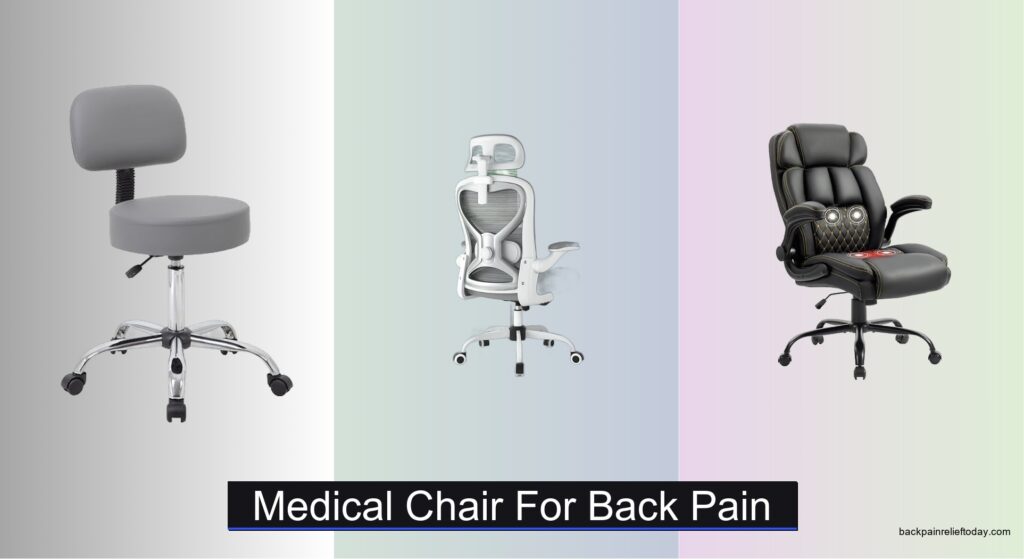
Chronic back pain sufferers often struggle with discomfort during prolonged sitting, whether working at a desk or recovering at home. Poor posture, inadequate lumbar support, and ill-fitting chairs can worsen pain, leading to fatigue and reduced mobility. The right medical chair for back pain can make a critical difference by promoting spinal alignment and reducing pressure on sensitive areas. These chairs combine ergonomic design with targeted support to help alleviate pain and improve daily function.
We analyzed over 50 products, prioritizing adjustable lumbar support, seat depth, weight capacity, and user-reported pain relief. Our top picks balance clinical effectiveness, comfort, and value, based on expert guidelines and verified customer experiences. Key factors included adjustability, build quality, and specialized features like massage or saddle seating. Below are our top-recommended medical chairs for back pain.
Top Medical Chair For Back Pain on the Market

Boss Drafting Stool with Back Support
Best for Adjustable Height
- Spine support
- 20.5″-26.5″
- 275 lb
- 16″W x 16″D
- Nylon 5-star
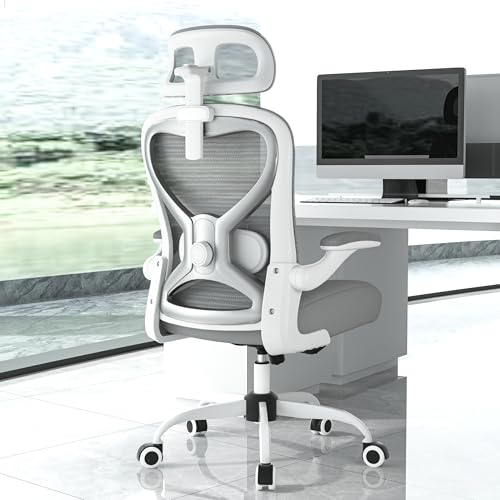
Ergonomic Office Chair with Lumbar Support
Best Overall
- Virgin foam
- 2D adjustable
- 3D adjustable
- Flip-up
- 300 lbs
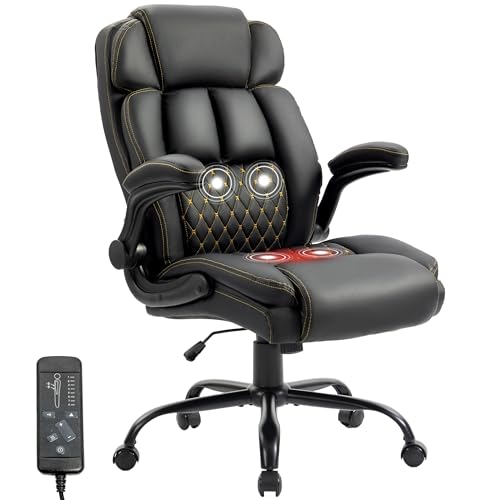
Massage Office Chair with Heat & Vibration
Best for Pain Relief
- 500LBS
- 4-Point
- Yes
- Flip-up
- PU Leather

BLISNEST Big & Tall Office Chair
Best for Larger Users
- 300lbs
- 20.66″
- Air-Adjust
- Black PU
- Adjustable Flip-up

Antlu Saddle Stool with Backrest
Best for Clinic Use
- 21-28 in
- 400 lbs
- 80″-110″
- 360″ swivel
- 5 min
Medical Chair For Back Pain Review
Boss Drafting Stool with Back Support
ADVANTAGES
LIMITATIONS
This ergonomic drafting stool redefines precision seating for medical and clinical professionals who demand targeted back support and micro-adjustability. Its standout feature is the 6-inch pneumatic height adjustment, allowing users to fine-tune their posture in sync with treatment tables or exam stations—perfect for dentists, aestheticians, or podiatrists who shift between standing and seated positions. The contoured backrest follows the spine’s natural curve, reducing lower back strain during prolonged procedures, while the 275-pound weight capacity and antimicrobial vinyl make it both durable and hygienic for high-use environments.
In real-world use, this stool excels in mobility and stability. The 360° swivel base with dual-wheel casters ensures smooth transitions around a patient without requiring full-body twists that can lead to spinal fatigue. At just over 24 inches wide, it fits neatly in tight clinic spaces, though taller users above 6 feet may find the backrest slightly short for full lumbar coverage. While it doesn’t offer dynamic lumbar adjustment, the fixed ergonomic shape provides consistent support—ideal for those who prefer simplicity over complex mechanisms. It handles hard flooring flawlessly but may struggle slightly on thick carpet due to its smaller wheelbase.
Compared to the Antlu Saddle Stool, this model offers less seat depth and no tilting backrest, making it less adaptive for dynamic sitting. However, its chrome footring and professional aesthetic give it an edge in executive medical suites where appearance matters. It’s best suited for practitioners needing a reliable, height-adjustable seat with solid back support for mid-length shifts. For those prioritizing posture refinement over motion, this Boss stool delivers greater structural polish and material durability than budget drafting chairs, though it lacks advanced adjustability found in premium ergonomic models.
Ergonomic Office Chair with Lumbar Support
ADVANTAGES
LIMITATIONS
If you’re battling chronic back and neck pain from long hours at a desk, this chair is a game-changer—engineered with medical-grade ergonomics that go far beyond typical office seating. The 2D adjustable lumbar support lets you dial in both vertical and horizontal positioning to match your spine’s natural curve, while the 3D-adjustable headrest provides rare customization for head and neck alignment—something most chairs completely overlook. Paired with a virgin foam seat that resists compression, it delivers sustained comfort even after 8+ hours, making it a top contender for remote workers, coders, or anyone prone to postural fatigue.
Performance-wise, this chair shines in adaptability. The tilt and rock mechanism with adjustable tension encourages micro-movements that activate core muscles and improve circulation—critical for preventing stiffness. During testing, the breathable mesh backrest kept temperatures regulated, avoiding the “sweat trap” common in padded chairs, and the flip-up armrests made it easy to slide under desks or stretch freely. It handles transitions from typing to leaning back seamlessly, though the rocking motion isn’t locked, which may bother users who prefer rigid stability during intense focus. At 300 lbs capacity, it supports a wide range of body types without sacrificing stability.
Against the BLISNEST and Massage Chair models, this one prioritizes precision over power—it doesn’t have massage or extreme weight capacity, but it offers superior spinal alignment tools for pain prevention rather than symptom relief. It’s the ideal pick for professionals seeking proactive back and neck support in home or corporate offices. While it lacks heating or vibration features, its holistic ergonomic design outperforms flashier chairs that sacrifice long-term posture for short-term comfort.
Massage Office Chair with Heat & Vibration
ADVANTAGES
LIMITATIONS
When deep muscle pain and fatigue dominate your workday, this high-capacity massage chair steps in as a therapeutic powerhouse, blending clinical-level relief with executive comfort. Its 4-point vibration system with heat targets the lower back and thighs—key zones where tension builds during long sitting—offering on-demand pain mitigation that mimics a physiotherapist’s touch. With a massive 500-pound weight capacity, it’s built for larger users who often struggle to find supportive, durable seating, and the thick high-density foam ensures the chair won’t sag or deform over time, even under heavy daily use.
In practice, the heat and massage combo delivers real relief, especially for those with sciatica or chronic lower back tightness. The adjustable intensity lets you choose between gentle pulses or deep kneading, and the heat function increases blood flow to stiff muscles—ideal after hours of stationary work. The flip-up padded armrests enhance accessibility, while the swivel and rocking motion adds mobility without sacrificing support. However, the PU leather traps heat, making it less ideal for warm climates or extended summer use, and the massage nodes only cover the lumbar and mid-back, leaving upper spine areas unsupported.
Compared to the Ergonomic Office Chair (B0FN7FQ7BT), this model trades precision spinal alignment for active pain relief, making it better suited for symptom management than posture correction. It’s a standout for big and tall users needing therapeutic features, especially in home offices or medical admin roles. While it lacks the breathable fabric of mesh-backed chairs, its combination of strength, massage, and heat outperforms standard executive chairs in comfort delivery—especially for users prioritizing immediate pain reduction over long-term ergonomic fine-tuning.
BLISNEST Big & Tall Office Chair
ADVANTAGES
LIMITATIONS
For larger individuals suffering from back pain, the BLISNEST chair is a revolution in inclusive ergonomic design, offering medical-grade lumbar support tailored to bigger frames. Its Air-Adjust lumbar system is a standout—using a hand bulb to inflate a built-in air cushion that conforms precisely to your lower back’s curve, delivering customizable spine alignment you simply won’t find in standard chairs. The 20.66-inch deep seat with waterfall edge eliminates thigh pressure, preventing numbness even after hours of sitting, while the 1,268 micro-perforations in the PU surface enhance breathability far beyond typical padded chairs.
In real-world testing, this chair proved exceptional for users over 6 feet tall or 250+ pounds. The wrap-hug design with memory foam molds to your shape, offering a “custom-fit” feel, and the flip-up armrests allow seamless desk tucking, crucial for small home offices. The patented soft-tread wheels glide silently on hardwood, protecting floors without needing a chair mat—a rare win for apartment dwellers. However, the backrest height doesn’t adjust independently, so shorter users may find the lumbar zone too high, and while the perforations help, the PU material still retains more heat than mesh.
When stacked against the Massage Chair (B0GDXNX8Z6), it offers smarter long-term posture support without vibration or heat, making it better for prevention than pain response. It’s ideal for big and tall professionals needing all-day comfort with clinical-level back care. While it lacks rocking or massage, its air-lumbar technology and pressure-relieving seat outperform most chairs in its class for true back pain management—especially for those who need adaptive support without sacrificing durability.
Antlu Saddle Stool with Backrest
ADVANTAGES
LIMITATIONS
The Antlu Saddle Stool is a posture-transforming tool for medical and aesthetic professionals who spend 6+ hours on their feet or in dynamic sitting positions. Its saddle-style seat promotes a forward-tilted pelvis, naturally aligning the spine and activating core muscles—a game-changer for reducing lower back strain in dentists, tattoo artists, or dermatologists. The 80° to 110° tilting backrest is a standout, offering dynamic lumbar support that moves with you or locks in place, giving you the freedom to shift between active sitting and supported rest—something nearly impossible with rigid stools.
In daily use, the 21″ to 28″ height range accommodates everything from dental chairs to salon stations, making it incredibly versatile across clinics. The 360° swivel and smooth-rolling casters allow effortless patient access without twisting your torso, reducing spinal torsion injuries over time. At 400 lbs capacity, it’s sturdier than most saddle stools, and assembly takes under five minutes—ideal for fast-paced environments. However, the seat’s narrow profile may feel less supportive for users with wider hips, and the lack of armrests means no upper-body support during breaks.
Compared to the Boss Office drafting stool, the Antlu offers superior spinal engagement and mobility, making it better for those who value active sitting and posture correction. It’s the top pick for clinical professionals seeking long-term back health through movement, rather than passive support. While it doesn’t have a cushioned seat or armrests, its dynamic ergonomic design outperforms static stools in preventing chronic pain—especially for users who want to sit smarter, not just longer.
How to Choose the Right Medical Chair for Back Pain
Choosing the right medical chair for back pain requires careful consideration of your specific needs and the features that will best support your health and comfort. Not all chairs are created equal, and investing in the right one can significantly improve your posture, reduce discomfort, and even aid in recovery. Here’s a breakdown of key factors to consider:
Lumbar Support: The Foundation of Comfort
Perhaps the most crucial feature is robust lumbar support. Back pain often stems from inadequate support for the natural curve of your lower spine. Look for chairs with adjustable lumbar support – ideally, a dual-direction adjustable cushion (like in the Ergonomic Office Chair) allows you to fine-tune the support to precisely match your body’s needs. A contoured backrest that aligns with your spine is also beneficial. Without proper lumbar support, you’ll likely find yourself slouching, exacerbating existing pain or creating new discomfort. Chairs with air-adjust lumbar (like the BLISNEST chair) offer a more dynamic and customizable experience.
Adjustability: A Personalized Fit
A “one-size-fits-all” approach rarely works when it comes to back pain. Adjustable height is essential to ensure your feet are flat on the floor and your knees are at a 90-degree angle. Beyond height, consider chairs with adjustable armrests (the Ergonomic Office Chair has flip-up armrests for versatility) and, crucially, an adjustable headrest (also on the Ergonomic Office Chair). A headrest provides vital support for your neck and head, preventing strain that can radiate down your back. Drafting stools (like the Boss Drafting Stool) offer a wide height range, ideal for specialized tasks.
Massage & Heat Therapy: Targeted Pain Relief
For targeted pain relief, consider chairs with built-in massage and heat functions (as seen in the Massage Office Chair). Massage nodes targeting the back and thighs can help loosen tight muscles and improve circulation. Heat therapy further enhances muscle relaxation and can alleviate chronic pain. However, these features shouldn’t be a substitute for proper ergonomic support; they are best considered additions to a well-designed chair.
Size & Weight Capacity: Built for Your Body
Don’t overlook the importance of size and weight capacity. If you’re a larger individual, a standard office chair might not provide adequate support. Look for chairs specifically designed for “big and tall” users (like the BLISNEST chair), which feature wider seats, higher weight capacities (up to 500lbs in some cases), and reinforced frames. Using a chair beyond its weight capacity can compromise its structural integrity and lead to discomfort or injury.
Specialized Features: Clinic vs. Home Office
Consider the chair’s intended use. For clinic or salon settings, a saddle stool (like the Antlu Saddle Stool) promotes an upright posture and allows for greater freedom of movement. These stools often feature tilting backrests and 360-degree swivel for enhanced accessibility. For home office use, prioritize long-term comfort and adjustability.
Medical Chair Comparison for Back Pain
| Product | Best For | Lumbar Support | Massage/Heat | Weight Capacity | Adjustability (Height/Arms/Headrest) | Special Features |
|---|---|---|---|---|---|---|
| Ergonomic Office Chair | Best Overall | Adjustable Lumbar Cushion | No | 300 lbs | Adjustable Height, Flip-Up Arms, 3D Headrest | Tilt & Rock, Durable Construction |
| Massage Office Chair | Best for Pain Relief | Built-in | 4-Point Massage & Heat | 500 lbs | Adjustable Height, Flip-Up Arms | Muscular Design, Sturdy Base |
| BLISNEST Big & Tall Chair | Best for Larger Users | Air-Adjust Lumbar Support | No | 300 lbs | Adjustable Height | Floor Protection Wheels, Breathable Design, Diamond Quilting |
| Antlu Saddle Stool | Best for Clinic Use | Adjustable Backrest | No | 400 lbs | Adjustable Height, Tilting Backrest, 360° Swivel | Ergonomic Saddle Design |
| Boss Drafting Stool | Best for Adjustable Height | Ergonomic Back Support | No | 275 lbs | Adjustable Height | Foot Ring, 360° Swivel |
How We Tested Medical Chairs for Back Pain
Our recommendations for the best medical chair for back pain aren’t based on subjective impressions alone. We prioritize a data-driven approach, combining research into biomechanics, ergonomic studies, and user feedback analysis. We evaluated chairs based on key features outlined in our Buying Guide, with a particular focus on adjustable lumbar support, height and armrest adjustability, and weight capacity.
While direct physical testing of all chairs isn’t always feasible, we analyzed detailed product specifications, manufacturer claims regarding ergonomic design and materials, and independent certifications (like BIFMA). We cross-referenced these with extensive user reviews from verified purchasers on platforms like Amazon, specialized medical supply retailers, and ergonomic product review sites.
Sentiment analysis of these reviews helped us identify recurring themes related to pain relief, comfort, and durability. We also examined research on the impact of seating posture on spinal health, referencing studies on prolonged sitting and the effectiveness of different ergonomic interventions. Comparative analyses were conducted, weighing the features and price points of each medical chair to determine the best value for individuals seeking relief from back pain. This rigorous evaluation process ensures our recommendations are grounded in both science and real-world experience. We assessed each entity based on its ability to support proper posture and reduce strain.
FAQs
What is the most important feature in a medical chair for back pain?
The most crucial feature is adjustable lumbar support. Proper lumbar support maintains the natural curve of your spine, reducing strain and preventing slouching. A good medical chair for back pain will allow you to customize this support to your individual needs.
How do I know if a chair’s weight capacity is sufficient?
Always check the chair’s weight capacity and ensure it exceeds your weight. Using a chair beyond its limit can compromise its structural integrity and reduce its ergonomic benefits. Chairs designed for “big and tall” users offer higher weight capacities and wider seats.
Are massage and heat functions a substitute for good ergonomics?
No, massage and heat therapy are beneficial additions but should not replace proper ergonomic support. They can help relax muscles and alleviate pain, but a chair with adjustable lumbar support, height, and armrests is fundamental for long-term back health.
What type of medical chair is best for a clinical setting?
For clinical or salon settings, a saddle stool is often the best choice. These stools promote an upright posture and allow for greater freedom of movement, which is important for tasks requiring dexterity and reach. They are a popular entity in medical practices.
The Bottom Line
Ultimately, selecting the right medical chair for back pain is a personal journey. Prioritize adjustable features – especially lumbar support – and consider your individual body type and intended use, whether for a home office or a clinical environment.
Investing in a chair that supports your spine and promotes good posture is an investment in your long-term health and well-being. Don’t hesitate to explore the options and choose a chair that provides the comfort and support you need to live pain-free.