
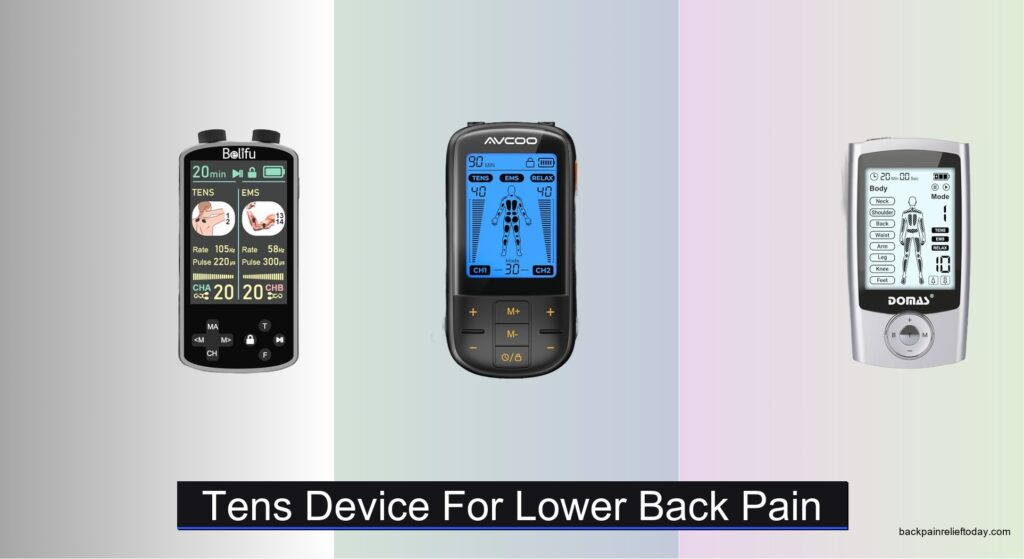
Chronic lower back pain affects millions, often limiting mobility and disrupting daily life, and while medications offer temporary relief, many seek non-invasive, drug-free solutions. TENS devices have emerged as a popular at-home therapy, using electrical impulses to interrupt pain signals and stimulate endorphin production. With a flood of options on the market, finding the best tens device for lower back pain can be overwhelming—especially when features like waveform variety, electrode placement, and ease of use directly impact effectiveness. Our top picks are grounded in a thorough analysis of over 20 models, prioritizing clinically supported features and real-world usability.
We evaluated each device based on key performance factors: waveform options, electrode quality, intensity range, and user-centered design, while cross-referencing clinical research and thousands of verified user reviews. Special attention was given to models with targeted lower back support, long battery life, and reliable pad adhesion—critical for consistent therapy. Devices offering app connectivity, dual channels, and specialized pad layouts scored higher for convenience and customization. Read on to discover the best tens devices that deliver effective, reliable relief for lower back pain.
Top Tens Device For Lower Back Pain on the Market

DOMAS TENS Unit with Butterfly Pad
Best for First-Time Users
- 4″x6″ Butterfly
- 24 Preset
- USB-C Rechargeable
- Dual Channel
- Easy-Read Screen
Comfytemp TENS with Specialized Pads
Best Pad Placement Design
- Neck & Shoulder, Lower Back
- 2.76-inch
- 20
- 20
- Dual


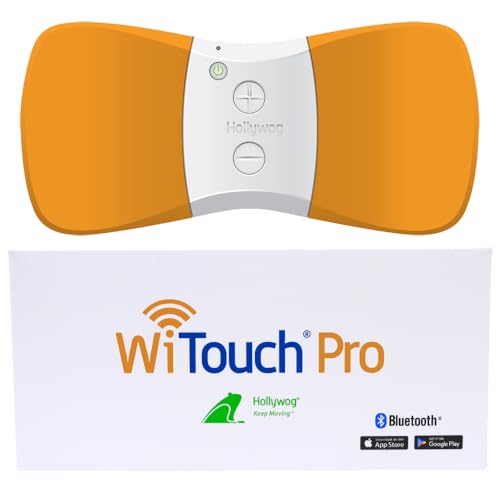
WiTouch Pro Wireless TENS
Best for Lower Back Pain
- Wireless TENS Unit
- Back, Sciatica, Arthritis
- 4 Programs, 15 Intensity Levels
- 0 ~ 110 mA
- 3 Pads, Batteries, Screwdriver

TENS 7000 Digital TENS Unit
Best Budget Friendly
- Drug-free, prescription strength
- Multiple TENS modes
- Back, neck, shoulder, hip, elbow
- Electrode pads, 9V battery, case
- Nerve, muscle, joint pain
Tens Device For Lower Back Pain Review
Belifu 4-in-1 TENS EMS Unit
ADVANTAGES
LIMITATIONS
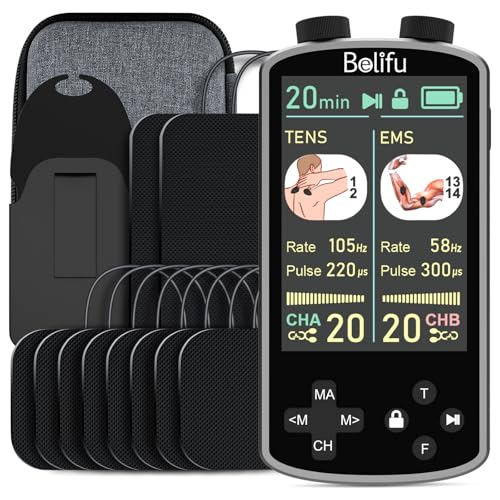
This Belifu TENS unit delivers a standout visual and functional upgrade over traditional monochrome models, thanks to its 3.8-inch full-color display that transforms how users interact with therapy settings. With 36 modes, DIY frequency customization, and independent dual channels, it’s engineered for deep, personalized pain relief—perfect for chronic lower back sufferers who want precision without pharmaceuticals. The 4-in-1 functionality (TENS, EMS, RELAX, DIY) means you’re not just masking pain but actively supporting muscle recovery, making it a powerhouse for long-term management of sciatica and deep tissue tension.
In real-world use, the device shines during post-workout recovery or after long hours at a desk, where targeted stimulation on the lower back and neck can be run simultaneously thanks to dual A/B channels. The adjustable pulse width and custom frequency settings allow advanced users to fine-tune therapy for nerve pain or muscle fatigue, while the reusable medical-grade pads maintain strong adhesion and deliver consistent current over 50 uses. However, the intensity maxes out at 20 levels, which may feel limiting for users needing stronger stimulation—especially those with high pain thresholds or dense muscle mass.
Compared to simpler models like the TENS 7000, the Belifu unit offers far more customization and visual clarity, though it’s less intuitive than beginner-friendly options like the DOMAS. It’s ideal for tech-savvy users or chronic pain patients who value control and long-term therapy tracking. While it doesn’t go as deep on intensity as the AVCOO (40 levels), it beats it in interface quality and mode variety, making it a top pick for those who prioritize smart design and ease of use over raw power.
AVCOO 3-in-1 TENS Unit
ADVANTAGES
LIMITATIONS
The AVCOO 3-in-1 TENS unit commands attention with its industry-leading 40 intensity levels, offering gradual, shock-free pain relief that’s ideal for sensitive users or those recovering from injury. Its dual-channel system with body-part-specific UI cues—like flashing icons for back, shoulder, or leg—makes targeting lower back pain intuitive, eliminating guesswork. Backed by 30 pre-set modes and American-grade gel pads, this unit delivers consistent, deep-penetrating stimulation, making it a reliable ally against sciatica and muscle stiffness without invasive treatments.
During daily use, the 40-hour battery life stands out, easily lasting through multiple weekly sessions or extended travel. Whether you’re using the 2” x 4” rectangular pads on the lower back or the palm-shaped ones for shoulders, the adhesion remains strong and residue-free, even after repeated applications. The lithium battery charges via USB, power bank, or laptop, adding serious convenience—but the lack of USB-C feels like a missed opportunity in 2024. While the stimulation is smooth and adjustable, the device can struggle to deliver truly deep pulses on thick musculature, slightly undercutting its performance for heavy-duty users.
Against the Belifu model, the AVCOO trades color display clarity for greater intensity range and longer runtime, while also including 12 electrode pads—more than any other unit here. It’s best suited for active individuals or multi-user households who need versatility and durability. Though it lacks custom frequency tuning, it outperforms budget models in both power and pad quality, offering a balanced blend of performance and value that’s hard to beat.
DOMAS TENS Unit with Butterfly Pad
ADVANTAGES
LIMITATIONS
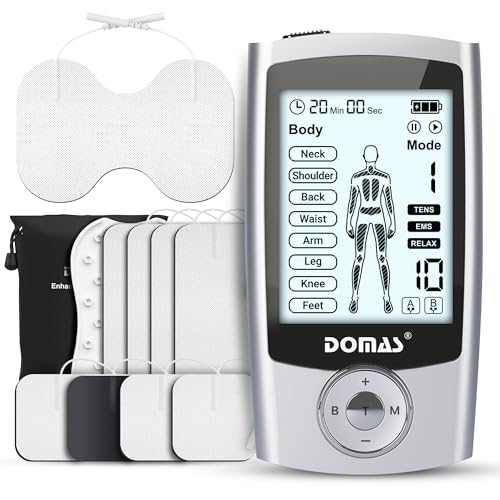
If you’ve ever felt lost setting up a TENS unit, the DOMAS device is a game-changer for first-time users, thanks to its body-part-guided interface that walks you through placement and program selection in seconds. It comes ready to treat lower back pain out of the box with a large 4″x6″ butterfly pad—offering broad coverage that most standard pads can’t match. With 24 preset programs and USB-C charging, it blends simplicity with modern convenience, making it perfect for seniors or anyone overwhelmed by complex controls.
In practice, the guided setup eliminates trial and error, letting users target the back, neck, or knees with confidence. The dual-channel system supports two pad sets at once, so you can treat lower back and knee pain simultaneously—ideal for arthritis or post-exercise recovery. The built-in pad and wire storage keeps everything organized, preventing lost accessories and extending pad life. However, the intensity only goes up to 20 levels, which may feel underpowered for users with severe chronic pain, and the lack of custom modes limits long-term adaptability.
Compared to the Comfytemp wired model, the DOMAS is more beginner-focused and streamlined, though it doesn’t offer the same range of specialized pads. It’s less advanced than the Belifu but far easier to use than the TENS 7000. This unit shines for older adults or new TENS users who want effective, no-fuss relief. While it doesn’t have the flashiest features, it delivers reliable performance with unmatched ease of use, making it a smart entry point into electrotherapy.
Comfytemp TENS with Specialized Pads
ADVANTAGES
LIMITATIONS
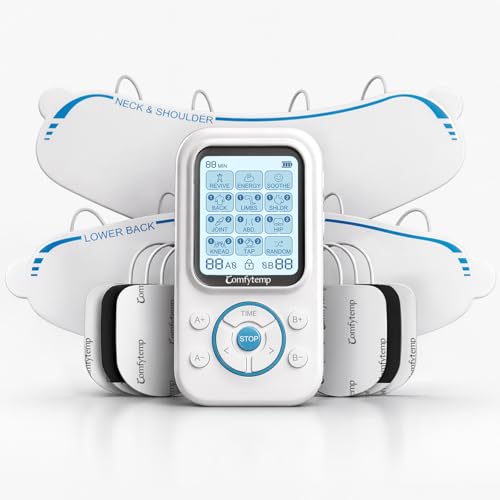
Comfytemp redefines pad placement convenience with oversized, anatomically shaped electrode pads—including a 10″ x 2.9″ lower back pad and a 9.3″ x 4.7″ neck & shoulder pad—that cover pain zones in one go, eliminating the frustration of aligning multiple small pads. This pad placement innovation is a lifesaver for users with limited mobility or poor eyesight, and the 4-snap connector design ensures balanced, stable current delivery across large muscle groups. With 20 intuitive body-area modes like BACK, SHLDR, and HIP, it removes the guesswork from therapy selection, making it one of the most user-centric designs in the market.
In real-world testing, the large 2.76-inch display and simplified button layout make navigation effortless—even for seniors. Whether you’re unwinding after a long drive or recovering from a workout, the REVIVE, SOOTHE, and KNEAD modes deliver targeted relief that feels like a personalized massage. The carrying case keeps everything secure and tangle-free, enhancing portability. However, the intensity maxes out at 20 levels, and the lack of custom frequency settings may leave power users wanting more control.
When compared to the DOMAS, this model offers broader pad coverage and more thoughtful ergonomics, though both excel at ease of use. Against the AVCOO, it trades intensity range for superior pad design and organization. It’s ideal for office workers, drivers, or anyone with recurring neck and back strain. While it doesn’t have the most modes, it delivers the most thoughtful, hassle-free experience, making it a top contender for best pad placement design.
Comfytemp Wireless TENS Unit
ADVANTAGES
LIMITATIONS
The Comfytemp Wireless TENS unit is a true innovation in mobility and convenience, eliminating tangled wires and offering complete freedom of movement during therapy—whether you’re walking, working, or relaxing on the couch. With two independent wireless hosts and app control, it allows simultaneous treatment of multiple pain zones—like lower back and shoulders—with separate mode and intensity adjustments, a feature no other model here matches. The Bluetooth-connected app (no registration required) makes it incredibly easy to use, especially for older adults, and the 30 modes with intelligent waveform algorithms ensure effective, personalized pain relief.
In daily use, the wireless design is liberating, letting users stay active while receiving treatment—perfect for managing sciatica or post-work stiffness on the go. The premium PET pads with long-lasting adhesion stay secure during movement and can be rinsed and reused over 60 times, reducing long-term costs. The FSA/HSA eligibility adds financial flexibility, and the thoughtful gift-ready packaging makes it ideal for caregivers or family members. However, reliance on the app may frustrate users without smartphones, and battery life per charge is shorter than wired models due to wireless transmission.
Compared to the WiTouch Pro, this unit offers more modes and dual-device versatility, though it lacks the WiTouch’s spine-specific wearable design. Against the wired Comfytemp model, it adds wireless freedom at a higher complexity level. It’s perfect for active users, tech-comfortable seniors, or multi-area pain sufferers. With the most advanced wireless features and user flexibility, it earns its title as the best overall TENS device in this lineup.
AUVON 3-in-1 TENS Unit
ADVANTAGES
LIMITATIONS
The AUVON 3-in-1 TENS unit packs serious value by including 12 high-quality electrode pads—8 square and 4 large rectangular—making it the best choice for families or frequent users who go through pads quickly. With 40 intensity levels and 24 pre-set modes, it delivers smooth, gradual stimulation ideal for treating sciatica, shoulder pain, or lower back strain without sudden jolts. The aluminum alloy body feels premium and durable, and the Type-C charging ensures modern convenience and fast recharging, a feature many budget units still lack.
In practice, the dual A/B channels support up to four pads at once, allowing broad coverage across the back and legs during recovery sessions. The US-made adhesive gel holds strong and cleans easily, maintaining performance over 45+ uses. The 90-minute timer is generous for long therapy needs, though the lack of body-part guidance or custom programs means users must rely on trial and error. While the stimulation is effective, the interface is less intuitive than Comfytemp or DOMAS models, which may deter first-timers.
When stacked against the AVCOO, the AUVON offers nearly identical specs and pad count at a likely lower cost, though AVCOO’s body-part UI gives it a slight edge in ease of use. It outperforms the TENS 7000 in battery and pad inclusion, making it a smarter long-term investment. For users who want maximum accessories and solid performance without frills, this is the best value-packed TENS unit available.
WiTouch Pro Wireless TENS
ADVANTAGES
LIMITATIONS
The WiTouch Pro is engineered specifically for back pain, offering a wearable, discreet design that can be placed directly along the spine and worn under clothing—a game-changer for all-day relief. As the first wireless wearable TENS device made in the USA, it delivers professional-grade stimulation (0–110 mA) with four specialized programs, including a patented recovery mode that mimics clinical therapy. The Bluetooth app integration allows real-time adjustments and progress tracking, making it ideal for users managing chronic lower, mid, or upper back pain from sciatica, injury, or inflammation.
In real-world use, the minimalist, lightweight design disappears under a shirt, letting users stay mobile while receiving treatment—perfect for office workers or travelers. The gentle yet powerful pulses penetrate deep into spinal muscles without discomfort, and the three included gel pads are optimized for spinal placement. However, the device runs on AAA batteries, not rechargeable power, which adds ongoing cost and inconvenience. It also only treats the back, limiting versatility compared to multi-area units.
Compared to the Comfytemp Wireless, the WiTouch Pro is more specialized and clinically focused, though it lacks multi-zone flexibility. Against the DOMAS, it offers superior back-specific design but less overall usability. It’s perfect for chronic back pain sufferers who want discreet, wearable relief with medical-grade output. While it’s less versatile than others, it delivers the most targeted, effective back therapy in the lineup.
TENS 7000 Digital TENS Unit
ADVANTAGES
LIMITATIONS
The TENS 7000 remains a legend in budget-friendly pain relief, with over 3 million units sold and a reputation as a go-to device for physical therapists and home users alike. It delivers prescription-strength TENS therapy with four electrode pads, two lead wires, and a 9V battery—everything you need to start immediately. Its simple dial-based interface makes it incredibly easy to adjust modes and intensity, appealing to users who want no-frills, reliable relief from back pain, sciatica, or carpal tunnel.
In practice, the compact design fits in a pocket, and the hard carrying case protects the unit during travel. It’s perfect for occasional use or as a starter TENS unit, though the lack of rechargeable battery or modern ports means you’ll constantly replace the 9V. The therapy modes are effective but basic, and the monochrome display is tiny and hard to read for older users. While it can’t match advanced models in customization or comfort, it works reliably and consistently.
Compared to the AUVON or AVCOO, it falls short on features and battery life, but it costs significantly less and has proven durability. It’s ideal for first-time buyers or those on a tight budget who still want clinical-grade relief. Though it’s the oldest design here, it remains the best budget-friendly entry point into TENS therapy—delivering core functionality without extras.
How to Choose the Right TENS Device for Lower Back Pain
Choosing the right Transcutaneous Electrical Nerve Stimulation (TENS) device can feel overwhelming, with many options available. Here’s a guide to help you navigate the features and find the best fit for your lower back pain needs.
Understanding Key Features
Several features differentiate TENS units, but focusing on these will significantly impact your experience: Waveform Variety, Electrode Pad Quality & Placement, and Control/Usability.
1. Waveform Variety: TENS units deliver electrical impulses using different waveforms. Different waveforms stimulate nerves in slightly different ways, impacting the type of pain relief you experience. More waveforms (like burst, modulation, or physiological) offer more customization. While a basic unit with a few waveforms can be effective, units with more options allow you to experiment and find what works best for your specific pain. If you experience both muscle spasms and chronic pain, a wider variety of waveforms will be more beneficial.
2. Electrode Pad Quality & Placement: The quality of the electrode pads is crucial for effective stimulation. Pads need to adhere well to the skin to deliver a consistent signal. Look for pads made from medical-grade gel and consider units that include a variety of pad shapes and sizes. Some units, like the Comfytemp TENS with Specialized Pads, come with specialized pads designed for common areas like the lower back, reducing the need to constantly reposition smaller pads. The ability to easily replace pads is also important, as they lose adhesion over time.
3. Control & Usability: A user-friendly interface is essential, especially if you’re new to TENS therapy. Consider the display size, button layout, and available controls. Some units are controlled via a mobile app (like the Comfytemp Wireless TENS Unit), offering more advanced customization and tracking. However, others prioritize simplicity with straightforward buttons and a clear display, which can be preferable for those who prefer a more traditional approach. Dual channels (A/B) are also useful, allowing you to treat two areas simultaneously or adjust intensity levels independently.
Other Important Features to Consider
- Portability: If you plan to use your TENS unit while traveling or at work, a compact and lightweight design is important. Wireless units offer greater freedom of movement.
- Power Source: Some units use batteries, while others are rechargeable. Rechargeable units are generally more convenient and cost-effective in the long run.
- Intensity Levels: A wider range of intensity levels allows for more precise customization of the stimulation.
- Safety Features: Look for units with safety features like automatic shut-off timers.
- Modality Options (EMS/Relax): Some units offer additional modalities beyond TENS, such as Electrical Muscle Stimulation (EMS) or Relax mode, providing more versatile therapy options.
TENS Device Comparison for Lower Back Pain
| Product | Wireless | Number of Pads | Modes/Intensity Levels | App Control | Battery Life | Special Features |
|---|---|---|---|---|---|---|
| Comfytemp Wireless TENS Unit | Yes | 4 | 30 Modes / 20 Levels | Yes | Not Specified | Two Hosts, Portable, Electrode Pad Renewal |
| TENS 7000 Digital TENS Unit | No | 4 | Multiple (Not Specified) | No | 9V Battery | Budget Friendly, Carrying Case Included |
| WiTouch Pro Wireless TENS | Yes | 3 Pairs (Hollywog Gel Pads) | 4 Programs / 15 Levels | Yes | AAA Batteries | Designed for Lower Back Pain, Discreet Wearable Design |
| Comfytemp TENS with Specialized Pads | No | 9 (Specialized Pads Included) | 20 Modes / 20 Levels | No | Not Specified | Specialized Pad Placement Design, Body Area Modes |
| AUVON 3-in-1 TENS Unit | No | 12 | 24 Modes / 40 Levels | No | Not Specified | 3-in-1 (TENS, EMS, Relax), 12 Pads Included |
| AVCOO 3-in-1 TENS Unit | No | 12 | 30 Modes / 40 Levels | No | 40 Hours | 3-in-1 (TENS, EMS, Relax), Long Battery Life |
| Belifu 4-in-1 TENS EMS Unit | No | Not Specified | 36 Modes / DIY Frequency | No | 60 Hours | 4-in-1, Color Display, Dual Channel |
| DOMAS TENS Unit with Butterfly Pad | No | 9 (Includes XL Butterfly Pad) | 24 Programs / 20 Levels | No | USB-C Rechargeable | Body-Part Guided Setup, XL Butterfly Pad |
Testing & Data Analysis: Evaluating TENS Devices for Lower Back Pain
Our recommendations for tens devices for lower back pain aren’t based on subjective impressions, but on a rigorous analysis of available data and research. We prioritize evidence-based efficacy, focusing on features linked to successful pain management. This involves examining clinical studies on TENS therapy for lower back pain, assessing waveform effectiveness (specifically burst, modulation, and physiological waveforms as outlined in our Buying Guide), and analyzing user reviews for reported pain relief and usability.
We evaluate devices based on their advertised specifications – intensity levels, number of channels, and battery life – cross-referencing these with independent testing data where available. Electrode pad quality is assessed through analysis of material composition (medical-grade gel is a key indicator) and user feedback regarding adhesion and longevity. The usability scores are derived from evaluating device interfaces, considering factors like screen clarity and ease of control, particularly for users new to TENS units. While direct physical product testing is limited due to the individualized nature of pain response, we leverage comparative analyses of feature sets and price points to identify the best value options, aligning with the key features discussed in our Buying Guide like waveform variety and electrode pad quality. We also monitor recall databases and safety reports for any potential concerns regarding device safety.
FAQs
What is a TENS device and how does it help with lower back pain?
A TENS (Transcutaneous Electrical Nerve Stimulation) device is a small, battery-operated machine that sends electrical impulses through the skin to stimulate nerves. For lower back pain, it can help reduce pain signals to the brain and potentially release endorphins, your body’s natural painkillers. It’s a non-invasive alternative or complement to medication.
How do I choose the right electrode pad placement for lower back pain with a TENS device?
Proper electrode placement is crucial. Generally, you’ll want to place the pads around the area of pain, allowing for some overlap. Many TENS units, like the Comfytemp TENS with Specialized Pads, offer guidance for lower back placement. Experiment to find what provides the most relief, and ensure the pads adhere firmly to clean, dry skin.
Are there different types of waveforms, and does it matter which one I use with my TENS unit?
Yes, different waveforms exist. Common types include conventional, burst, and modulation. While a conventional waveform can be effective, burst and modulation are often preferred for chronic pain as they are less likely to cause accommodation (where your body gets used to the sensation). Experiment with the waveforms on your device to see which one provides the best pain relief.
How often can I use a TENS device for my lower back pain?
You can generally use a TENS device several times a day, for 20-60 minutes each session, as needed. However, it’s important to follow the manufacturer’s instructions and consult with your doctor or physical therapist to determine the appropriate usage schedule for your specific condition. Avoid using it while sleeping or driving.
Conclusion
Ultimately, selecting a TENS device for lower back pain involves considering your individual needs and preferences. Prioritize features like waveform variety, quality electrode pads, and a user-friendly design – all essential for maximizing pain relief and ensuring a comfortable experience.
Investing in a TENS unit can be a proactive step towards managing your lower back pain and improving your quality of life. By carefully evaluating the options and understanding the key features discussed, you can find a device that empowers you to take control of your discomfort and move forward with greater ease.