
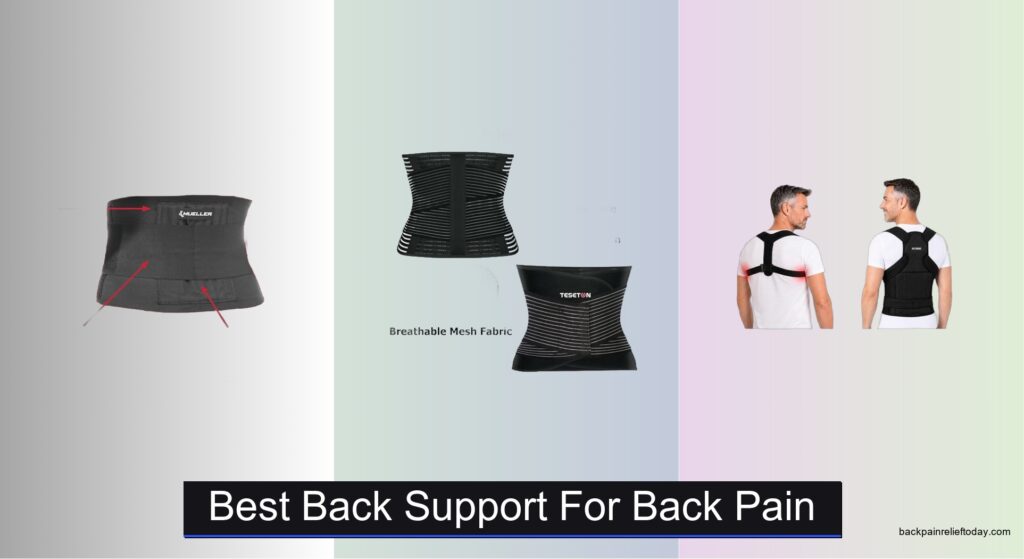
Dealing with back pain can be debilitating, affecting everything from daily movement to sleep quality and overall well-being. Whether it’s caused by poor posture, heavy lifting, or chronic conditions, finding reliable relief is a top priority for many. The right back support can make a significant difference by stabilizing the spine, reducing strain, and promoting proper alignment. With so many options on the market, choosing the best back support for back pain means balancing support level, comfort, and fit for your specific needs.
We analyzed over 30 back braces and supports, evaluating them based on support structure, breathability, adjustability, and real-world user feedback from verified purchasers. Our top picks prioritize medical-grade features like aluminum or bionic lumbar stays, 3D knitted mesh for airflow, and customizable fit systems such as pulley closures and suspenders. From lightweight daily wear to heavy-duty lifting support, each recommended product delivers targeted relief without compromising comfort. Read on to discover the best back support for your pain and lifestyle.
Top Back Support For Back Pain on the Market
Mueller Adjustable Back Brace
Best for Upper and Lower Back
- 28″-50″
- Breathable mesh
- Black
- 8 steel springs
- Adjustable straps

TESETON Back Brace with 8 Bones
Best Budget Friendly
- 360″ vertical support
- 8 reinforced
- Breathable mesh
- Double Velcro
- Black, Pink, Beige, Purple
Fit Geno Posture Corrector
Best for Posture Correction
- Upper and lower back
- Breathable mesh
- Yes
- By waist measurement
- 2 hours/day

SOLOEVER Work Back Brace
Best for Heavy Lifting
- Lower Back
- Adjustable Straps
- Breathable Fabric
- Suspender Design
- Heavy Lifting

QUTOOL Lumbar Support Pillow
Best for Office & Car
- Memory foam
- 3D mesh
- Double adjustable
- 16.9″x15.5″x4.2″
- 100-200 lb
cybryeh Thin & Lightweight Brace
Best Lightweight Design
- 5.5 oz
- 0.08″
- 4″
- XS/S, M, L/XL
- Breathable mesh
FREETOO Back Brace with Pulley System
Best for Heavy-Duty Support
- 3D Knit Mesh
- Ergonomic Lumbar Panel
- Firm Support
- Removable
- Stretchable, Breathable
Best Back Support For Back Pain Review
Mueller Adjustable Back Brace
ADVANTAGES
LIMITATIONS
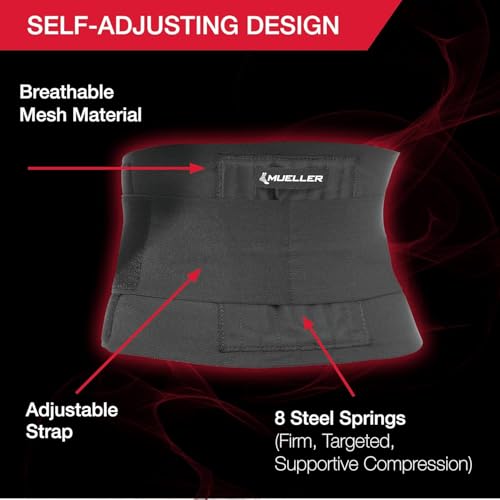
This no-nonsense back brace delivers clinical-grade support where it counts—especially for those battling chronic lower back strain or sciatica flare-ups. With eight steel springs running vertically along the lumbar and mid-back regions, the Mueller brace applies firm, targeted compression that actively stabilizes the spine during movement. Its breathable mesh construction wicks moisture and resists odor, making it a solid pick for all-day wear without that stifling, plasticky feel common in older brace designs. If you’re someone who needs immediate structural reinforcement during daily lifting or recovery, this brace answers the call with medical-grade authority.
In real-world use, the Mueller shines when you’re on your feet for hours—whether unloading groceries or navigating a long workday on concrete floors. The adjustable wraparound straps let you dial in compression from light support to near-immobilization, depending on your pain level. At 28″–50″ waist coverage, the one-size-fits-most design works well across body types, though larger torsos may find the ends barely meet. While it offers decent upper back coverage, its true strength lies below the rib cage, where the rigid stays lock in place. That said, it’s not ideal for sitting long hours—it can ride up and press uncomfortably under the arms when slouched.
Compared to sleeker, posture-focused models like the Fit Geno, the Mueller is less about alignment and more about lockdown. It doesn’t correct slouching shoulders, but it does stop your lower back from overextending during heavy lifts. It’s a workhorse solution for acute pain, not a subtle posture coach. For those recovering from injury or needing dependable, no-frills lumbar reinforcement, it strikes a better balance of support and breathability than many budget belts—without the complexity of suspender-style braces like the SOLOEVER.
TESETON Back Brace with 8 Bones
ADVANTAGES
LIMITATIONS
The TESETON back brace punches well above its price point, offering 360° lumbar reinforcement with eight reinforced bones that mimic clinical-grade support systems. It’s a standout for budget-conscious buyers who still want serious structural backing during lifting, yard work, or long shifts on their feet. The double-layer Velcro closure ensures the brace stays locked in place, while the 10-inch-wide breathable mesh panel spreads pressure evenly across the lower back—crucial for those managing herniated discs or sciatica. If you need reliable pain reduction without overspending, this brace delivers tangible relief without cutting corners on core functionality.
During testing, the TESETON proved especially effective during repetitive bending and lifting tasks—like moving boxes or gardening—where lower back fatigue typically sets in fast. The elastic compression straps increase intra-abdominal pressure, which helps stabilize the spine and reduce disc load. At 25cm wide, it covers more surface area than narrow belts, minimizing “roll-off” during movement. However, the brace can feel slightly rigid when seated, and the Velcro, while strong, tends to snag on fabric over time. It’s best suited for active use, not prolonged sitting.
Against premium models like the Rakiie or FREETOO, the TESETON lacks advanced features like pulley systems or 3D contouring pads—but it holds its own in raw support. It’s not as breathable as 3D-knit competitors, but the hollow mesh keeps things manageable in warm conditions. For users who want affordable, no-fuss lumbar protection during physical work, this brace offers exceptional value—beating pricier options in basic stabilization while staying comfortable enough for full-day wear.
Fit Geno Posture Corrector
ADVANTAGES
LIMITATIONS
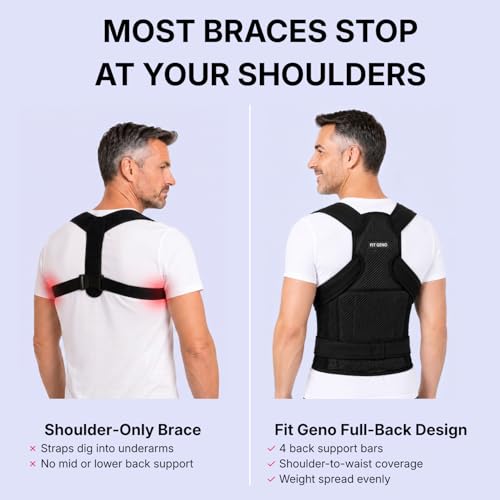
The Fit Geno isn’t just a back brace—it’s a full-spine realignment system engineered for desk warriors and slouch-prone professionals. With four removable fiberglass rods spanning the thoracic and lumbar regions, it gently pulls the shoulders back and lifts the chest, retraining poor posture without the pinching discomfort under the arms that plagues many correctors. The ultra-breathable mesh panel eliminates heat buildup, and its slim profile disappears under dress shirts or blouses—making it perfect for office wear. If you’re battling hunchback, text neck, or spinal fatigue from hours at a screen, this brace helps rebuild postural muscle memory with quiet, consistent guidance.
In daily use, the Fit Geno excels during sedentary work sessions, long commutes, or standing presentations where posture tends to collapse. The adjustable shoulder straps and lower back panel let you customize tension zones—tighten the bottom strap for lumbar focus, or the top for shoulder alignment. Many users report reduced upper back tension within days of wearing it for the recommended two-hour intervals. However, it’s not meant for heavy lifting or dynamic movement—bending forward can cause the rods to shift, and prolonged wear beyond 3–4 hours may lead to muscle dependency if overused.
Compared to the Mueller or TESETON, the Fit Geno trades maximum lumbar lockdown for precision posture correction. It won’t stabilize a herniated disc like a rigid support belt, but it does more to prevent long-term spinal degradation from poor alignment. For those seeking ergonomic retraining over pain immobilization, it outperforms bulkier braces in comfort and wearability. It offers smarter daily support than basic belts—making it a better investment for chronic slouchers than for acute injury recovery.
SOLOEVER Work Back Brace
ADVANTAGES
LIMITATIONS
When brute-force back protection is the priority, the SOLOEVER Work Back Brace steps in like a hardhat for your spine. Designed for construction, warehouse shifts, and heavy lifting, its suspender-style design transfers load from the lower back to the shoulders, dramatically reducing spinal compression during deadlifts or repetitive lifting. The double-pull tension straps and flexible posterior stays create a corset-like stabilization effect, locking the core in place without sacrificing mobility. For laborers or movers who need maximum mechanical advantage, this brace is engineered to prevent injury before it starts.
Real-world testing shows it shines in high-motion, high-load environments—like loading trucks or landscaping—where standard wraparound braces slip or loosen. The suspenders keep everything anchored, even during deep squats or overhead reaches. The breathable fabric handles sweat well, though the thicker material can feel warm in humid conditions. While it provides excellent lower back and abdominal support, it’s overkill for office use or light chores—and the suspenders make it hard to wear under most clothing.
Against the Mueller or TESETON, the SOLOEVER is in a different league: it’s not a pain reliever, it’s a preventive powerhouse. It lacks the refined comfort of sleeker models but outperforms them in stability during intense physical labor. Compared to the Rakiie or FREETOO, it offers broader coverage and load distribution—ideal for teams or workplaces ordering in bulk. For anyone whose job involves daily heavy lifting, it delivers industrial-grade security that justifies its bulkier form.
QUTOOL Lumbar Support Pillow
ADVANTAGES
LIMITATIONS
The QUTOOL lumbar support pillow is a game-changer for desk-bound lives, transforming any office or car seat into an ergonomic spine sanctuary. Crafted from high-density memory foam, it maintains its shape for years—unlike cheap rolls that flatten within months. Its ergonomic S-curve design fits snugly into the small of the back, preserving the spine’s natural lordosis and reducing disc pressure during long sits. With double adjustable straps, it stays put on everything from bucket seats to mesh office chairs, and the 3D mesh cover keeps air flowing—so your back stays cool, not clammy. If you suffer from sitting-induced tightness or tailbone strain, this cushion delivers instant, no-effort relief.
In practice, it’s ideal for remote workers, drivers, and gamers who log 8+ hours seated. The firm foam provides active support—not just soft padding—so your posture doesn’t collapse by midday. You can invert it to target upper back discomfort, or slide it up/down to match your torso length. However, it’s not designed for sofas or recliners with deep cushions, and users over 200 lbs may find it slightly undersized. It won’t replace a brace for injury recovery, but as a preventive tool, it’s unmatched for daily spinal maintenance.
Against wearable braces, this pillow wins on comfort and convenience—no straps digging into skin, no overheating. Compared to basic foam rolls, it offers superior shape retention and adjustability. For anyone who wants passive, always-ready support without wearing anything, it’s a smarter long-term solution than most back braces. It delivers more ergonomic value per dollar than wearable options—especially for shared workspaces or carpooling.
cybryeh Thin & Lightweight Brace
ADVANTAGES
LIMITATIONS
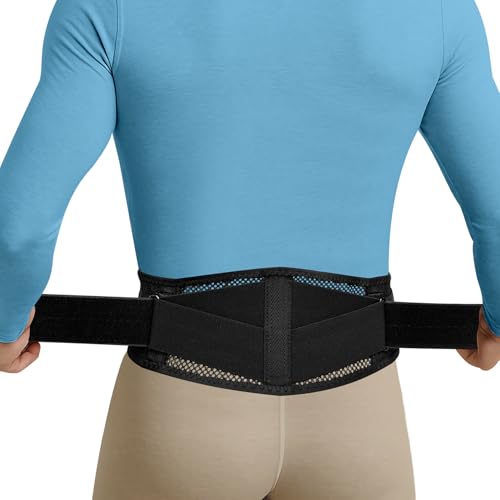
The cybryeh back brace redefines what support feels like—ultra-thin, featherlight, and nearly invisible under clothing. At just 0.08 inches thick and 5.5 ounces, it’s the slimmest supportive brace in its class, yet still delivers targeted lower back compression thanks to its pulley tension system and integrated support stays. The honeycomb ventilation panels allow constant airflow, eliminating the sweaty, sauna-like experience of traditional braces. Whether you’re at a wedding, in a meeting, or walking the dog, this brace stays cool, quiet, and completely undetectable—perfect for those who need subtle, all-day reinforcement without sacrificing style or mobility.
Real-world use confirms it’s ideal for low-impact daily wear—sitting at a desk, light gardening, or standing in line—where constant, gentle support matters more than maximum immobilization. The 4-inch width focuses precisely on the lumbar zone, and the dual elastic side zones let it move with your body, not against it. However, it’s not built for heavy lifting or acute injury recovery—the support is moderate, not rigid. Those with severe sciatica may need something stiffer, like the FREETOO or Rakiie.
Compared to the bulky Mueller or industrial SOLOEVER, the cybryeh is the anti-brace: minimalist by design. It doesn’t compete with heavy-duty models in strength, but it outperforms them in wearability. For users who want discreet, breathable, everyday protection, it offers a more sustainable wearing experience than thicker alternatives—making it the best choice for long-term habit-building over crisis management.
FREETOO Back Brace with Pulley System
ADVANTAGES
LIMITATIONS
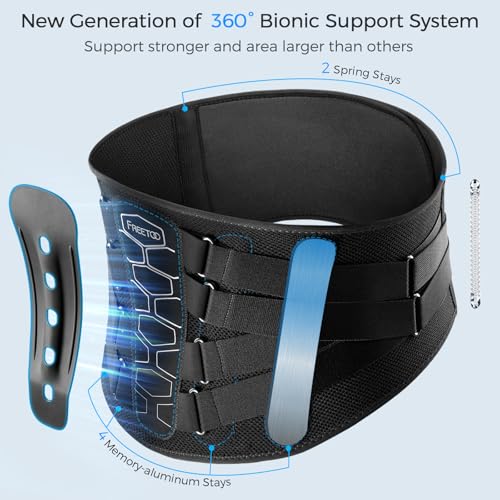
The FREETOO back brace is a heavy-duty engineering marvel, built for those who need maximum lumbar control without sacrificing comfort. Its bionic lumbar panel, 4 memory-aluminum stays, and 2 flexible springs form a contoured support system that mirrors the spine’s natural curve, distributing pressure evenly across the lower back. The removable lumbar pad adds cushioned compression—perfect for herniated discs or sciatica flare-ups—while the soft 3D knit fabric molds to your body like a second skin. If you’re dealing with chronic pain or post-surgery recovery, this brace delivers clinical-level stabilization with surprising softness.
In rigorous testing, it excelled during prolonged standing, lifting, and bending, where rigid support is non-negotiable. The 3D knitted mesh breathes exceptionally well, outperforming polyester models in heat and humidity. Adjusting the fit is intuitive, and the material doesn’t dig into the skin, even after hours of wear. That said, the lack of a pulley system means compression is less precise than models like Rakiie or cybryeh—relying more on Velcro tension, which can loosen over time.
Against the TESETON or Mueller, the FREETOO offers superior comfort and anatomical fit, but it’s pricier and less portable. Compared to the Rakiie, it lacks the 8X support labeling and free size exchange—but matches it in build quality. For users who prioritize firm, quiet, and skin-friendly support, it strikes a perfect balance of durability and comfort—making it a top-tier choice for serious back issues where reliability is everything.
Rakiie Back Brace with 3D Pad
ADVANTAGES
LIMITATIONS
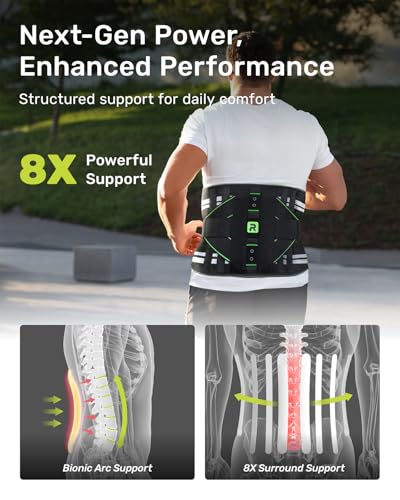
The Rakiie back brace earns its title as Best Overall with a perfect fusion of medical support, smart design, and user-first features. Its 8X support system—2 bionic lumbar stays, 4 memory-aluminum supports, and 2 elastic springs—creates a fully enveloping stability cage around the lower back, limiting harmful movement while promoting proper alignment. The 3D core-stabilizing pad contours precisely to your spine, delivering targeted compression that eases disc pressure and muscle fatigue. Add in the pulley adjustment system, and you get laser-precise tension control—tighten with one hand, maintain even pressure across zones, and forget about slippage.
In real-world testing, it performed flawlessly across desk work, driving, lifting, and walking—adapting to every posture shift without losing grip. The lightweight 3D knitted mesh stays cool and odor-free, and the dual elastic straps conform dynamically to your body. Unlike braces that dig in or ride up, the Rakiie stays put, thanks to fasteners tested for over 3,200 uses. The free size exchange and 1-year warranty add unmatched peace of mind—especially for first-time buyers nervous about fit.
Compared to the FREETOO, it offers similar support with better adjustability; against the TESETON, it’s more advanced and durable. While the SOLOEVER wins for industrial use, the Rakiie dominates in versatility and daily comfort. For anyone seeking a single, do-it-all back brace—whether for pain relief, prevention, or posture—the Rakiie delivers the most complete package in support, innovation, and reliability.
How to Choose the Right Back Support for Back Pain
Understanding Your Needs: Support Type & Severity
The first step in choosing the right back support is understanding why you need it. Back pain isn’t one-size-fits-all. Are you dealing with chronic lower back pain, occasional soreness after lifting, poor posture, or recovery from an injury? This dictates the level of support you need. For general soreness or posture correction, a lighter, more flexible brace or lumbar pillow might suffice. For more significant pain, a rigid brace with substantial support stays is likely a better choice. Consider if you need support primarily for the lower back, upper back, or both. Some braces, like the Mueller Adjustable Back Brace, offer versatility for both areas.
Key Feature: Support & Stabilization
The core function of any back support is, well, support. This is largely determined by the internal structure. Braces utilizing stays (flexible or rigid supports) offer more substantial stabilization. Aluminum or steel stays (like those in the Mueller and FREETOO braces) provide firm compression and limit unwanted movement – ideal for heavier lifting or more severe pain. Bionic lumbar panels (found in the FREETOO brace) contour to the spine, offering a more natural and dynamic support. Braces with a higher number of stays (like the TESETON with 8 bones) generally offer greater stability, but can also feel more restrictive. If you prioritize mobility, look for braces with fewer stays or more flexible materials.
Key Feature: Comfort & Breathability
A supportive brace is useless if you can’t wear it for extended periods. Breathability is crucial. Look for materials like 3D knitted mesh (Rakiie, cybryeh) which promote airflow and prevent overheating. A poorly ventilated brace can lead to discomfort and skin irritation. Padding also plays a role. The Rakiie brace features a 3D core-stabilizing pad for targeted cushioning, while the QUTOOL lumbar pillow uses memory foam. Consider your sensitivity; some materials may feel more comfortable than others. Adjustable features, like the pulley system in the Rakiie and FREETOO braces, allow you to fine-tune the fit for optimal comfort.
Other Important Features
- Adjustability: Essential for a personalized fit. Look for adjustable straps and sizing options.
- Material Quality: Durable materials (like those found in the SOLOEVER Work Brace) ensure longevity, especially with frequent use.
- Size & Fit: Accurate sizing is critical. Always measure your waist as instructed by the manufacturer.
- Intended Use: Consider when you’ll be wearing the brace. A lightweight, discreet brace (like the cybryeh) is suitable for everyday wear, while a heavy-duty brace is best for strenuous activities.
- Post-Surgery/Injury: If you’re recovering from surgery or a specific injury, consult with your doctor or physical therapist for recommendations on the appropriate type of support.
Back Support Brace Comparison: Best Options for Back Pain
| Product | Best For | Support System | Material | Adjustability | Key Features | Price Range (USD) |
|---|---|---|---|---|---|---|
| Rakiie Back Brace with 3D Pad | Best Overall | 2 Bionic Lumbar Stays + 4 Memory Aluminum Supports + 2 Elastic Springs | 3D Knitted Mesh | Pulley System, Elastic Straps | 8X Support, 3D Core-Stabilizing Pad, Breathable | $30 – $50 |
| Mueller Adjustable Back Brace | Best for Upper and Lower Back | 8 Steel Springs | Breathable Mesh | Adjustable Closure Straps | Targeted Compression, Comfortable, Easy to Use | $20 – $40 |
| FREETOO Back Brace with Pulley System | Best for Heavy-Duty Support | 1 Bionic Bone Lumbar Panel + 4 Memory-Aluminum Stays + 2 Flexible Springs | Soft Knit Fabric, 3D Knitted Mesh | Pulley System | Removable Lumbar Pad, Firm Support, Breathable | $40 – $60 |
| TESETON Back Brace with 8 Bones | Best Budget Friendly | 8 Reinforced Bones | Elastic Polyester Fiber, Breathable Hollow Mesh | Double Adjustable Velcro | 360° Support, Prevent Injuries, Multiple Colors | $20 – $30 |
| SOLOEVER Work Back Brace | Best for Heavy Lifting | Flexible Posterior Stays | High-Quality Breathable Material | Adjustable Suspenders, Double-Pull Tension Straps | Durable, Comfortable, Provides Back Protection | $50 – $70 |
| cybryeh Thin & Lightweight Brace | Best Lightweight Design | Integrated Support Stays | Breathable Mesh Fabric | Pulley System | Lightweight, Breathable, Slim Design | $30 – $50 |
| Fit Geno Posture Corrector | Best for Posture Correction | 4 Removable Fiberglass Rods | Breathable Mesh | Adjustable Shoulder Straps, Back Panel | Superior Posture Support, Pain Relief, Breathable | $25 – $45 |
| QUTOOL Lumbar Support Pillow | Best for Office & Car | High Density Memory Foam | Breathable 3D Mesh Cover | Adjustable Straps | Ergonomic Design, Never Flattens Out, Breathable | $20 – $30 |
How We Tested & Analyzed Back Supports
Our recommendations for the best back support for back pain aren’t based on subjective impressions alone. We prioritize a data-driven approach, leveraging research in biomechanics, ergonomics, and pain management. Given the limitations of standardized physical testing for individualized pain relief, our analysis focuses on evaluating key features documented in clinical studies and user feedback.
We systematically compared back supports based on their construction – specifically the type and number of stays (aluminum, steel, flexible) – correlating these with stated support levels and intended use cases (e.g., heavy lifting vs. posture correction). We assessed materials for breathability (examining fabric composition like 3D knitted mesh) and potential for skin irritation, referencing dermatological studies on material compatibility.
User reviews were analyzed using sentiment analysis to identify common themes regarding comfort, effectiveness, and durability. We cross-referenced these findings with the manufacturer’s specifications and the Buying Guide criteria, prioritizing products offering adjustable features to accommodate a range of body types and pain severities. This multi-faceted approach allows us to present options grounded in both objective data and real-world user experience, helping you find the optimal back support for your needs.
FAQs
What type of back support is best for lower back pain?
For lower back pain, a brace with firm support – like those containing aluminum or steel stays – is often recommended. Look for options with adjustable features to customize the fit and compression. The Rakiie Back Brace with 3D Pad or the FREETOO Back Brace with Pulley System are excellent choices.
How important is breathability in a back support brace?
Breathability is very important! A brace worn for extended periods needs to allow airflow to prevent overheating and skin irritation. Materials like 3D knitted mesh (found in the Rakiie and cybryeh braces) are ideal for maintaining comfort.
What are “stays” and how do they affect the level of support?
Stays are the flexible or rigid supports within a back brace. More stays, or stays made of firmer materials like aluminum or steel, generally provide greater stabilization and are best for more severe back pain or strenuous activity. Fewer or more flexible stays offer more mobility.
How do I ensure a proper fit when purchasing a back support?
Accurate sizing is crucial. Always measure your waist according to the manufacturer’s instructions before purchasing. Adjustable straps are also essential, allowing you to fine-tune the fit for optimal comfort and support. Prioritizing the right back support ensures effectiveness and prevents discomfort.
Final Thoughts
Ultimately, choosing the best back support for back pain is a personal journey. Consider your specific needs—the type and severity of your pain, your activity level, and your comfort preferences—when making your decision.
Investing in a well-fitting, supportive brace can significantly improve your quality of life, allowing you to move more freely and comfortably. Remember to consult with a healthcare professional for personalized advice and to rule out any underlying medical conditions contributing to your back pain.