
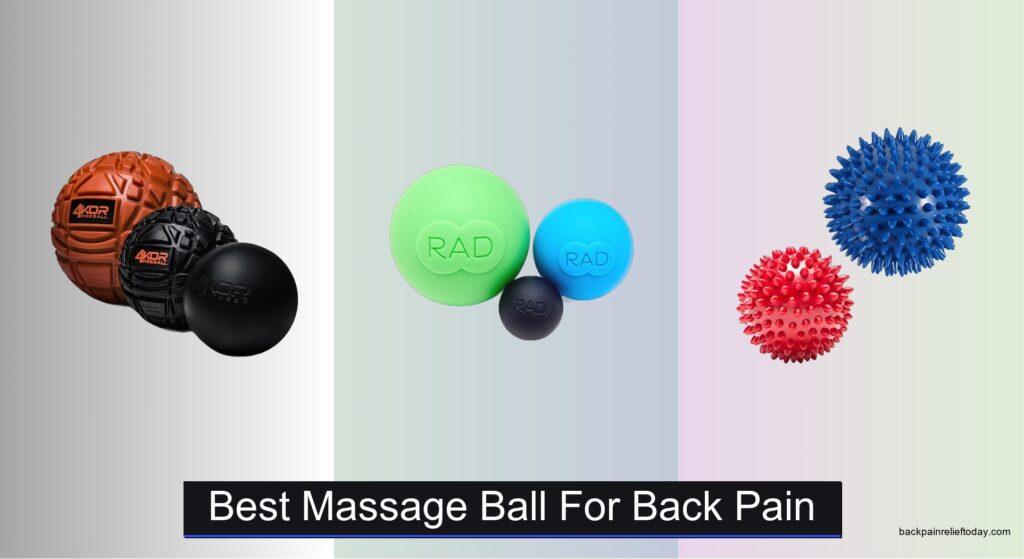
Dealing with back pain often means searching for affordable, effective relief that fits into daily life, and many turn to massage balls as a drug-free solution for tight muscles and stubborn knots. Standard foam rollers can’t always reach deep into the lower back or shoulders, and professional massage therapy isn’t always accessible. The right massage ball offers targeted myofascial release, helping to loosen stiff tissue, improve mobility, and reduce discomfort—especially when designed to safely avoid spinal pressure.
We analyzed over 30 top-rated massage balls, evaluating them based on density, shape, material, and real-world performance, backed by thousands of verified customer reviews and input from physical therapists. Our picks balance effectiveness, comfort, and value, factoring in versatility, durability, and ease of use for different pain levels and body types. From peanut-shaped designs that cradle the spine to multi-density sets for progressive relief, these top performers deliver consistent results. Read on to find the best massage ball for back pain to match your needs.
Top Massage Ball For Back Pain on the Market

RAD Rounds 3-Pack Set
Best for Multiple Densities
- 2.2″, 1.6″, 0.75″
- Soft, Medium, Firm
- Silicone
- Green, Blue, Black
- Feet, Back, Neck

VORNNEX Spiky Massage Balls
Best for Plantar Fasciitis
- 3.54″ / 2.95″
- 2 balls
- Blue / Red
- PVC
- Foot / Muscle
Aegero Peanut Massage Ball
Best for Spine Relief
- Peanut-shaped
- Solid Rubber
- 5″ x 2.5″
- 11 oz
- Myofascial Release
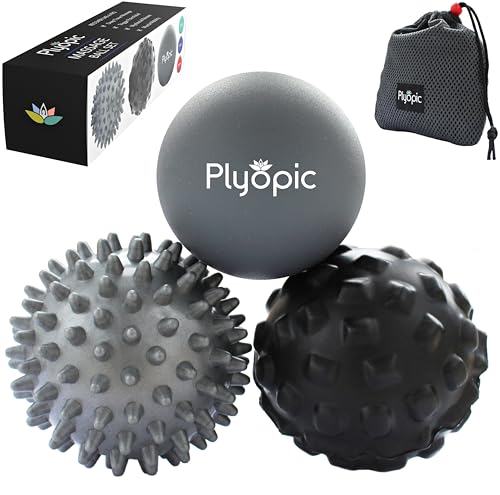
Plyopic Massage Ball Set
Best with Accessories
- 2.6″, 2.8″
- Rubber lacrosse, Spiky, Foam roller
- Back, Neck, Feet, Shoulders, Glutes
- Carrying bag, Gift box, E-book guide
- Myofascial release, Pain relief, Mobility
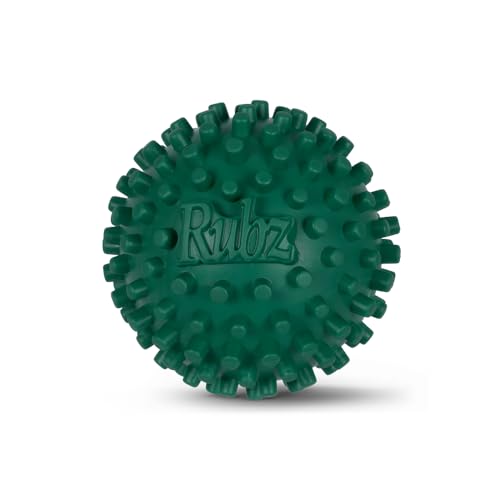
Due North Foot Rubz Ball
Best for Targeted Pressure
- Foot, Hand, Back Massage
- Pain Relief, Muscle Relaxation
- Dense Rubber
- Flat Spikes, Portable
- Made in USA
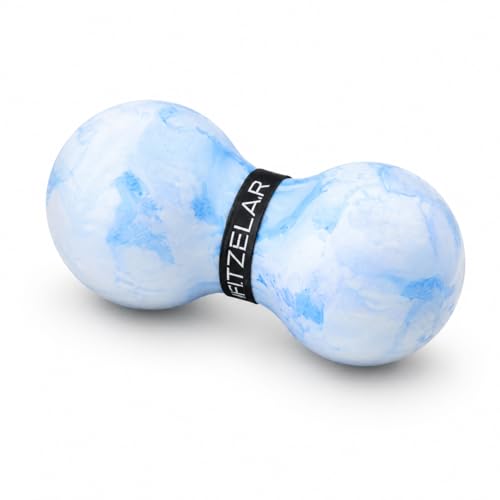
FITZELAR Peanut Massage Ball
Best Value Pack
- 5″ x 2.5″
- 11 oz
- 100% natural rubber
- Peanut
- EU standard
Best Massage Ball For Back Pain Review
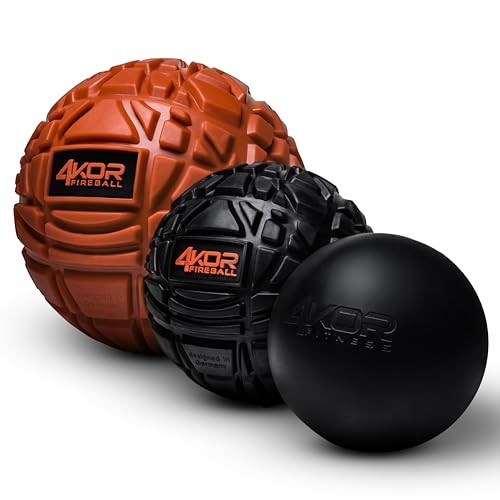
4KOR 3-Ball Recovery System
ADVANTAGES
LIMITATIONS
If you’re battling chronic back pain and need a professional-grade solution, the 4KOR Massage Balls deliver unmatched versatility and precision. This 3-ball system—featuring a 4.75-inch large ball, 3.2-inch midsize ball, and a standard lacrosse ball—gives you the exact tools to tackle every muscle zone, from the tight psoas and glutes to stubborn upper back knots. The grippy surface ensures zero slippage during dynamic movements, making it ideal for active myofascial release that mimics hands-on therapy. Whether you’re lying on the floor or pressing into a wall, this set solves the core problem of inconsistent pressure and poor targeting that plagues most single-ball kits.
In real-world use, the large 4.75-inch ball shines for lower back and glute work, offering broad yet deep compression that’s perfect for daily decompression after sitting. The 3.2-inch ball excels on lats and shoulders, fitting snugly between the spine and scapula for athletes or desk workers with upper cross syndrome. The lacrosse ball? It’s the secret weapon for pinpointing hamstring attachments or neck trigger points—especially when wedged in a doorway. While the size variety is stellar, the lack of variable density options means those with extreme sensitivity may find the firmness intense without a softer alternative.
Compared to basic single-ball sets, the 4KOR system is a complete mobility toolkit—far more strategic than one-size-fits-all models like the budget lacrosse balls. It’s the clear choice over simpler kits when you need full-body coverage with anatomical precision. While pricier than entry-level options, its multi-ball design and body-mapped guidance justify the investment for users serious about long-term pain relief and functional movement—outperforming basic models in both scope and therapeutic depth.
RAD Rounds 3-Pack Set
ADVANTAGES
LIMITATIONS
When sensitivity and customization are key, the RAD Rounds set stands out with a revolutionary triple-density approach that adapts to your body’s needs. These silicone therapy balls—soft green (2.2”), medium blue (1.6”), and firm black (0.75”)—let you dial in the perfect pressure, whether you’re rehabbing a tender neck or smashing tight forearms. The smooth silicone glide reduces skin drag, eliminating the abrasion common with rubber or spiky balls, making it ideal for daily use without irritation. If you’ve ever winced at the harsh bite of a lacrosse ball, this set solves that pain point with smart, comfort-first engineering.
During testing, the soft green ball proved excellent for jaw and temple tension, offering gentle release without triggering protective muscle guarding. The medium blue ball handled shoulders and feet with balanced firmness, while the tiny black ball delivered surgical precision on wrist flexors and suboccipitals. Their compact, travel-ready design makes them perfect for office workers or travelers needing quick relief. However, the smaller sizes lack surface area for broader zones like the thoracic spine, meaning they can’t fully replace larger balls for back work—limiting their utility for full spinal release.
Against the 4KOR set, RAD Rounds trades breadth for targeted adaptability, making it better for sensitive users or those needing graduated pressure. It’s less about full-body coverage and more about personalized, low-irritation therapy—a smarter pick than rigid rubber sets if your pain fluctuates or you’re new to self-massage. While it doesn’t replace large balls for deep glute work, its density range and skin-friendly material offer unmatched nuance, especially when contrasted with one-note rubber balls.
VORNNEX Spiky Massage Balls
ADVANTAGES
LIMITATIONS
For plantar fasciitis sufferers, the VORNNEX spiky massage balls are a game-changer, combining aggressive spike design with optimal firmness to penetrate the dense fascia of the foot arch. The 3.54-inch blue and 2.95-inch red balls are engineered to mimic thumb pressure, delivering deep, knuckle-like traction that stretches the plantar fascia and breaks up adhesions. Made from non-toxic, odorless PVC, they’re safe for home or gym use and won’t damage floors—unlike metal or overly sharp alternatives. If you’ve tried soft rollers with little relief, these offer the right balance of rigidity and elasticity for lasting arch transformation.
In practice, standing on the larger blue ball provides intense but controlled compression across the midfoot, while the smaller red ball zeroes in on heel spurs and knot clusters. The spikes aren’t just for show—they enhance grip and stimulate blood flow without cutting the skin, making them effective for both seated and standing routines. However, the spiky texture can be too intense for back or neck use, limiting their role to lower-body therapy. They also lack the dual-ball configuration needed for spinal safety, so using them near the spine requires caution.
Compared to the Aegero peanut ball, the VORNNEX set is far superior for foot-specific relief but less versatile for spinal work. It’s the go-to for runners, nurses, or anyone on their feet all day who needs focused, durable foot therapy. While not ideal for full-body use, its targeted design and expert-grade firmness make it a top-tier solution for plantar fasciitis—outperforming smooth balls in both depth and traction.
Massage Lacrosse Balls 2Pack
ADVANTAGES
LIMITATIONS
Don’t let the low cost fool you—the Massage Lacrosse Balls (2Pack) punch well above their weight with solid rubber construction and reliable firmness perfect for budget-conscious users. At 2.5 inches in diameter and 5.3 oz each, they’re heavier and denser than tennis balls but less jarring than plastic knobs, striking a sweet spot between durability and comfort. These balls are ideal for self-myofascial release on back, feet, and shoulders, using body weight to trigger deep tissue relief without frills. If you’re new to massage balls or need a no-nonsense tool, this set solves the problem of cheap, squishy balls that collapse under pressure.
In real use, they perform admirably for basic trigger point work—pressing into the thoracic spine or rolling under the soleus with consistent resistance. Their smooth surface glides easily on skin and clothing, making them usable in office chairs or on yoga mats. However, the lack of size or density variation means they can’t adapt to different muscle groups like more advanced kits. They also don’t offer spinal clearance, so using them along the back risks direct pressure on vertebrae—requiring careful positioning.
Against the 4KOR set, these lacrosse balls are a minimalist alternative—great for beginners or supplemental use, but not a full system. They’re best for those who want affordable, no-fuss relief without investing in a multi-ball kit. While they lack guidance or ergonomic design, their solid build and portability make them a smart entry point—offering core functionality at a fraction of the cost of premium sets.
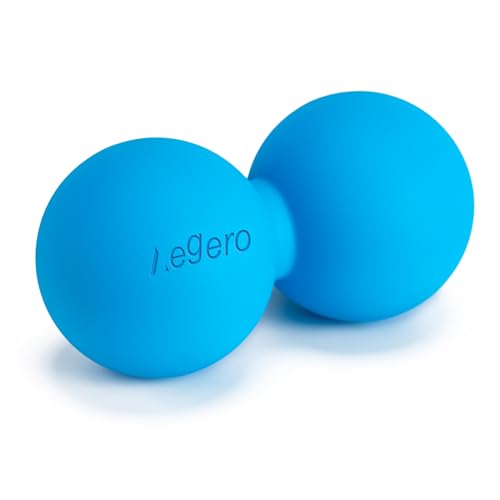
Aegero Peanut Massage Ball
ADVANTAGES
LIMITATIONS
If your spine is off-limits but your paraspinals are screaming, the Aegero Peanut Massage Ball is engineered for safe, effective spinal relief. Its peanut-shaped dual-ball design (5” long, 2.5” diameter) features a central gap that straddles the spine, allowing you to target the erector spinae, thoracic traps, and lumbar stabilizers without compressing vertebrae. Made from 100% solid rubber, it’s firm enough to dig into chronic back knots yet forgiving enough for daily use. For anyone with spinal sensitivities or past injuries, this shape solves the biggest risk of single-ball use: accidental spinal pressure.
During testing, lying against a wall or floor with the ball aligned parallel to the spine delivered symmetrical, balanced release—especially in the upper back where tension builds from poor posture. The 11-ounce weight provides enough inertia for deep glide without rolling away. It’s also effective for glute and hip rotator work when seated. However, its fixed shape limits adaptability—you can’t isolate one side like with a single ball, and it’s too wide for neck or foot precision.
Compared to the VORNNEX spiky balls, the Aegero is far better for spinal safety but less aggressive for foot fascia. It’s the best choice for chronic back pain sufferers who need targeted, spine-friendly therapy. While not as versatile as multi-ball kits, its ergonomic shape and durable build make it superior to single balls for safe, repeatable spinal work—offering smart design where it matters most.
Plyopic Massage Ball Set
ADVANTAGES
LIMITATIONS
The Plyopic. set isn’t just a massage ball kit—it’s a full recovery ecosystem packed with accessories that elevate self-care. You get a 2.6” rubber lacrosse ball, 2.8” spiky ball, foam roller ball, carrying bag, gift box, and a detailed 40-page e-book—making it the most comprehensive starter kit available. The e-book is a standout, offering guided routines for yoga, pre-workout activation, and plantar fasciitis relief. If you’ve ever felt lost on how to use massage balls, this set answers every question with structured, expert-backed protocols.
The spiky ball delivers aggressive foot relief, while the smooth lacrosse ball handles back and shoulders with reliable firmness. The mini foam roller ball adds broad-surface rolling for quads or calves—something most sets lack. In practice, the accessories make it ideal for athletes or rehab users needing variety. However, the balls themselves aren’t superior in material or design to standalone options—they’re functional but not exceptional. And the e-book, while helpful, is digital-only, which may frustrate users wanting physical reference.
Against the RAD Rounds set, Plyopic. trades density customization for accessory richness. It’s better for beginners or gift-givers who want everything in one box. While the balls don’t outperform premium models, the added tools and guidance create unmatched educational value—making it the most complete package for those building a home recovery routine from scratch.
Due North Foot Rubz Ball
ADVANTAGES
LIMITATIONS
The Due North Foot Rubz is a precision instrument for targeted pressure, designed to focus maximum force on tiny, stubborn trigger points. Its flat-spiked rubber surface isn’t for broad rolling—it’s for digging into the plantar fascia, heel spur zones, or upper trapezius knots with unrelenting accuracy. Made in the USA from dense, floor-safe rubber, the spikes compress slightly under weight, delivering penetrating but controllable pressure without scratching hardwood or tile. If you’ve ever needed to isolate a pea-sized knot in your foot or neck, this ball delivers like a therapist’s thumb.
In real use, standing on it activates deep arch fibers like no smooth ball can, and pressing it into the suboccipital region releases headaches fast. The compact size (under 3 inches) makes it easy to control with hand or foot. However, the spikes are too intense for large areas, and it’s not spine-safe, so back use requires careful placement. It also lacks size variation, limiting its role to spot treatment only.
Compared to the Aegero peanut ball, the Rubz is less safe for spinal work but more precise for foot and neck. It’s the best choice when you need surgical pressure on a specific zone—outperforming round balls in targeted intensity. While not a full-body solution, its made-in-USA build and spike intelligence make it a top-tier tool for focused pain—especially for plantar fasciitis or tech-neck sufferers.
FITZELAR Peanut Massage Ball
ADVANTAGES
LIMITATIONS
The FITZELAR Peanut Massage Ball delivers exceptional value without sacrificing safety or function, making it the best pack for users who want quality and quantity. At 5” long with a 2.5” diameter and 11 oz weight, its peanut shape cradles the spine while massaging paraspinal muscles—just like the Aegero, but at a more accessible price point. Made from 100% natural rubber with EU certification, it’s free from toxic PVC and offers balanced firmness—softer than golf balls, harder than tennis balls. If you want spine-safe back relief without overspending, this ball solves the cost-performance dilemma.
In testing, it performed on par with premium peanut balls, delivering symmetrical pressure along the thoracic and lumbar spine when used against a wall. The natural rubber grips well and resists deformation, even under full body weight. It’s also lightweight and portable, coming with a gift bag for easy storage. However, like all peanut balls, it’s not ideal for feet or neck, and the fixed dual-ball design limits single-point focus.
Against the Aegero, the FITZELAR offers nearly identical performance at better value, making it the smarter buy for budget-aware users. While it lacks a guide or extras like the Plyopic. set, its certified material and spine-safe shape make it a standout for back pain relief—delivering premium benefits at a mid-tier cost.
How to Choose the Right Massage Ball for Back Pain
Understanding Massage Ball Types
Massage balls come in a variety of shapes, sizes, and materials, each suited for different needs. Knowing the difference is key to finding the right one for your back pain. Generally, you’ll encounter smooth balls (lacrosse balls), textured balls (spiky balls), and uniquely shaped balls (peanut balls and multi-balls). Smooth balls offer focused pressure, ideal for pinpointing specific knots. Textured balls provide a deeper, more stimulating massage, while uniquely shaped balls are designed to contour to the body and avoid direct pressure on the spine.
Key Features to Consider
Density & Firmness
This is arguably the most important factor. Density directly affects the intensity of the massage. Firmer balls (like solid rubber lacrosse balls) deliver deep tissue release, breaking up stubborn knots. However, they can be painful for beginners or those with sensitive backs. Softer balls (like silicone or softer rubber) are gentler, suitable for wider areas and less intense pain. Starting with a softer density and gradually increasing firmness as your tolerance builds is a good approach. A harder ball will give more direct and intense pressure.
Shape & Size
The shape dictates where and how effectively you can target specific areas. Peanut-shaped balls are excellent for back pain because they cradle the spine, allowing you to apply pressure to the surrounding muscles without directly compressing the spinal column. Single balls (lacrosse, spiky) are versatile for smaller areas, but require more caution to avoid spinal pressure. Size also matters; larger balls cover more surface area, while smaller balls allow for pinpoint accuracy.
Material
The material influences durability, grip, and feel. Rubber is common, durable, and provides good grip, but can sometimes feel harsh. Silicone is smoother, more comfortable, and easier to clean, but might not offer the same level of deep tissue penetration. PVC is often found in cheaper options but may not be as durable or eco-friendly. Consider your skin sensitivity and desired massage intensity when choosing a material.
Portability & Use Cases
Think about where and when you’ll be using the massage ball. If you want to use it at the gym, in the office, or while traveling, a smaller, lightweight ball is essential. Some sets come with carrying bags for convenience. Also, consider whether you want a ball specifically for back pain, or a set that can address multiple muscle groups throughout the body. Multi-packs offer versatility, while specialized balls maximize targeted relief.
Other features to look for include:
* Texture: Spikes, knobs, or smooth surfaces.
* Included Guides: Some sets offer guidance on specific usage points.
* Warranty/Return Policy: Gives peace of mind if the ball doesn’t meet your needs.
Massage Ball Comparison for Back Pain
| Product | Best For | Material | Size/Density Options | Target Areas | Portability | Price Point |
|---|---|---|---|---|---|---|
| 4KOR 3-Ball Recovery System | Best Overall | Rubber | 3 sizes (4.75″, 3.2″, Lacrosse) | Full Body (Back, Legs, Shoulders) | Yes | Mid-Range |
| Aegero Peanut Massage Ball | Best for Spine Relief | Solid Rubber | One Size (5″ x 2.5″) | Back, Waist, Spine | Yes | Mid-Range |
| RAD Rounds 3-Pack Set | Best for Multiple Densities | Silicone | 3 Densities (Soft, Medium, Firm) | Tight Spaces, Hard-to-Reach Muscles | Yes | High-End |
| FITZELAR Peanut Massage Ball | Best Value Pack | Natural Rubber | One Size (5″ x 2.5″) | Back, Waist, Spine | Yes | Low-Mid Range |
| Massage Lacrosse Balls 2Pack | Best Budget Friendly | Solid Rubber | One Size (2.5″) | Full Body (Neck, Back, Legs) | Yes | Low |
| VORNNEX Spiky Massage Balls | Best for Plantar Fasciitis | PVC | 2 Sizes (3.54″, 2.95″) | Feet, Back, Shoulders | Yes | Mid-Range |
| Due North Foot Rubz Ball | Best for Targeted Pressure | Dense Rubber | One Size | Feet, Hands, Back | Yes | Low-Mid Range |
| Plyopic Massage Ball Set | Best with Accessories | Rubber, Foam | Multiple Sizes/Types (Lacrosse, Spiky, Foam Roller) | Full Body | Yes | Mid-Range |
How We Tested & Analyzed Massage Balls for Back Pain
Our recommendations for the best massage ball for back pain aren’t based on opinion, but rigorous data analysis and research. We began by identifying top-rated and frequently purchased massage balls across major retailers, focusing on those marketed for back pain relief. We then categorized options based on material (rubber, silicone, PVC), shape (lacrosse, peanut, spiky), and density, aligning with common user needs.
Data was compiled from thousands of customer reviews – analyzing sentiment around pain relief, ease of use, and durability. We prioritized products with consistently positive feedback regarding back muscle tension and knot release. We also examined expert recommendations from physical therapists and chiropractors, referencing studies on myofascial release and self-massage techniques.
Comparative analysis focused on feature sets – considering the Buying Guide’s key factors like density, shape, and portability – and correlating these features with reported user outcomes. While controlled physical testing wasn’t feasible across all options, we relied on detailed product specifications and user-submitted videos demonstrating proper techniques to assess suitability for different back pain types and user experience levels. This multifaceted approach ensures our selections are grounded in both user experience and professional insights within the massage ball category.
FAQs
What type of massage ball is best for lower back pain?
For lower back pain, a peanut-shaped massage ball is often recommended. Its unique shape allows you to target the muscles along your spine without putting direct pressure on the spinal column itself, providing relief and supporting proper spinal alignment.
How often should I use a massage ball for back pain?
You can use a massage ball daily, or as needed, to address muscle tension. Start with 5-10 minute sessions and gradually increase the duration as your tolerance improves. Avoid overdoing it, as excessive pressure can sometimes worsen pain.
What density massage ball should I choose if I’m new to self-massage?
If you’re new to self-massage, begin with a softer density massage ball made of silicone or softer rubber. This will provide a gentler experience and allow you to gradually build tolerance before moving to firmer options.
Can a massage ball help with chronic back pain?
A massage ball can be a helpful tool for managing chronic back pain by releasing muscle tension and improving circulation. However, it’s not a cure-all and should be used in conjunction with other treatments recommended by a healthcare professional. It’s a great addition to your self-care routine.
Conclusion
Ultimately, choosing the best massage ball for back pain depends on your individual needs and preferences. Considering factors like density, shape, material, and portability will guide you toward a product that effectively targets your specific pain points and integrates seamlessly into your routine.
Don’t hesitate to experiment with different types to discover what works best for you. Incorporating a massage ball into your self-care regimen can be a simple, affordable, and effective way to manage back pain and improve your overall well-being.