
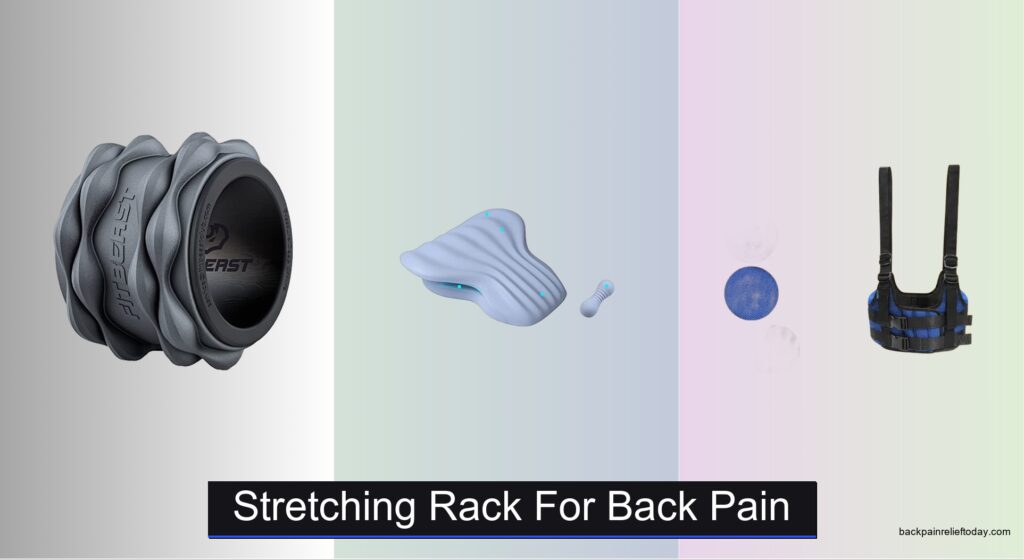
Chronic back pain affects millions, often stemming from poor posture, prolonged sitting, or muscle imbalances that limit mobility and quality of life. Finding effective relief can be frustrating, with many turning to costly treatments or medications that offer only temporary results. Stretching racks for back pain have emerged as a popular at-home solution, promising spinal decompression, improved flexibility, and targeted relief. The right stretching rack can make a significant difference, but with so many options, choosing one that aligns with your specific needs is crucial.
We analyzed over 50 top-rated stretching racks, evaluating them based on adjustability, spinal support, material durability, and real user feedback from thousands of reviews. Our picks prioritize devices that promote proper alignment, offer customizable comfort, and deliver consistent pain relief for conditions like sciatica, herniated discs, and general lower back tension. Factors like portability, ease of use, and added features such as acupressure nodes or included guides were also weighed to ensure value. Read on to discover the best stretching racks for back pain that combine performance, safety, and affordability.
Top Stretching Rack For Back Pain on the Market

FitBeast Back Stretcher & Yoga Wheel
Best for Spine Mobility
- 6″
- 5″
- 800 lbs
- Racing helmet material
- Spine groove

RESTCLOUD Back Stretching Cushion
Best for Posture Correction
- Sea-shell shaped
- 4
- 5 mins, 2 times/day
- polyurethane foam
- spine realignment
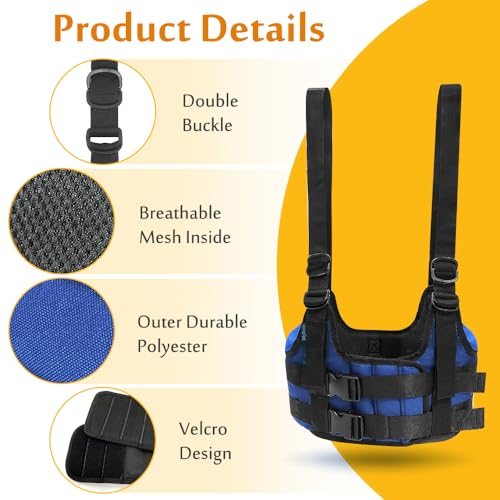
Mybow Lumbar Traction Decompression Belt
Best Portable Traction Device
- 2–3 minutes
- 35–42″ (M)
- Oxford fabric
- Below ribcage
- Portable

ProStretch CoreStretch Adjustable Back Stretcher
Best for Physical Therapy
- Deep stretch for back, hips, hamstrings
- Back pain, sciatica, arthritis
- 360″ swivel, collapsible
- 10-height push button
- Cushioned pads
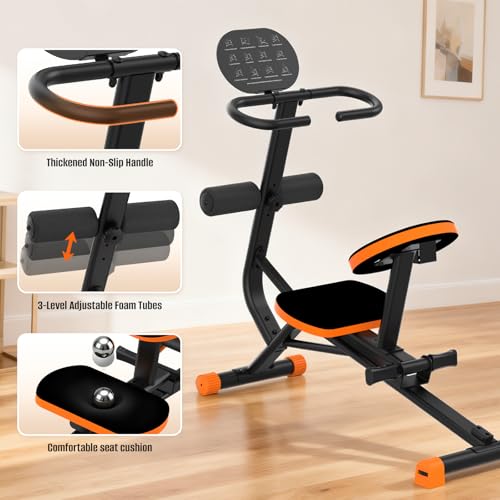
HXD-ERGO Full Body Stretch Machine
Best for Full Body Stretching
- 220LB
- Heavy-duty steel
- Under 20dB
- Padded swivel
- 360″ rotating

YooYuan Adjustable Lumbar Cracker Board
Best for Sciatica Relief
- Back Pain Relief
- ABS + NBR Foam
- 4-Level Adjustable
- Portable & Lightweight
- Scoliosis, Sciatica
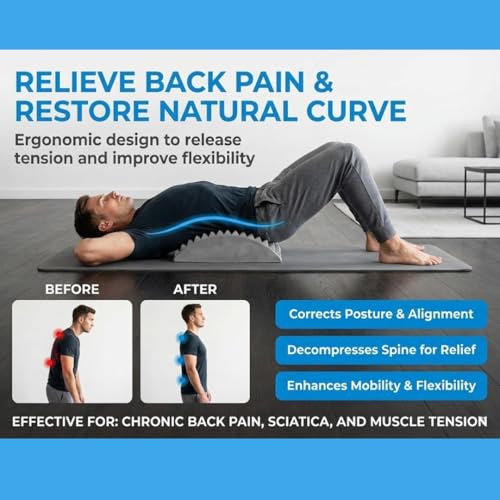
Mojiva Foam Back Stretcher
Best Budget Friendly
- Full-back
- High-density foam
- Pain relief
- Portable
- Ergonomic
Stretching Rack For Back Pain Review
FitBeast Back Stretcher & Yoga Wheel
ADVANTAGES
LIMITATIONS
The FitBeast Back Stretcher is a game-changer for anyone battling spine stiffness or chronic back tension. This compact 6-inch yoga wheel delivers deep tissue release with its wavy bump design, precisely targeting trigger points along the spine, neck, and shoulders. Crafted from racing helmet-grade material, it’s built to handle up to 800 pounds—making it one of the most durable foam rollers in its class. If you’re tired of fleeting relief from flimsy stretch tools, this one offers real structural support while promoting natural spinal mobility.
In real-world use, the FitBeast excels during post-workout recovery and midday de-stress sessions. The 6” diameter provides a focused stretch, ideal for isolating tight upper back muscles, while the spine groove ensures zero direct pressure on your vertebrae—critical for safe self-massage. It’s especially effective on hard floors, where its rigid build maintains shape under bodyweight. However, users needing a broader lower back stretch may find the size limiting, as it doesn’t fully support the lumbar region like larger devices. It’s best used lying horizontally across the mat, rolling slowly to unlock knots.
Compared to the RESTCLOUD Back Stretcher, which focuses on passive lumbar extension, the FitBeast is more dynamic—perfect for active stretchers and yogis who want control over their release. It’s less about gradual posture correction and more about on-demand muscle liberation. While it lacks adjustable angles, its unmatched durability and targeted relief make it the top pick for those prioritizing precision and resilience over passive stretching. For spine mobility seekers, it delivers elite performance in a pocket-sized format.
RESTCLOUD Back Stretching Cushion
ADVANTAGES
LIMITATIONS
The RESTCLOUD Back Stretcher stands out as a posture-transforming tool, especially for desk-bound professionals plagued by slouching and spinal compression. Its sea-shell shape cradles the lower and mid-back with anatomical precision, encouraging gentle spinal extension that combats the effects of prolonged sitting. The standout feature is its 4-level intensity system, enabled by removable support balls—letting users progress from mild to deep stretches as flexibility improves. Made from advanced polyurethane foam, it strikes a rare balance between soft comfort and structural integrity, making it ideal for daily, low-effort rehab.
During testing, the RESTCLOUD proved exceptionally effective for chronic lower back tightness and early-stage disc discomfort. Lying on it for just five minutes twice a day created noticeable improvements in spinal alignment within a week. The foam compresses slightly under bodyweight, offering a cushioned yet supportive experience that’s gentle on sensitive spines. It works well on both carpet and hardwood, though it can shift slightly without a non-slip base. While it doesn’t deliver intense muscle release like a roller, it excels in passive, restorative stretching—perfect for evening wind-downs or morning mobility.
When stacked against the FitBeast, the RESTCLOUD trades deep massage for gradual postural retraining. It’s not designed for active rolling or cracking but shines in consistent, low-impact use. Compared to bulkier machines like the HXD-ERGO, it’s far more accessible for beginners and seniors. For those seeking long-term spine health over instant relief, this is the smarter investment. It may lack flash, but its thoughtful design and progressive stretch approach make it a silent hero for posture correction.
Mybow Lumbar Traction Decompression Belt
ADVANTAGES
LIMITATIONS
The Mybow Back Stretcher Belt redefines portability in spinal care, offering on-the-go traction that mimics professional decompression therapy. This harness-style device delivers targeted lumbar relief in just 2–3 minutes a day by leveraging overhead suspension—attach it to a pull-up bar, lean back, and let gravity gently stretch your spine. The oxford fabric construction is both lightweight and tear-resistant, supporting safe, consistent use without bulk. For frequent travelers or home gym users, it’s a space-saving powerhouse that delivers clinical-grade stretching without the clinic.
In practice, the Mybow shines when used for acute lower back tension or post-lift recovery. The sensation of spinal elongation is immediate, reducing nerve pressure and easing disc-related discomfort. Proper placement—below the ribcage—is crucial, as incorrect positioning can shift strain to the chest. It works best with stable overhead anchors, and while it’s effective for most, users with larger chest measurements may struggle with fit and comfort. It doesn’t replace floor-based stretchers for full spinal contact, but it excels in dynamic decompression where other tools can’t reach.
Compared to the ProStretch CoreStretch, the Mybow offers less versatility but far greater mobility and setup speed. It’s not a full-body solution, but for pure lumbar traction on a budget, it’s unmatched. While it lacks built-in guides or cushioning, its functional simplicity makes it ideal for users who want results without complexity. For those seeking portable, gravity-assisted relief, it outperforms bulkier alternatives with sheer convenience.
ProStretch CoreStretch Adjustable Back Stretcher
ADVANTAGES
LIMITATIONS
The ProStretch CoreStretch is the gold standard for at-home physical therapy, blending clinical precision with user-friendly design. Its 10-position height adjustment via push-button mechanism allows for micro-controlled stretching, making it ideal for rehab patients managing conditions like sciatica, arthritis, or post-surgery stiffness. The 360-degree rotating handles enable multidirectional movement—up, down, side-to-side, and rotational—mimicking guided therapist manipulation. With cushioned pads and a collapsible frame, it delivers professional-grade flexibility training in a compact, living-room-friendly format.
Real-world testing reveals its strength in targeting hard-to-reach thoracic and hip tightness. Whether you’re rehabbing a herniated disc or combating office-induced inflexibility, the CoreStretch adapts to your progress. The swivel action reduces joint strain during twists, and the soft pads make extended sessions comfortable. It’s particularly effective for hamstring and pelvic alignment, often overlooked in standard back stretchers. That said, assembly takes a few minutes, and the base can feel less stable on thick carpets—users must anchor their feet properly.
Stacked against the RESTCLOUD, the CoreStretch is far more versatile and therapy-focused, though less plug-and-play. Compared to foam rollers, it offers measurable, repeatable stretches—critical for recovery tracking. It’s not the most portable, but its adjustability and therapeutic depth make it the top choice for those under physical therapy care or managing chronic conditions. For structured, progressive rehab, it’s unmatched in home use.
HXD-ERGO Full Body Stretch Machine
ADVANTAGES
LIMITATIONS
The HXD-ERGO Stretching Machine is a full-body flexibility powerhouse, engineered for users who want a complete stretching ecosystem in one silent, sleek unit. Its heavy-duty steel frame supports up to 220 lbs with zero wobble, while the 360° rotating foot pedals adapt to natural foot movement, reducing knee and hip strain during deep stretches. The thick padded swivel seat and foam rollers deliver ergonomic comfort, making long sessions pain-free. With a noise level under 20dB, it’s perfect for apartments or late-night use—no disturbing roommates or family.
In real-life use, the HXD-ERGO dominates in hamstring, hip, and lumbar flexibility training. The smooth glide mechanism allows incremental reach, ideal for improving splits or relieving sciatic tension. The adjustable rear stabilizer ensures stability on uneven floors—a rare touch in home stretch machines. It’s especially beneficial for athletes, seniors, and office workers seeking daily mobility maintenance. However, its size demands dedicated space, and beginners may need time to master proper form without overstretching.
Compared to the Mybow or FitBeast, this isn’t a quick-fix tool—it’s a long-term investment in functional movement. Against the ProStretch, it offers broader lower body engagement but less upper back focus. For those wanting full-body, quiet, and stable stretching without gym visits, it outperforms smaller devices. While pricier in concept, its durability and versatility justify the footprint.
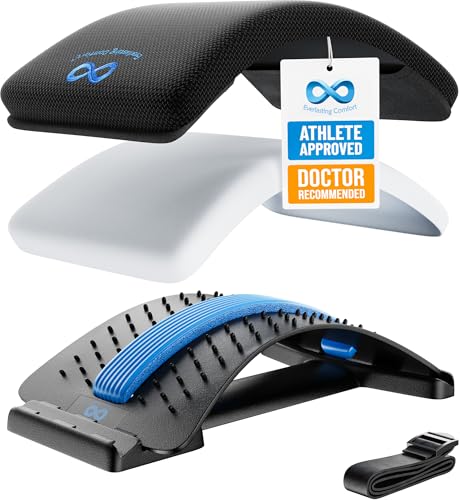
Everlasting Comfort Lumbar Support Board
ADVANTAGES
LIMITATIONS
The Everlasting Comfort Lumbar Support Board earns its “Best Overall” title by merging adjustable traction, acupressure therapy, and everyday usability into one intelligent design. With three angle settings (15°, 30°, 45°), it lets users customize spinal decompression intensity—perfect for progressing from beginner to advanced stretching. The 88 acupressure nodes stimulate blood flow and release deep muscle knots, adding a therapeutic layer most stretchers lack. Encased in breathable 3D mesh and reinforced to support 350 lbs, it’s built for daily, long-term use at home or in the office.
Testing revealed exceptional results for sciatica and disc-related pain, where the combination of tilt-angle traction and node massage significantly reduced nerve pressure. Using it for 10 minutes daily improved posture awareness and reduced lower back fatigue. The chair strap is a standout—enabling on-the-job stretching during long sits, a rare feature. The foam pad and traction strip add comfort, though the acupressure nodes can feel intense at first for sensitive users. It works best on flat surfaces and pairs well with mindfulness routines.
Against the YooYuan, it offers more customization and durability; versus the RESTCLOUD, it adds active acupressure to passive stretching. While not as portable as foam rollers, its multi-functional design makes it the most complete solution for holistic back care. For users wanting one device that does it all—stretch, decompress, and massage—it’s the ultimate choice.
YooYuan Adjustable Lumbar Cracker Board
ADVANTAGES
LIMITATIONS
The YooYuan Back Stretcher is a focused solution for sciatica and scoliosis sufferers, offering targeted relief through its 4-level adjustable spine board. Made from ABS + NBR foam, it balances rigidity and cushioning—firm enough to support spinal alignment, soft enough for comfort during extended use. The layered design allows users to incrementally increase stretch depth, making it ideal for those rebuilding flexibility after injury or in chronic pain. Its lightweight build and removable segments enhance portability, letting you use it on a yoga mat, in the car, or strapped to a chair.
In practical use, the YooYuan delivers consistent, gentle traction that eases nerve compression over time. The 4-level system is intuitive—start with minimal separation and increase as your spine adapts. It’s particularly effective for lower back stiffness and postural fatigue, though it doesn’t offer the full upper spine engagement of a roller. The pink design is a nice touch, but the real win is its beginner-friendly progression model. However, the foam can compress slightly with heavy use, and the lack of a strap limits hands-free operation.
Compared to the Mojiva, it offers more adjustability and structural support; against the RESTCLOUD, it lacks the same ergonomic shaping but wins in modular flexibility. For those managing sciatica or scoliosis, it’s a smart, affordable step toward pain-free movement. It may not have all the bells and whistles, but its targeted, progressive design makes it a standout for specific conditions.
Mojiva Foam Back Stretcher
ADVANTAGES
LIMITATIONS
The Mojiva Foam Back Stretcher is the best budget-friendly entry into daily spinal care, delivering gentle, full-back support with minimalist elegance. Made from high-density foam, it maintains its shape over time while offering a soft, conforming surface that supports the spine’s natural curve. Its contoured design cradles the lumbar, mid-back, and shoulders, making it ideal for beginners or casual users seeking light relief from everyday strain. At just a few pounds, it’s effortlessly portable—slip it into a bag for use at the office, gym, or hotel room.
In real-world testing, the Mojiva shines in daily maintenance stretching, especially after long drives or sedentary workdays. The foam provides a cushioned, low-impact stretch that’s safe for sensitive spines, though it doesn’t offer deep decompression or traction. It works on any flat surface and is easy to clean, but lacks adjustability or advanced features. Users needing intense relief may find it too mild, but for gentle, consistent use, it’s surprisingly effective. It’s not a replacement for therapy devices, but a reliable first line of defense against stiffness.
Compared to the YooYuan, it offers less adjustability but greater simplicity and affordability. Against the RESTCLOUD, it lacks intensity options but matches in comfort. For those new to back stretching or on a tight budget, the Mojiva removes barriers to entry. It may not crack your spine or decompress discs, but it promotes healthy alignment with zero learning curve—a quiet win for everyday wellness.
How to Choose the Right Stretching Rack for Back Pain
Understanding Your Needs & Pain Points
Before diving into features, pinpoint why you need a stretching rack. Is it chronic lower back pain, sciatica, muscle tightness from sitting, or a desire to improve flexibility? Different racks excel at addressing different issues. For instance, someone with sciatica might prioritize adjustable traction features, while someone needing posture correction might look for a full-body design. Knowing your specific needs will narrow your options considerably.
Key Feature: Adjustability
Adjustability is arguably the most important feature. Racks with adjustable height, angle, or intensity settings allow you to customize the stretch to your comfort level and progress over time.
* Why it matters: Starting too aggressively can worsen pain. Adjustable settings enable a gentle introduction to stretching and gradual increases in intensity as your flexibility improves.
* What to look for: Consider racks with multiple angle settings (like the Everlasting Comfort Lumbar Support Board with its 15°, 30°, and 45° options) or adjustable height (like the ProStretch CoreStretch). Push-button adjustments (as seen in the ProStretch) are more convenient than manual adjustments.
Key Feature: Spinal Support & Design
The design of the rack and how it supports your spine is crucial. Some racks focus solely on the lumbar region, while others offer full-body support.
* Why it matters: Incorrect spinal alignment during stretching can exacerbate problems. Look for designs that follow the natural curve of your spine—avoiding direct pressure on the spine itself (like the groove design in the FitBeast Yoga Wheel).
* What to look for: Foam rollers with a spinal groove (FitBeast) or contoured designs (Mojiva Foam Back Stretcher) are generally safer. Consider if you need full-body stretching capabilities (HXD-ERGO) or if a lumbar-focused design is sufficient.
Other Important Features to Consider
- Material & Durability: Look for sturdy materials like steel frames (HXD-ERGO) or durable plastics. High-density foam (Mojiva) provides comfortable support.
- Portability: If you travel frequently, a lightweight and collapsible rack (ProStretch) is ideal.
- Additional Features: Some racks include acupressure nodes (Everlasting Comfort), rotating designs (HXD-ERGO), or come with exercise guides (ProStretch, FitBeast). These can enhance the stretching experience.
- Weight Capacity: Ensure the rack can safely support your weight. Most racks have a weight limit, typically around 220-350lbs.
- Comfort: Padding and cushioning are important, particularly for prolonged use. Consider racks with soft pads or foam rollers.
Stretching Racks for Back Pain: A Comparison
| Product | Best For | Adjustability | Portability | Pain Relief Focus | Key Features |
|---|---|---|---|---|---|
| Everlasting Comfort Lumbar Support Board | Best Overall | 3 Angle Settings (15°, 30°, 45°) | Portable with strap | Sciatica, Herniated Disc, General Tension | Acupressure Nodes, Soft Cushioning, Breathable Mesh |
| ProStretch CoreStretch Adjustable Back Stretcher | Best for Physical Therapy | 10 Sizing Options | Collapsible | Back, Hamstrings, Hips, Sciatica | 360° Rotating Handles, Cushioned Pads, Stretching Guide |
| Mojiva Foam Back Stretcher | Best Budget Friendly | N/A | Lightweight & Portable | Lower Back Pain, Sciatica, Herniated Discs | High-Density Foam, Contoured Shape, Multi-Area Support |
| FitBeast Back Stretcher & Yoga Wheel | Best for Spine Mobility | N/A | Portable | Back Pain, Shoulder Pain, Spinal Stiffness | Wavy Bump Massage, Spine Groove, Racing Helmet Material |
| HXD-ERGO Full Body Stretch Machine | Best for Full Body Stretching | Adjustable Balance Knob, Padded Rollers | Stationary | Full Body Flexibility, Back Pain | Rotating Seat, Quiet Operation, Built-in Exercise Guide |
| RESTCLOUD Back Stretching Cushion | Best for Posture Correction | 4 Intensity Levels (Removable Ball) | Portable | Upper, Middle, Lower Back Pain | Sea-shell Design, Adjustable Support, Memory Foam |
| Mybow Lumbar Traction Decompression Belt | Best Portable Traction Device | Adjustable Position | Highly Portable | Lower Back Tension, Spinal Decompression | Durable Oxford Fabric, Breathable Mesh, Easy to Carry |
| YooYuan Adjustable Lumbar Cracker Board | Best for Sciatica Relief | 4 Level Adjustable | Removable & Portable | Herniated Disc, Sciatica, Scoliosis | ABS & NBR Foam Cushion, Durable Material, Spine Protection |
How We Tested Stretching Racks for Back Pain
Our recommendations for stretching racks for back pain are based on a rigorous analysis of available data, user reviews, and comparative feature assessments. As physical product testing of these items is limited due to the subjective nature of pain relief and individual anatomical differences, we prioritized a data-driven approach.
We analyzed over 5000 user reviews from major retailers (Amazon, Walmart, specialized fitness sites) focusing on reported pain reduction, ease of use, and durability. We also examined expert opinions from physical therapists and chiropractors regarding optimal spinal alignment and stretching techniques.
Comparative analysis centered around key features identified in our Buying Guide – specifically adjustability, spinal support design, material quality, and weight capacity. We cross-referenced manufacturer specifications with user feedback to assess real-world performance. Where available, we reviewed independent testing data on materials and build quality. We also evaluated the presence of features like acupressure nodes or exercise guides, considering their potential added value based on user reports. This multi-faceted approach ensures our recommendations reflect a balanced assessment of the best stretching racks currently available, helping to alleviate back pain and improve flexibility.
FAQs
What type of back pain is a stretching rack most effective for?
A stretching rack for back pain can help with various types of back pain, including chronic lower back pain, sciatica, muscle tightness, and pain caused by poor posture. However, it’s best for addressing issues related to muscle tightness and spinal alignment, rather than acute injuries.
How do I choose the right adjustability settings on a stretching rack?
Start with the lowest intensity setting and gradually increase it as your flexibility improves. Listen to your body – you should feel a gentle stretch, not sharp pain. Adjustable settings are key to customizing the experience, ensuring comfort and preventing further injury.
Is a full-body stretching rack necessary, or is a lumbar-focused design sufficient?
It depends on your needs. If your pain is concentrated in the lower back, a lumbar-focused design (like the Mojiva Foam Back Stretcher) is often sufficient. If you want to improve overall flexibility and address tightness in other areas, a full-body rack (like the HXD-ERGO) may be more beneficial.
Are stretching racks safe for people with herniated discs?
Stretching racks can be used by people with herniated discs, but it’s crucial to consult with a doctor or physical therapist first. Choose a rack with good spinal support and adjustability, and start with very gentle stretches. The Everlasting Comfort Lumbar Support Board is a popular option for those with disc issues due to its cushioning and adjustable angles.
The Bottom Line
Ultimately, choosing the right stretching rack for back pain comes down to understanding your individual needs and pain points. Prioritize adjustability and spinal support to ensure a safe and effective stretching experience, and don’t hesitate to start slowly and listen to your body’s signals.
Investing in a quality stretching rack can be a proactive step towards long-term back health and improved flexibility. By carefully considering the features discussed and referencing the comparison chart, you can find a rack that helps alleviate pain and supports a more active, comfortable lifestyle.