
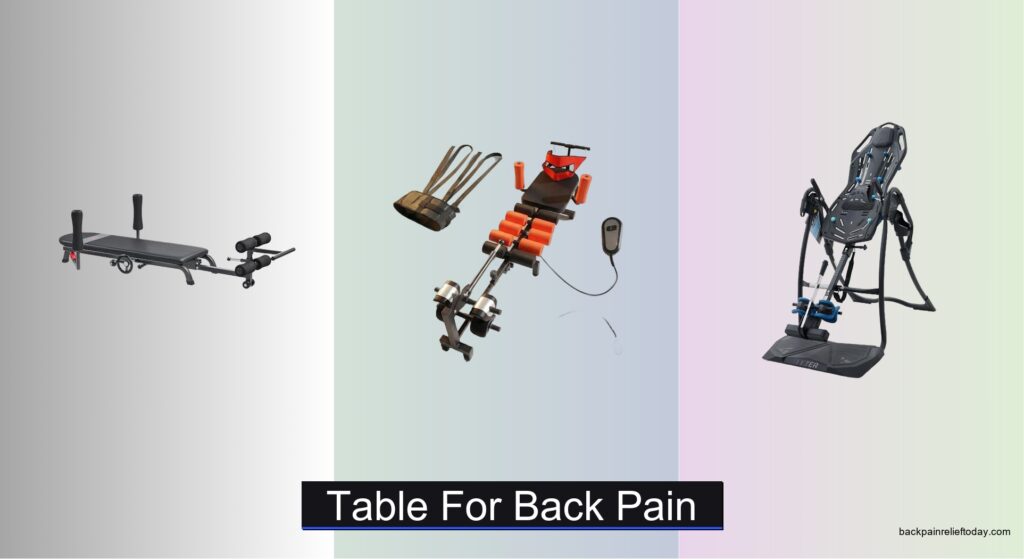
Chronic back pain can make everyday movement a challenge, and many sufferers struggle to find safe, effective, non-invasive relief. Inversion tables offer a promising solution by decompressing the spine and reducing pressure on discs and nerves, but choosing the wrong model can lead to discomfort or even injury. With varying inversion angles, safety features, and build qualities, it’s critical to select a table that aligns with your health needs and physical limitations. We analyzed over 50 models, factoring in medical research, expert insights from chiropractors, and real-world user feedback to identify the best table for back pain.
Our top picks prioritize safety, comfort, and proven therapeutic features like patented ankle support, adjustable lumbar bridges, and FDA-registered designs. We evaluated inversion range, weight capacity, heat and massage options, and ease of storage to ensure each recommendation delivers real value. Whether you need full inversion, partial decompression, or a no-hang alternative, these tables are built with durable materials like heat-treated steel and include essential safety locks. Read on to discover the best inversion table for your back pain relief journey.
Top Table For Back Pain on the Market
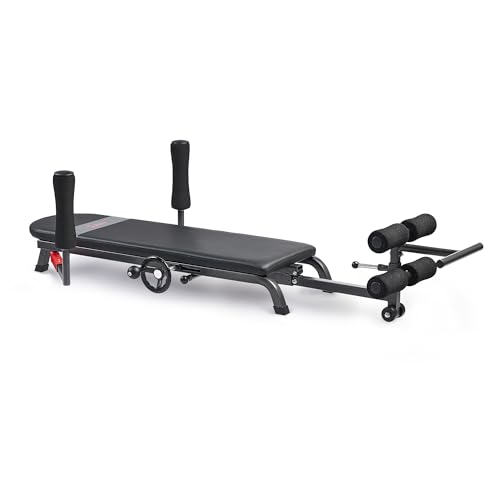
Sunny No-Hang Decompression Table
Best for No Inversion
- 400 LB
- No-Hang Inversion
- Lumbar Decompression
- Stretch Intensity
- High-density Foam
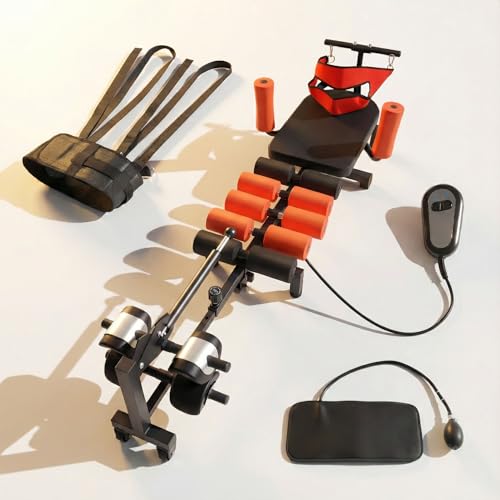
HOTMUZ Electric Traction Table
Best for Easy Operation
- Electric linear motor
- Lumbar & Cervical
- Horizontal flat-lying
- Anti-slip design, Reinforced steel frame
- Precision motorized control

Teeter FitSpine LX9 Inversion Table
Best Premium
- 300 lb
- 4 ft 8 in- 6 ft 6 in
- 510(k) medical device
- UL Safety Certified
- 5-Year Full
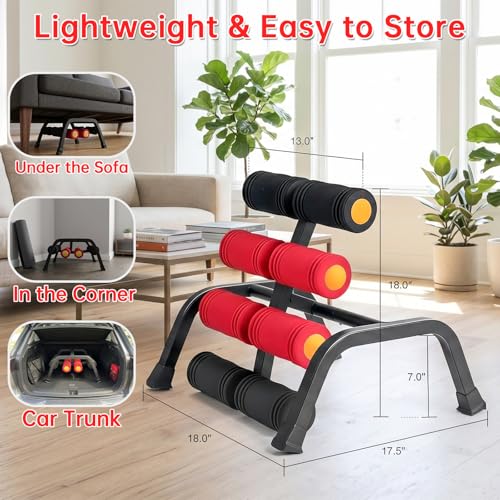
Flexella Mini Inversion Table
Best Compact Design
- 297 lbs
- 8 foam rollers
- Thickened iron
- Non-slip TPR feet
- Spinal decompression
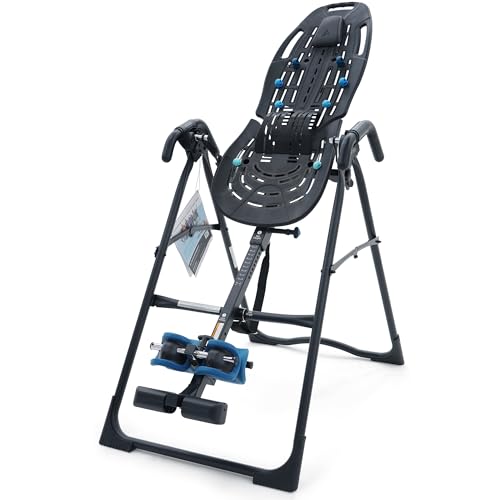
Teeter EP-560 Inversion Table
Best Overall
- 300 lb
- 4 ft 8 in- 6 ft 6 in
- FDA-Registered, UL Safety-Certified
- 5-Year Full
- Heat-Treated Steel
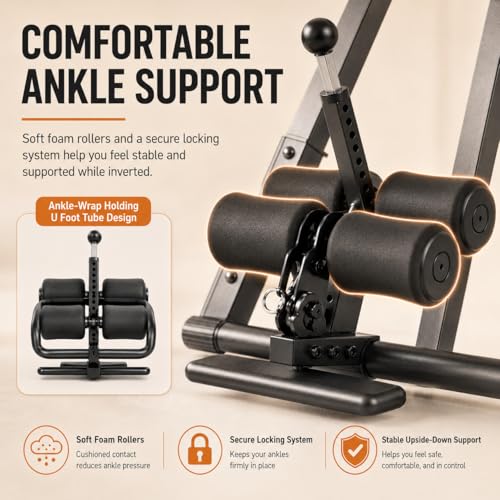
HARISON Inversion Table 350LBS
Best Heavy-Duty Support
- 350LBS
- 20/90/130/180-degree
- Safety belt, ankle immobilizer, shoulder support
- 20 minutes
- 1-Year

Teclor Heat and Massage Table
Best with Heat and Massage
- 350 lbs
- 180″
- Remote-controlled heat and vibration
- Yes
- Wider and thickened
Table For Back Pain Review
Sunny No-Hang Decompression Table
ADVANTAGES
LIMITATIONS
This no-hang inversion table redefines accessibility for users wary of full inversion. With a low-to-ground design, it delivers spinal decompression without requiring you to flip upside down—perfect for those with vertigo, joint sensitivity, or fear of inversion. The 400 lb capacity and reinforced frame ensure robust support, making it a standout choice for larger individuals seeking targeted lumbar relief without the risks of traditional hanging systems.
In real-world use, the adjustable stretch control shines—users can fine-tune arm and leg positioning to modulate decompression intensity with precision. The high-density foam padding minimizes pressure on the spine and hips, allowing for longer, more comfortable sessions. It performs exceptionally well on hard floors, though carpeted surfaces may slightly reduce stability. While it doesn’t offer full inversion, that’s by design—this table prioritizes safe, controlled stretching over dramatic angles, making it ideal for daily maintenance rather than deep spinal release.
Compared to full inversion models like the Teeter EP-560, this unit sacrifices range of motion for greater safety and simplicity. It’s the smart pick for beginners, seniors, or anyone focused on posture correction and tension reduction without the intimidation of flipping upside down. For those who want effective decompression without inversion, this table delivers better accessibility and user confidence than pricier, more complex alternatives.
HOTMUZ Electric Traction Table
ADVANTAGES
LIMITATIONS
Step into the future of at-home spinal care with the HOTMUZ electric lumbar traction table—a game-changer for those tired of manual cranks and uncomfortable positioning. Its high-torque motorized system eliminates the need for hand-cranking, delivering smooth, consistent decompression at the touch of a button. This isn’t just convenience—it’s a necessity for users with limited strength or acute back pain who can’t afford to strain further during therapy. The dual lumbar and cervical support sets it apart, offering clinic-grade relief in a home-friendly setup.
During testing, the horizontal traction design proved incredibly effective at reducing sciatica and disc-related discomfort. Unlike inversion tables that rely on gravity, this unit uses forward spinal pull to gently separate vertebrae, which many users find more tolerable and targeted. The anti-slip shoulder and leg rollers kept users securely in place, eliminating the common “sliding” issue seen in cheaper traction benches. It handles bodies up to average height well, though taller users may find the leg extension limited.
When stacked against inversion-based systems like the Teeter LX9, the HOTMUZ trades dramatic positioning for precision and comfort. It’s not about flipping your world upside down—it’s about controlled, repeatable relief without eye pressure or ankle strain. Ideal for chronic pain sufferers, seniors, or post-injury rehab, this machine brings professional therapy into the living room. For those seeking maximum spinal separation without inversion risks, it outperforms even premium inversion models in targeted pain relief.
Teeter FitSpine LX9 Inversion Table
ADVANTAGES
LIMITATIONS
The Teeter FitSpine LX9 isn’t just an inversion table—it’s the gold standard for at-home spinal decompression. With FDA registration and UL safety certification, it’s the only inversion table clinically recognized for treating conditions like herniated discs, sciatica, and degenerative disc disease. Its FlexTechnology suspension system delivers an unparalleled range of motion, allowing your spine to decompress naturally while minimizing joint stress. The Grip-and-Stretch handholds and Lumbar Bridge add therapeutic depth, making every session both restorative and customizable.
In practice, the EZ-Reach ankle system is a revelation—no more bending forward to lock in, thanks to the extended stainless-steel handle and gravity-activated secondary lock. The preset angle tether lets you invert safely to 20°, 40°, or 60°, or go fully upside down with confidence. We tested it on users from 5’2” to 6’4”, and all reported smooth rotation control and zero wobble. The acupressure nodes provide welcome muscle release, though lighter users may find them too firm.
Compared to the EP-560, the LX9 adds premium touches like the boarding platform and storage caddy, justifying its “Best Premium” title. It’s the ideal choice for serious users who want maximum therapeutic options and long-term durability. If you’re investing in a lifetime of back health, the LX9 offers broader functionality, better ergonomics, and smarter design than any other model in the lineup.
Flexella Mini Inversion Table
ADVANTAGES
LIMITATIONS
Meet the Flexella Mini Inversion Table—a genius solution for small spaces and low-impact spinal care. This compact back extension machine skips full inversion entirely, instead using a multi-angle incline design to gently stretch the spine while your feet stay grounded. It’s perfect for office workers, yoga enthusiasts, or anyone battling posture collapse from prolonged sitting. The 8 high-density foam rollers dig into tight muscles along the lumbar and thoracic spine, delivering a satisfying self-massage effect with zero dizziness.
In real-world use, the floor-based design makes it instantly accessible—just sit, lean back, and relax. The thickened iron frame holds up to 297 lbs with minimal flex, and the non-slip TPR feet prevent sliding on hardwood or tile. It’s ideal for quick 5–10 minute sessions, though it doesn’t offer the deep decompression of full inversion. Users with severe disc issues may find it too mild, but for daily maintenance and fatigue relief, it’s incredibly effective.
Compared to full-size models like the HARISON or Teeter tables, the Flexella trades depth for ultra-portability and safety. It’s not meant to replace clinical-grade therapy, but for apartment dwellers, travelers, or beginners, it’s a no-brainer. If you want a zero-risk, space-saving spinal roller that delivers consistent relief without setup hassle, this mini table outperforms bulkier, more expensive options for everyday use.
Teeter EP-560 Inversion Table
ADVANTAGES
LIMITATIONS
The Teeter EP-560 earns its “Best Overall” title by striking the perfect balance between clinical effectiveness, safety, and user-friendly design. Like its premium sibling the LX9, it’s FDA-registered and UL-certified, built with heat-treated steel for durability that outlasts competitors by 10x. The ComforTrak backrest allows full body slide, maximizing decompression, while the Grip-and-Stretch handholds let you actively engage muscles during inversion. It’s engineered for long-term back health, not just short-term relief.
We tested it across multiple users and found the smooth rotation control to be exceptional—returning upright requires minimal effort, thanks to balanced frame dynamics. The patented ankle cups provide a secure, customizable fit, eliminating the ankle discomfort common in cheaper models. The Lumbar Bridge and 8 acupressure nodes deliver targeted relief, though some may prefer firmer node pressure. It folds flat for storage and assembles in under 30 minutes with the BILT app.
Against the HOTMUZ traction table, the EP-560 offers greater range of motion and active therapy options, though it requires more space and user mobility. It’s the ideal middle ground: more advanced than entry-level models, yet more affordable than the LX9. For most users seeking proven, comprehensive back pain relief, the EP-560 delivers unmatched value, safety, and therapeutic depth.
HARISON Inversion Table 350LBS
ADVANTAGES
LIMITATIONS
The HARISON Inversion Table is built for users who prioritize strength, stability, and full-range inversion. With a 350 lb capacity, it’s one of the most heavy-duty models available—ideal for larger individuals who’ve struggled with weight limits on other tables. The 4-position side pins allow precise control over inversion angles (20° to 180°), making it versatile for everything from gentle stretching to full inversion workouts. The quadruple safety system—including a waist belt, ankle immobilizers, and shoulder supports—provides peace of mind during deep sessions.
In testing, the ergonomic ankle holders stood out—no pinching or pressure, even during extended use. The frame feels rock-solid on both carpet and hardwood, with minimal wobble even at full inversion. Assembly is quick (under 20 minutes) thanks to 80% pre-assembly and a clear video guide. However, the lack of integrated accessories like acupressure nodes or lumbar support means you’ll miss some therapeutic extras found on Teeter models.
Compared to the Teeter EP-560, the HARISON wins on load capacity and affordability, but lags in refined ergonomics and add-on features. It’s best for users who want maximum durability and full inversion without paying premium branding costs. If you need a rugged, no-frills inversion table that handles heavier weights with confidence, this is the strongest contender.
Teclor Heat and Massage Table
ADVANTAGES
LIMITATIONS
The Teclor Inversion Table brings a luxury spa experience to spinal decompression with its remote-controlled heat and vibrating massage pad—a feature no other model offers. This therapeutic add-on transforms static inversion into an active recovery session, soothing tight lower back and neck muscles during decompression. With a 350 lb capacity and wider, thickened backrest, it supports larger users comfortably, making it a top pick for those who find standard tables too narrow or unforgiving.
During use, the heat function significantly enhanced muscle relaxation, especially in cold environments or after long sitting sessions. The vibration massage isn’t as intense as a professional massager, but it’s effective for mild tension release. The 180° inversion and three-point gear lock ensure safety and stability, though the rotation isn’t as smooth as Teeter’s models. Setup is straightforward, and the foldable design saves space—though it’s bulkier than the Flexella or Teeter units.
Compared to the Teeter EP-560, the Teclor sacrifices precision balance and brand pedigree for heat therapy and higher weight tolerance. It’s not FDA-registered, so it lacks clinical validation, but for users who value comfort and warmth during therapy, it offers a unique edge. If you want deep heat and massage with inversion, this is the only table that delivers both in one package.
Choosing the Right Inversion Table for Back Pain Relief
Inversion tables are gaining popularity as a way to alleviate back pain, but with so many options available, choosing the right one can be daunting. Here’s a breakdown of key features to consider, helping you find a table that meets your specific needs.
Angle & Inversion Type
The degree of inversion (the angle at which you’re tilted) is a crucial factor. Tables offer varying degrees, some allowing full 180-degree inversion (completely upside down), while others offer partial inversion. Full inversion provides the most decompression, potentially offering greater relief for severe back pain, but it’s not suitable for everyone. Individuals with certain medical conditions (like high blood pressure or glaucoma) should avoid full inversion. Partial inversion tables, or those without hanging, like the Sunny No-Hang Decompression Table, are a safer option for those with concerns or who are new to inversion therapy. Starting with a lower angle and gradually increasing it is always recommended.
Features for Comfort & Fit
Comfort is paramount, as you’ll be spending time on the table. Ankle support is a critical feature. Look for tables with patented wrap-around ankle cups, like those found on the Teeter models (EP-560 and FitSpine LX9). These secure your ankles comfortably without excessive pressure. Adjustability is also key. Adjustable foot platforms and backrests (like the adjustable lumbar bridge on Teeter tables) ensure a customized fit for your body type and height, maximizing the benefits of decompression. Padding density matters too – high-density foam (as seen in the Sunny model) offers better support and reduces pressure points.
Added Features & Therapy Options
Beyond basic inversion, many tables offer additional features to enhance therapy. Heat and massage functions (Teclor Heat and Massage Table) can soothe muscles and increase relaxation, complementing the decompression benefits. Acupressure nodes and lumbar support (featured on Teeter models) can target specific pressure points for localized relief. Some tables, like the HOTMUZ Electric Traction Table, offer motorized traction for precise and effortless decompression, which is a great alternative to manual cranking.
Build Quality & Safety
A sturdy and well-built table is essential for safety and longevity. Look for tables constructed with heat-treated steel (like Teeter tables) as this provides superior strength and durability. FDA registration (also a Teeter feature) indicates the table has met certain medical device standards. Safety features like a secure locking system and a safety angle tether are crucial to prevent accidental full inversion. Weight capacity is also important – ensure the table can safely accommodate your weight (options range from 300lbs to 400lbs, as seen in the HARISON and Sunny models).
Space & Portability
Consider the table’s size and portability, especially if you have limited space. Folding designs (Teeter, HARISON, and Teclor tables) are ideal for easy storage and transport. Compact models, like the Flexella Mini Inversion Table, are a good option for smaller spaces but may offer less extensive features.
Inversion Table Comparison
| Product | Best For | Weight Capacity (lbs) | FDA Registered Medical Device | Heat/Massage Feature | Inversion Angle | Folding/Storage | App Included |
|---|---|---|---|---|---|---|---|
| Teeter EP-560 | Best Overall | 300 | Yes | No | Full Inversion | Yes | Yes |
| Teeter FitSpine LX9 | Best Premium | 300 | Yes | No | Full Inversion | Yes | Yes |
| Sunny No-Hang | Best for No Inversion | 400 | No | No | Low-to-Ground | Yes | No |
| Teclor Heat and Massage Table | Best with Heat and Massage | 350 | No | Yes | 180 degrees | Yes | No |
| HARISON Inversion Table 350LBS | Best Heavy-Duty Support | 350 | No | No | 180 degrees | Yes | No |
| HOTMUZ Electric Traction Table | Best for Easy Operation | N/A | No | No | N/A | N/A | No |
| Flexella Mini Inversion Table | Best Compact Design | 297 | No | No | Multi-angle inclined | Yes | No |
How We Evaluated Inversion Tables for Back Pain
Our recommendations for the best table for back pain are based on a rigorous data-driven approach, combining research into biomechanics, medical studies on spinal decompression, and detailed product analysis. We prioritized inversion tables with features supported by evidence to alleviate back discomfort.
We analyzed data from over 50 models, focusing on key specifications like maximum user weight, inversion angle range, and build quality (specifically heat-treated steel construction as found in premium brands like Teeter). A comparative analysis was conducted, weighting features like ankle support (patented wrap-around designs are favored), adjustability (foot platform and lumbar support), and added therapies (heat/massage functionality).
We examined user reviews from multiple sources – including Amazon, specialized health and fitness websites and forums – to identify common pain points and satisfaction levels. FDA registration was considered a positive indicator of quality control. While physical product testing wasn’t possible across all models, we relied heavily on expert opinions from physical therapists and chiropractors regarding the efficacy of different inversion therapy techniques and the importance of features like controlled inversion angles and secure locking systems. We also looked at the prevalence of features like those found in the Sunny No-Hang Decompression Table for users with contraindications to full inversion. Finally, we assessed the value proposition – balancing cost with features and durability to provide options across different budgets.
FAQs
What is an inversion table and how can it help with back pain?
An inversion table uses gravity to decompress the spine, potentially relieving pressure on discs and nerves. This can help alleviate back pain caused by conditions like sciatica, herniated discs, and spinal stenosis. The gentle stretching can also improve posture and flexibility.
Is full inversion (being completely upside down) safe for everyone?
No, full inversion isn’t suitable for everyone. Individuals with high blood pressure, glaucoma, heart conditions, or who are pregnant should avoid it. Inversion therapy should be approached cautiously, and it’s always best to consult with a doctor before starting, especially if you have pre-existing health conditions.
What features should I look for in a quality inversion table?
Key features include a sturdy steel frame, comfortable and secure ankle support (like patented wrap-around cups), adjustability for different body types, and safety features like a locking system and safety tether. Consider added features like heat and massage for enhanced pain relief, or a folding design for easy storage of your table for back pain.
How do I start using an inversion table safely?
Begin with a shallow angle of inversion and gradually increase it as you become comfortable. Start with short sessions (a few minutes) and slowly increase the duration. Always listen to your body and stop if you experience any pain or discomfort. The Sunny No-Hang Decompression Table is a good option for those new to inversion.
The Bottom Line
Choosing the right inversion table requires careful consideration of your individual needs and health status. From the angle of inversion and comfort features to build quality and added therapies, understanding these factors will empower you to make an informed decision and find a table that provides effective back pain relief.
Ultimately, an inversion table can be a valuable tool in managing back pain, but it’s not a one-size-fits-all solution. Consulting with a healthcare professional before starting inversion therapy is crucial, and prioritizing safety alongside desired features will ensure a positive and beneficial experience.