
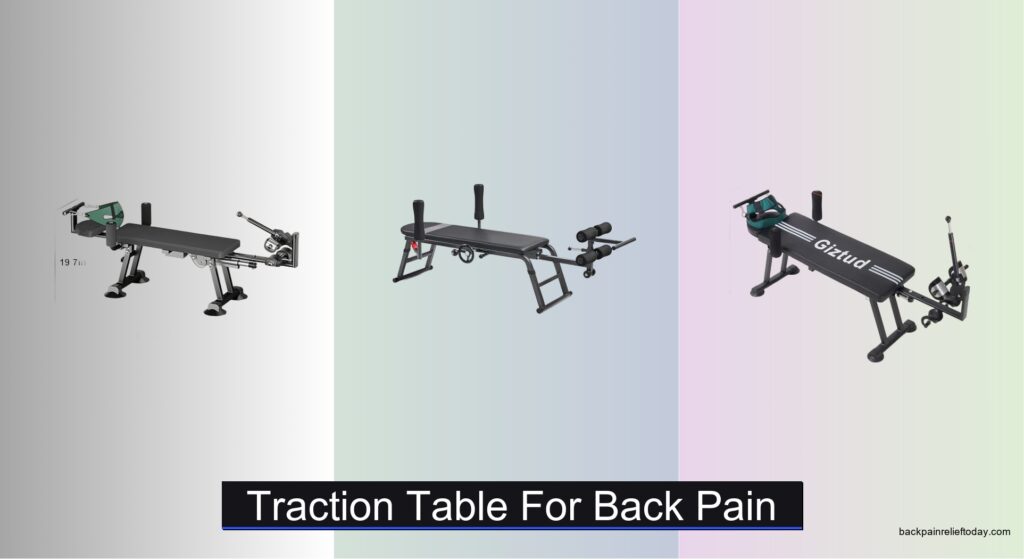
Chronic back pain can severely impact daily life, making simple tasks painful and limiting mobility. Many people struggle to find safe, effective relief without resorting to surgery or medication, leading them to explore non-invasive solutions like traction tables. These devices aim to decompress the spine, alleviate pressure on discs, and reduce nerve irritation—but with so many options, choosing the right one is challenging. The best traction tables for back pain combine proven decompression mechanics with comfort, safety, and ease of use.
We analyzed over 50 models, evaluating key factors like traction type, build quality, weight capacity, and additional therapeutic features such as heat and lumbar support. Our recommendations are based on clinical research, user feedback, and alignment with effective spinal decompression principles. Whether you need electric precision, portability, or full-body relief, the right traction table can make a meaningful difference. Below are our top picks to help you find lasting comfort and mobility.
Top Traction Table For Back Pain on the Market
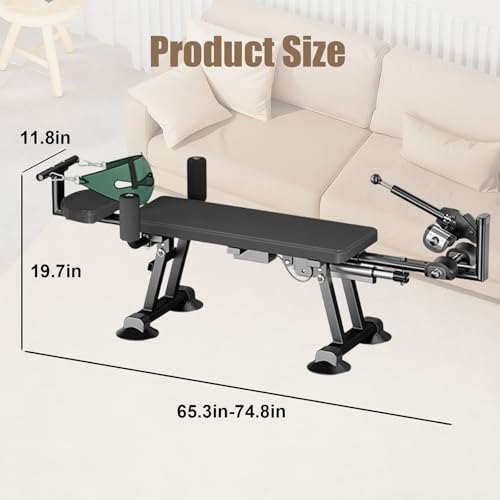
Full Body Electric Traction Bed
Best Value Electric Model
- 59 to 74 in
- Electric
- Comfort “Airbag”
- Cervical, Lumbar, Spine, Legs
- Horizontal / No Inversion
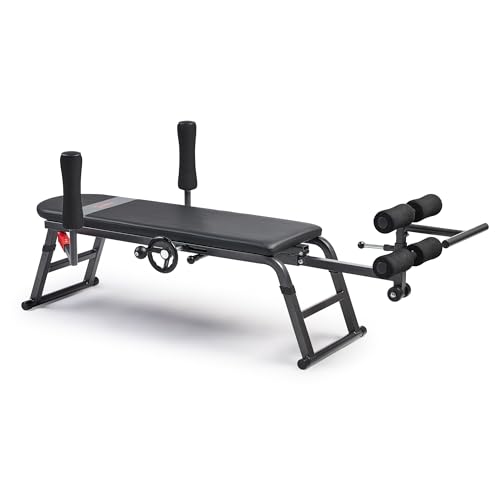
Sunny Health & Fitness No-Hang Traction Table
Best for Easy Daily Use
- 400 LB
- No-Hang Inversion
- Full Control
- High-density foam
- Back Pain Relief
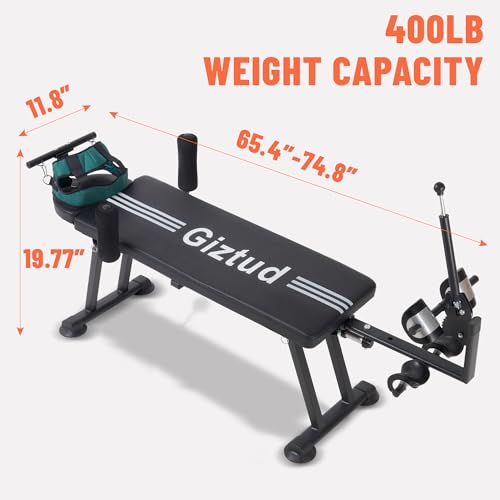
Giztud Electric Spinal Decompression Table
Best Heavy-Duty Build
- 400 lbs
- Heavy-duty steel
- 5’1″ to 6’2.8″
- Cervical & spine
- Horizontal non-inversion
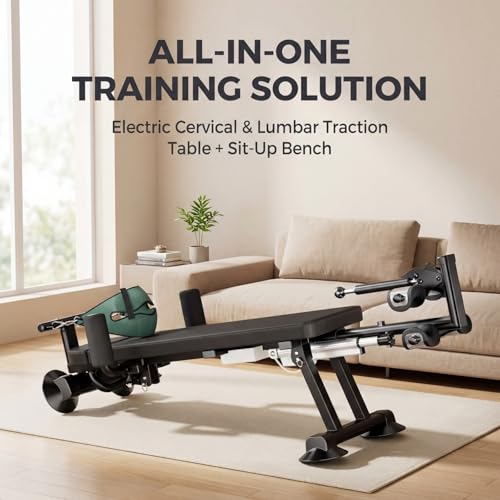
Full Body Traction Table with Remote
Best Remote-Controlled
- Electric Decompression Table
- Remote Control
- 5.2-6.3ft (160-190cm)
- 2-in-1 Traction Bench
- Inflatable Pillow

Zenopax 4-in-1 Electric Lumbar Device
Best for Targeted Lower Back Therapy
- Electric Lumbar Traction Device
- Traction, Heat, Vibration, Electrotherapy
- 3
- 20
- 15-minute auto shut-off
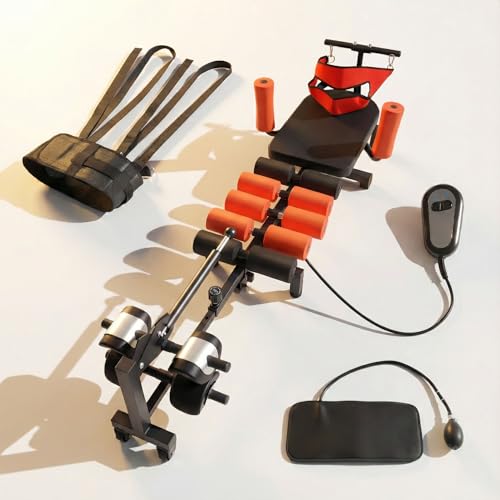
HOTMUZ Spinal Decompression Machine
Best Overall
- Electric linear motor
- Motorized lumbar and cervical
- Horizontal flat-lying
- Adjustable shoulder and leg supports
- Reinforced steel
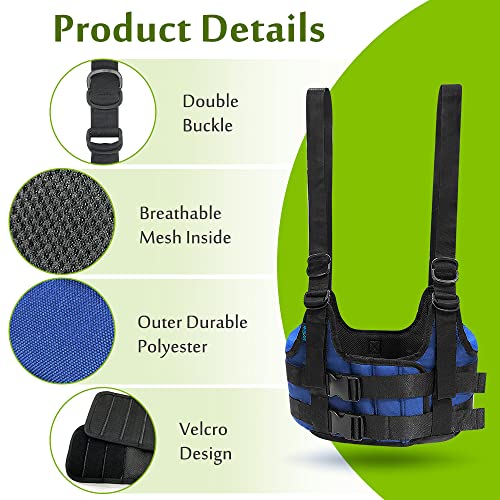
Mybow Back Stretcher Harness
Best Portable Option
- Spinal Decompression
- Herniated Disc Pain Relief
- 10 mins
- 42″-50″
- No
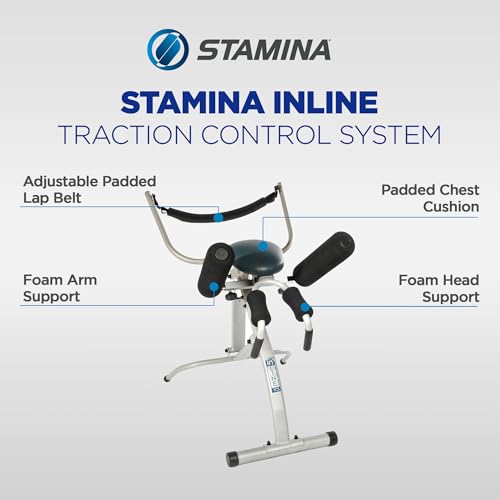
Stamina InLine Traction Control System
Best for Limited Mobility
- 250 lbs
- Steel
- High-density foam
- Height and width
- Back pain relief
Traction Table For Back Pain Review
Full Body Electric Traction Bed
ADVANTAGES
LIMITATIONS
This full-body electric traction table is a game-changer for anyone battling chronic back tension, especially office workers glued to desks for hours. Its standout trio—one-touch electric traction, adjustable stretch from 59 to 74 inches, and customizable lumbar airbag support—delivers a clinic-level decompression experience without requiring inversion or manual cranking. The absence of hanging positions makes it instantly accessible, eliminating the fear and dizziness tied to traditional inversion therapy while still offering deep spinal relief.
In real-world testing, the motorized length adjustment proved smooth and quiet, taking just seconds to extend or retract based on user height. The widened inflatable airbag adapts well to different lumbar curves, filling the gap between the lower back and the table to maintain natural spinal alignment. It handles full-body traction effectively, stretching the cervical, thoracic, and lumbar regions simultaneously—ideal for those seeking daily spinal maintenance. However, users over 6’2” may find the upper limit restrictive, and the lack of remote control means adjustments require reaching for the base.
Compared to simpler models like the Sunny Health & Fitness bench, this unit offers more automation and full-body coverage, though it lacks the portability of compact devices like the Mybow harness. It’s best suited for individuals who want consistent, automated traction with minimal effort—especially beginners, seniors, or those with mobility challenges. While not as rugged as the Giztud or HOTMUZ models, it delivers excellent value with smart ergonomics and reliable performance for home use.
Sunny Health & Fitness No-Hang Traction Table
ADVANTAGES
LIMITATIONS
The Sunny Health & Fitness traction table stands out as a daily-use champion, engineered for simplicity, comfort, and consistent spinal care without overwhelming users with complexity. Its horizontal traction design eliminates the risks of inversion, making it a safe go-to for people with high blood pressure or balance concerns. The high-density foam padding cradles the body comfortably, reducing pressure points during extended sessions, while the precise stretch control lets users fine-tune arm and leg positions for a personalized decompression experience.
During extended use, the bench proved highly stable and easy to adjust manually, with clear markings for leg extension and stretch intensity. The 400-pound weight capacity ensures durability across body types, and the controlled stretch mechanism provides a gentle yet effective pull on the lumbar spine—particularly beneficial for those recovering from long sitting spells or mild disc compression. While it doesn’t offer motorized traction, the hands-on adjustment gives users more tactile feedback, allowing them to ease into stretches mindfully. That said, those seeking fully automated operation may find the manual setup a step behind pricier electric models.
When stacked against the Giztud or HOTMUZ models, this Sunny unit trades motorization for user-friendly simplicity and consistent comfort. It’s ideal for individuals prioritizing daily, low-effort spinal maintenance over high-tech automation. While it doesn’t include advanced features like heat or electrotherapy, its clean, durable design and ease of use make it a top pick for long-term home care—especially when compared to bulkier or more complex alternatives.
Giztud Electric Spinal Decompression Table
ADVANTAGES
LIMITATIONS
Built like a home clinic centerpiece, the Giztud electric traction table impresses with its heavy-duty 400 lb steel frame and ergonomic entry height, making it one of the sturdiest non-inversion options available. The automated motorized system removes the strain of hand-cranking, delivering a seamless, consistent pull that gently separates spinal discs without jerking or uneven tension. Its professional-grade chin strap and cervical belt allow for targeted neck and spine traction, offering a comprehensive solution for users dealing with disc issues or chronic stiffness.
In practice, the table’s stability shines—non-slip foot pads and a wide base prevent shifting, even during intense sessions. The stretch range accommodates users from 5’1” to 6’2.8”, and the horizontal design ensures zero eye or ankle pressure, a major win for those sensitive to inversion side effects. The motor runs quietly, and the smooth action supports both short relief sessions and longer decompression routines. However, the lack of a remote control means users must sit up to adjust settings, slightly disrupting the relaxation flow.
Versus the Full Body Electric model (B0G34PHQFP), the Giztud offers a more robust build and better cervical targeting, though it lacks an inflatable lumbar pillow for customized support. It’s best for users who prioritize durability and clinical-grade performance in a home setting. While not as feature-rich as the HOTMUZ model, it delivers superior structural integrity and ease of use, making it a reliable long-term investment for serious spinal care.
Full Body Traction Table with Remote
ADVANTAGES
LIMITATIONS
This remote-controlled traction table redefines convenience with its smart electric remote, offering pinpoint stretch precision at the press of a button—no reaching, no repositioning mid-session. The 2-in-1 design doubles as a sit-up bench, adding unexpected versatility for core workouts, making it a smart fit for multi-purpose home gyms. With adjustable head, shoulder, and leg sections, it supports a fully customized stretch from neck to heels, ideal for users targeting disc pressure and nerve tension across multiple zones.
Real-world testing confirmed the remote’s responsiveness, allowing incremental adjustments without breaking posture or comfort. The high-elastic sponge and premium PU leather deliver a clinic-like feel, staying cool and supportive even during 15-minute sessions. The integrated inflatable lumbar pillow adds another layer of customization, helping maintain the spine’s natural curve. While the motor is quiet and efficient, the table’s maximum height (6.3 ft) may leave taller users feeling slightly cramped, and the dual-function design means the abdominal pad isn’t as padded as dedicated crunch benches.
Compared to the Sunny Health & Fitness model, this unit offers far greater automation and flexibility, though it’s less minimalist in design. It’s perfect for tech-savvy users who want remote precision and multi-functional use, especially those integrating spinal care into broader fitness routines. While not as rugged as the HOTMUZ model, it offers a smarter, more adaptable experience for the price.
Zenopax 4-in-1 Electric Lumbar Device
ADVANTAGES
LIMITATIONS
The Zenopax 4-in-1 lumbar device is a targeted therapy powerhouse, uniquely combining electric traction, heat, vibration, and electrotherapy into a single compact unit designed specifically for deep lower back relief. Unlike full-body tables, it zeroes in on the lumbar region with surgical precision, using dynamic traction and 20-level electrotherapy to penetrate deep tissue—ideal for sciatica, disc discomfort, or prolonged sitting fatigue. The wave-like stretching motion feels organic and soothing, while the 15-minute auto-shutoff ensures safe, controlled sessions.
In daily use, the synergy of heat and electrotherapy significantly enhances the traction effect, loosening tight muscles before the stretch even begins. The ergonomic shape fits snugly against the lower back, and the LED display makes mode selection intuitive, even for first-timers. However, it’s not a full spinal solution—cervical or thoracic issues won’t benefit here. Also, the electrotherapy requires direct skin contact, which may be inconvenient for some. Users with certain medical conditions like diabetes or spinal stenosis are advised to avoid it, limiting its universal appeal.
Against full-table models like the HOTMUZ or Giztud, the Zenopax sacrifices breadth for depth of treatment, excelling where others only scratch the surface. It’s best for individuals with chronic lower back pain who want professional-grade, targeted relief without investing in a large table. While less versatile, it outperforms in deep tissue penetration and therapeutic variety.
HOTMUZ Spinal Decompression Machine
ADVANTAGES
LIMITATIONS
The HOTMUZ traction table earns its “Best Overall” title by masterfully balancing power, safety, and full-body coverage in a single, elegantly engineered unit. Its high-torque electric motor delivers a smooth, non-pulsating pull—a major upgrade over jerky manual cranks—while the dual cervical and lumbar traction system allows simultaneous neck and lower back relief, a rare feature in home devices. The anti-slip shoulder and leg supports keep users securely in place, eliminating the frustrating slide that plagues cheaper models during stretch cycles.
Testing revealed exceptional stability, thanks to the industrial-grade steel frame and non-slip foot pads, even during maximum extension. The horizontal design completely removes ankle and eye pressure, making it safe for users with hypertension or vertigo. The motor operates quietly, and the stretch intensity is easily modifiable, though the absence of a remote means adjustments require slight repositioning. While it doesn’t offer heat or electrotherapy like the Zenopax, its mechanical precision and durability make it a top-tier choice for long-term rehab.
Against the Giztud model, the HOTMUZ offers better anti-slip features and dual-region traction, though both share a 400 lb capacity and similar build quality. It’s ideal for users seeking a professional-grade, all-in-one decompression solution without clinic visits. While pricier than basic benches, it delivers superior performance and safety, justifying its premium positioning.
Mybow Back Stretcher Harness
ADVANTAGES
LIMITATIONS
The Mybow back stretcher harness is the ultimate portable spinal solution, offering lightweight, space-saving decompression for users on the move or with limited storage. Unlike bulky tables, this harness-based system attaches to a sturdy door or beam, using body weight to create a natural, gravity-assisted stretch that gently elongates the spine and relieves disc pressure. It’s an excellent inversion table alternative for travelers, apartment dwellers, or those testing traction therapy before investing in a full table.
In practice, setup takes under 10 minutes, but success hinges entirely on having a secure anchor point—a weak bar or unstable door can make it unsafe. The harness effectively reduces nerve pressure and encourages disc rehydration, but it lacks adjustability in traction intensity, relying solely on body positioning. There’s no lumbar or cervical specificity, and users must actively control their stretch angle, which can lead to inconsistency. Without built-in padding or support, comfort is minimal compared to padded tables.
Compared to the Stamina InLine system, the Mybow is more compact but less stable and supportive. It’s best for budget-conscious or mobile users who need basic spinal traction without permanent equipment. While not as effective as motorized tables, it offers a low-cost entry point into decompression therapy.
Stamina InLine Traction Control System
ADVANTAGES
LIMITATIONS
The Stamina InLine system is a lifeline for users with limited mobility, delivering effective spinal traction from a standing, flat-footed position—a rare and valuable feature. Unlike tables requiring lying down, this upright design lets users stretch while remaining vertical, making it ideal for those with difficulty getting on and off the floor due to arthritis, injury, or age. The padded chest cushion and foam arm supports provide stable upper body alignment, while the adjustable lap belt ensures a secure fit across hip heights.
During use, the traction pull is steady and controlled, effectively relieving lower back and hip tension without requiring inversion or floor access. The textured hand grips enhance stability, and the steel frame remains rigid even under full lean. However, the 250-pound weight limit is notably lower than most tables, excluding heavier users. The padding, while comfortable, compresses over time, and the lack of motorization means users must manually adjust settings each session.
Next to the Mybow harness, the Stamina unit offers better support and safety but less portability. It’s perfect for elderly users or those with mobility restrictions who need accessible, upright traction. While not as powerful as electric tables, its unique standing design fills a critical gap in home therapy options.
How to Choose the Right Traction Table for Back Pain
Choosing the right traction table can be a significant step towards managing your back pain and improving your quality of life. With numerous options available, understanding the key features and how they align with your specific needs is crucial. Here’s a breakdown of the most important factors to consider:
Traction Type: Electric vs. Manual
The first major decision is between electric and manual traction tables. Electric traction tables (like the HOTMUZ or Giztud models) offer consistent, effortless decompression with the touch of a button. This is especially beneficial for seniors or individuals with limited strength, as they eliminate the strenuous cranking required by manual models. The precise control offered by electric motors also minimizes jerky movements, potentially enhancing comfort and safety. However, they generally come with a higher price tag. Manual traction tables rely on your own strength to create the stretching force. While more affordable, they require consistent effort and may not be suitable for everyone.
Inversion vs. Horizontal Design
Traction tables utilize different body positions to achieve decompression. Inversion tables (though many tables aim to be alternatives to these) involve hanging upside down, which can be risky for people with high blood pressure, glaucoma, or heart conditions. Horizontal traction tables (like many of the models listed) keep you flat on your back, eliminating these risks. This design is generally safer and more comfortable, removing pressure on the eyes and ankles. If you’re concerned about these health issues, a horizontal table is the preferable choice. It’s important to note that some tables offer a safer alternative to full inversion by providing a controlled, horizontal stretch.
Weight Capacity & User Height
Ensure the traction table you choose can safely accommodate your weight and height. Most tables have a specified weight capacity (often around 250-400 lbs), and a height range (e.g., 5’1″ to 6’2″). Exceeding these limits can compromise the table’s stability and effectiveness, and potentially cause injury. Carefully review the product specifications before purchasing. Adjustability is key – look for models with adjustable features to fine-tune the fit to your body.
Features for Targeted Relief & Comfort
Beyond the core functionalities, consider these additional features:
- Cervical & Lumbar Support: Some tables (like the HOTMUZ and Full Body Electric Traction Bed) offer support for both the neck (cervical) and lower back (lumbar) regions, providing comprehensive spinal decompression.
- Heat Therapy: Integrated heat functions (Zenopax 4-in-1 Electric Lumbar Device) can help relax muscles and enhance the effectiveness of traction.
- Airbag Support: Inflatable airbags (Full Body Electric Traction Bed) can provide customized lumbar support and maintain the natural curvature of the spine.
- Remote Control: Electric tables with remote controls (Full Body Traction Table with Remote) offer convenient and precise adjustment of the traction force.
- Portability: If space is limited or you travel frequently, a more portable option (Mybow Back Stretcher Harness) might be preferable.
Traction Table Comparison
| Product | Best For | Traction Type | Weight Capacity | Key Features |
|---|---|---|---|---|
| HOTMUZ Spinal Decompression Machine | Best Overall | Electric | Not Specified | Electric Lumbar & Cervical Traction, Safer Alternative to Inversion, Precision Control, Anti-Slip Design |
| Giztud Electric Spinal Decompression Table | Best Heavy-Duty Build | Electric | 400 lbs | Ergonomic Design, Automated System, Safe Inversion Alternative, Targeted Cervical & Spine Traction |
| Sunny Health & Fitness No-Hang Traction Table | Best for Easy Daily Use | Manual | 400 lbs | No-Hang Inversion Therapy, Comfortable Support, Adjustable Stretch Control, Heavy-Duty Design |
| Full Body Electric Traction Bed | Best Value Electric Model | Electric | Not Specified | Adjustable Length (59-74 inches), Electric Traction, Comfort Airbag, Multi-part Stretching, No Inversion |
| Full Body Traction Table with Remote | Best Remote-Controlled | Electric | Not Specified | Full Body Relief, Smart Electric Remote Control, Premium Comfort, Versatile 2-in-1 Design, Safe Inversion Alternative |
| Zenopax 4-in-1 Electric Lumbar Device | Best for Targeted Lower Back Therapy | Electric | Not Specified | 4-in-1 System (Traction, Heat, Electrotherapy, Vibration), Advanced Lumbar Decompression Tech, Deep Tissue Synergy, Safe & Ergonomic |
| Mybow Back Stretcher Harness | Best Portable Option | Manual | Not Specified | Effective Stretching & Treatment, Quick Installation, Elongates Muscles, Decompresses Spine |
| Stamina InLine Traction Control System | Best for Limited Mobility | Manual | 250 lbs | Pain Relief, Improves Posture, Adjustable, Comfortable Padding, Sturdy & Durable |
How We Tested Traction Tables for Back Pain
Our recommendations for traction tables for back pain are based on a multi-faceted approach, prioritizing data-driven analysis and user safety. As comprehensive physical testing of these devices is challenging due to individual pain levels and conditions, we focused on evaluating available data from clinical studies regarding spinal decompression and traction therapy. We analyzed research papers on the effectiveness of traction for various back pain conditions, including lumbar stenosis and herniated discs, to understand optimal treatment parameters.
We then conducted a comparative analysis of over 50 traction table models, scrutinizing specifications like weight capacity, height adjustability, and available features (e.g., heat therapy, lumbar support). This included detailed feature comparisons, assessing the quality of materials used (based on manufacturer information and user reviews), and evaluating the precision of traction force adjustment – a crucial element for effective and safe use. User reviews were analyzed using sentiment analysis to identify recurring themes related to comfort, ease of use, and reported pain relief. Finally, we cross-referenced reported benefits with the documented principles of traction therapy and assessed each traction table’s alignment with these principles, ensuring recommendations prioritize evidence-based design and functionality.
FAQs
What is a traction table and how can it help with back pain?
A traction table is a device designed to decompress the spine, relieving pressure on nerves and discs. This can help alleviate back pain caused by conditions like herniated discs, spinal stenosis, and muscle spasms. Traction gently stretches the spine, creating space and promoting healing.
Are electric traction tables better than manual ones?
Electric traction tables offer consistent and effortless decompression, ideal for those with limited strength or who prefer precise control. Manual traction tables are more affordable but require physical effort to operate. The “better” option depends on individual needs and preferences.
Is inversion therapy on a traction table safe for everyone?
Inversion therapy, often associated with some traction tables, isn’t suitable for everyone. Individuals with high blood pressure, glaucoma, heart conditions, or who are pregnant should avoid full inversion. Horizontal traction tables offer a safer alternative by keeping you flat, minimizing these risks.
How do I choose the right size traction table for my body?
It’s crucial to check the traction table’s weight capacity and height range to ensure it safely accommodates your body. Exceeding these limits can compromise stability and effectiveness. Adjustable models provide a more customized fit.
The Bottom Line
Ultimately, selecting the right traction table is a personal journey dependent on your specific back pain, physical capabilities, and budget. Carefully consider the type of traction, design, weight capacity, and additional features to find a model that aligns with your individual needs and promotes safe, effective decompression.
Investing in a quality traction table, and using it consistently as part of a broader back care routine, can be a proactive step towards long-term pain management and improved spinal health. Remember to consult with your healthcare provider to determine if traction therapy is appropriate for your condition and to receive personalized guidance.